Unfortunately we are having trouble with our phone system this morning. If you need to reach the school please use our backup number of 01736 756915. Thank you.

  • Contact Us

Headteacher
Chris Coyle-Chislett

Email the Office
secretary@penpol.cornwall.sch.uk

Telephone Number
01736 753472

Our Address
2 St George’s Road, Hayle,
Cornwall, TR27 4AH

“Penpol pupils are curious, creative and courageous learners. Our school community believes in authenticity as the foundation of deep-rooted learning. Through our rich and relevant curriculum, we nurture community-minded, forward-facing international citizens of the future.”

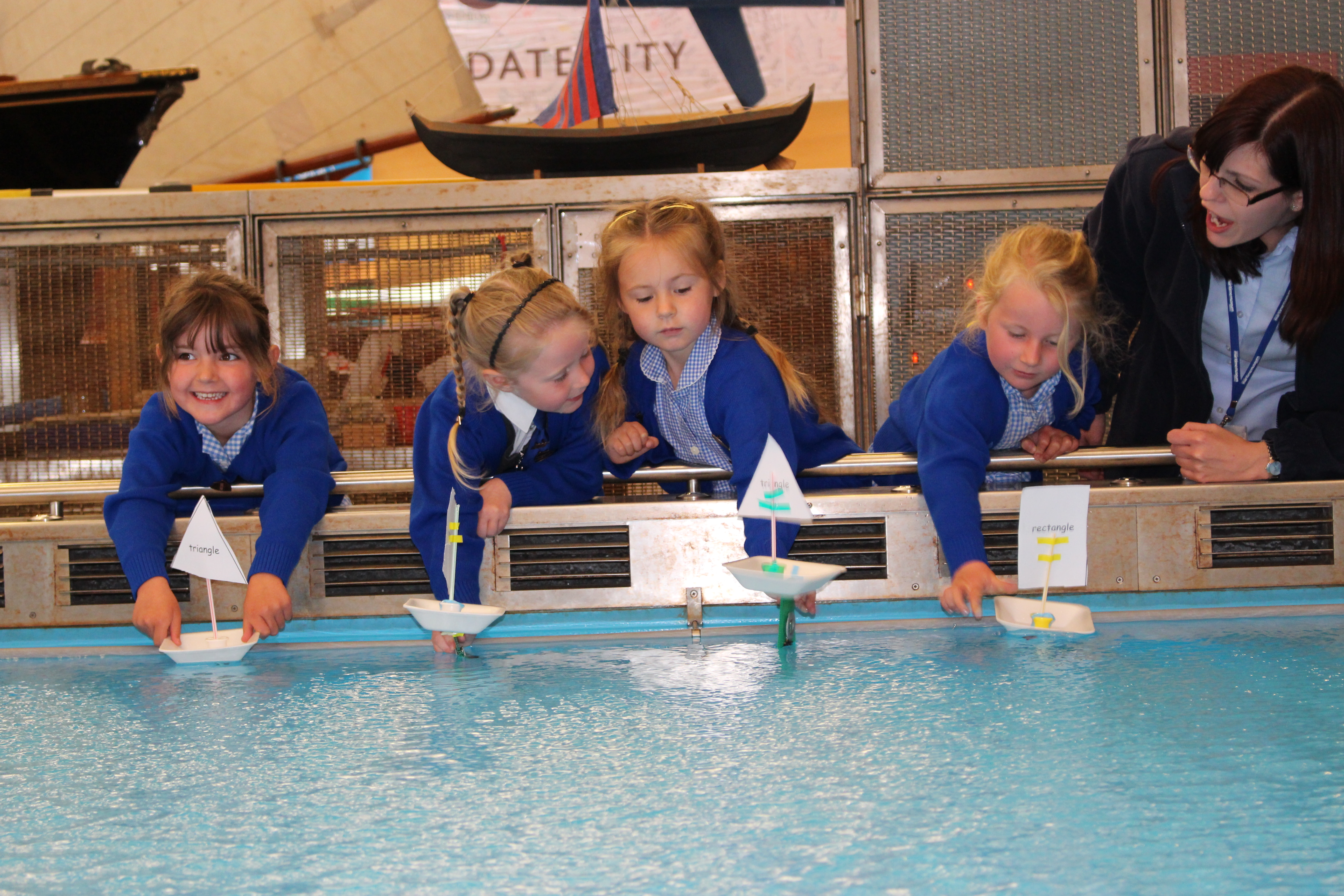
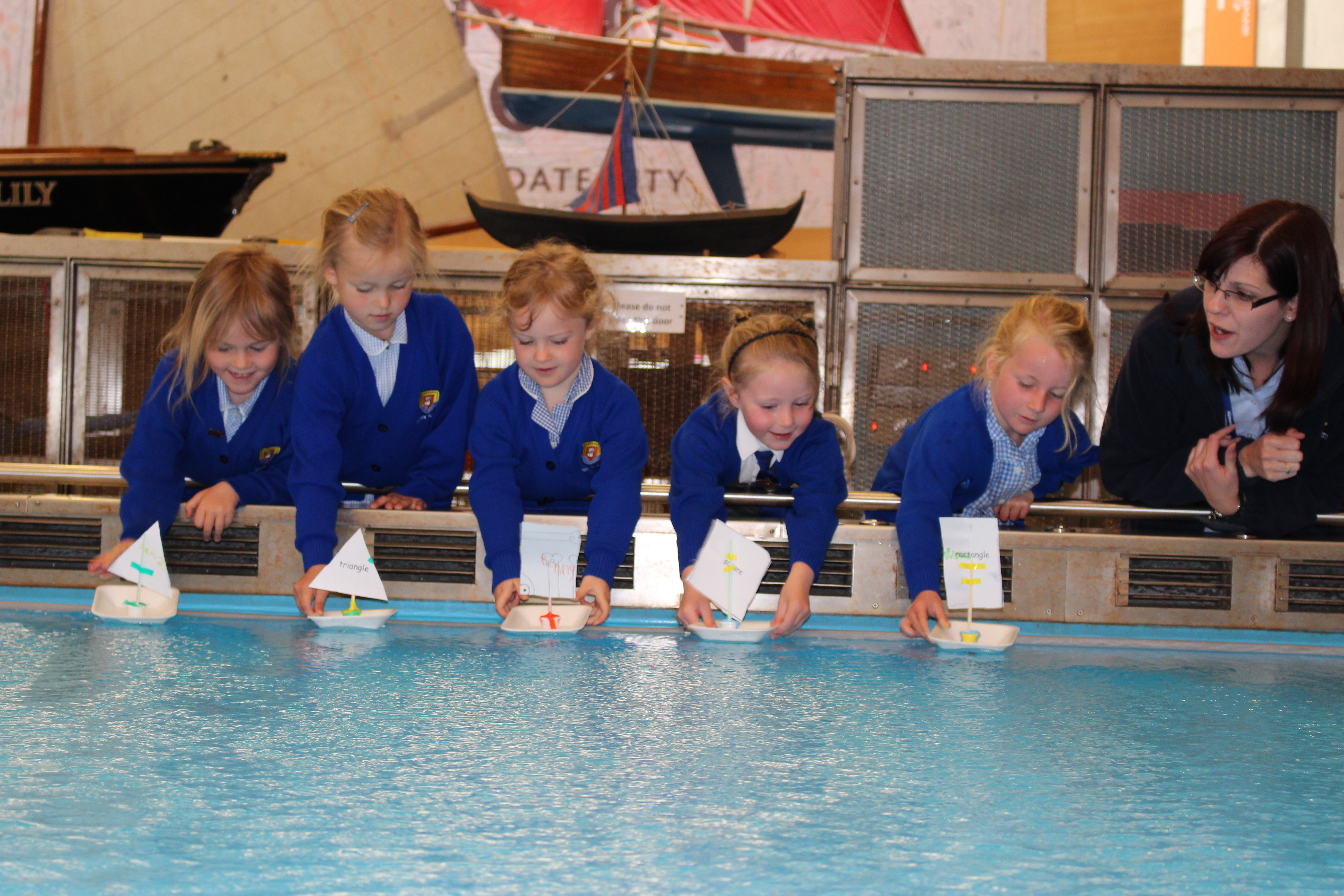
Super Students Attend STEM Program

Kian and Max (both Class 11) have both regularly taking part in an event called ‘Super Saturdays’ at Camborne School. From this there stills were recognised and they were invited to attend the Nexus STEM camp in the Easter Holidays. STEM stands for science, technology, engineering and mathematics, during this camp the boys had lots of fun.

The week consisted of building boats, marshmallow bridges, mixing chemicals and all things that go bang.

I had an amazing week learning about and doing things I wouldn’t get to do in Primary school- Max

Nexus was a really good experience and I recommend Camborne School Super Saturdays to anyone who loves science and maths- Kian

Year 6 become experts of the heart!


Last week, the Year 6 children were very fortunate as they were visited by three cardiologists, all experts when it came to matters of the heart. Eva Pring’s Dad was kind enough to support Mr Wise and Mr Pollard, who have been focussing on the human body in Science this term.
To support the class, a pig’s heart and an oxen’s heart were brought into class to see the similarities and differences between them, as well as seeing if there were similarities with our own hearts. The class looked at the different areas of the heart, as well as recognising what the aorta does and how blood flows through the heart from chamber to chamber.
It was a fascinating lesson and the children and  the teachers were all very thankful to Mr Pring and his colleagues for coming in and sharing their knowledge.


At first it looked disgusting, but once we started I found it really interesting – Darwynn


The cardiologists were all really nice people and they let us touch the hearts so that we could understand what the most important muscle in our bodies feels like – Lola

Is it a tree? Is it a log? No, it’s Taran’s moth!

At the start of the year, Penpol School’s answer to David Attenborough asked Mr Pollard if he could bring in some caterpillars and store them at the back of the classroom until they turn into moths. Not a problem came the reply. It was then that Taran revealed that it would take 7 months for this transformation to happen!

This week, after returning from Easter break, the ever-observant Taran found that one of the caterpillars had broken out of its chrysalis and had turned into a beautiful moth, which is incredibly well suited to match a certain environment, as it looked just like a piece of wood!

Hopefully it won’t be long until the others hatch and they can all live in their natural habitat on the tree outside the classroom window.


“When I first saw the moth I recognised it immediately and got super exited because it had hatched from a cocoon  that had been in the back of the classroom since September.” – Taran


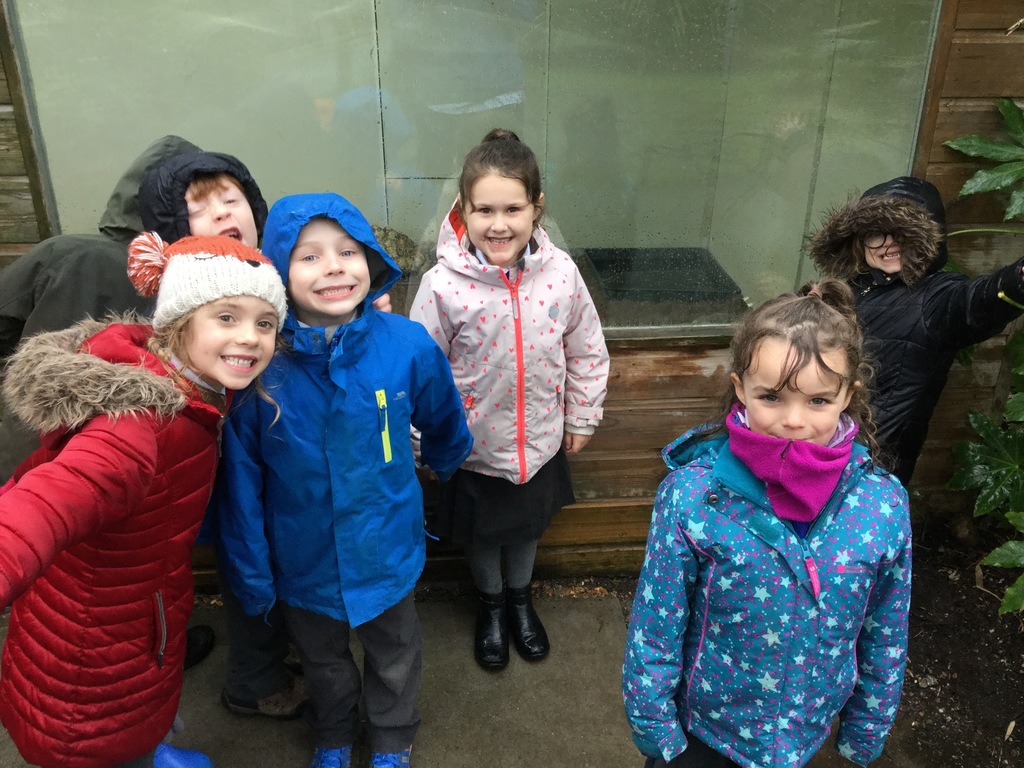
Fantastic Fun at Newquay Zoo

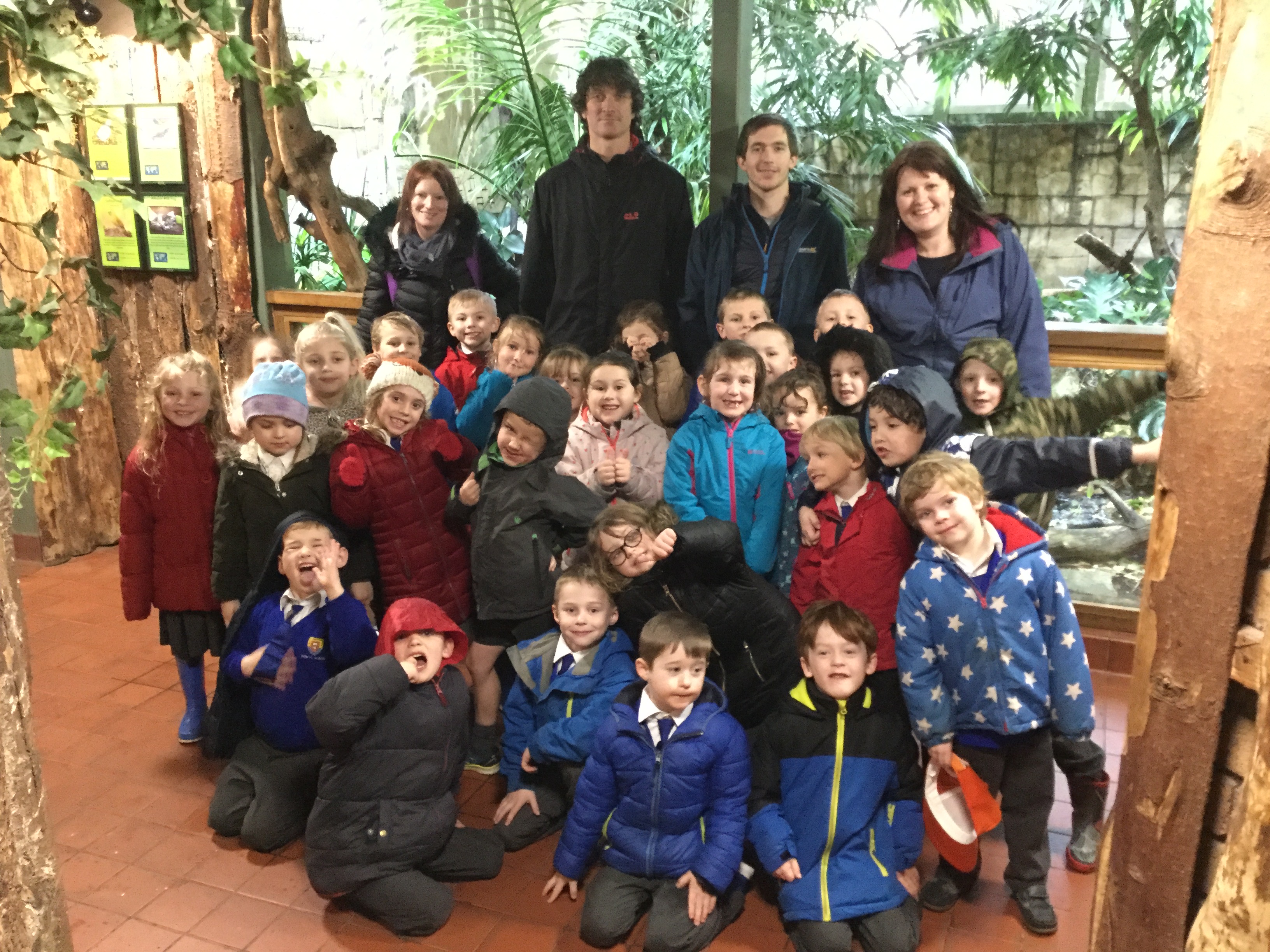
On Friday 9th March, Class 4 had a fantastic time at Newquay Zoo. The children have been learning about animals in their science lessons at school and discovering which animals have backbones and which do not. We went to the zoo to learn more about vertebrates and invertebrates, and to learn more about the classification of animals.

When we got to the zoo, we were met by Pippa who gave us a really interesting lesson about classification. The first thing Pippa showed us was a cockroach. She explained that they have holes down their sides which allows them to make a hissing sound.

When the coach roaches get scared, they all get together and make a hissing sound that sounds like a snake. It tricks the predator that wants to eat them! Ada

Some animals do not have backbones, like insects. They are called invertebrates. Insects have 6 legs. Oliver

The next thing Pippa showed us was the skin of a royal python. It was very long and smooth. Flora and Amelie helped Pippa and held the snake skin. Everybody got a chance to touch the skin.
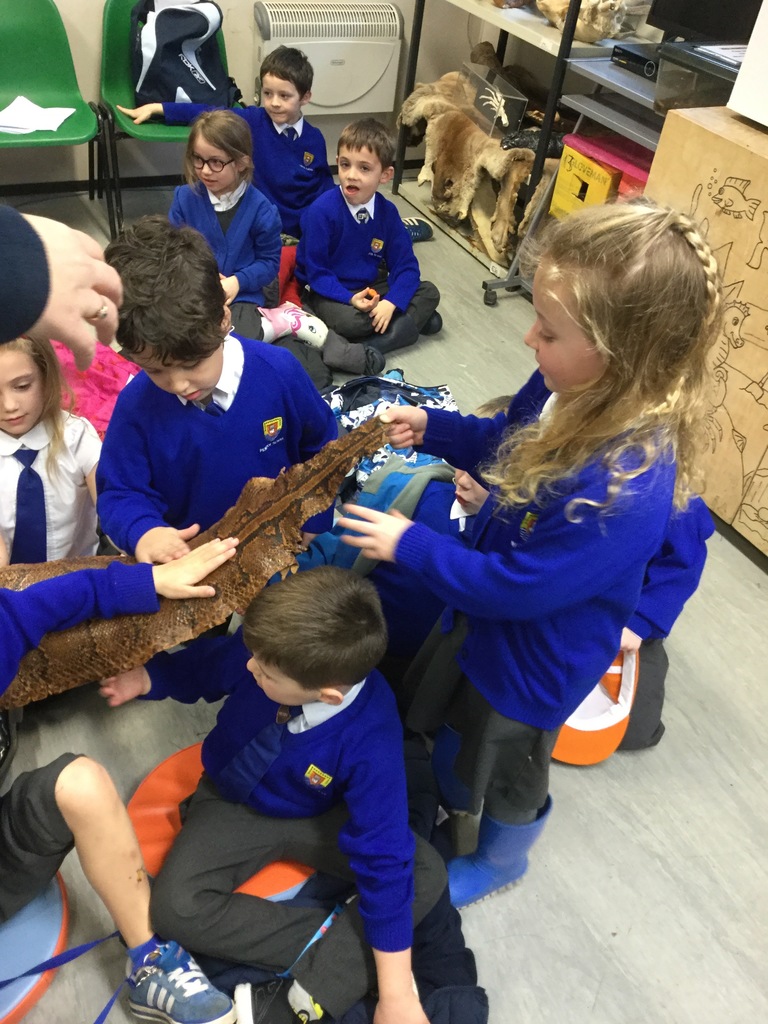
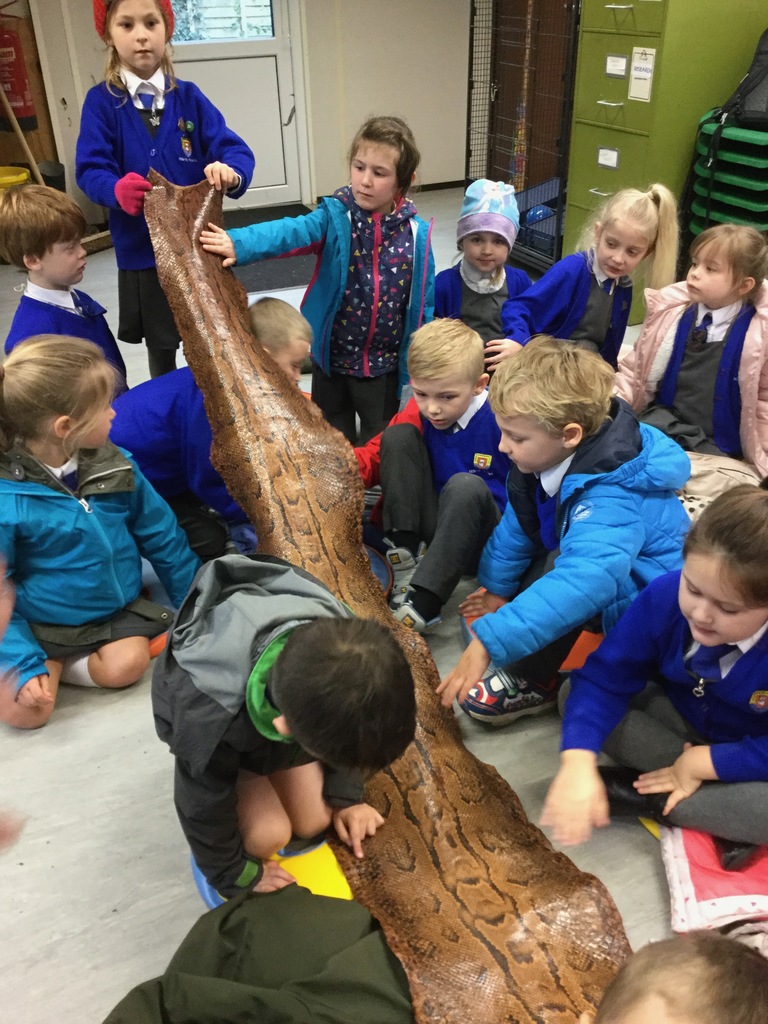
 

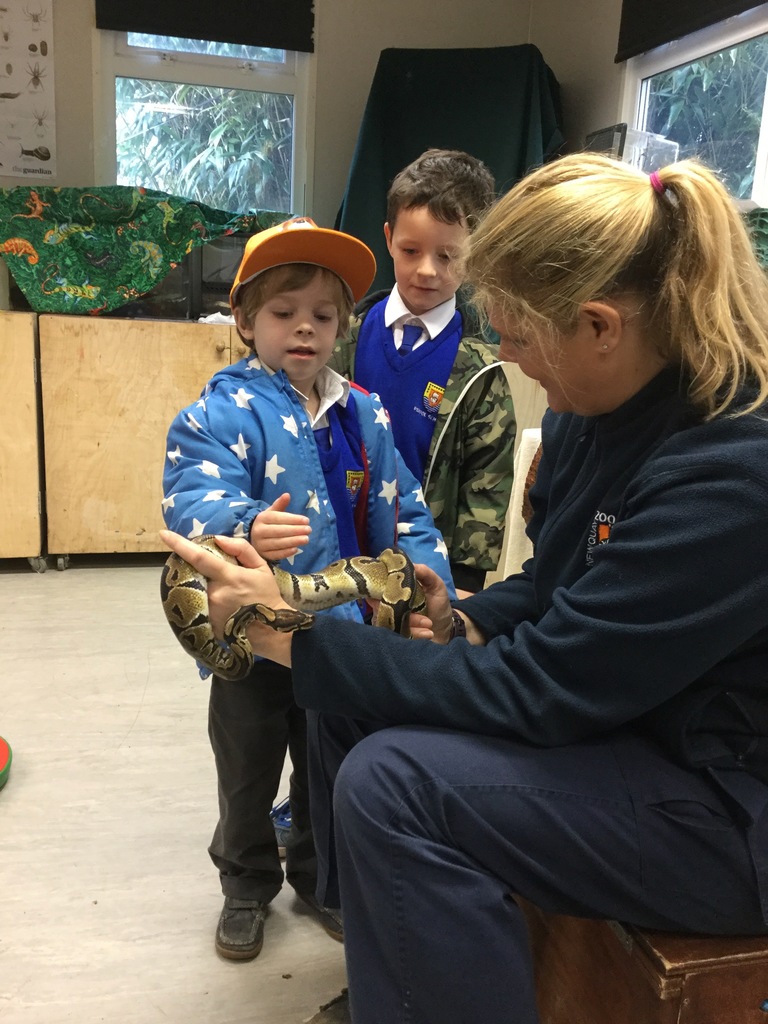
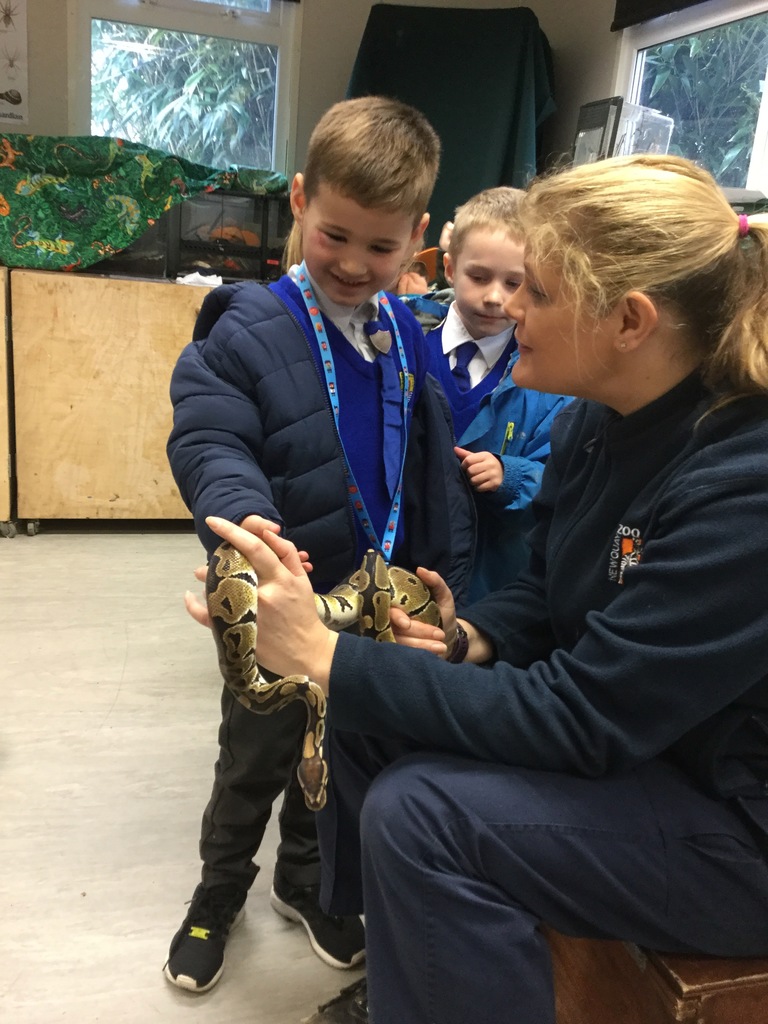
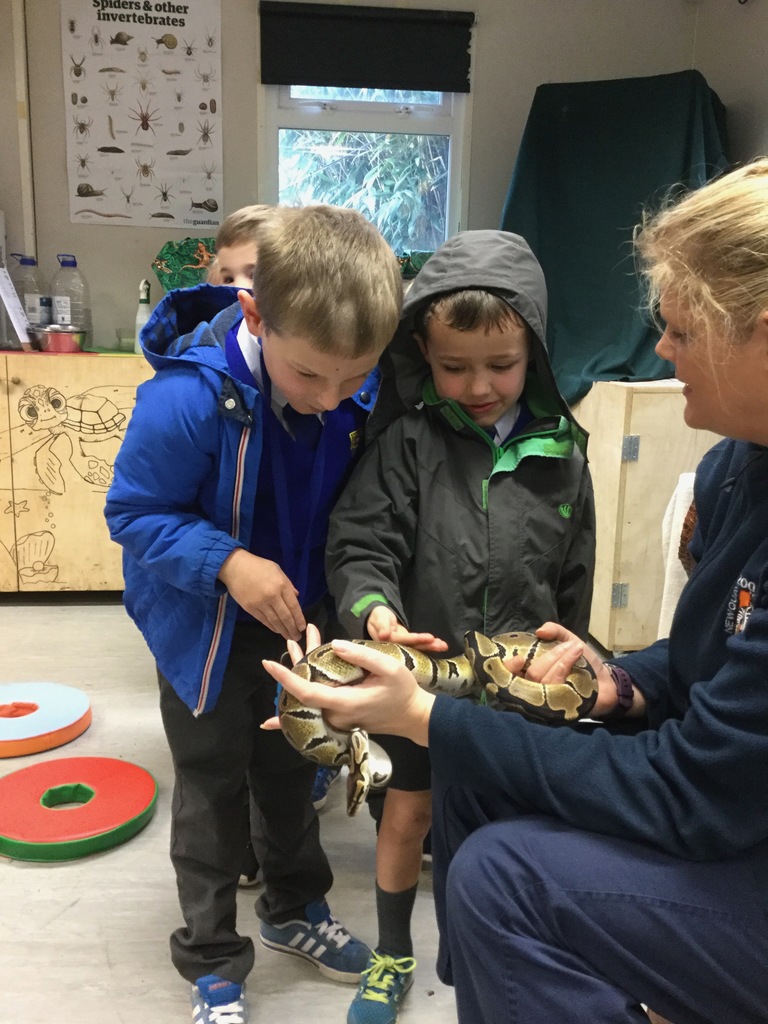
After that, we had to be very quiet because Pippa got out a real snake. His name is spot. Everybody got a chance to touch him if they wanted but we had to do it with the back of our hand.

I like the snake. I’m not scared of him. He’s quite cold. – Ptolemy
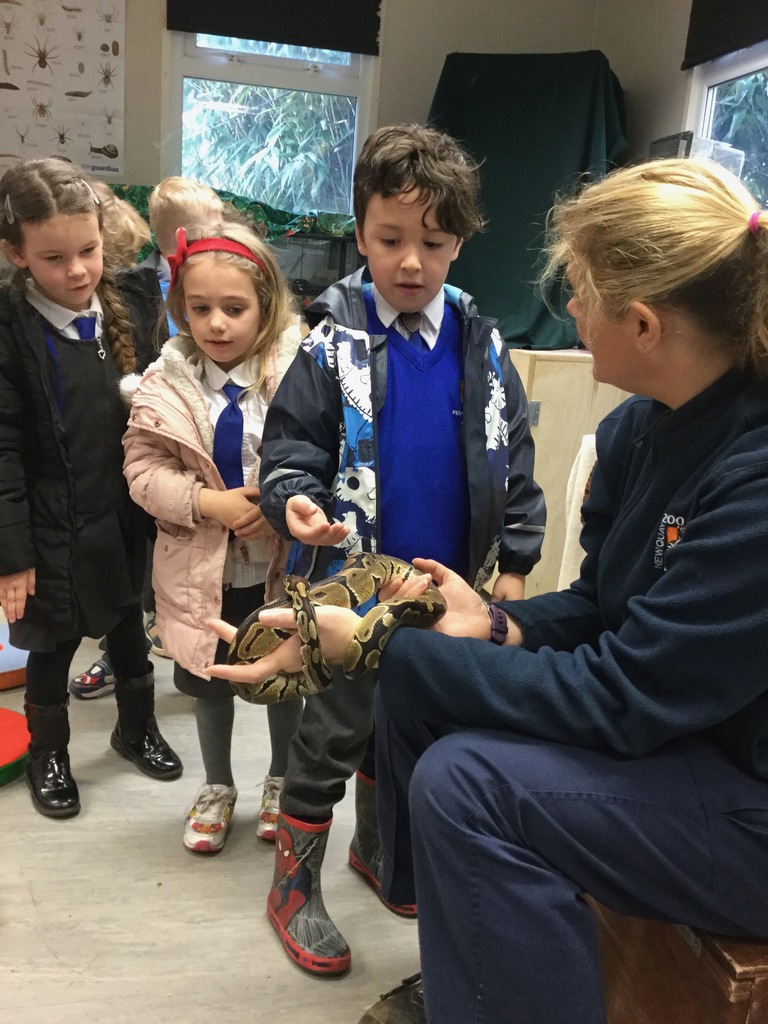
I know all about snakes because I’ve got one at home and he’s called Monty. Snakes are cold blooded animals. – Alfie

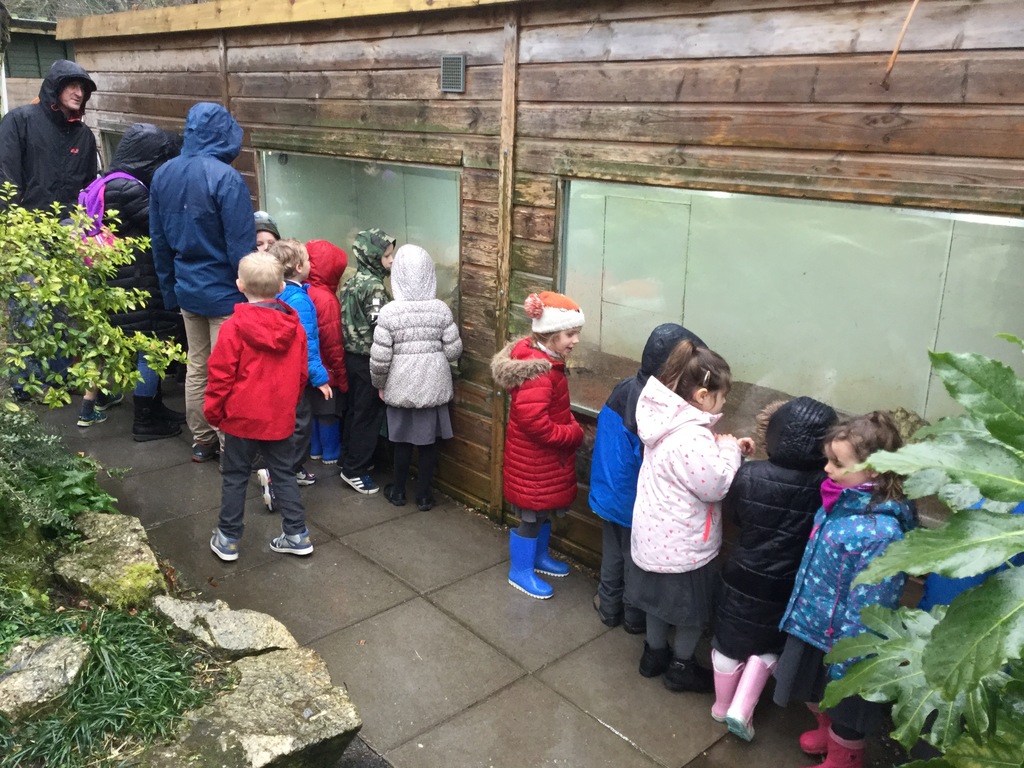
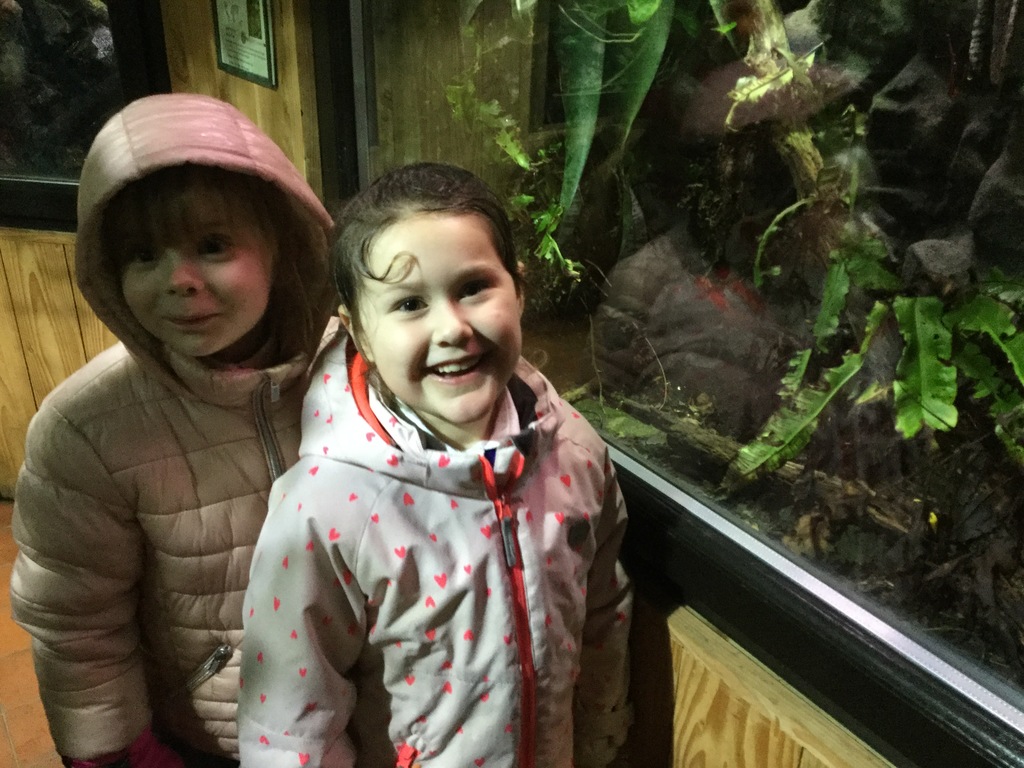
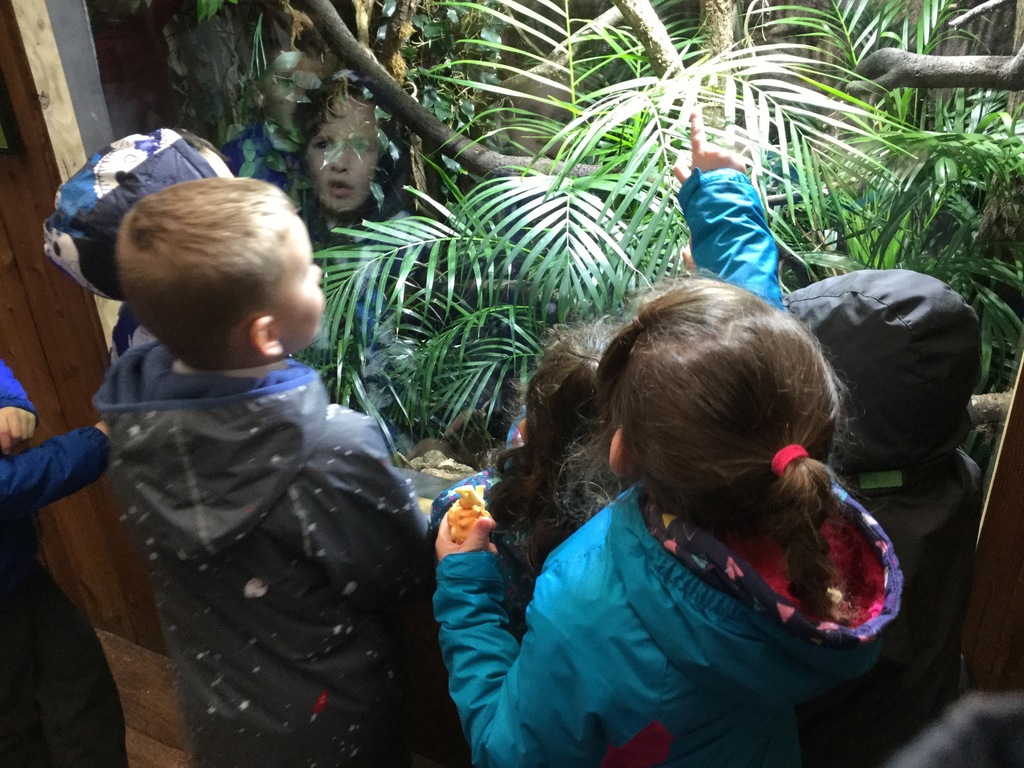
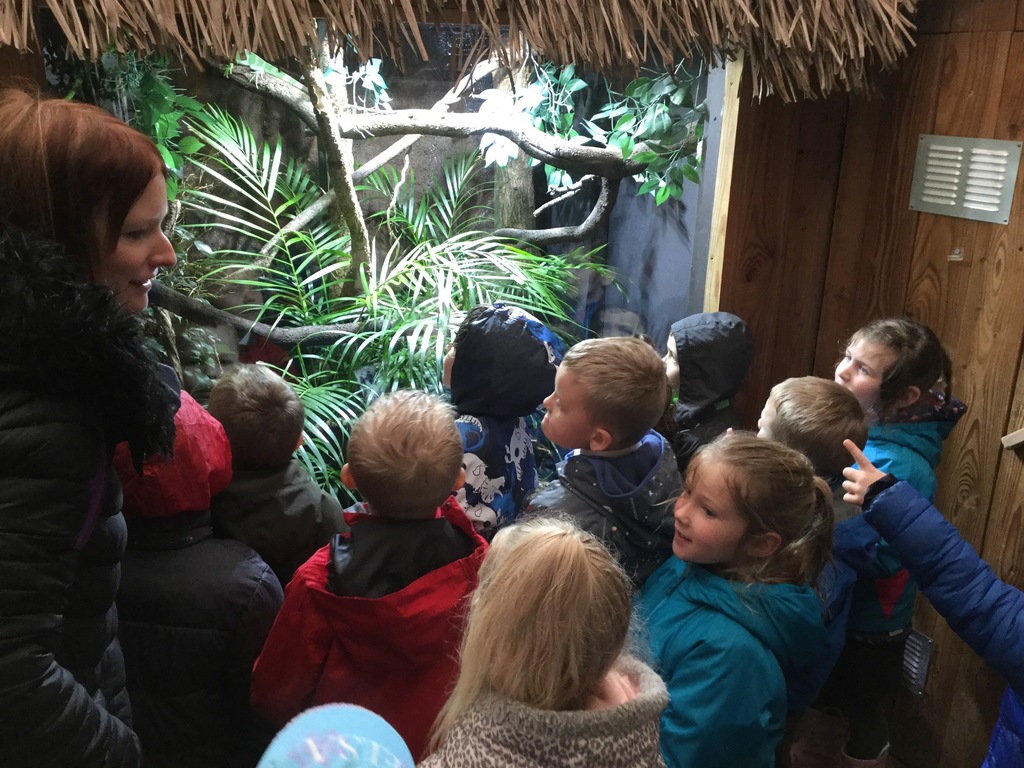
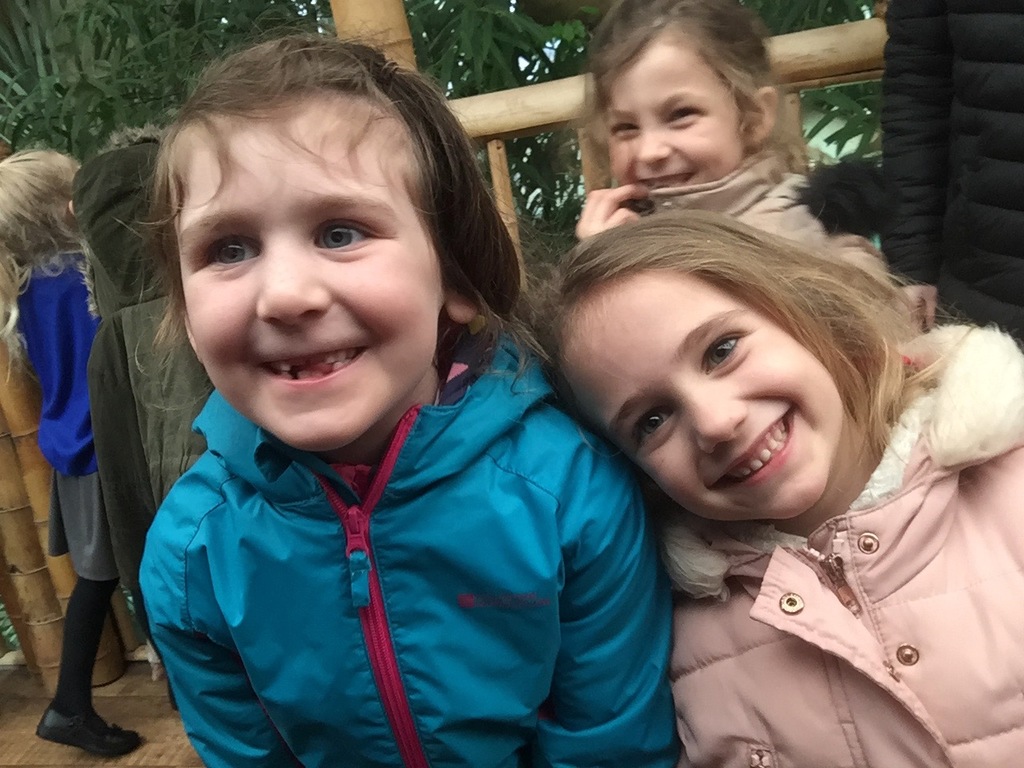
After a really interesting talk, we got to explore the zoo. Although it was raining and we got quite wet, we all had a fantastic time. Here are some of the photos…

Caio and Flynn count the meerkats
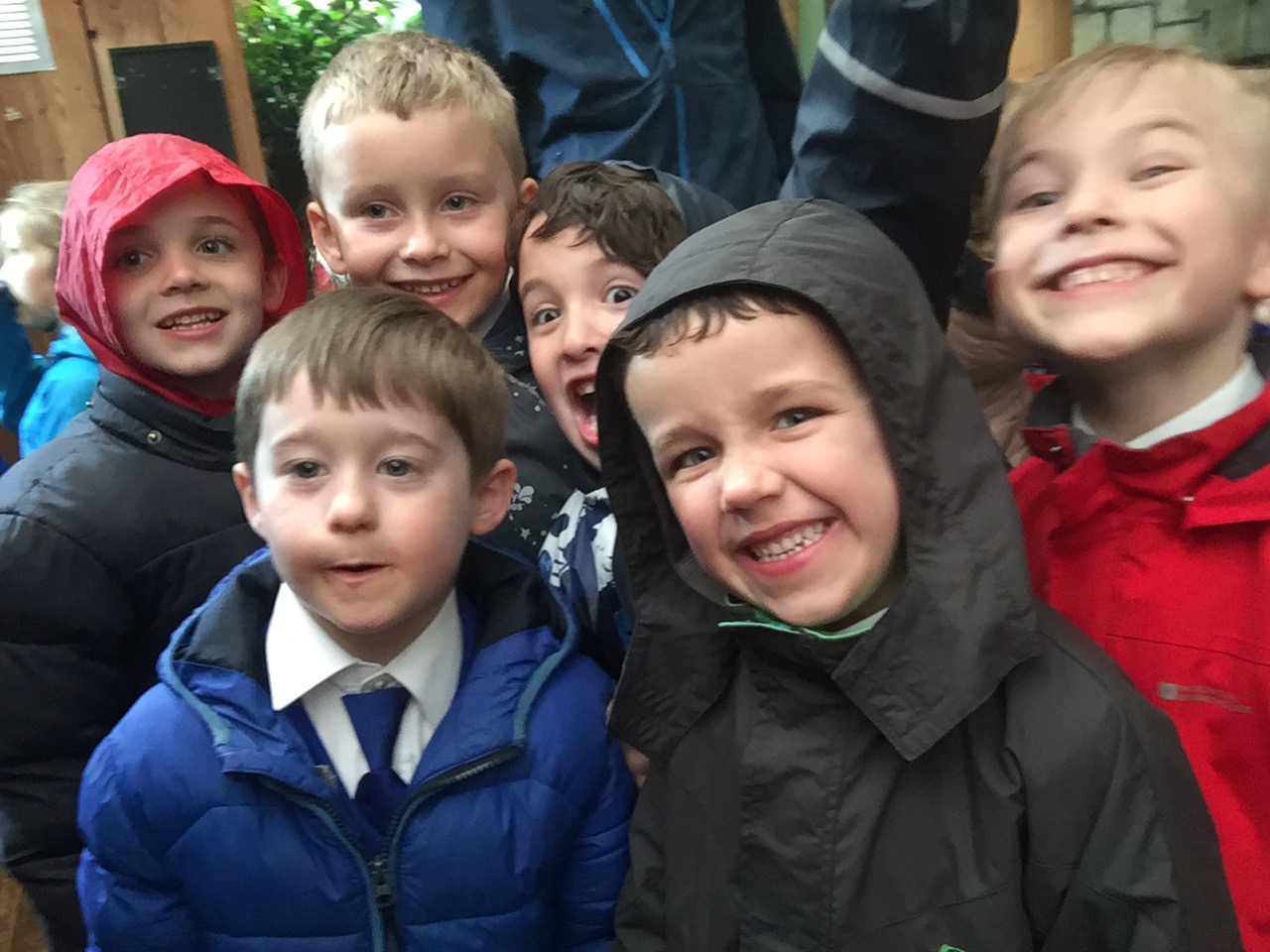
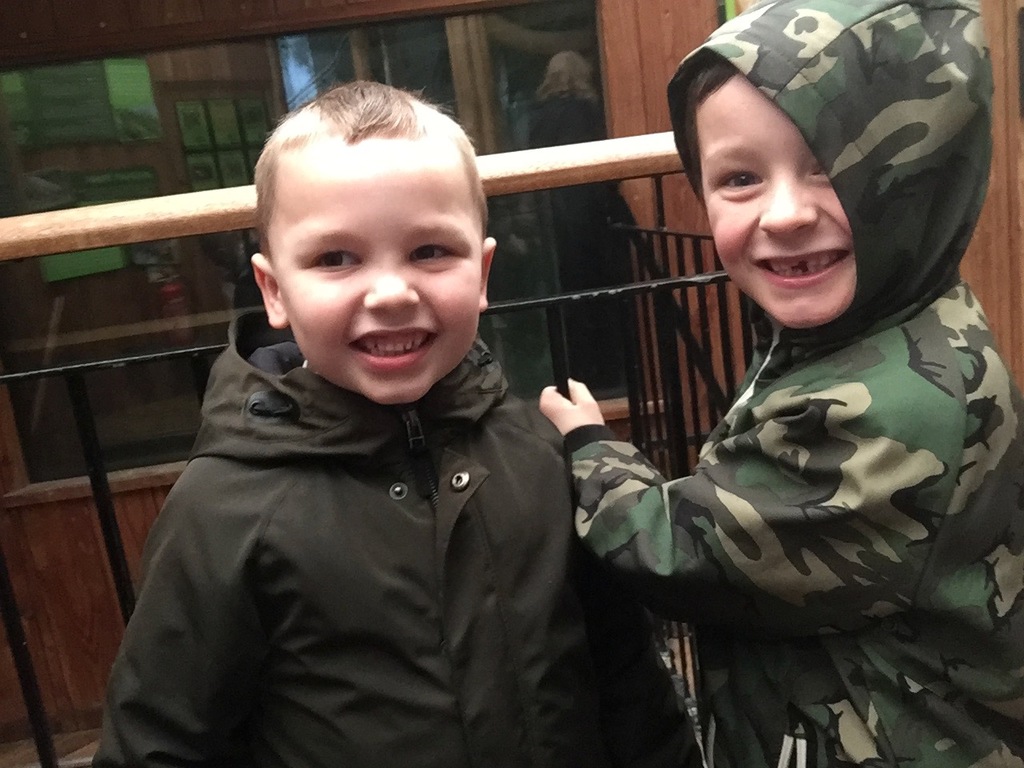
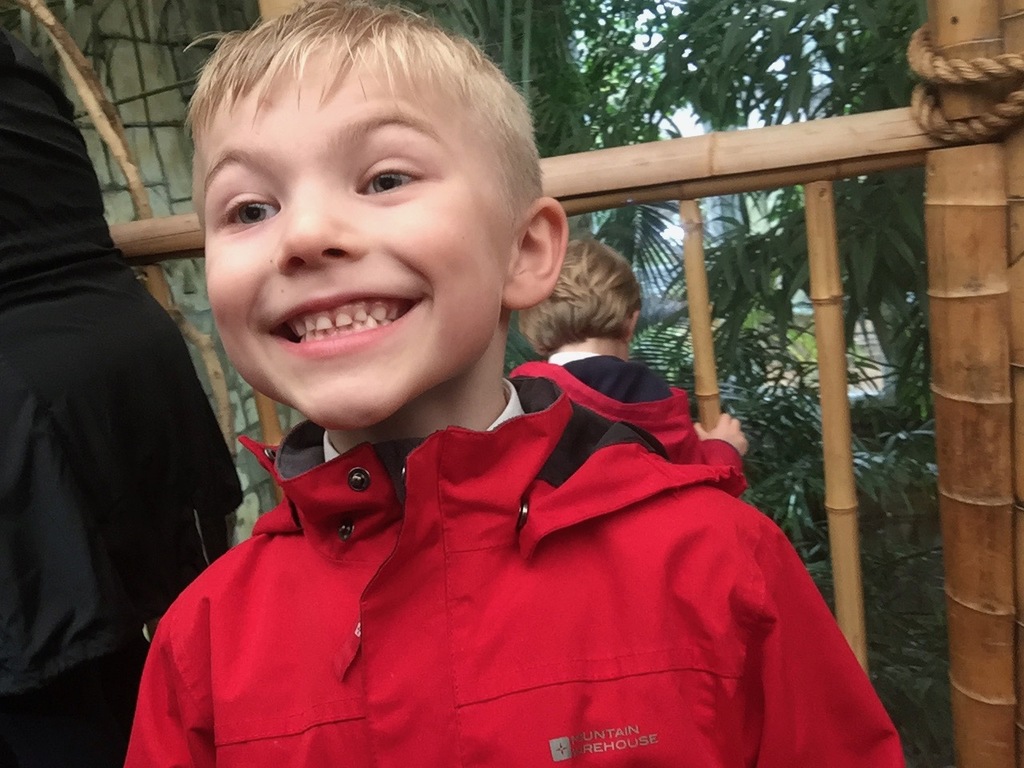
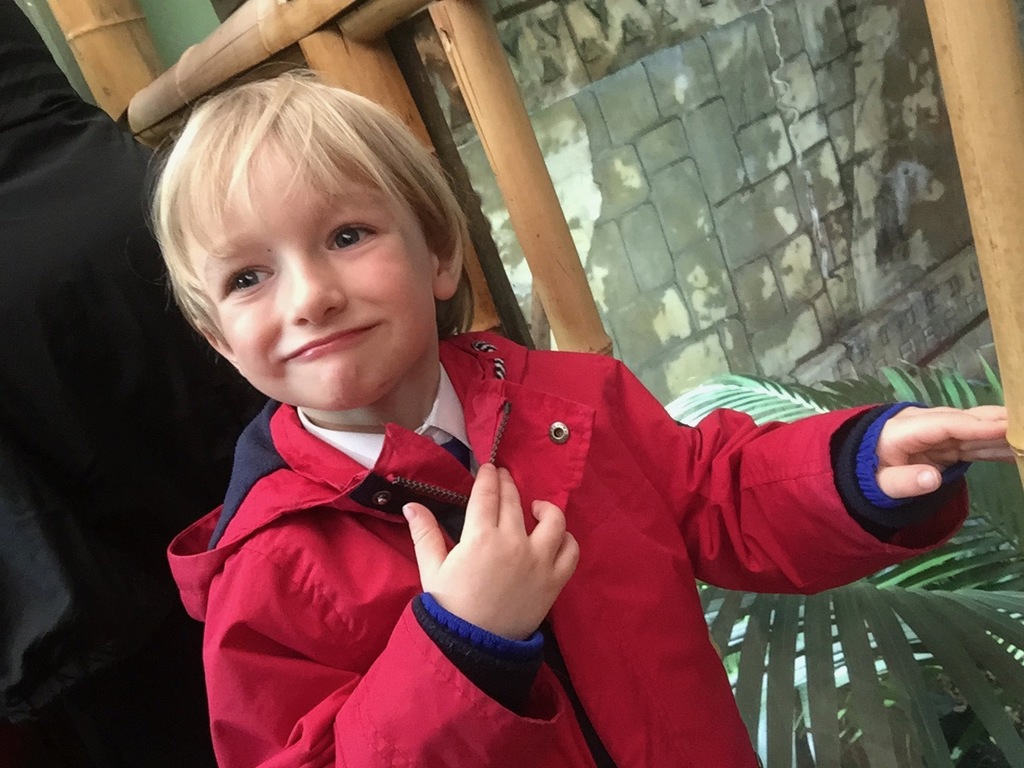
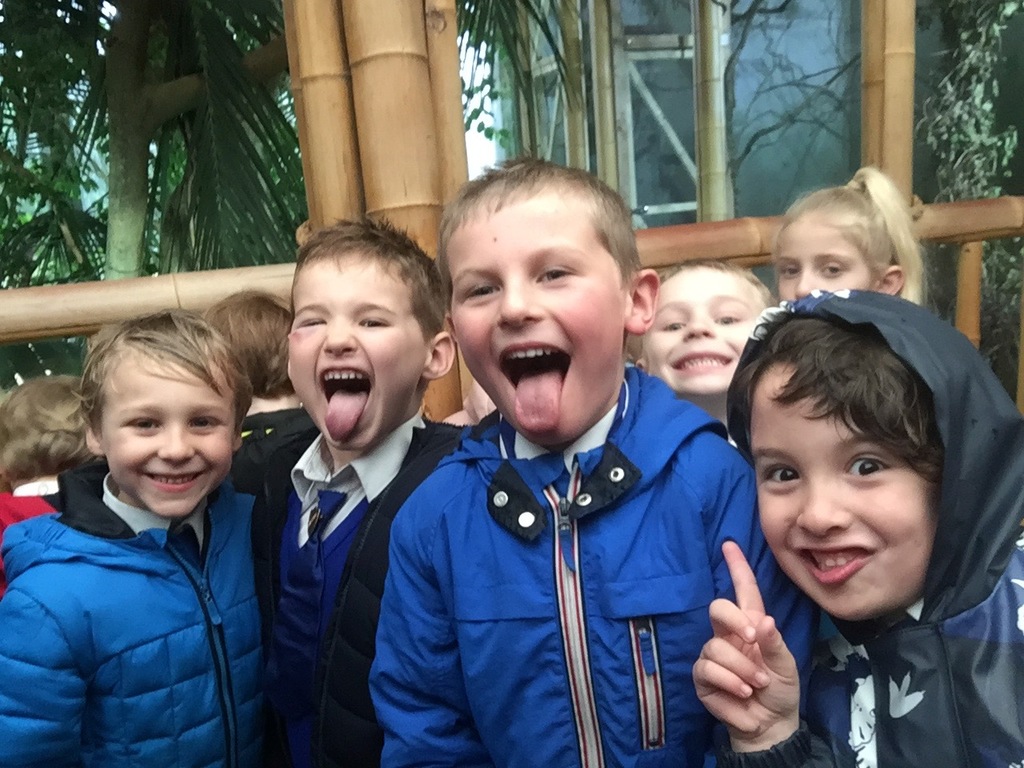
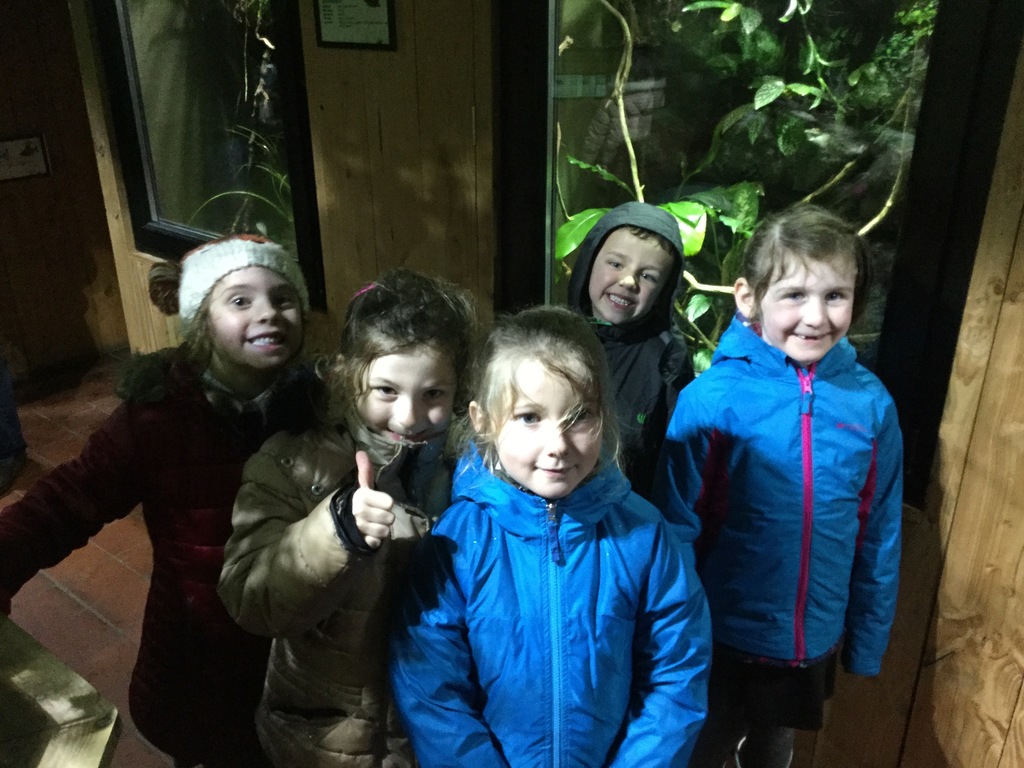
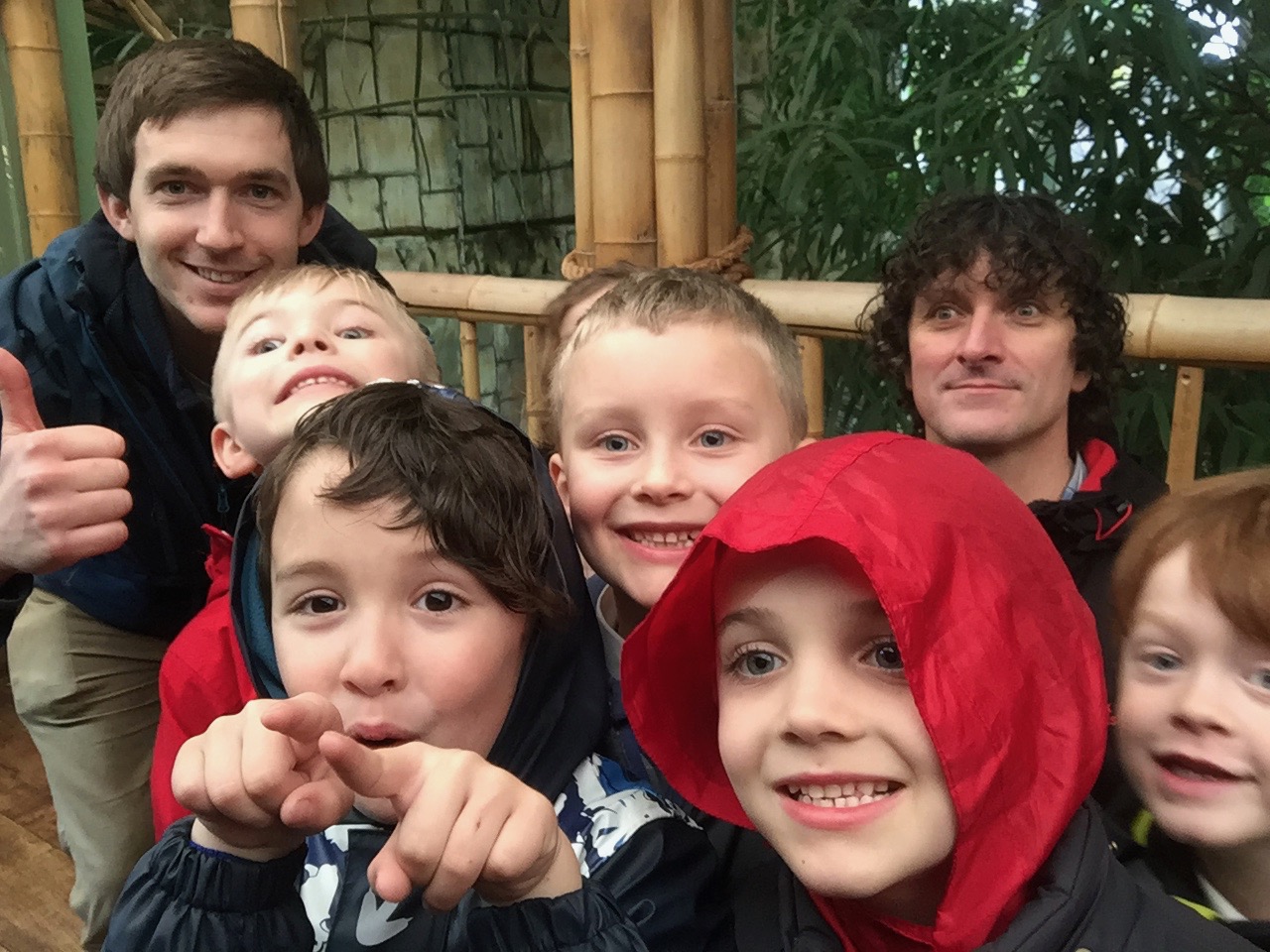
Silly selfies in the tropical house!
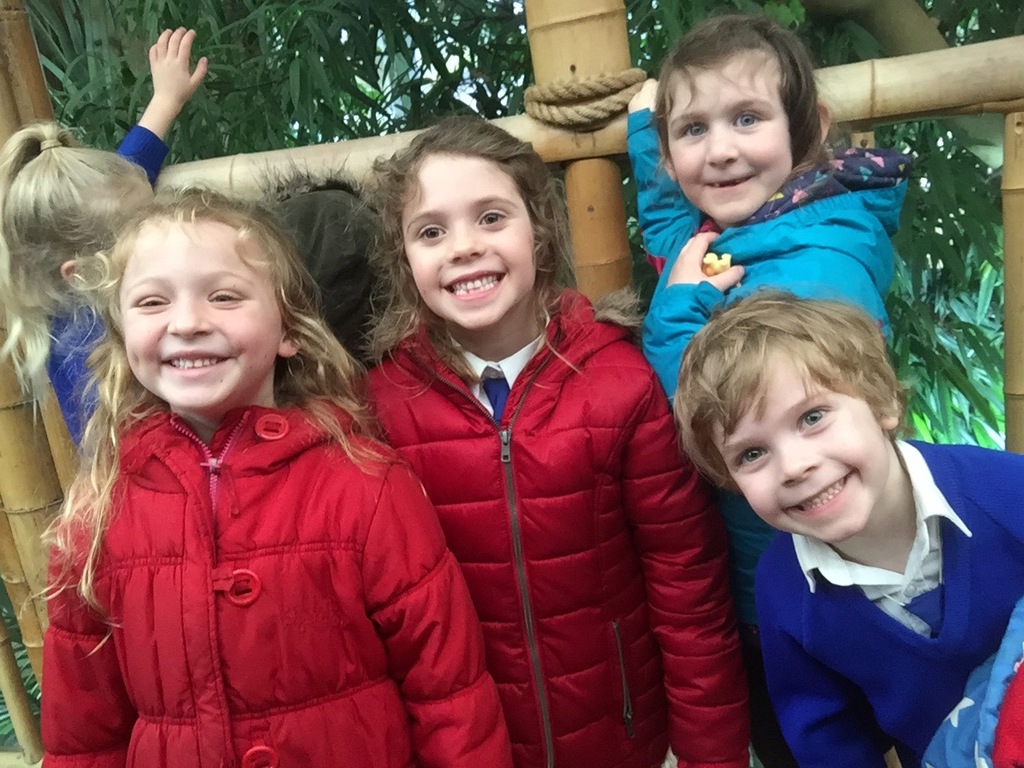
 

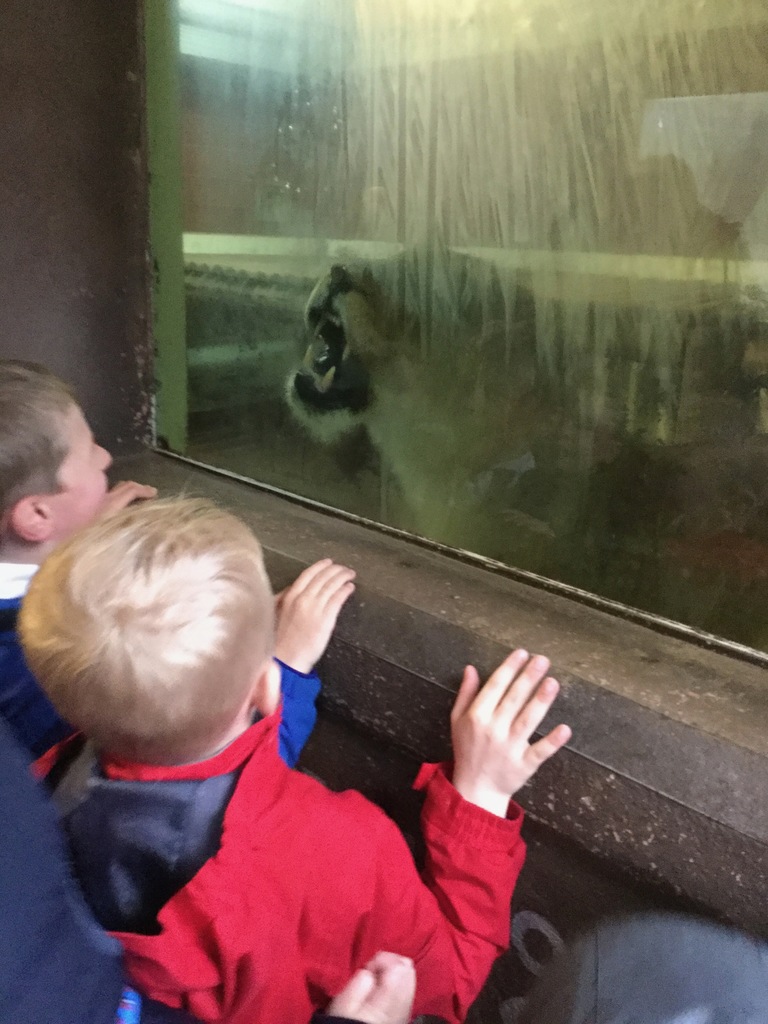
Ted, Riley and the lions have a roaring competition!

What a fantastic day out!
How to Build a Computer with Year 5 + 6

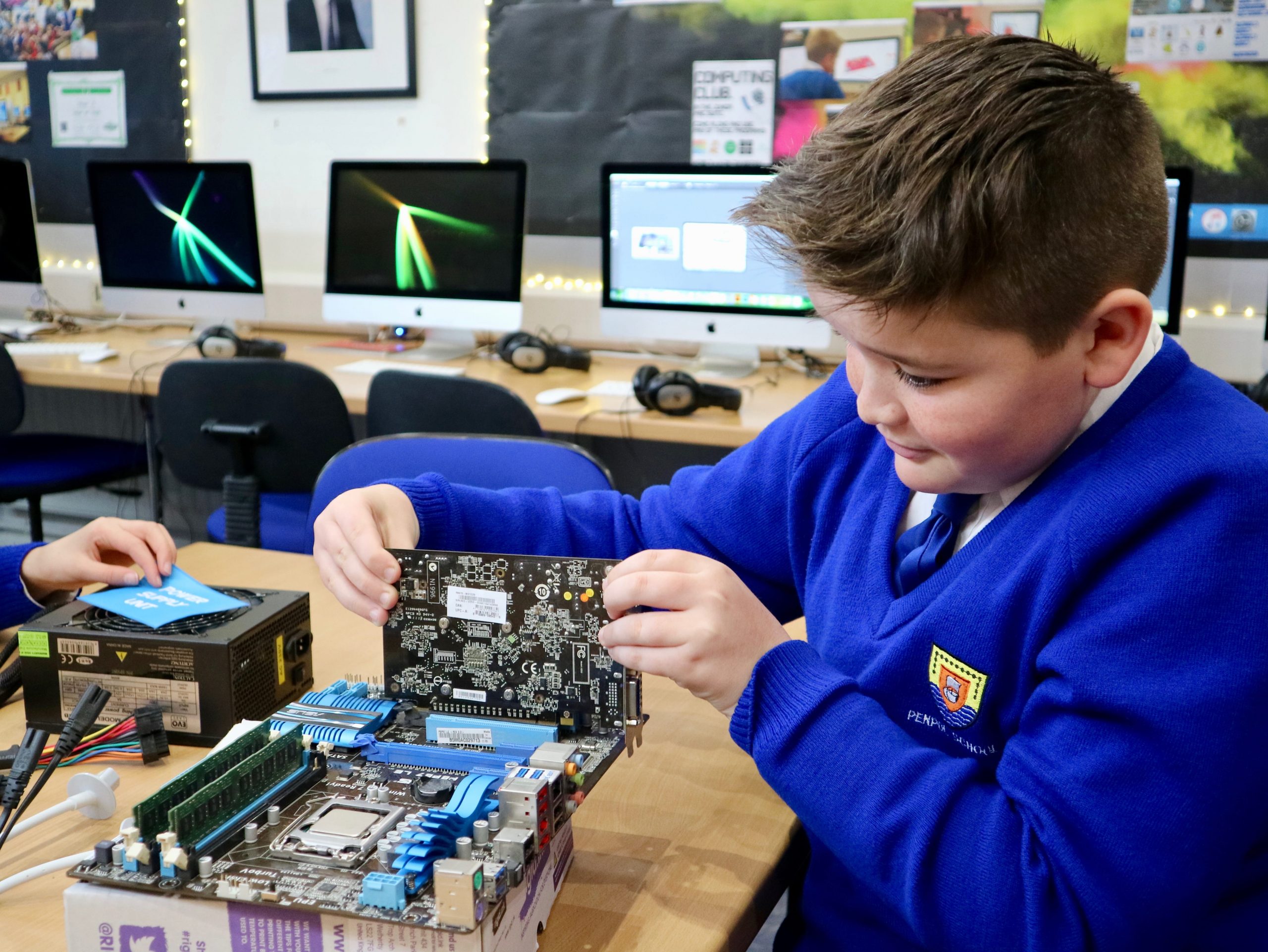
This week our Year 5 and Year 6 classes have all taken it in turns to build their own computers using the assortment of components that they learnt about last week.  Working in small groups (and with the help of Mr Woolcock and Paul) each child learnt where the components went and what they do inside the computer.

Below is a step-by-step to understanding what goes inside a computer, written by our pupils.  Enjoy!


Step 1: Motherboard

“This is the thing which everything else plugs into, for example the power cables and processor.  The motherboard is big and it’s covered in circuits and interesting bits.  You need a motherboard in order to build your own computer.” – Harry, Class 13


Step 2: RAM

“The RAM is a bit like the arms of a computer, it helps the computer to multitask and to juggle lots of things at once.  You need to add the RAM in two slots (which have to be colour matching!) and it must be the right way around.  Push it firmly into place and the clips keep it in.” – Taran, Class 13


Step 3: Processor

“The processor is like the brain of the computer, without it the computer wouldn’t work at all!  We had to line the Processor up in its square holder and gently lower it into place.  We then used the clip thing to lock it into place so it doesn’t go anywhere.” – Ben, Class 13


Step 4: Graphics Card

“It shows the screen what to display and they can be really expensive!  It was quite easy to push it into the slot on the motherboard.” – Kian, Class 11


Step 5: Heatsink

“The heatsink cools the processor down because it gets really hot when it’s working.  It looks like a big fan with a big metal grate on one side.  You had to screw this into the motherboard so it sat firmly on top of the processor otherwise it won’t work.” – Meghan, Class 13


Step 6: Hard Drive and CD/DVD Drive

“It’s been really cool because I learnt how to put things into the computer and what everything was called.  The hard drive was interesting because it’s where you save all the work and that means all of the work that we’ve done is saved on one of them.” – Melissa, Class 11


Step 7: Cables

“I liked putting together the computer and seeing how it worked.  I found it amazing how everything could fit in a small computer and how the cables link everything together on the motherboard.” – Freya, Class 11


Step 8: Power Supply

“It’s important to a computer because it helps to run everything.  You have to plug the power cables into the motherboard and the drives and that gives it power.” – Emma, Class 11


Step 9: Turn it on!

“When everything is plugged in and safe, we turned the power on and you could hear the fans start to spin up as the computer started working.  It’s magic!” – Freya, Class 13


Space Day For Our Budding Year 5 Scientists

This week the children (and teachers)  in Year 5 have celebrated their learning within science this term by taking part in a Science themed Space day. The day was split into three activities including rocket building, space themed art and movie making.

Working in pairs, the children created an iMovie film sharing what they had learnt over the term. This involved collating facts, pictures and pieces of work before organising them into a short two minute film. The movies included their own music, headings and direction.


I loved using the iPads to make movies, I’m definitely downloading the app on my iPad at home! – Emi – Class 12

Whilst some of the children were busy planing and directing their own short movie, the rest were designing and building working rockets, which are set to be launched next week. Using lots of recycled bottles, tubes and pieces of cardboard, the children ‘junk modelled’ rockets which will be powered by water and air pressure.

I tried to make my rocket as streamlined as possible so it had the least amount of air resistance possible, and it worked! – Sam – Class 11

What was particularly pleasing was the effort children put into making their rockets aerodynamic to limit the amount of air resistance, something they had learnt about in their previous science topic on forces.

Due to poor weather, the launching of the children rockets has been postponed until next week where hopefully the conditions will be more favourable.

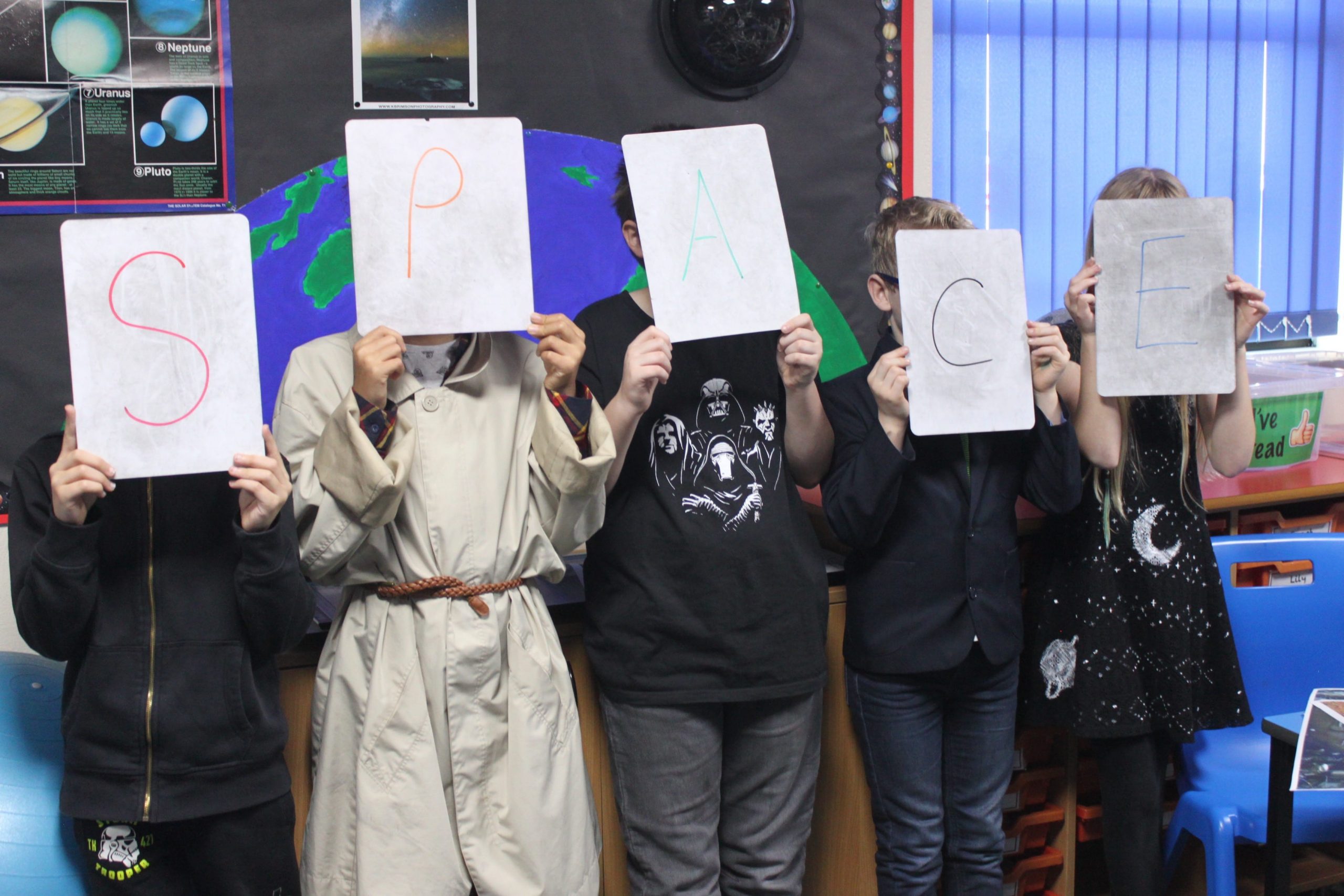
The third task for our Space Day required the children to ‘Space themselves up’ by adding their photos to a space scene; either in the form of an astronaut on a space walk, or steering a rocket to space. Some examples can be seen in the below.

We rounded off the day with a ‘space walk’ of their very own, down the catwalk as we held Penpol’s first space themed fashion show for the children (and adults) to show off their costumes.


Super Science in Class 2

Class 2 were very excited this week to welcome a special visitor Mollie into our classroom to do some science experiments. Mollie showed the class lots of experiments all to do with colours.

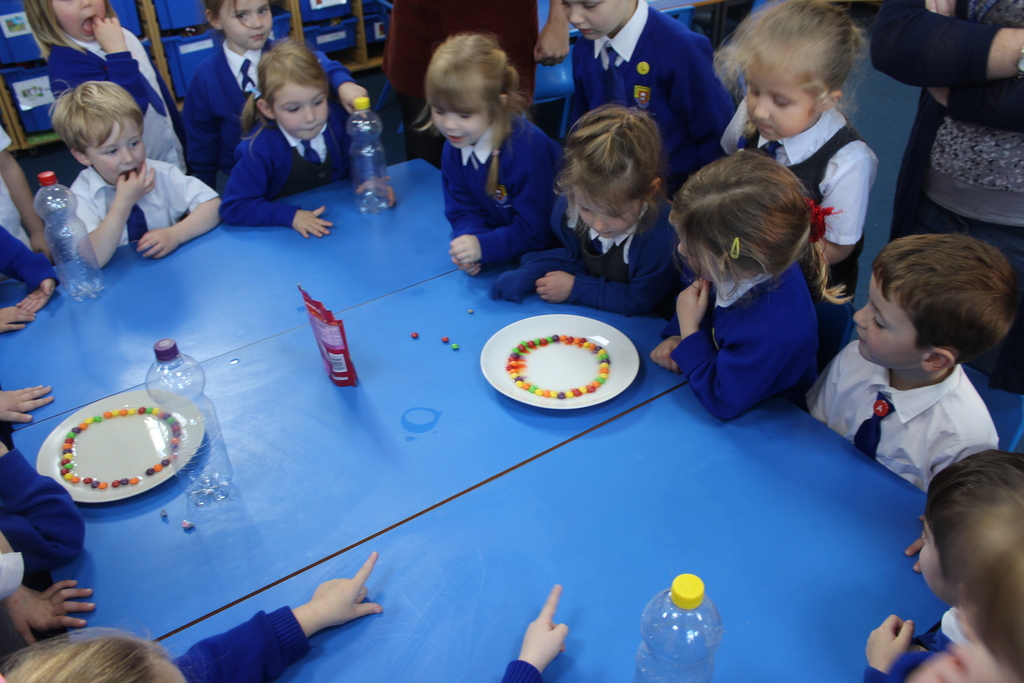
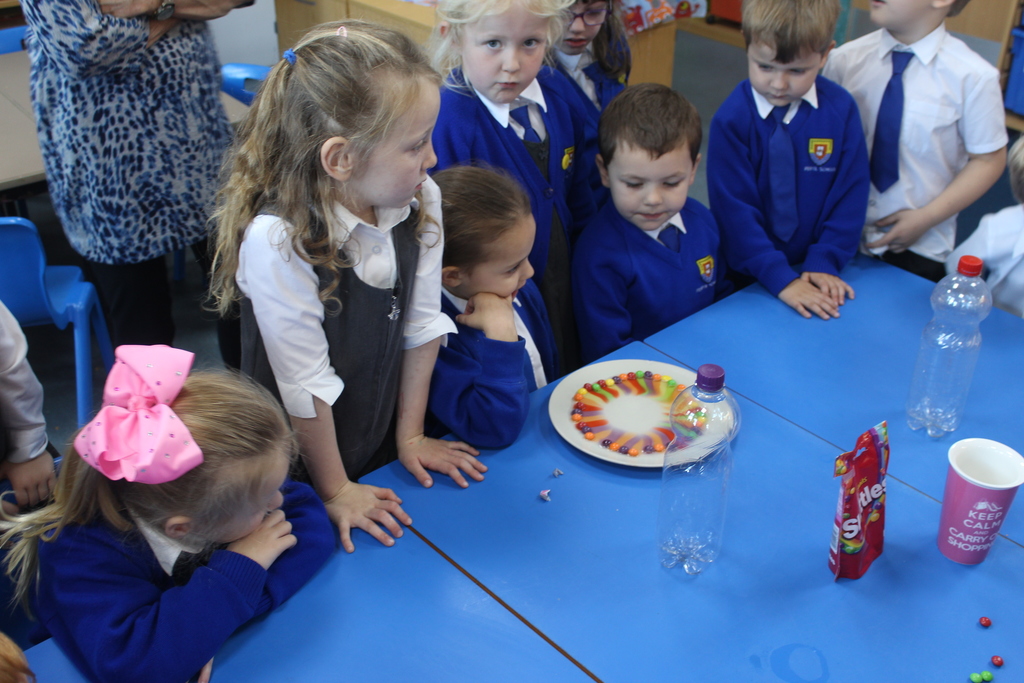
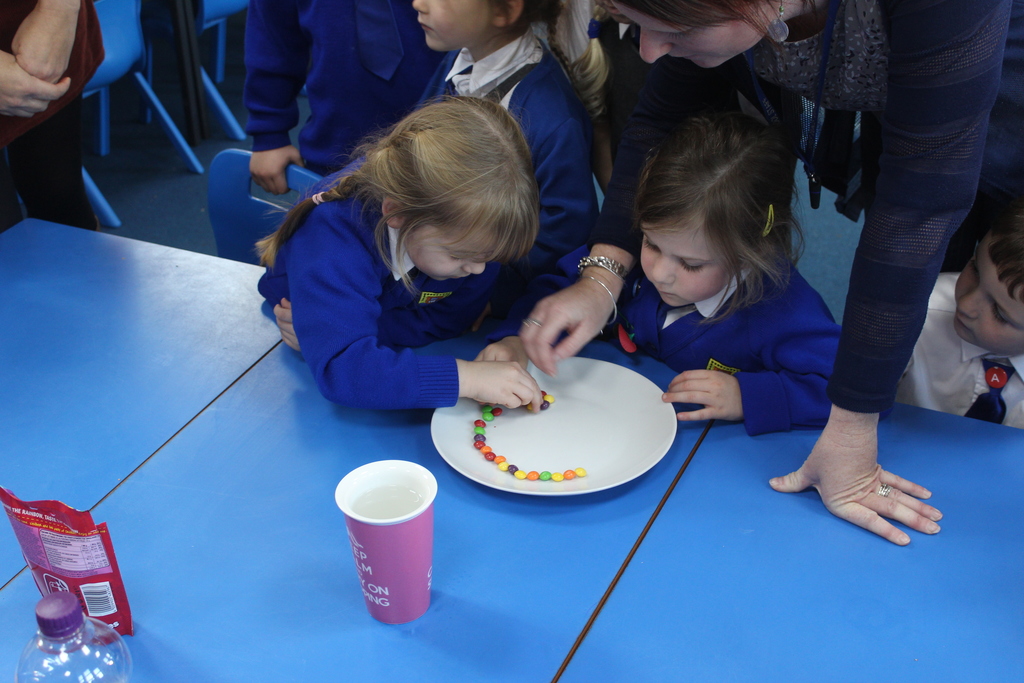
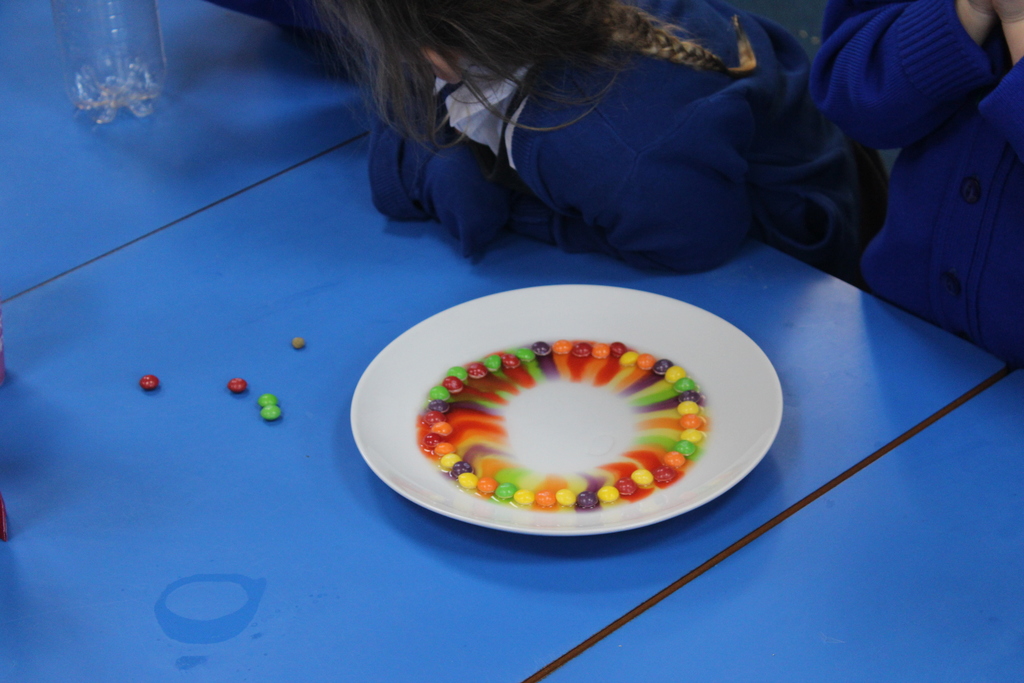
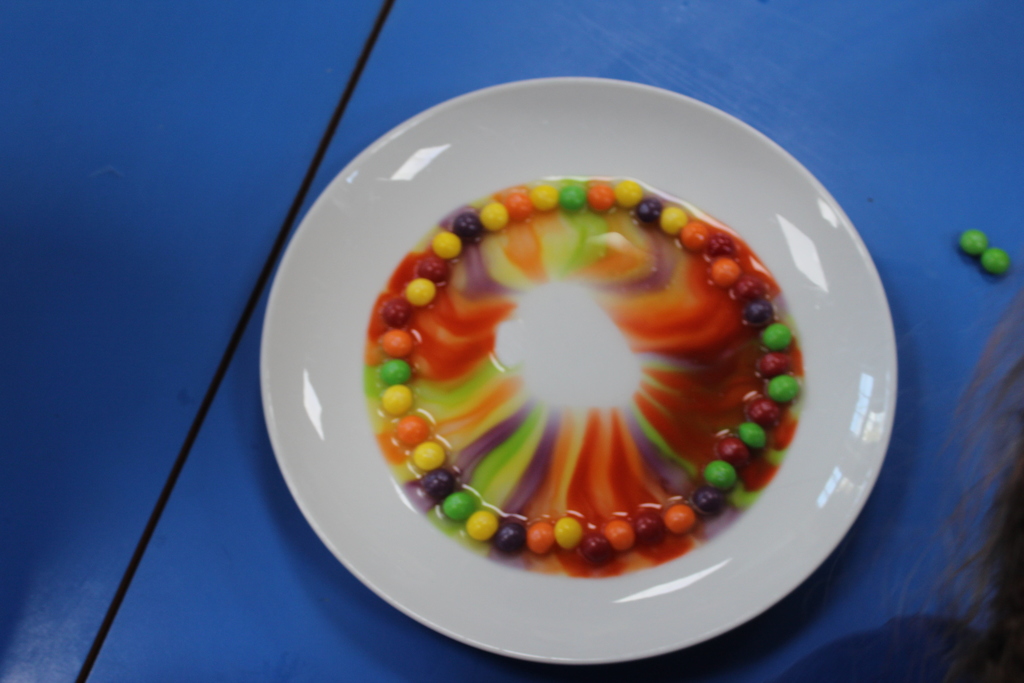
The first experiment involved some skittles and warm water. A couple of children carefully arranged the skittles on a plate to make a circle, making sure that none of the same colour were touching. Then we added warm water and waited to see what would happen.

It was amazing! The skittles made a rainbow! – Jessica

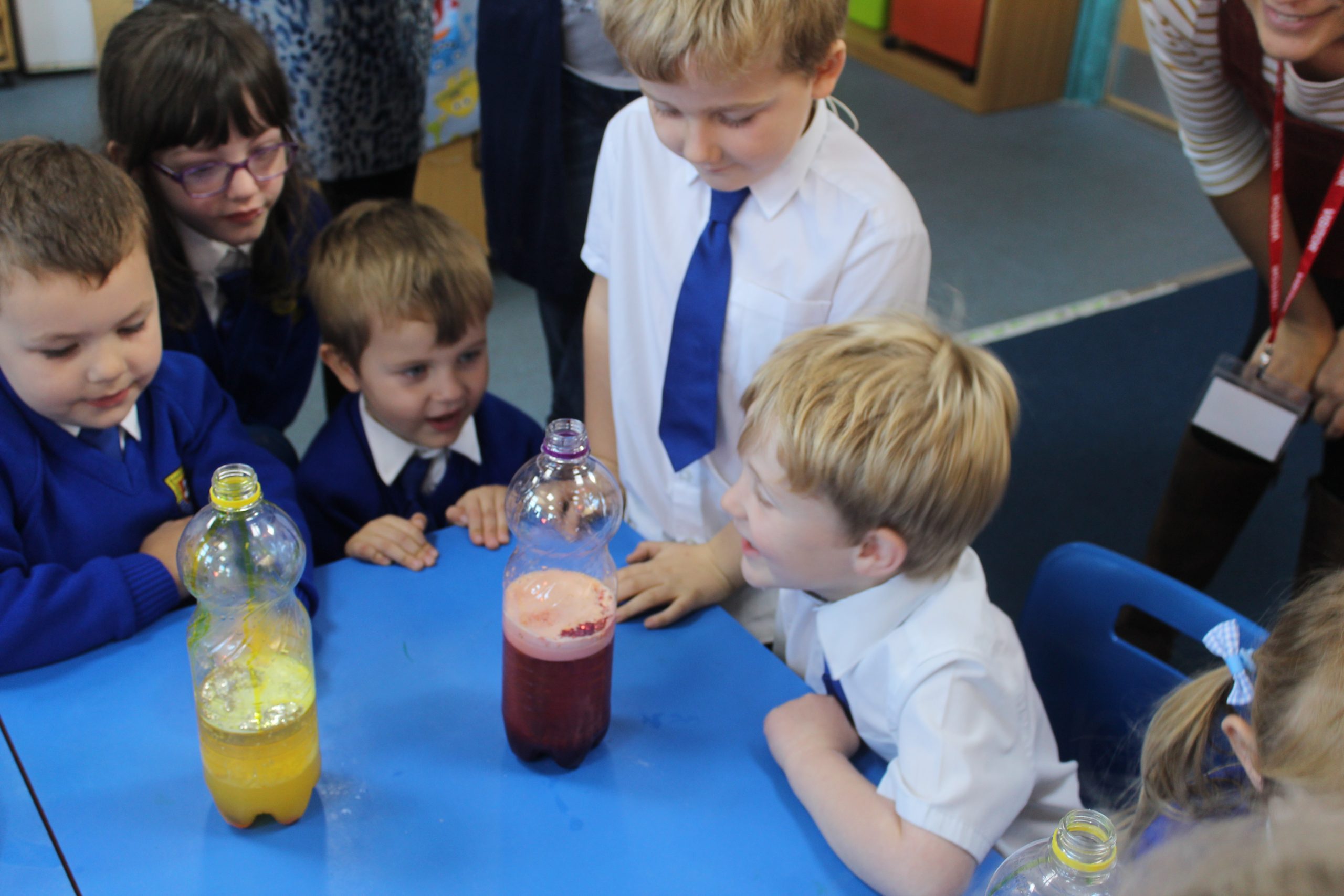
Next we had a go at making some lava lamps. We put some water and oil into a bottle and then Mollie added some food colouring to each one. Some children also added some glitter to make the lamps sparkle!

I liked putting the glitter in. I chose silver sparkly glitter – Lola

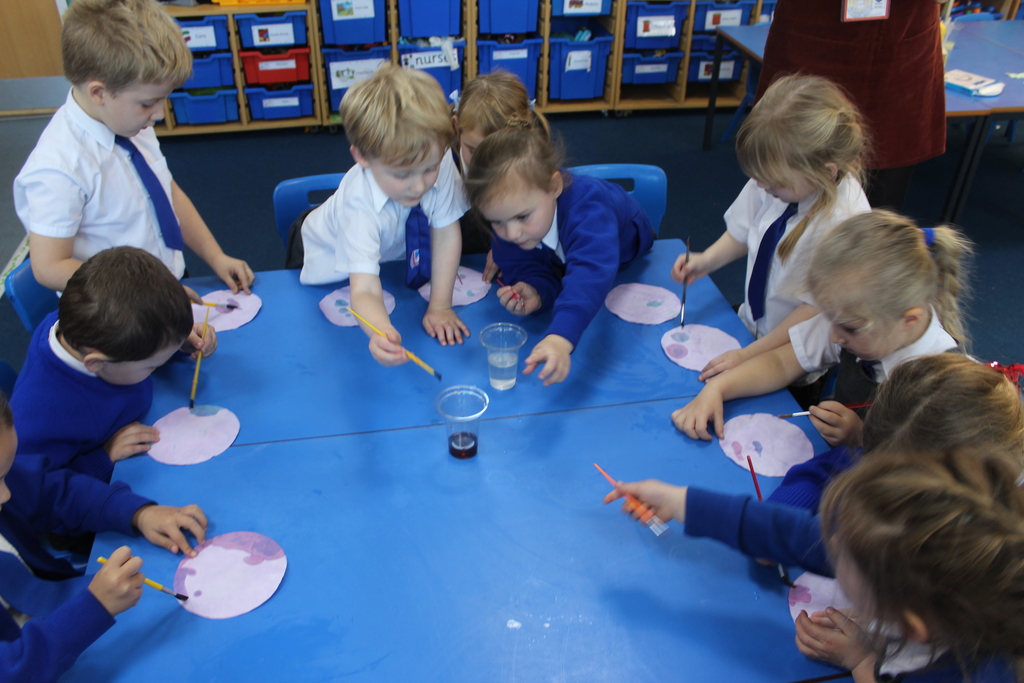
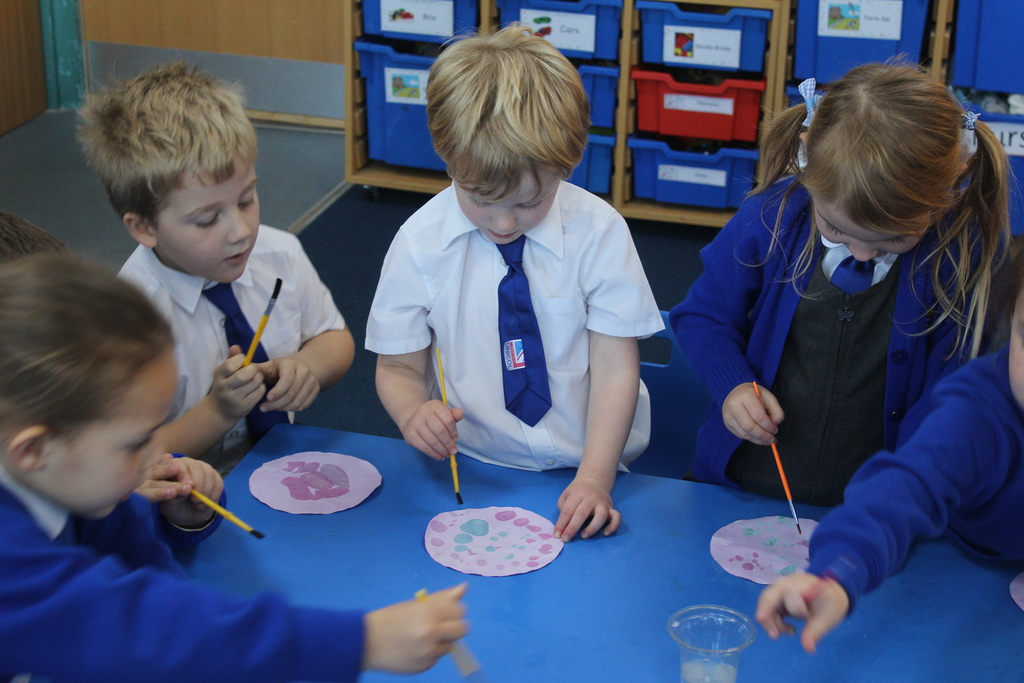
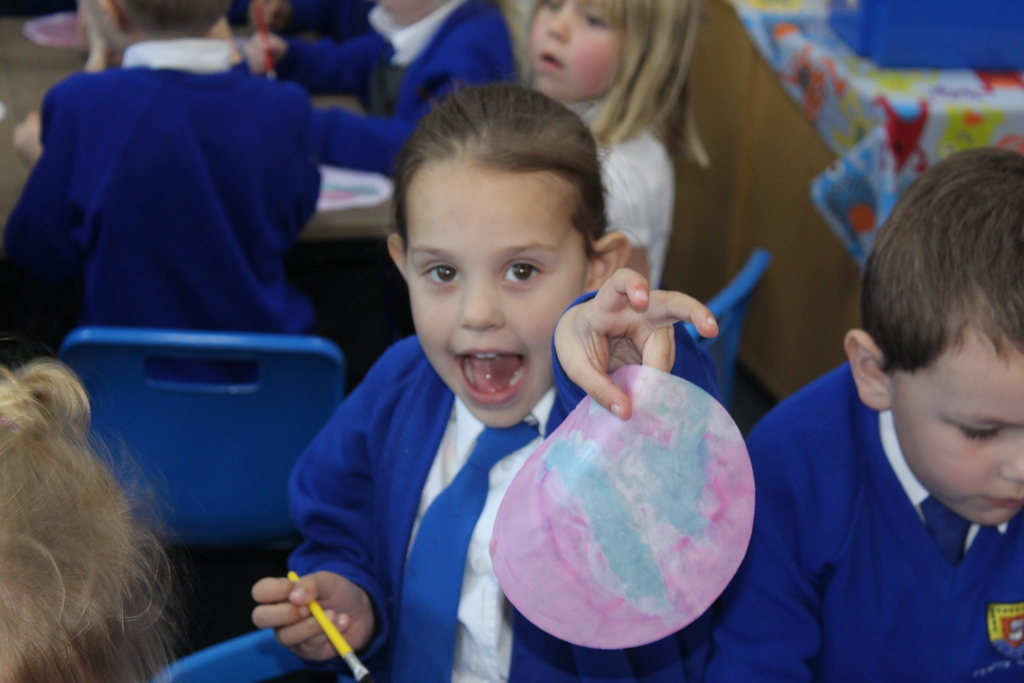
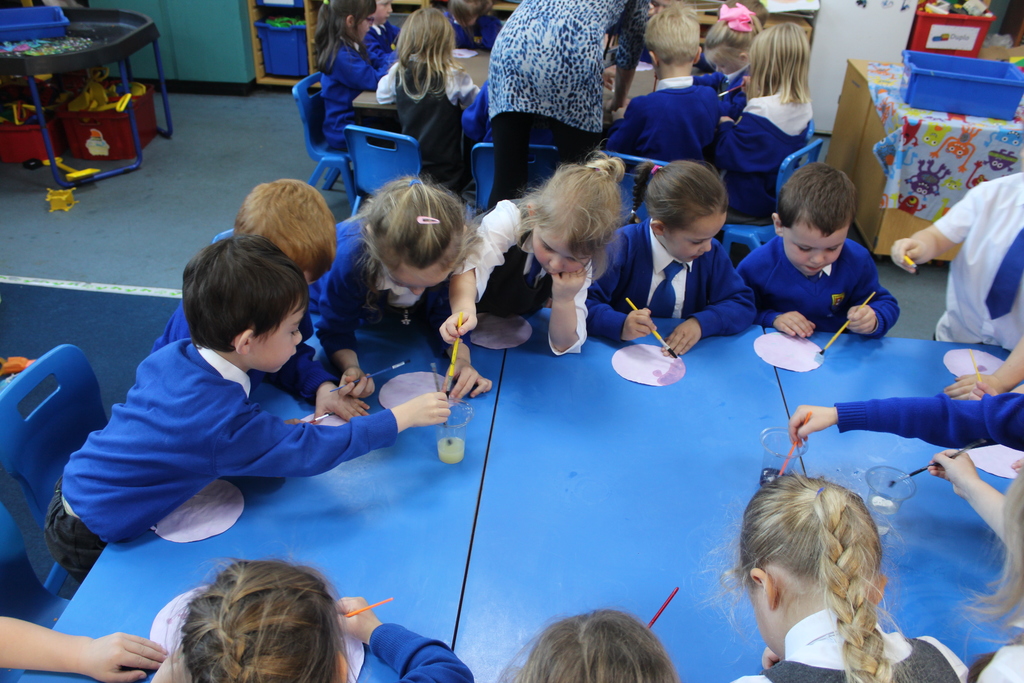
In our final experiment, we had some special filter paper which we dyed with red cabbage to turn purple. When the paper had dried we had great fun using lemon juice, vinegar and bicarbonate paste to paint on the paper. The children were amazed to see how the paper changed colour when they painted it (lemon and vinegar turned the paper pink, while the bicarbonate turned it blue!)

We had great fun with our science experiments and would like to say a big thank you to Mollie for visiting us in Class 2!

Special Visitors for Year 2

Mark’s Ark arrives at Penpol School

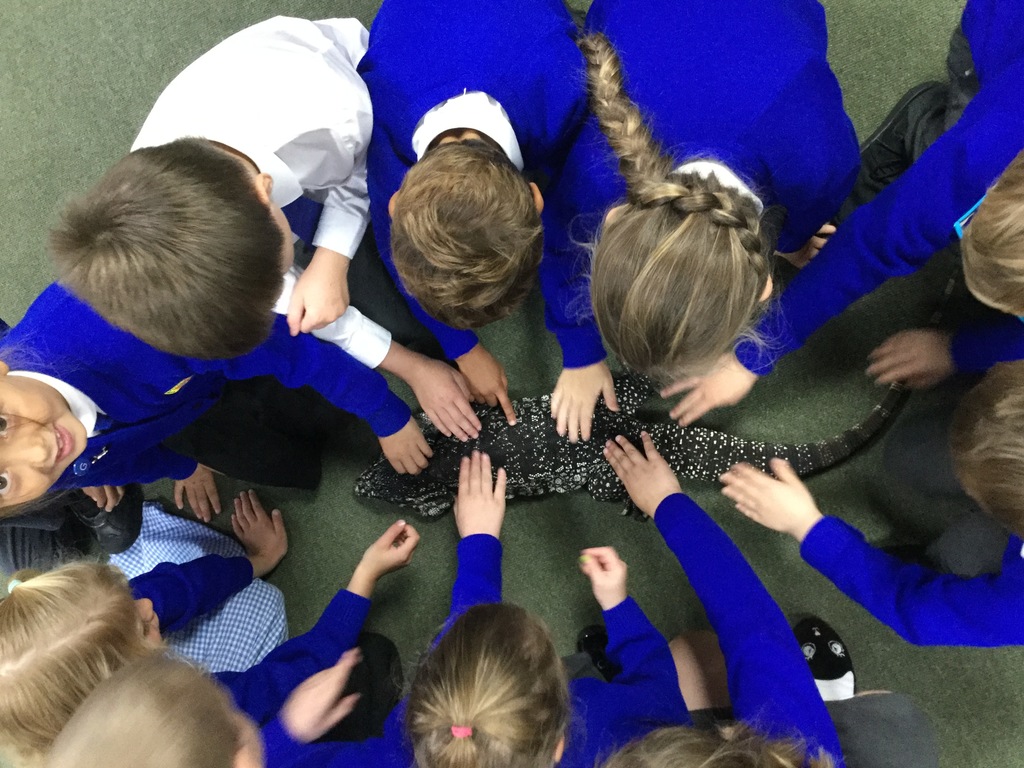
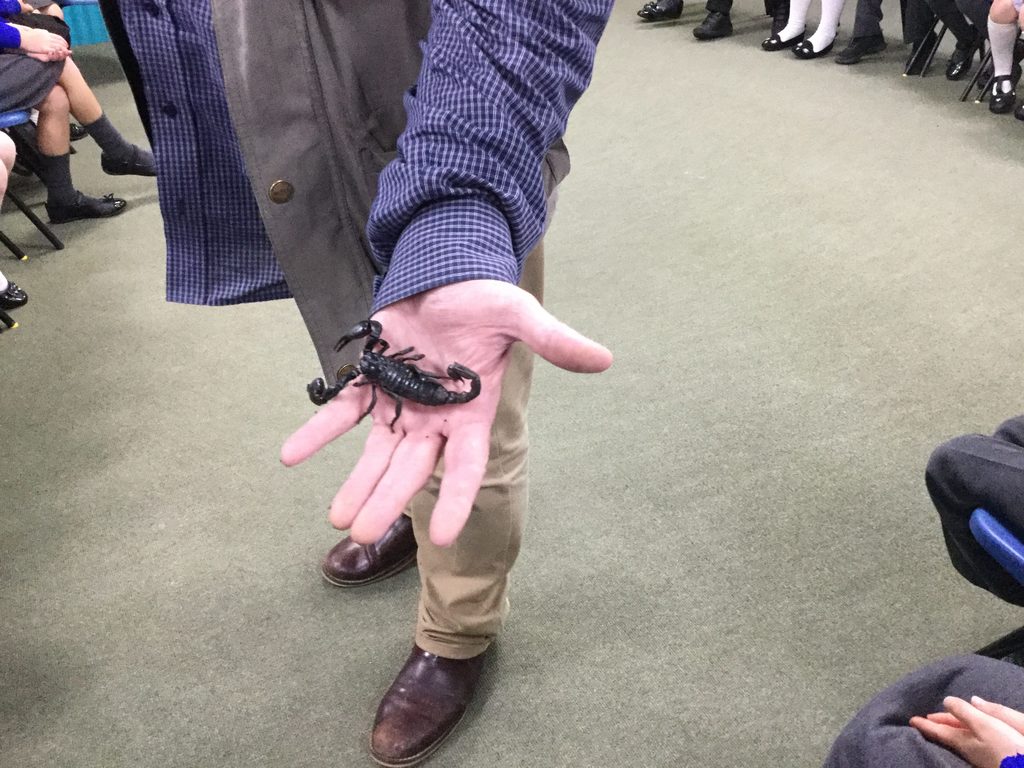
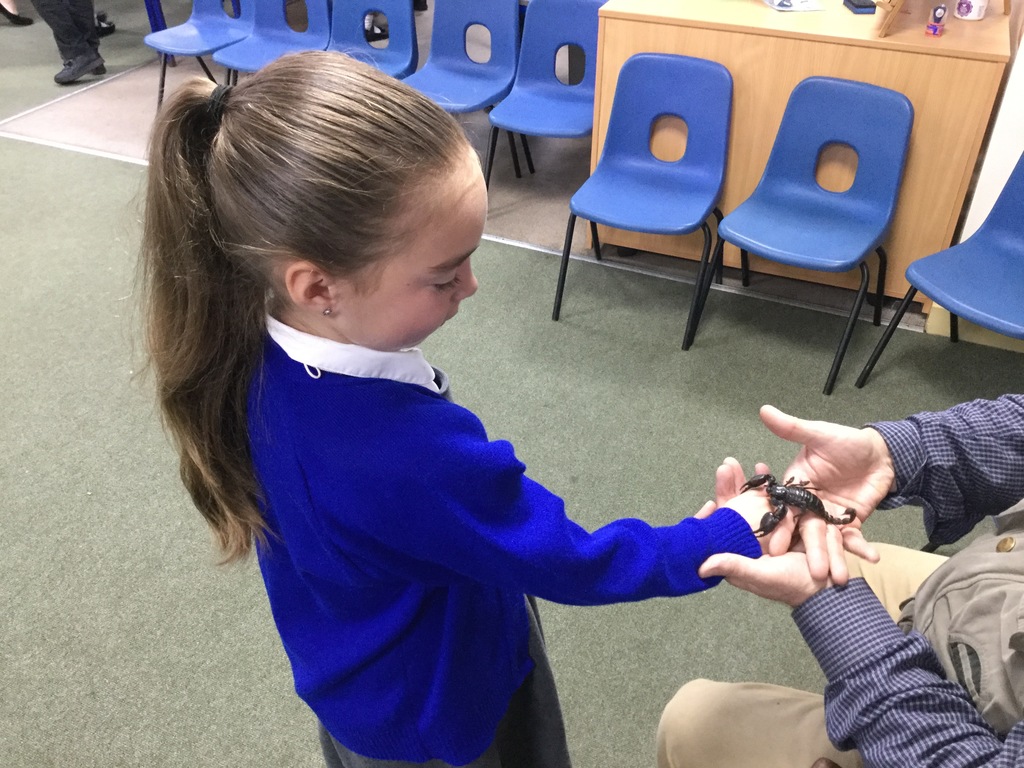
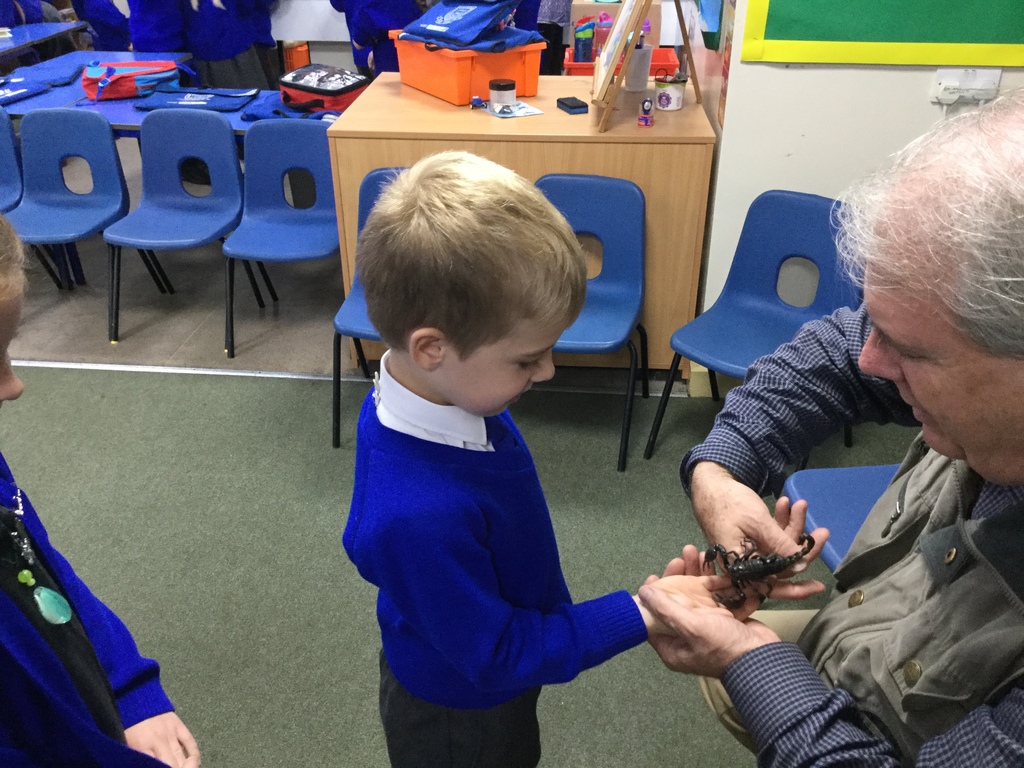
To coincide with their ‘Science’ topic “Animals including Humans’, Class 5 and 6 invited some unusual visitors into their classroom.

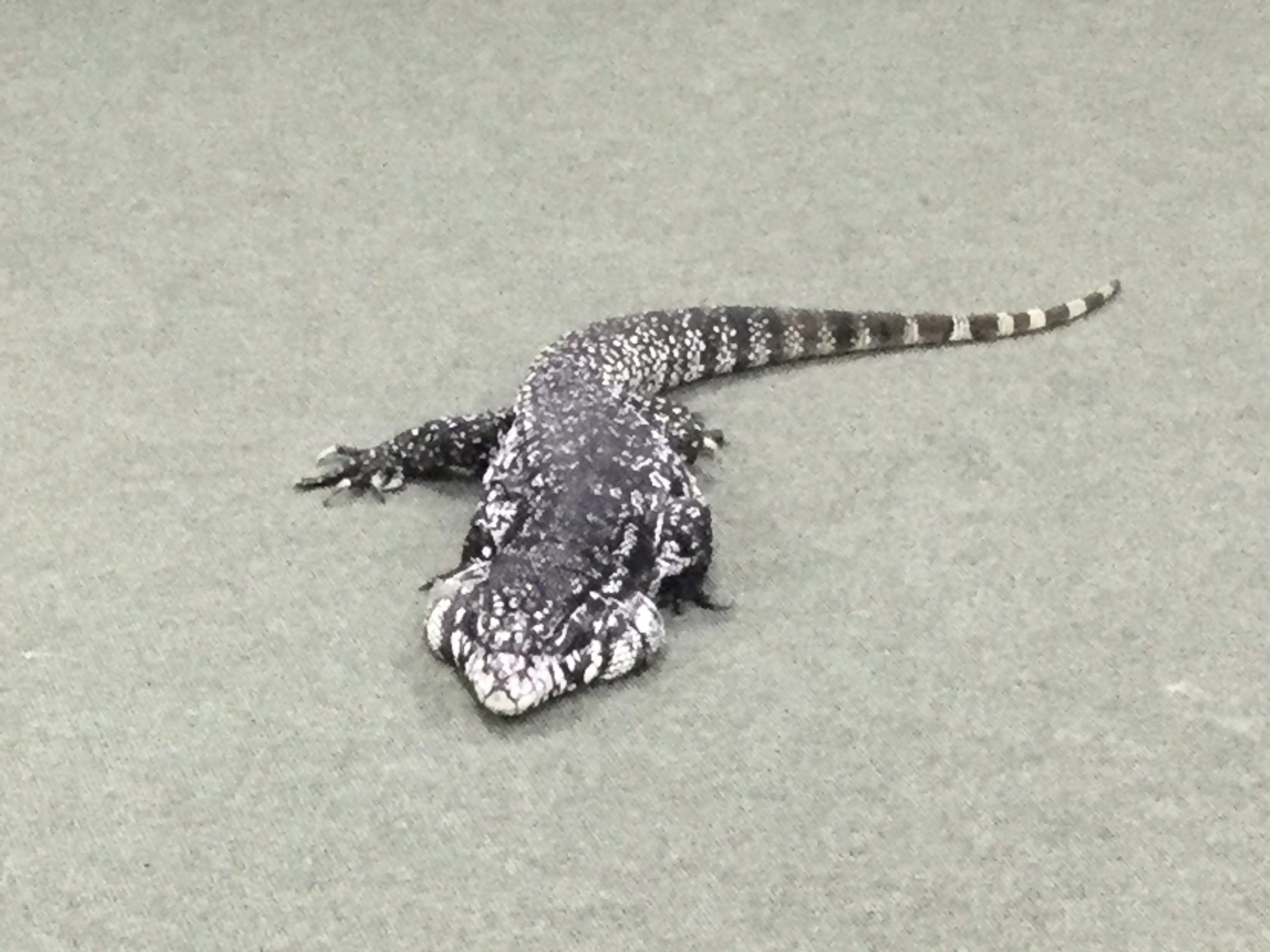
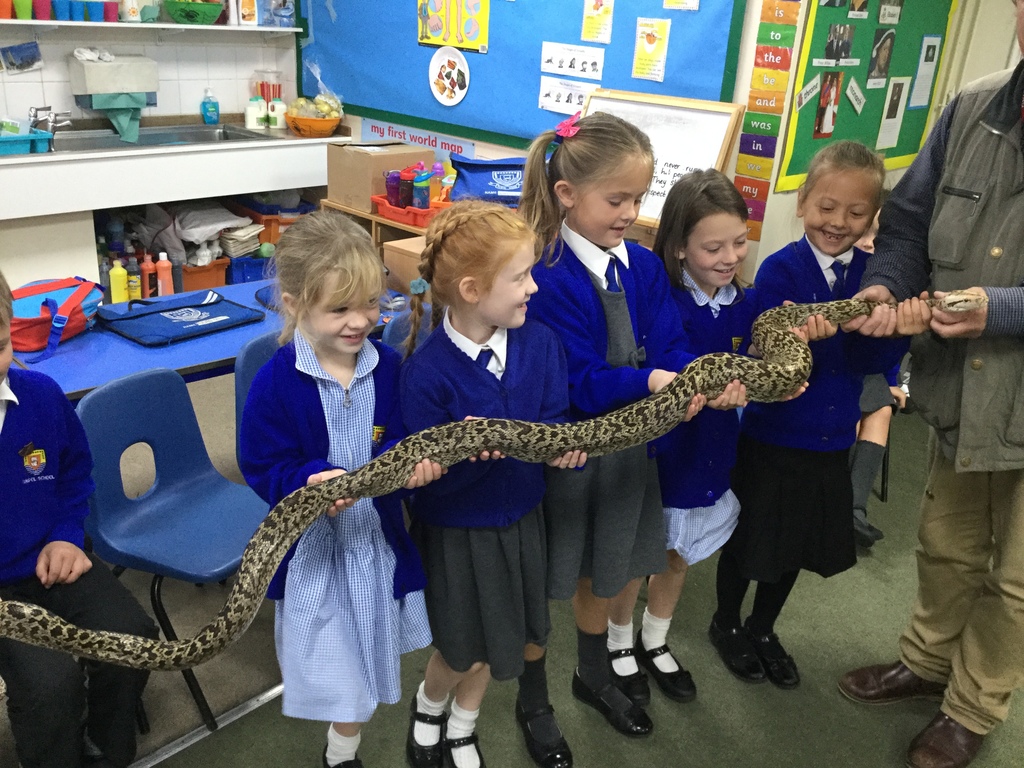
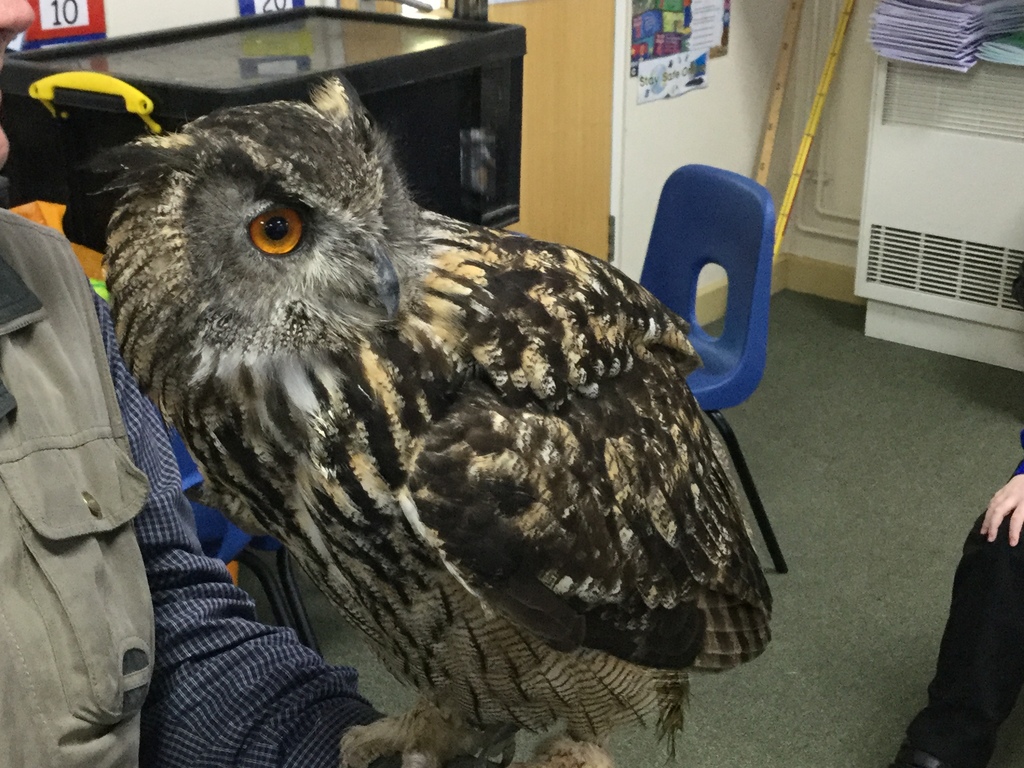
During the visit, the children heard a lot of interesting facts about how animals use their senses to stay alive and for those who were feeling very brave, were given the opportunity to handle and stroke some of the animals.

Lily and Zackery feeling very brave

The snake felt all cold and soft – Mia


I felt really scared to hold the snake and then I felt brave – Lily


The owl was my favourite because it looked really soft and cute – Abigail


Class 4 have an Art Attack!

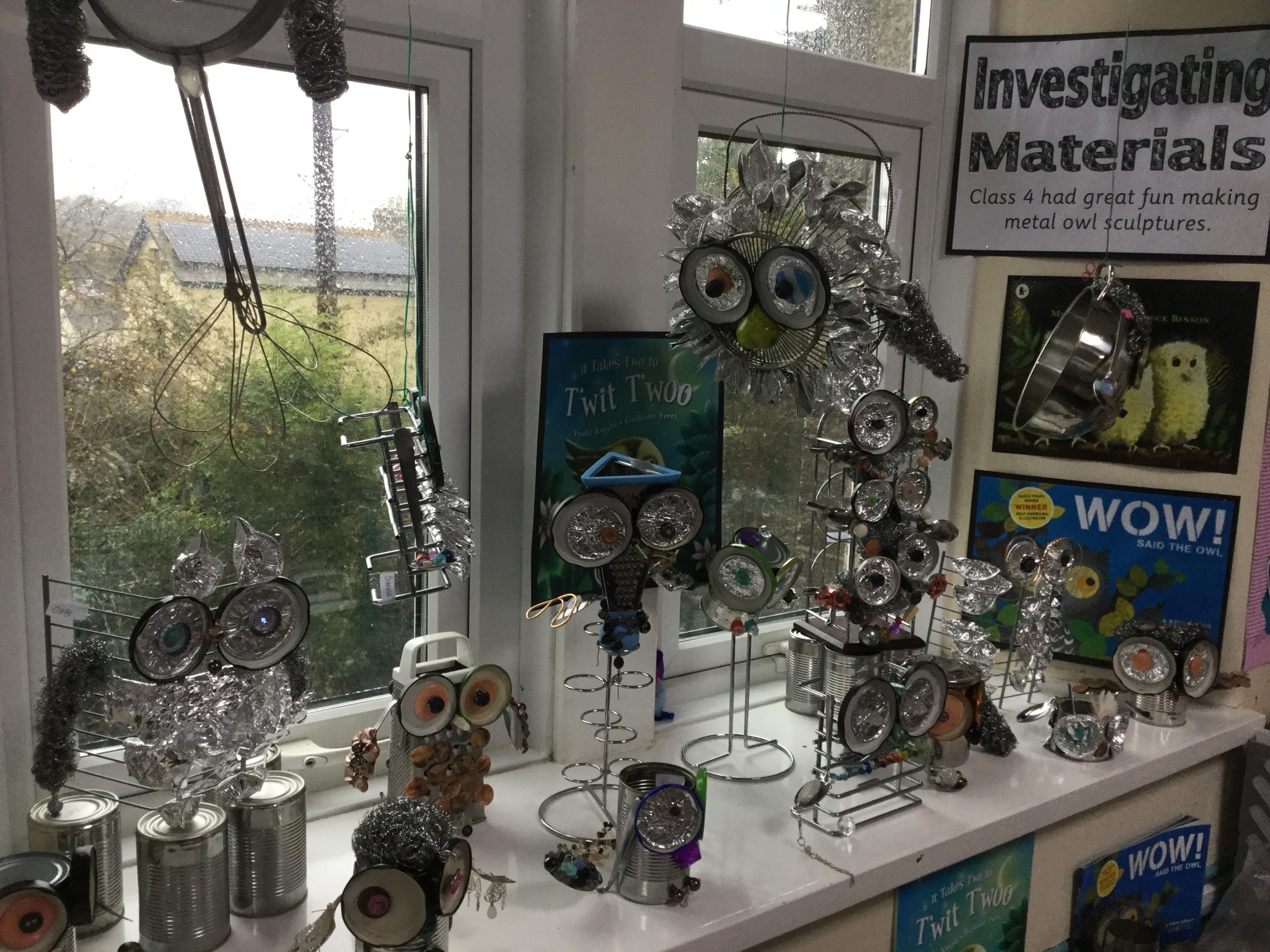
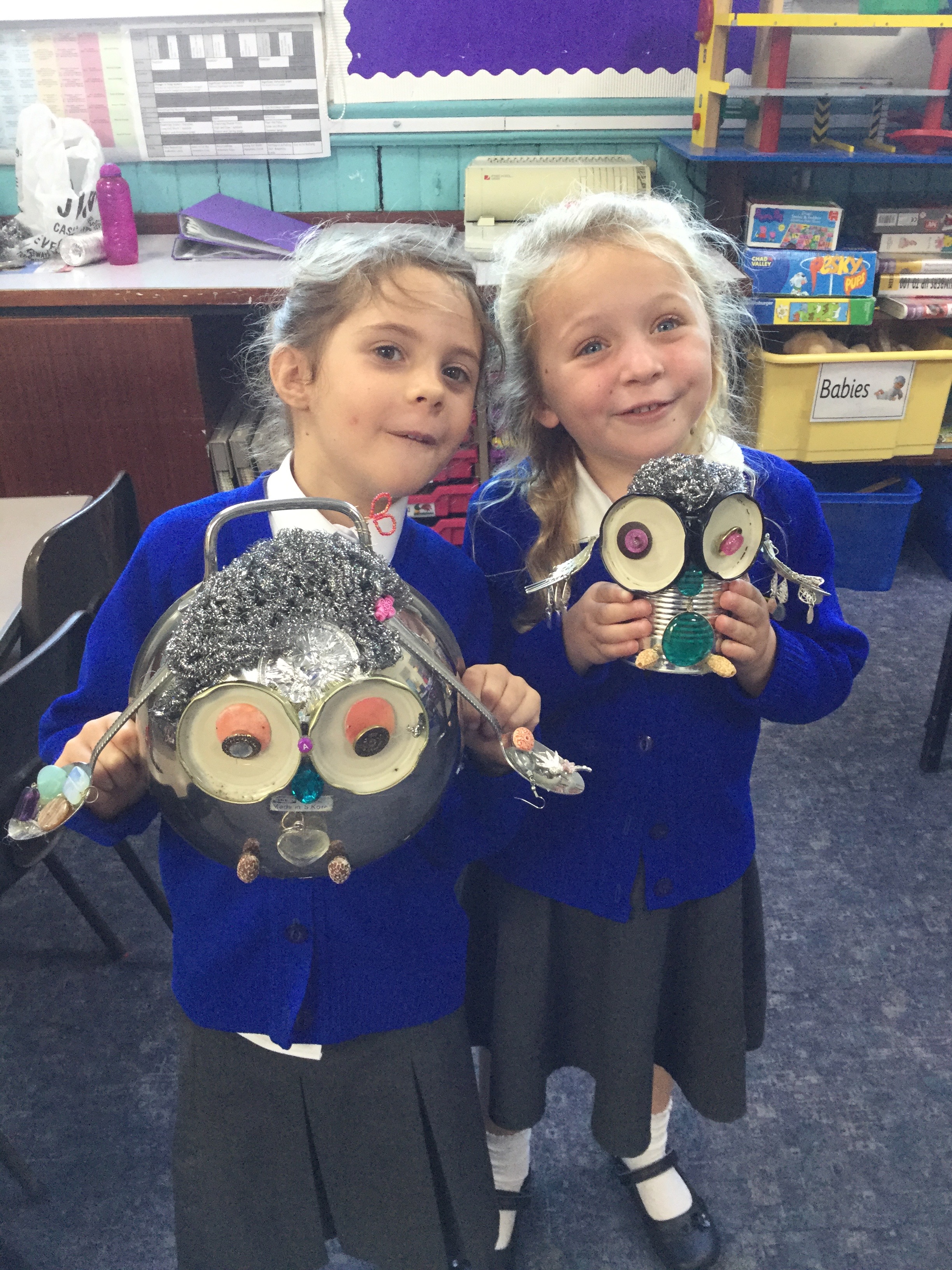
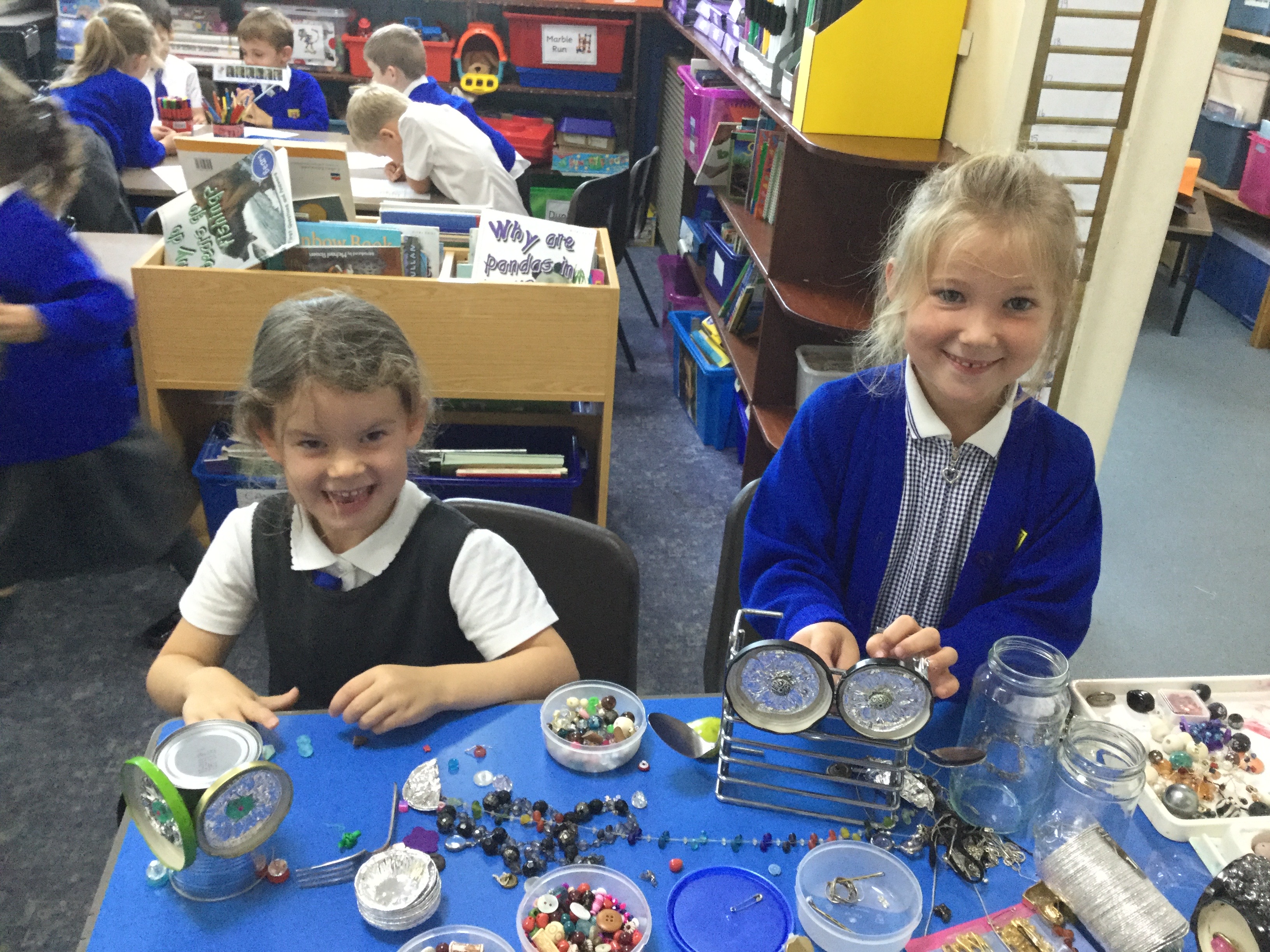
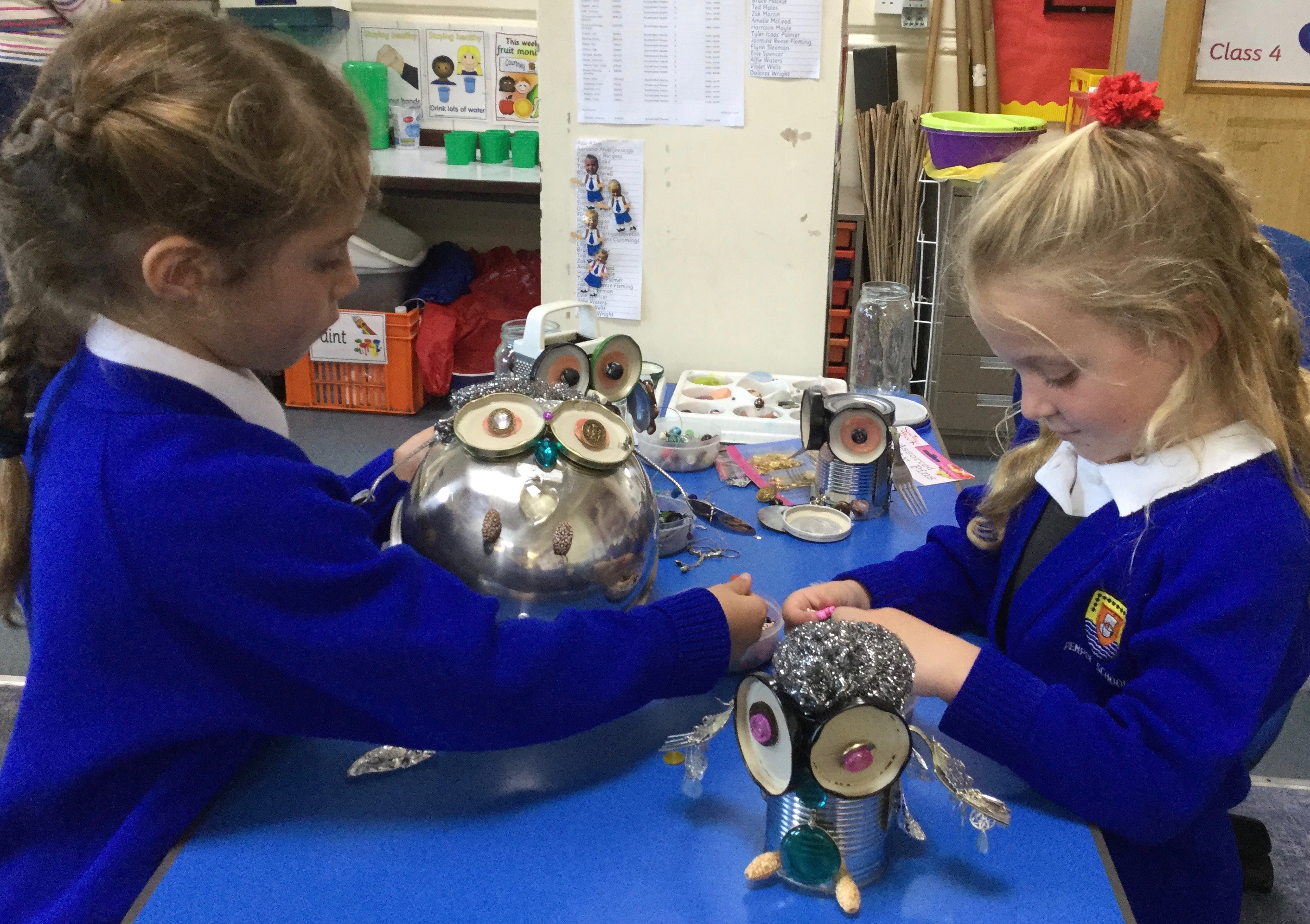
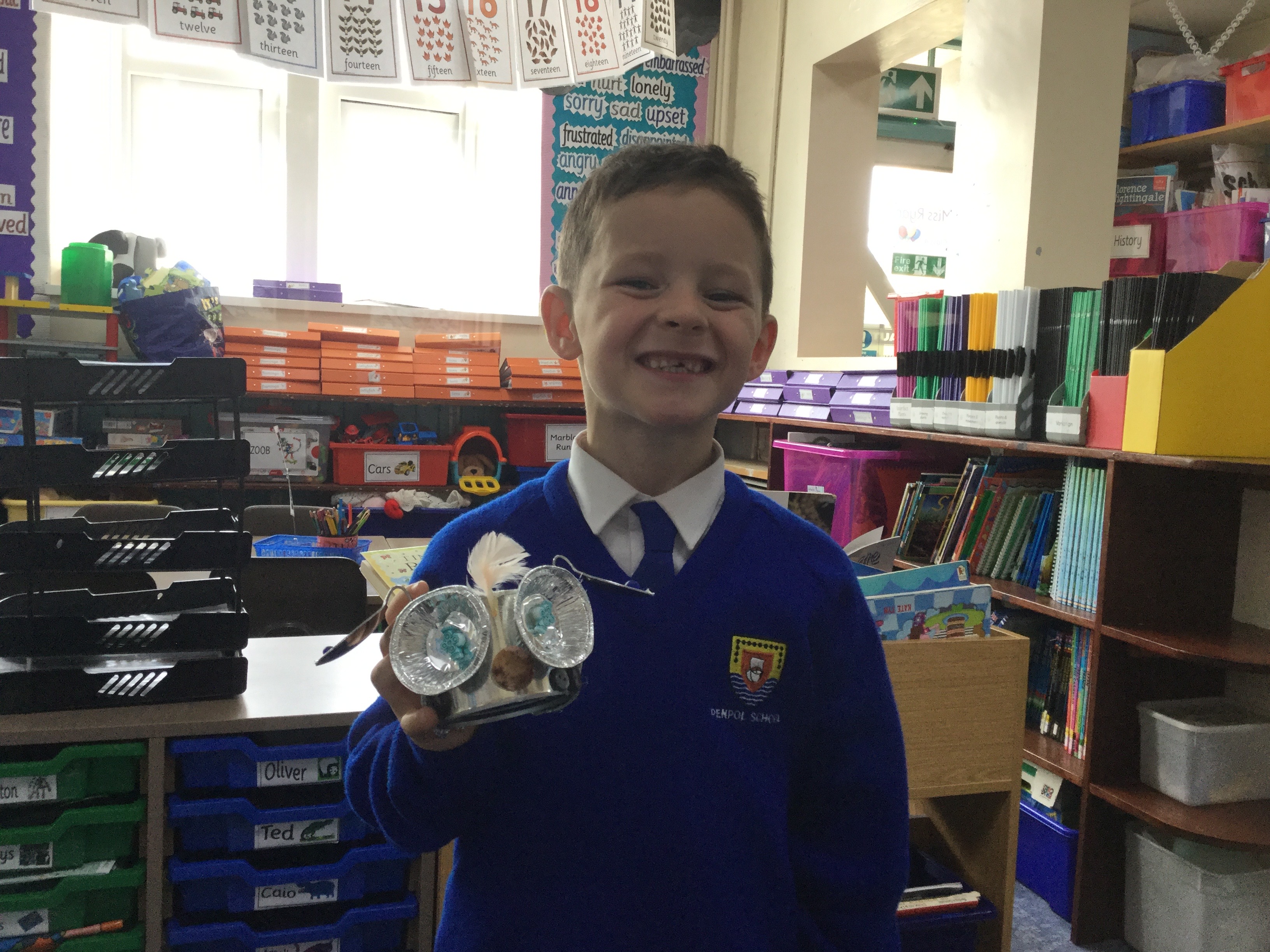
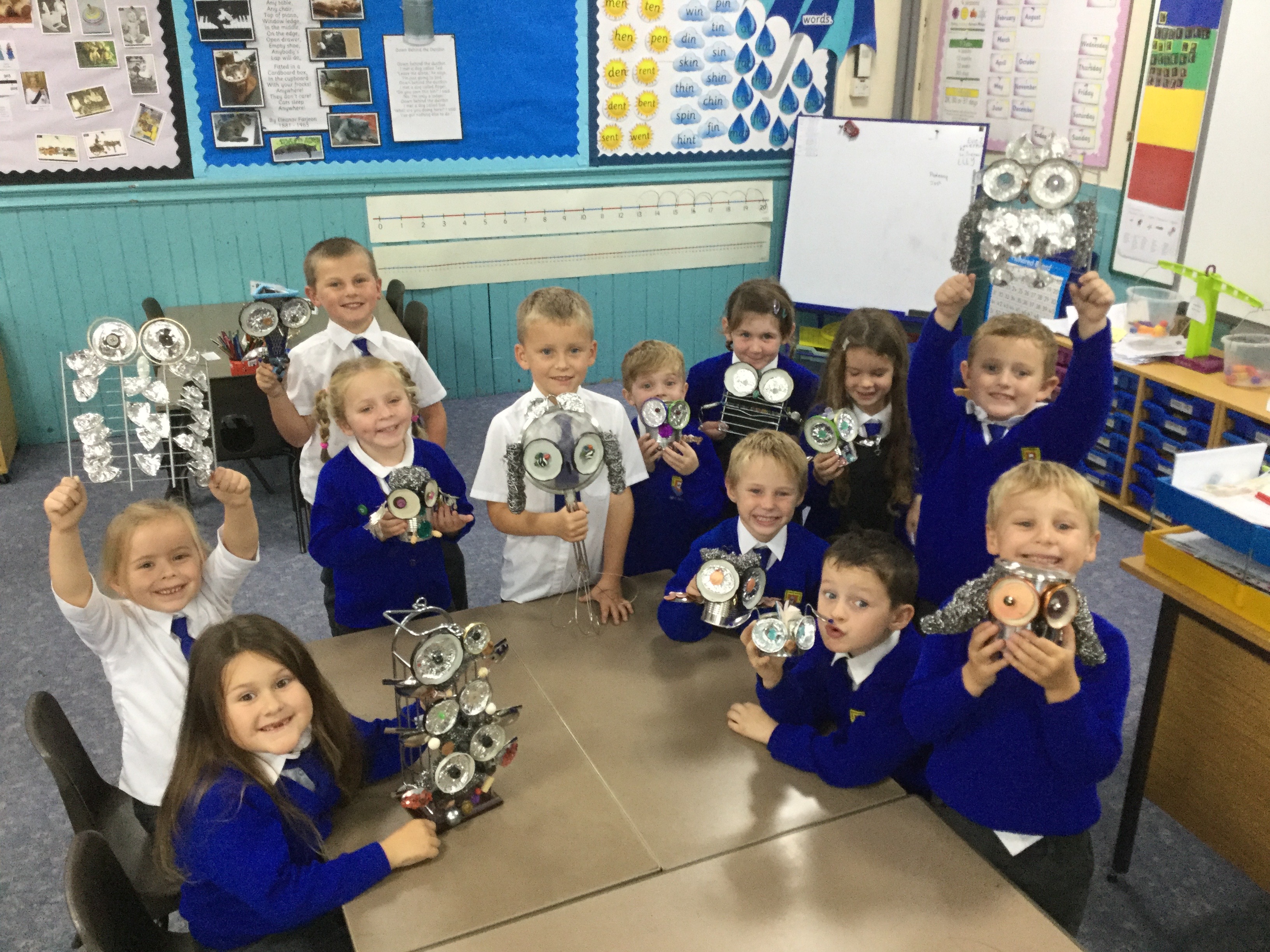
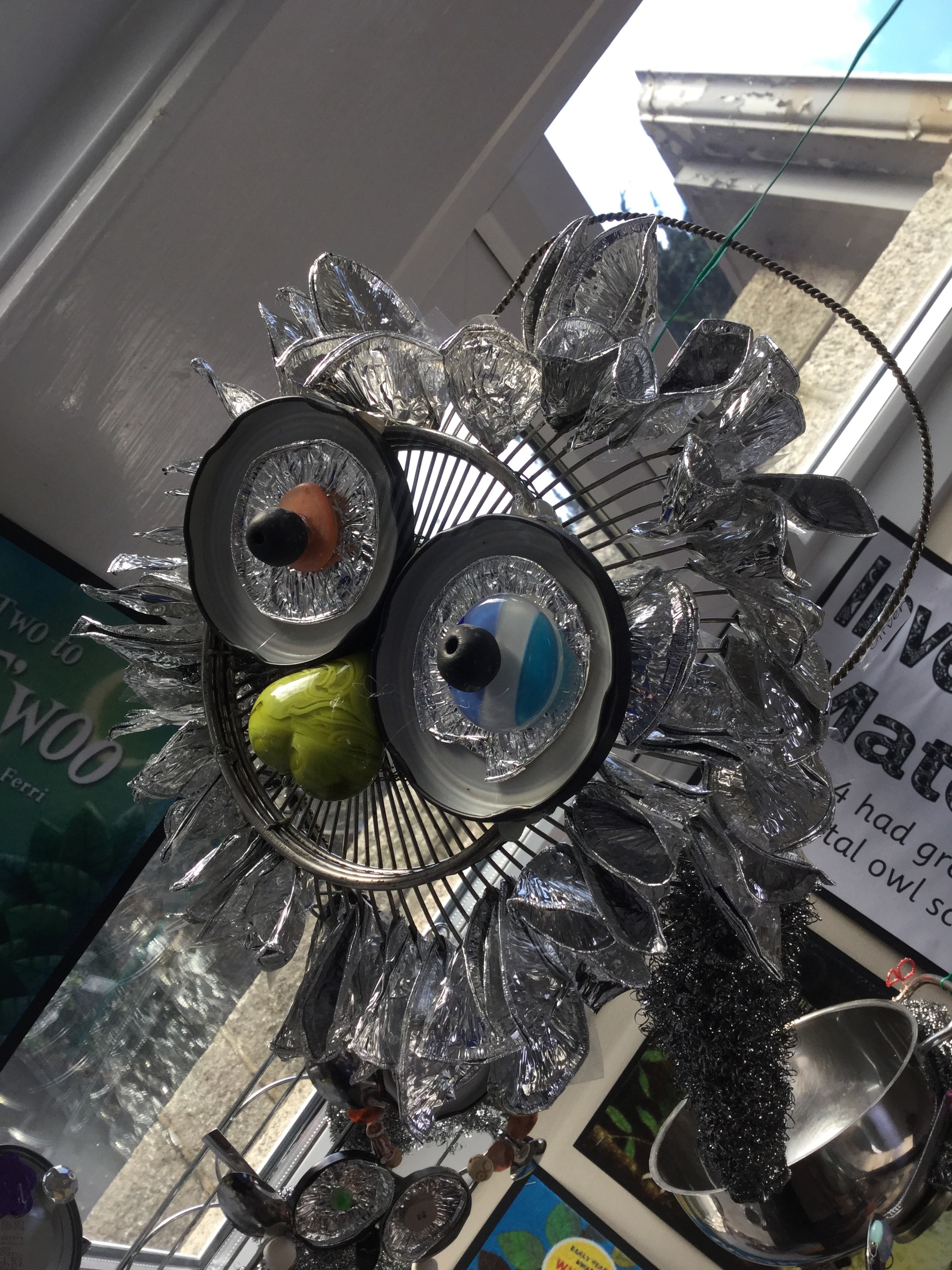
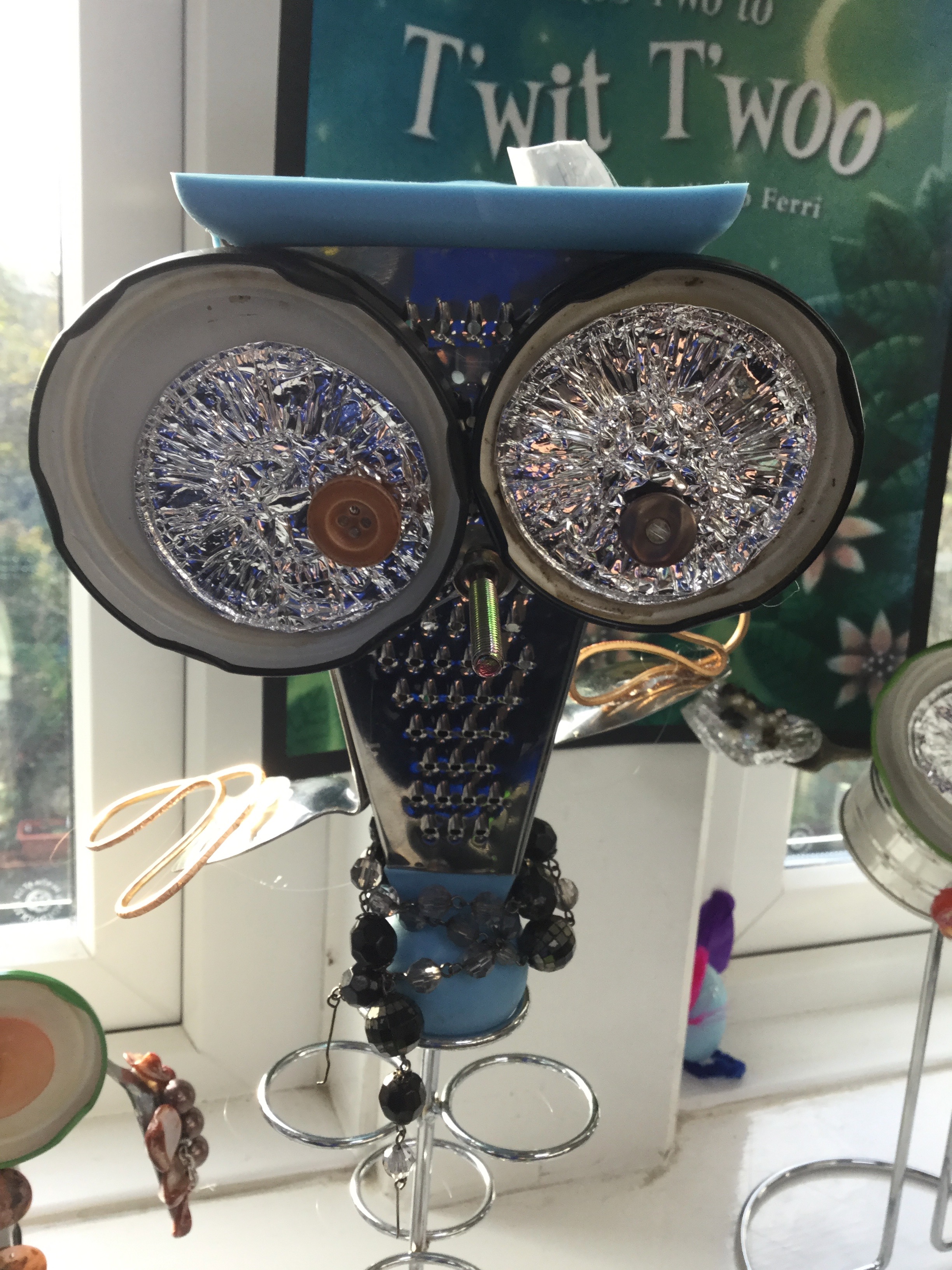
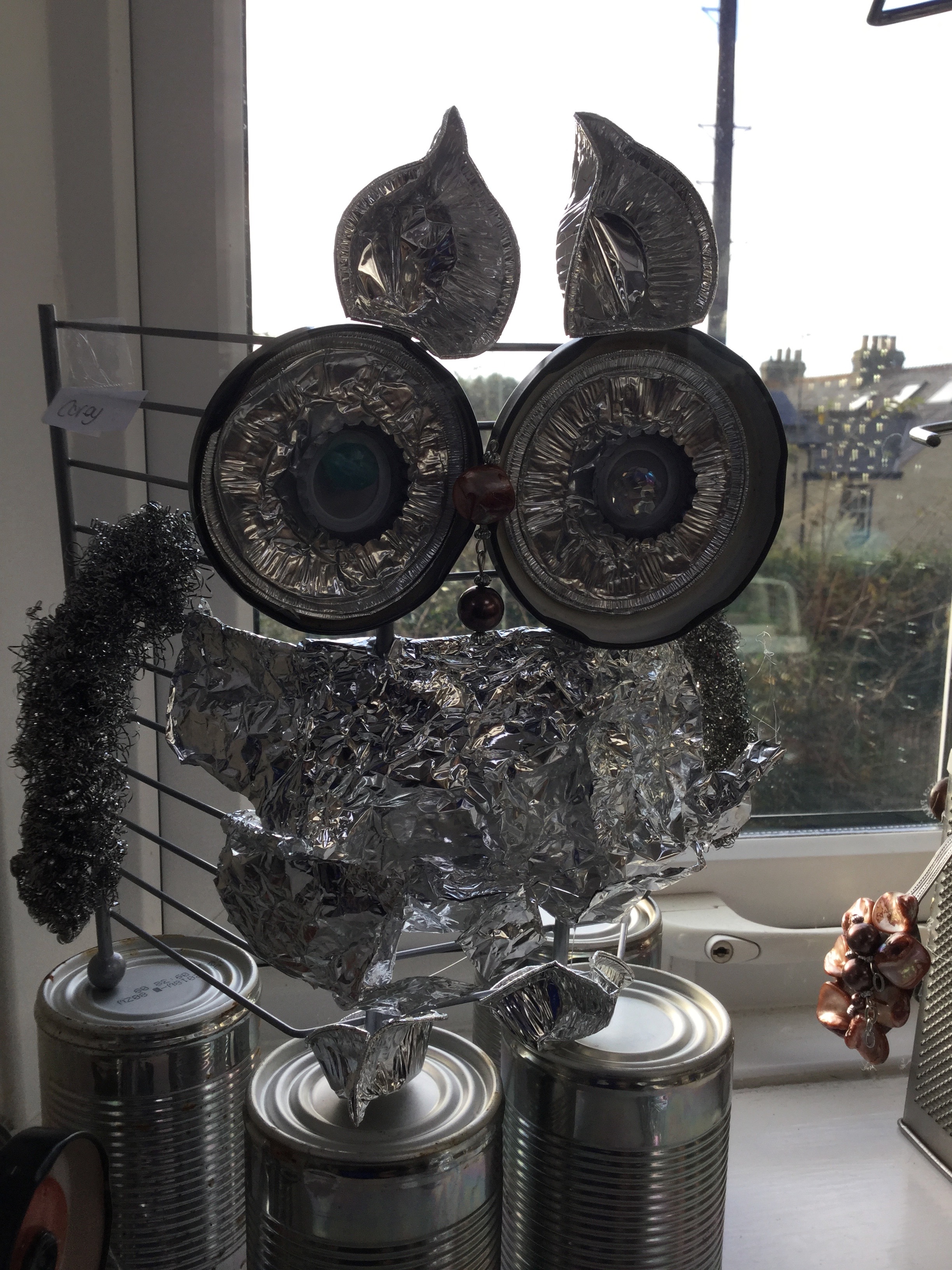
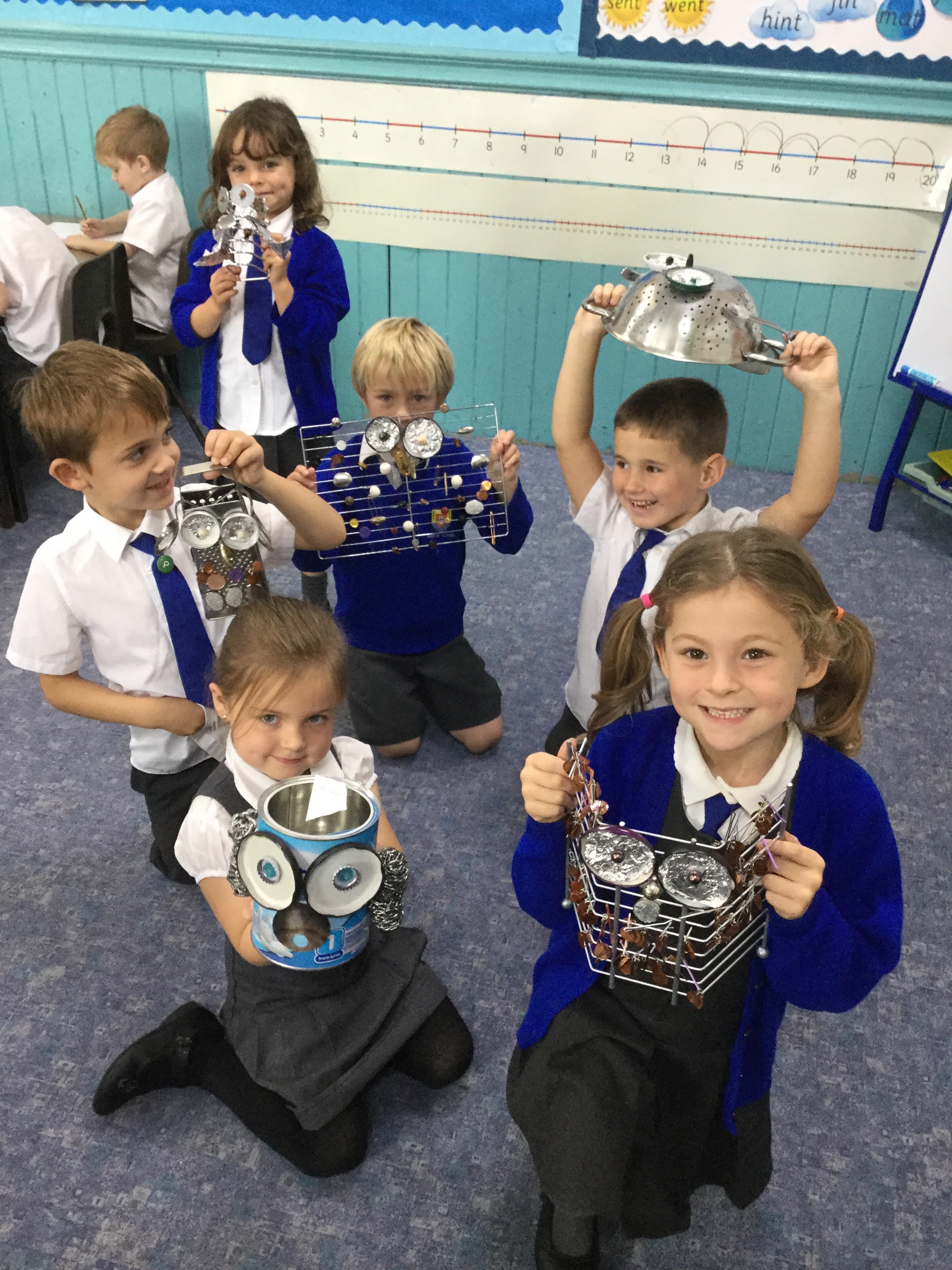
Class 4 love art! They have been having great fun investigating materials in their art lessons and have been making metal sculptures using everyday objects including cheese graters, cutlery, tin cans, mixing bowls and anything else they can get their hands on! Check out their fantastic owl creations!

 I love the metal feather bits on your owl Lily. Can I help? – Alfie

Evie and Sienna are really happy with the way their owls are turning out. They are using jam jar lids for the eyes and sticking on squashed foil cases and beads. They’re looking great.

I like my owl. I want to take it home and show my mum. – Tyler

Ada and Flora help each other choose the best buttons and beads to stick on to the wings.

I love my owl. I brought in my sieve and my whisk from home and Mrs Anthoney helped me stick all the bits together. – Zak

I am really happy and so proud of the children. They put in a lot of hard work and were very creative. I think their owls look fantastic! – Miss Ryan

Owl Facts

  1. Owls live in barns, trees, old buildings and tunnels.
  2. Owls eat mice, rats, birds, raccoons, skunks, snakes, squirrels and other small mammals.
  3. Owls can’t digest bones, fur or feathers so they spit it out.
  4. Owls have sharp beaks that they use to shred their food.
  5. Owls grab their ‘prey’ with their sharp claws.
  6. Owls don’t make any sound when they fly.
  7. Owls camouflage themselves in the trees.

Year 2 out and about!


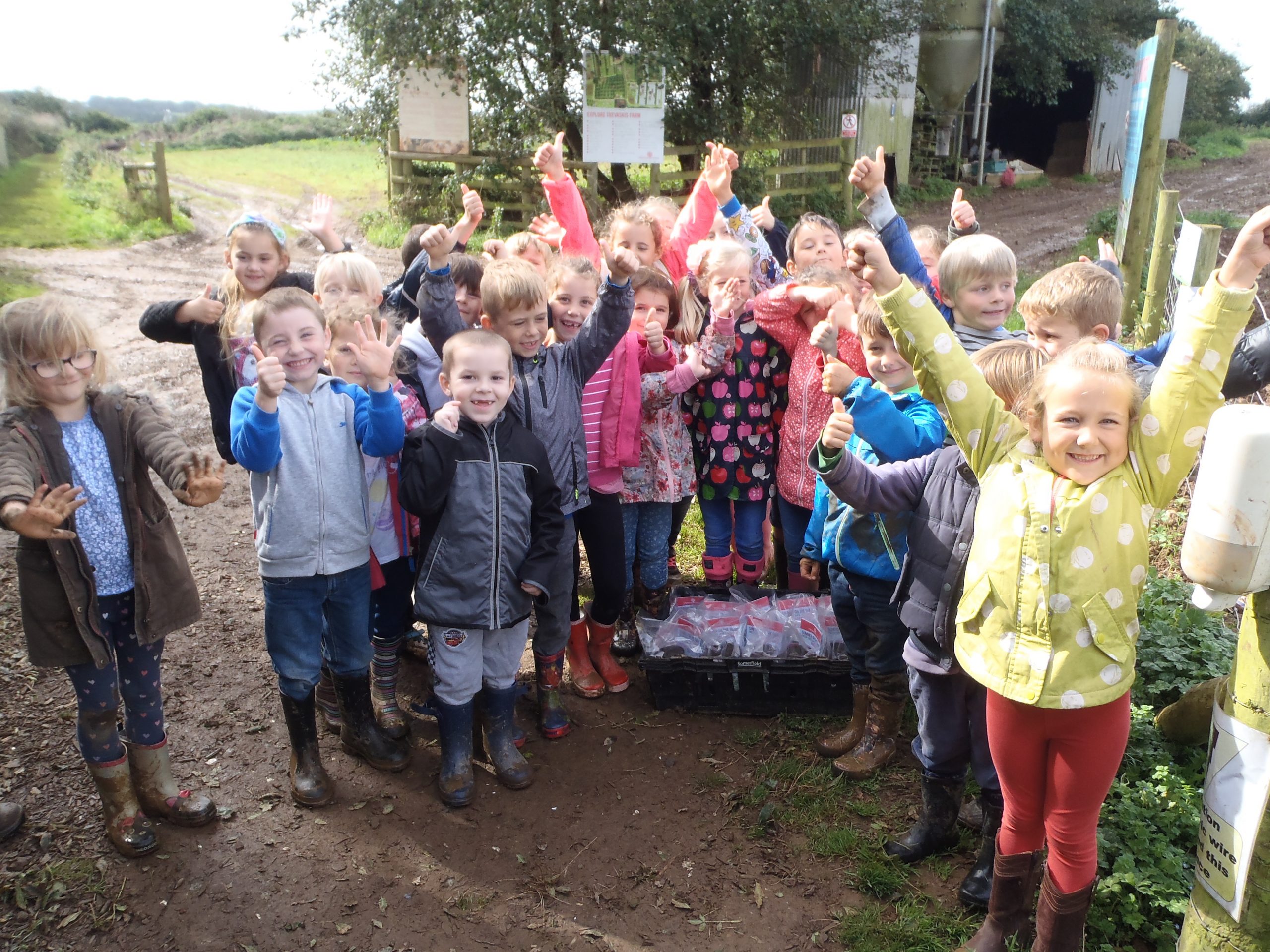
On the 28th and 29th September, classes 5 and 6 visited Trevaskis Farm for a workshop to learn about how and where many of the fruit and vegetables we eat are grown. Did you know that raspberries grow up and strawberries down and out? That the pigs are the award winning British Lop breed and the South Devon cows are exported world wide?


Though dry, it was very, very muddy so wellies were essential but the sows and piglets seemed quite at home!

We also had a talk from the fishmonger and were shown the different types that are for sale. The Gurnard looked quite gruesome!
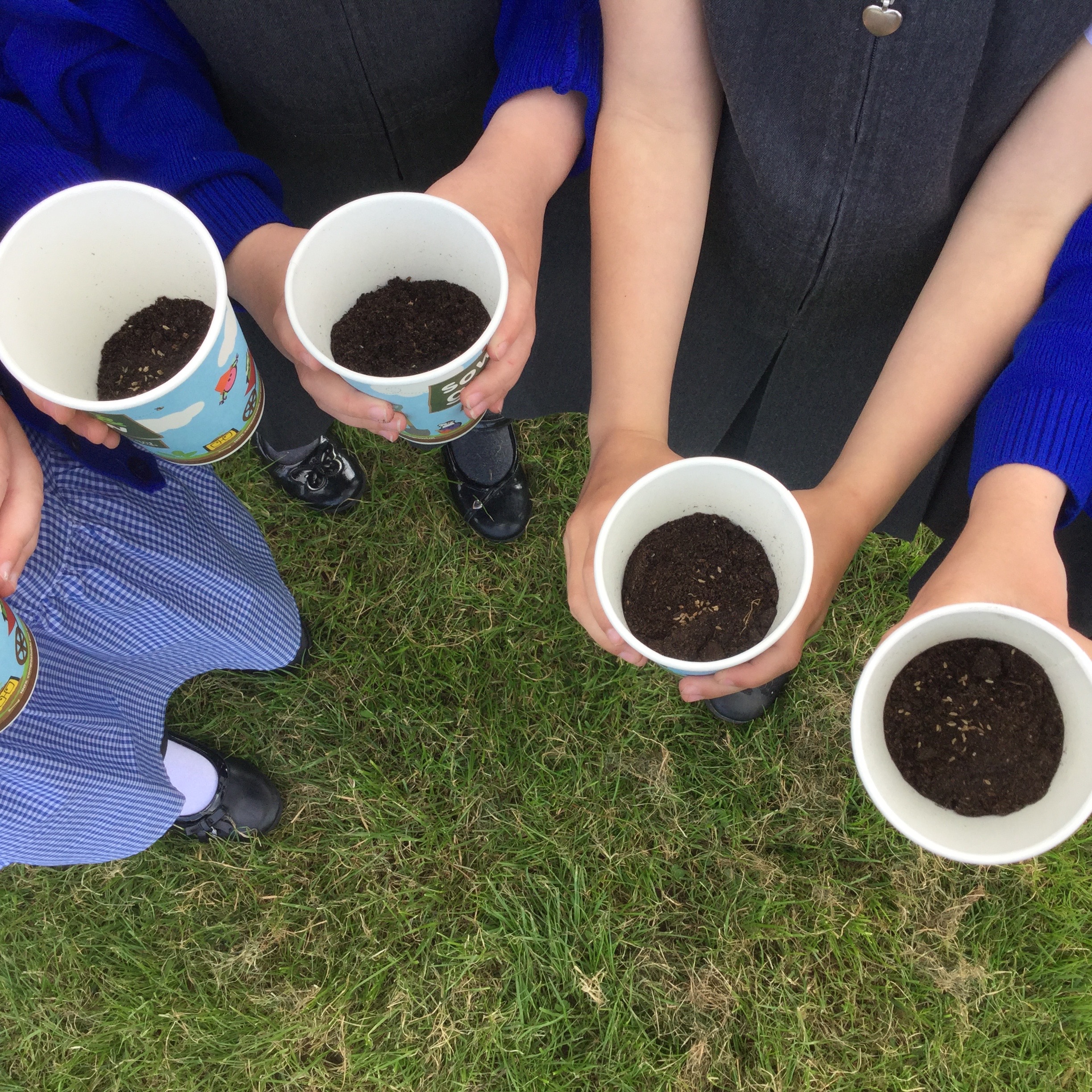
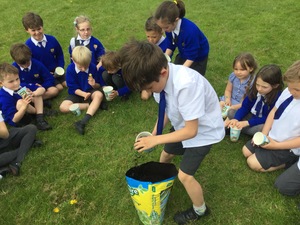
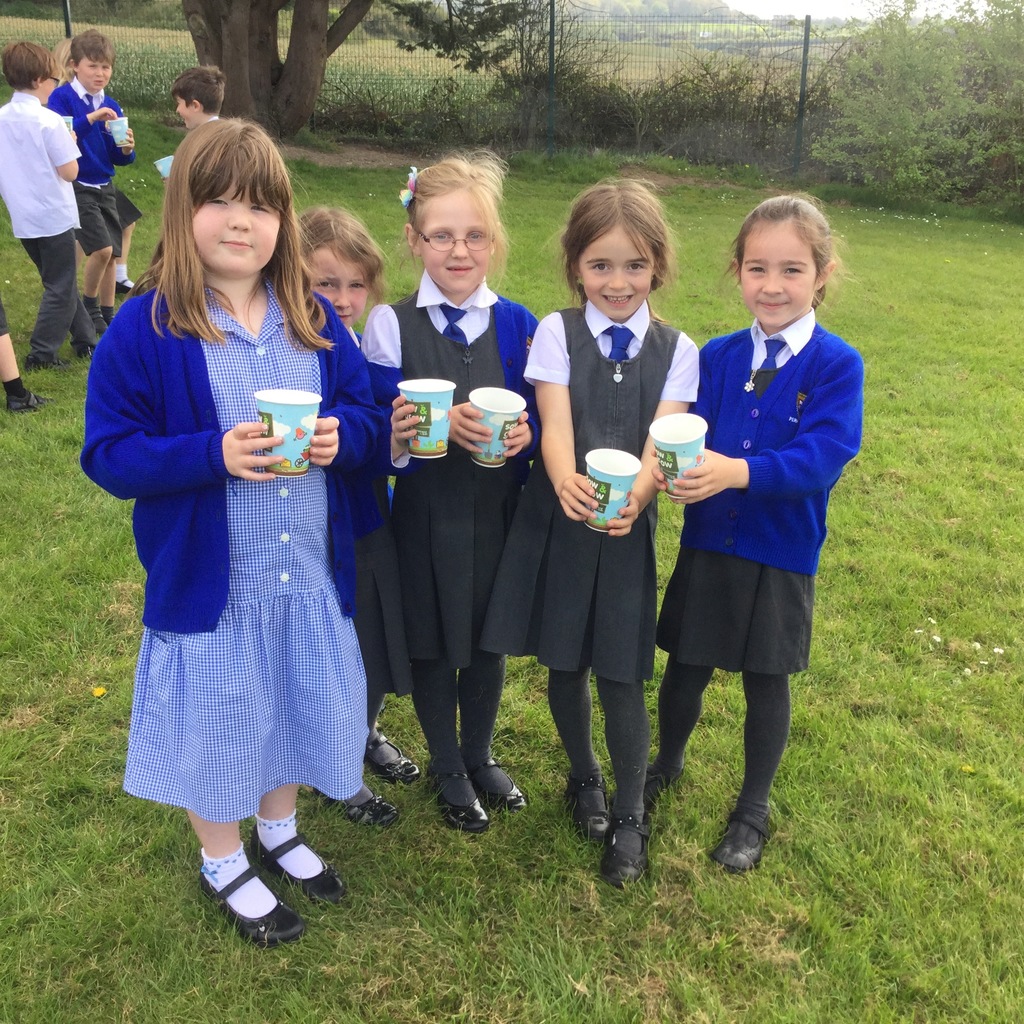
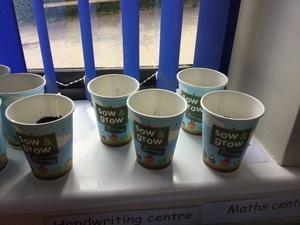
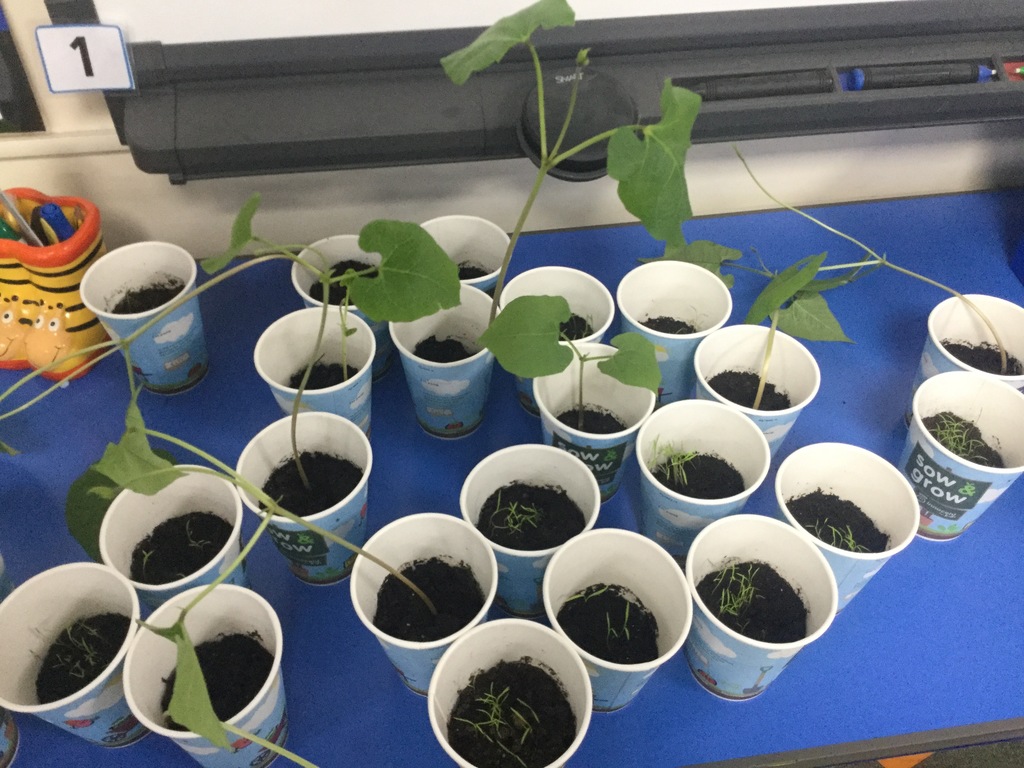
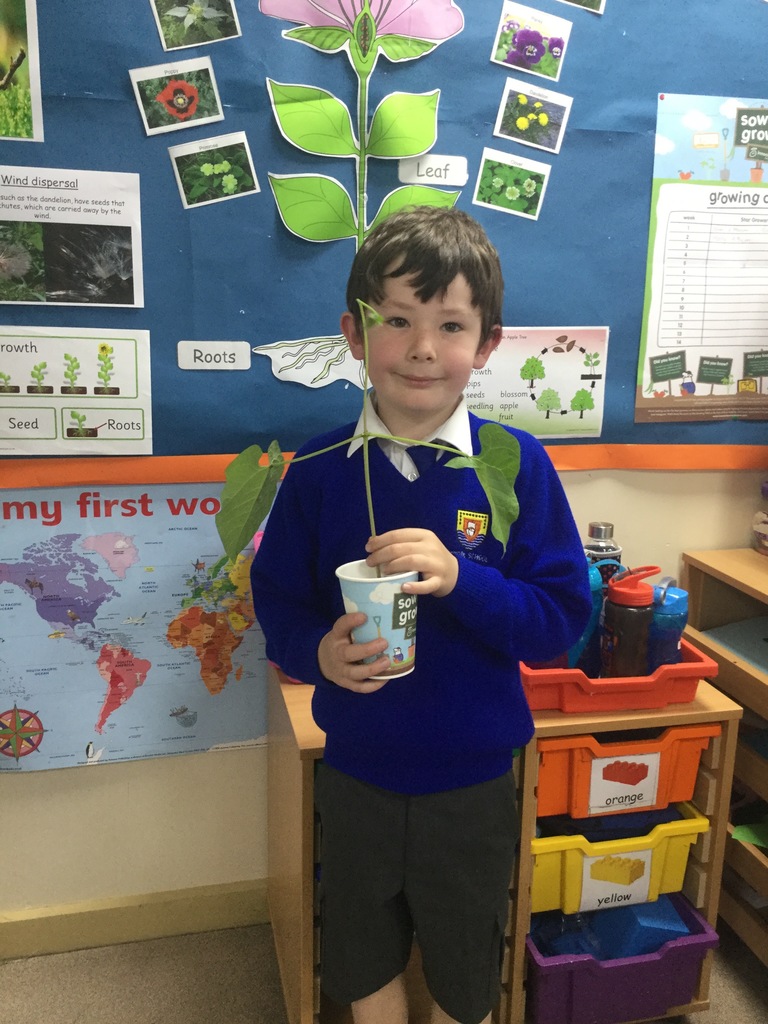
We finished off with a treasure hunt, following the clues around the farm to find a pot with a hidden seedling, we are wondering what will grow!


It was a great day! – Sonny


I loved the piglets but it was really muddy and I fell over! – Josie