














Unfortunately we are having trouble with our phone system this morning. If you need to reach the school please use our backup number of 01736 756915. Thank you.

  • Contact Us

Headteacher
Chris Coyle-Chislett

Email the Office
secretary@penpol.cornwall.sch.uk

Telephone Number
01736 753472

Our Address
2 St George’s Road, Hayle,
Cornwall, TR27 4AH

“Penpol pupils are curious, creative and courageous learners. Our school community believes in authenticity as the foundation of deep-rooted learning. Through our rich and relevant curriculum, we nurture community-minded, forward-facing international citizens of the future.”

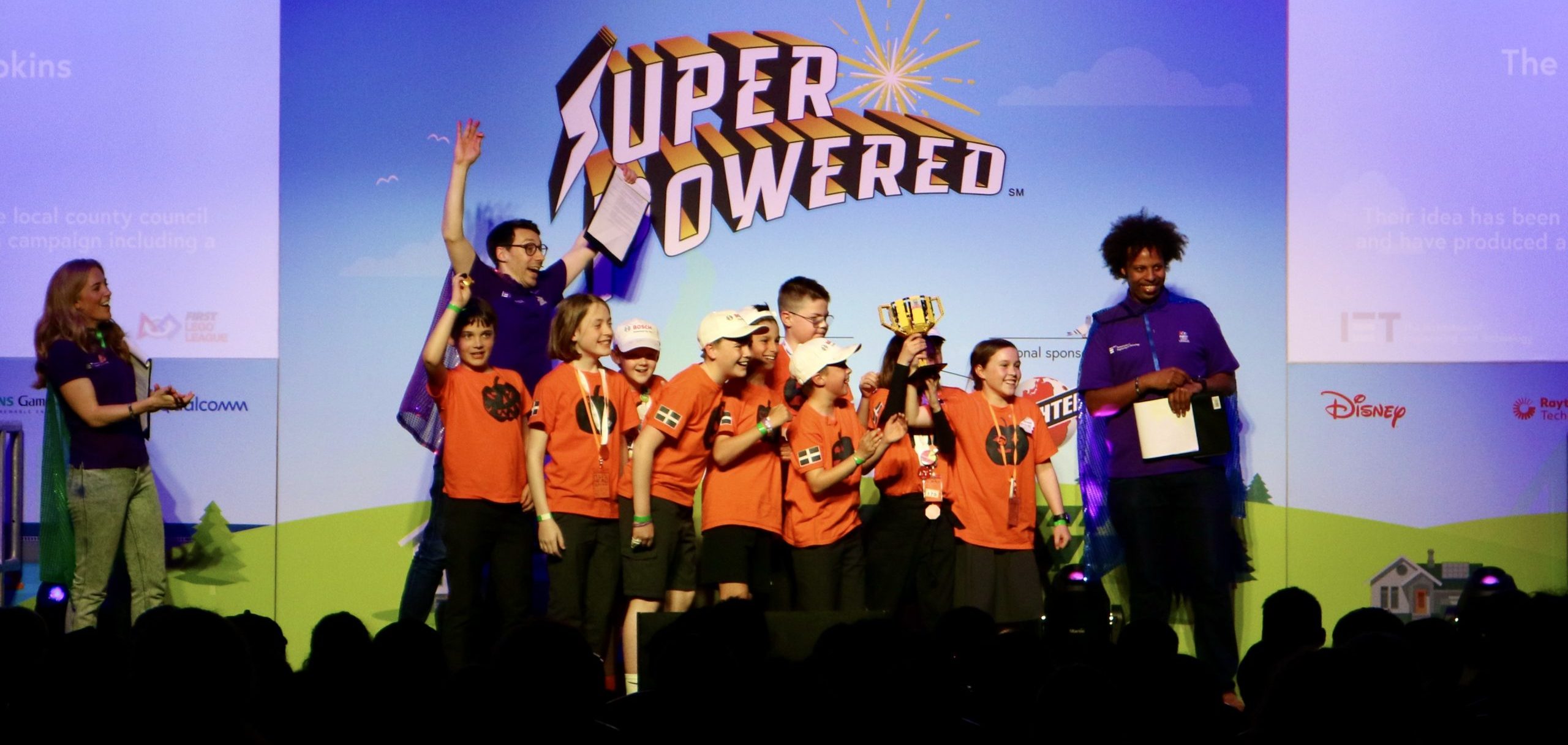
Penpol Pumpkins awarded Best Innovation Project in Great Britain!

For the Penpol Pumpkins the journey to Harrogate for the Great British finals started over a year ago.

In fact, I’d pinpoint their starting point to the moment we left the Harrogate Convention Center last February having taken part in the 2022 England + Wales Finals.  As we were crossing the road James S turned to me and asked if he could please do it again next year, because he’d had so much fun.  A gentle rumble of agreement spread through the children and before we’d even got back to the coach I’d said yes, they can take part again next year if they really want to.

Fast forward to September and I naturally assumed they’d all have forgotten about this agreement.  How wrong I was!  

The first day of term and they were standing patiently outside the Mac Suite at lunchtime, asking if they could start working on their project.  Since then I can’t think of a single day when they haven’t been in the Mac Suite tinkering away with some part of their robot, researching ideas for their Innovation project, emailing companies for support, holding team-meetings or even painting cardboard pumpkins.  They have put in such an incredible amount of effort in the past two terms and the story on this page is entirely a testament to their determination, enthusiasm and perseverance.

Of course if you’re a regular reader of the Penpol Times you’ll know this wasn’t their first competition this season, they took their presentations and robot to the Cornish Finals at RNAS Culdrose and walked away with an overwhelming set of judges feedback, the Champions Award and a ticket to advance to the Great British finals in Harrogate.  You can read more about their experience at Culdrose on the link to the right.

Anyway, you didn’t come here to read my ramblings, so let’s hand it over to the Penpol Pumpkins as they share their highlights of the day, along with some additional information to give a context to the competition and their achievements throughout.

“The Robot Games is my favourite activity to do in the LEGO League because it’s very fun and gives lots of opportunities to learn and develop code – especially for people who might like to work as a coder or an engineer in the future.  I would like to become an inventor and invent things that could possibly help our world in facing climate change and pollution problems.”

“Taking part in the Robot Games helped me with my inventing because I was able to understand and develop my ideas with the code.  Imagine if rather than writing code for this robot I was actually writing code for a robot on Jupiter or something else that would help the planet in the future!”

Caio

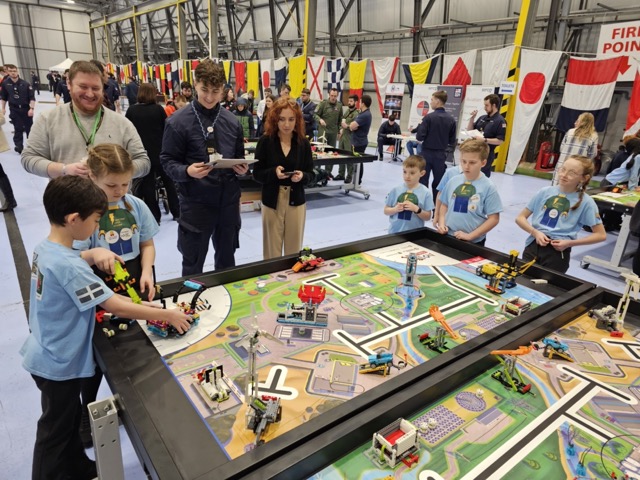
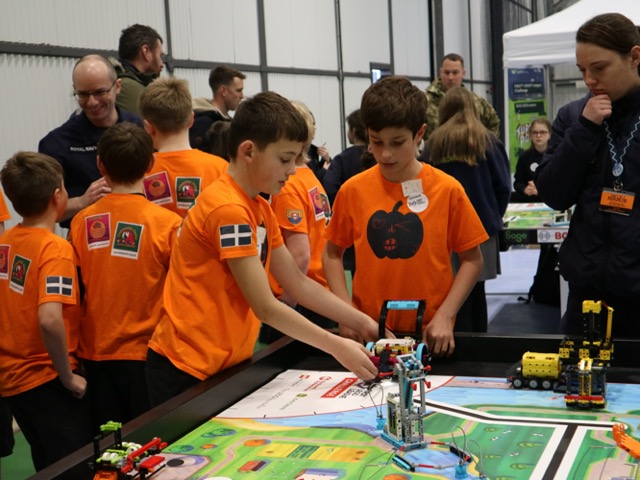
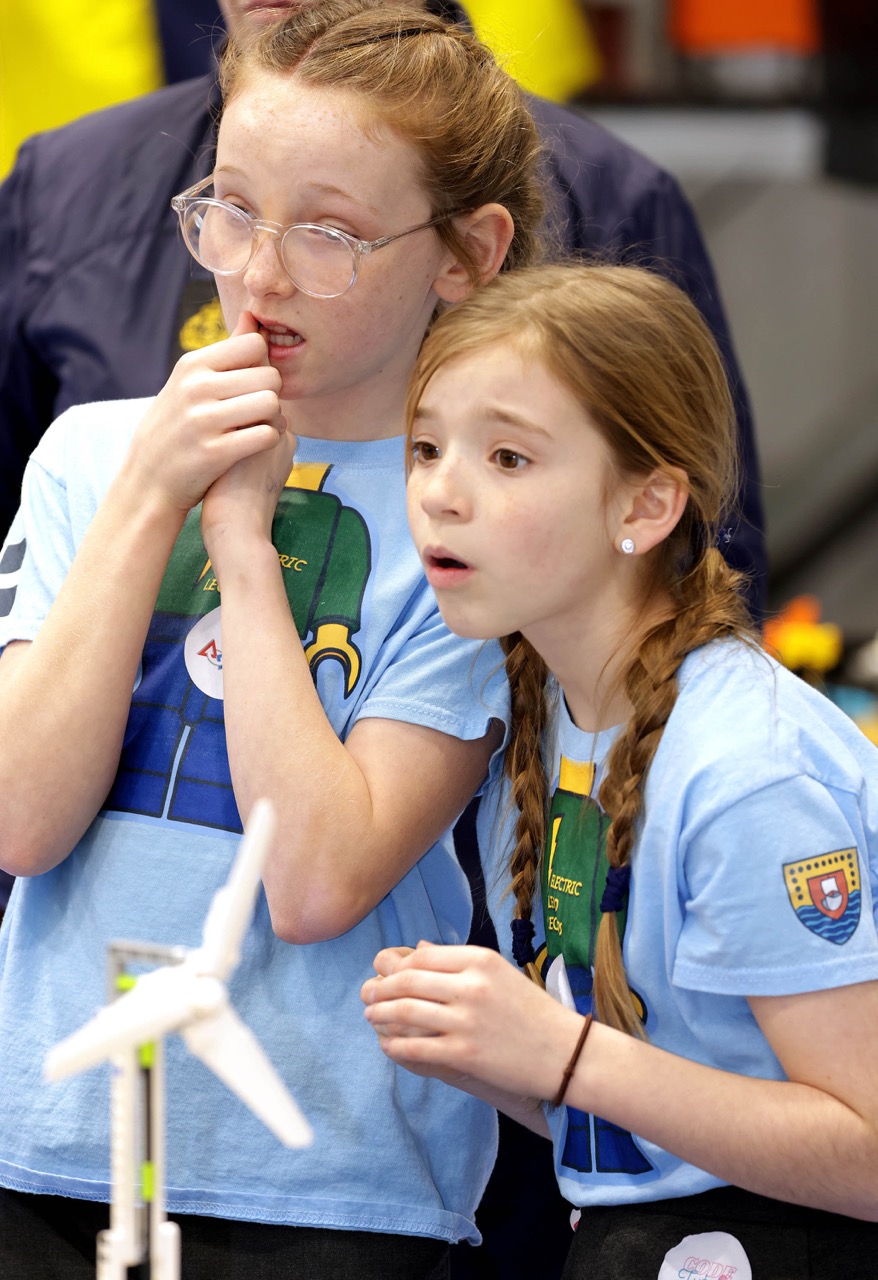
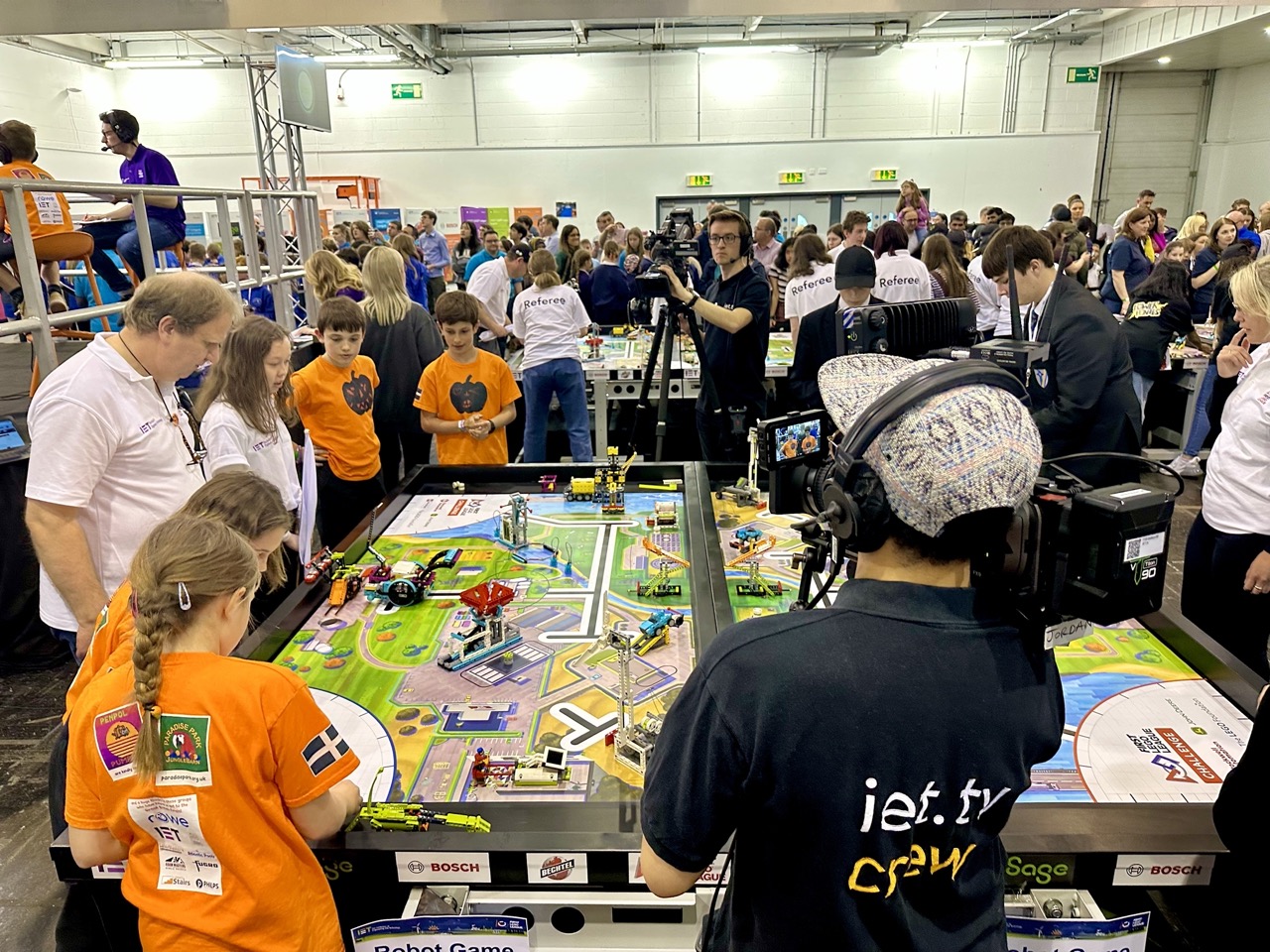
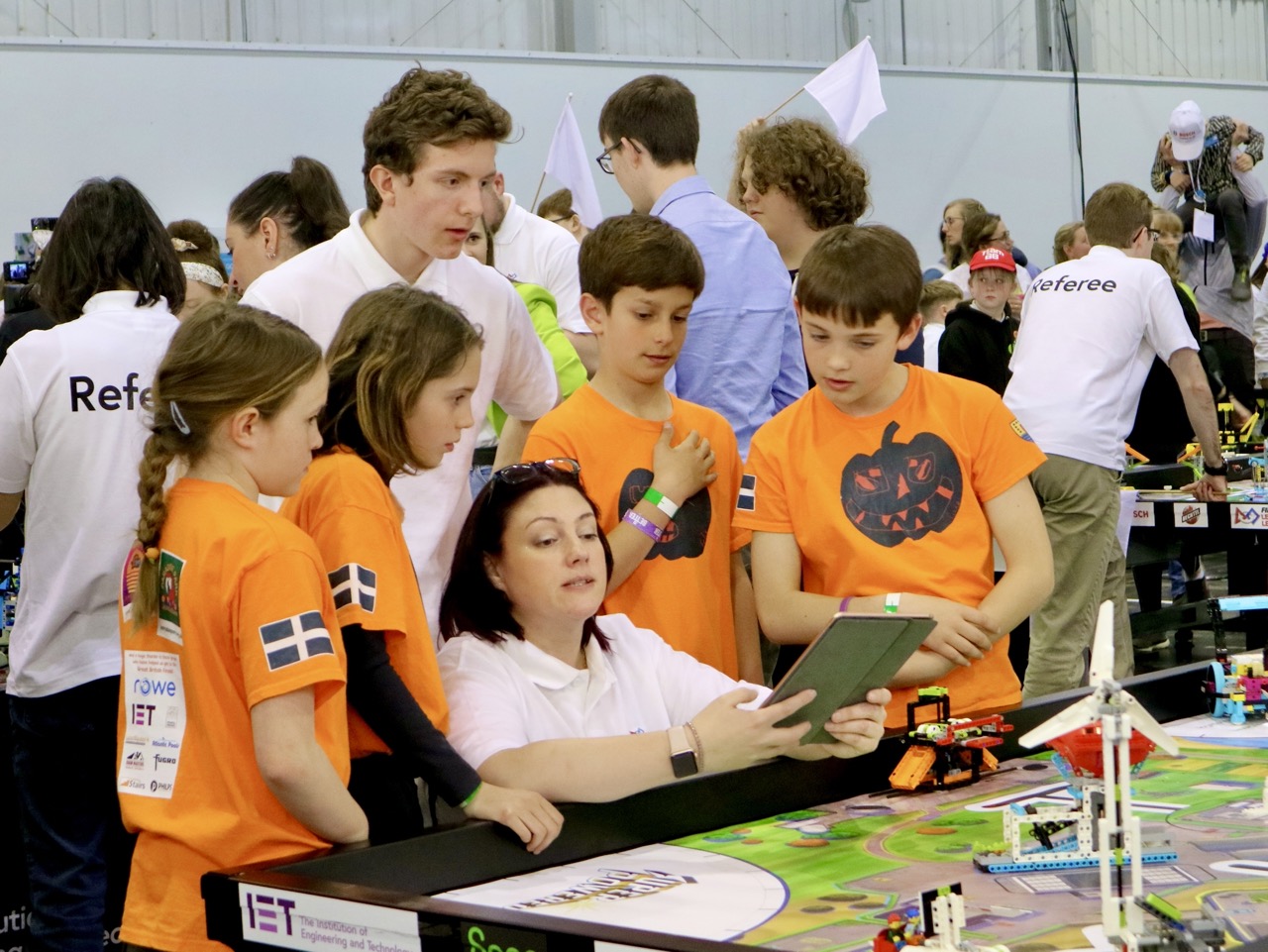
The pressure is really on when you've got two camera people and two referees watching your every move during your 2 and a half minute match!

The teams each get three attempts at the Robot Games, spread across the day.  Because it’s just the highest score that’s counted it gives them a couple of opportunities to achieve their best result.

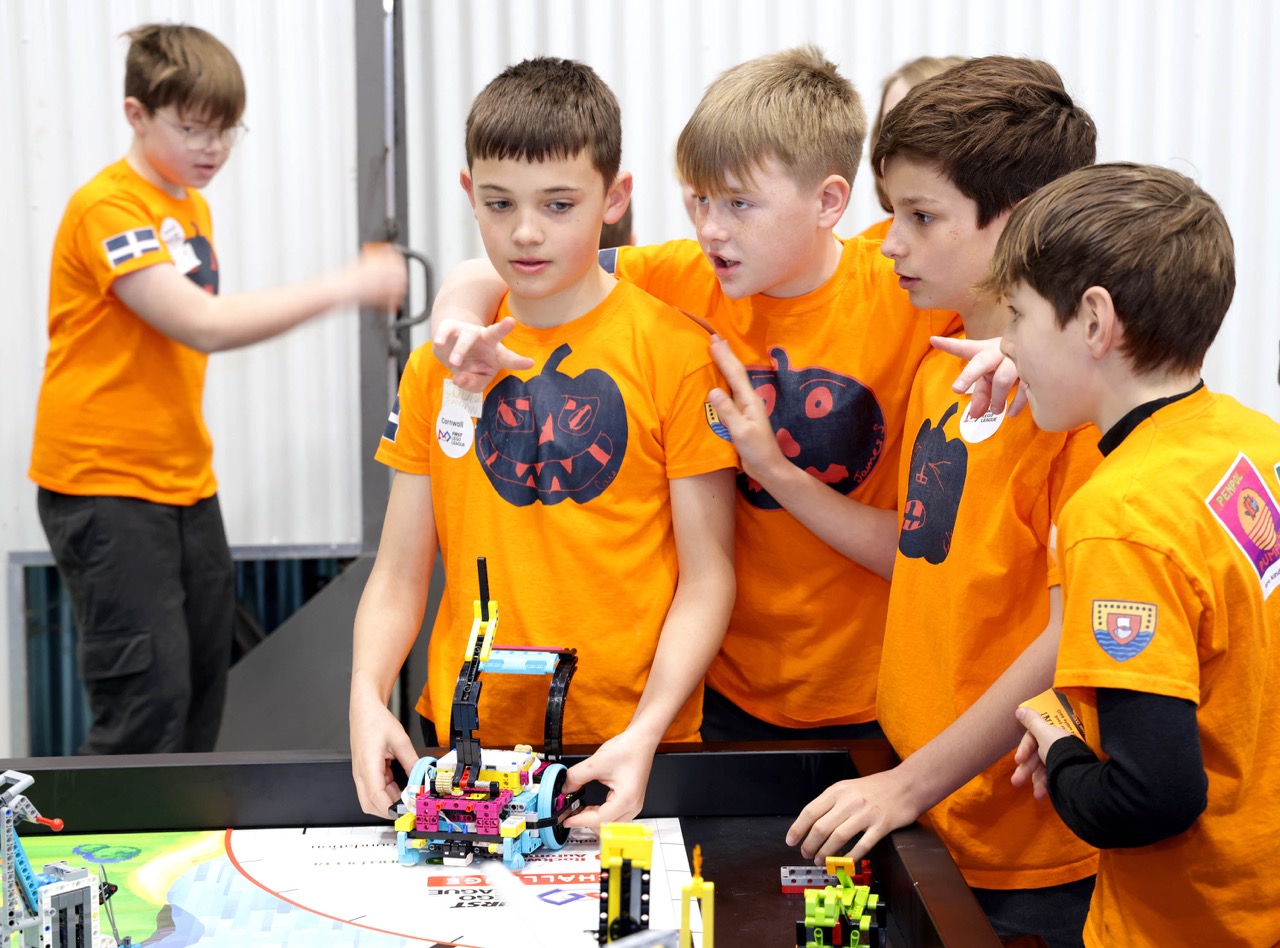
The game board is exactly the same as the one they practice on at school, but there’s something very different doing it in front of hundreds of people and with referees standing right next to you – talk about pressure!

The slightest change in alignment in the starting area can be the difference between glory and disaster, with the robot either heading straight to its intended target to complete the mission or veering wildly off into another mission and getting stuck!

Whilst it’s a high-pressure situation, the team were able to stay focussed and on task for each match, achieving a high-score of 230 points.  Whilst this wasn’t quite up to their ‘in-school’ record of 295, it remains an incredibly credible score which they should be very proud of.

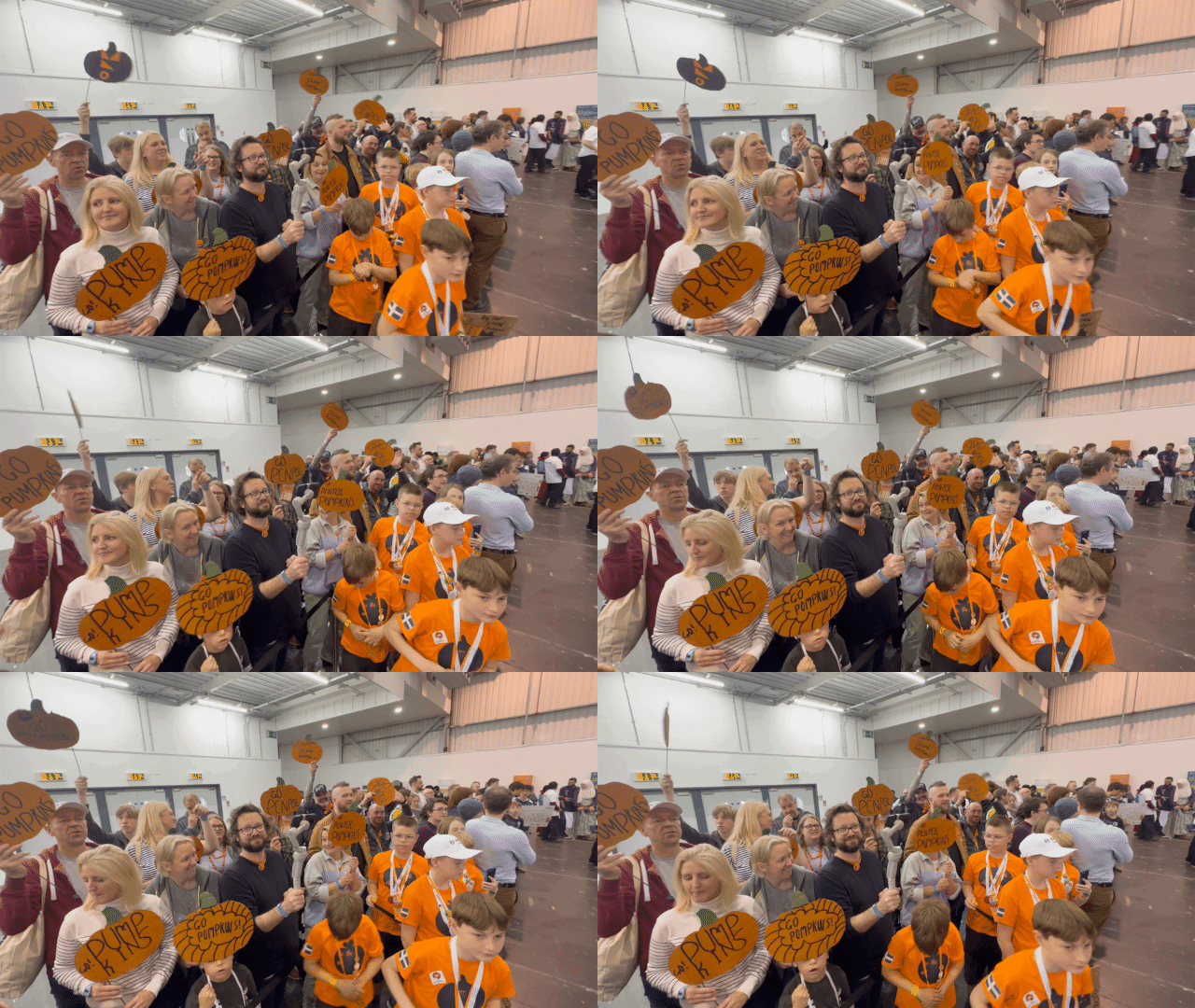
During each match the teams were cheered on by their parents, Penpol staff and the rest of the Pumpkins.  This created an electric atmosphere during the three rounds!

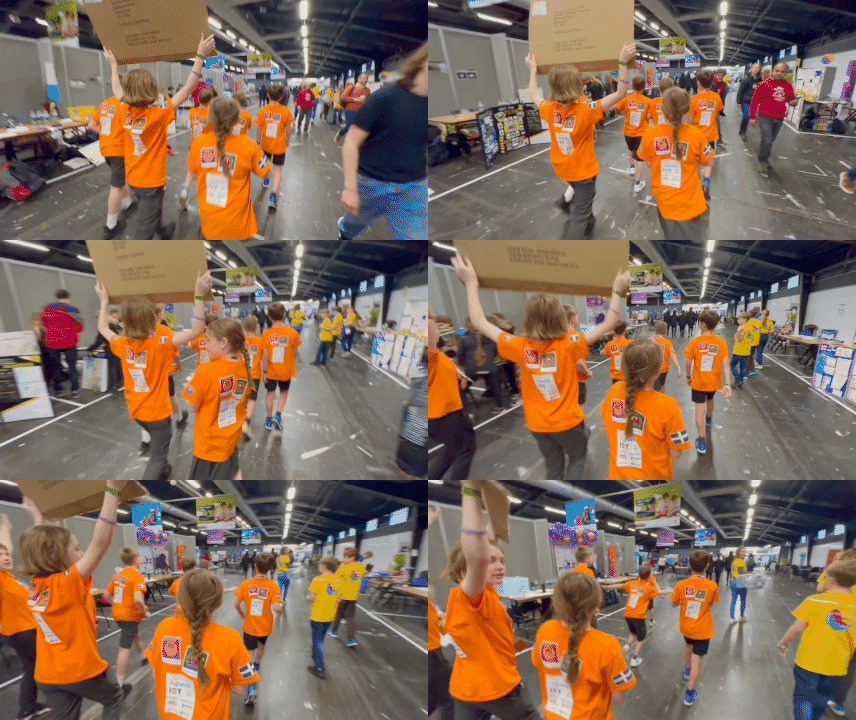
The Pumpkins had plenty of support from their fellow team members and the rest of the entourage!

“The Robot Games is worth a quarter of the total points for the competition, which means it’s incredibly important.  As one of the blue team robot engineers, my job was to launch the Toy Factory, TV and Dinosaur missions – as well as changing between different attachments as quickly as I could.”

“On the day this was tricky, because EVERYONE was watching – it was even being live streamed! Hearing the audience cheering “PENPOL PUMPKINS!!” was nerve wracking, but really helped me get in the zone to complete my missions.”

Jenna

Between matches the children were able to take advantage of the practice tables, allowing them an opportunity to practice their lineups and even refine some of their code.  Jenna, Ada, Caio and Felix used this time really wisely to make some minor adjustments to their robot to ensure maximum accuracy.

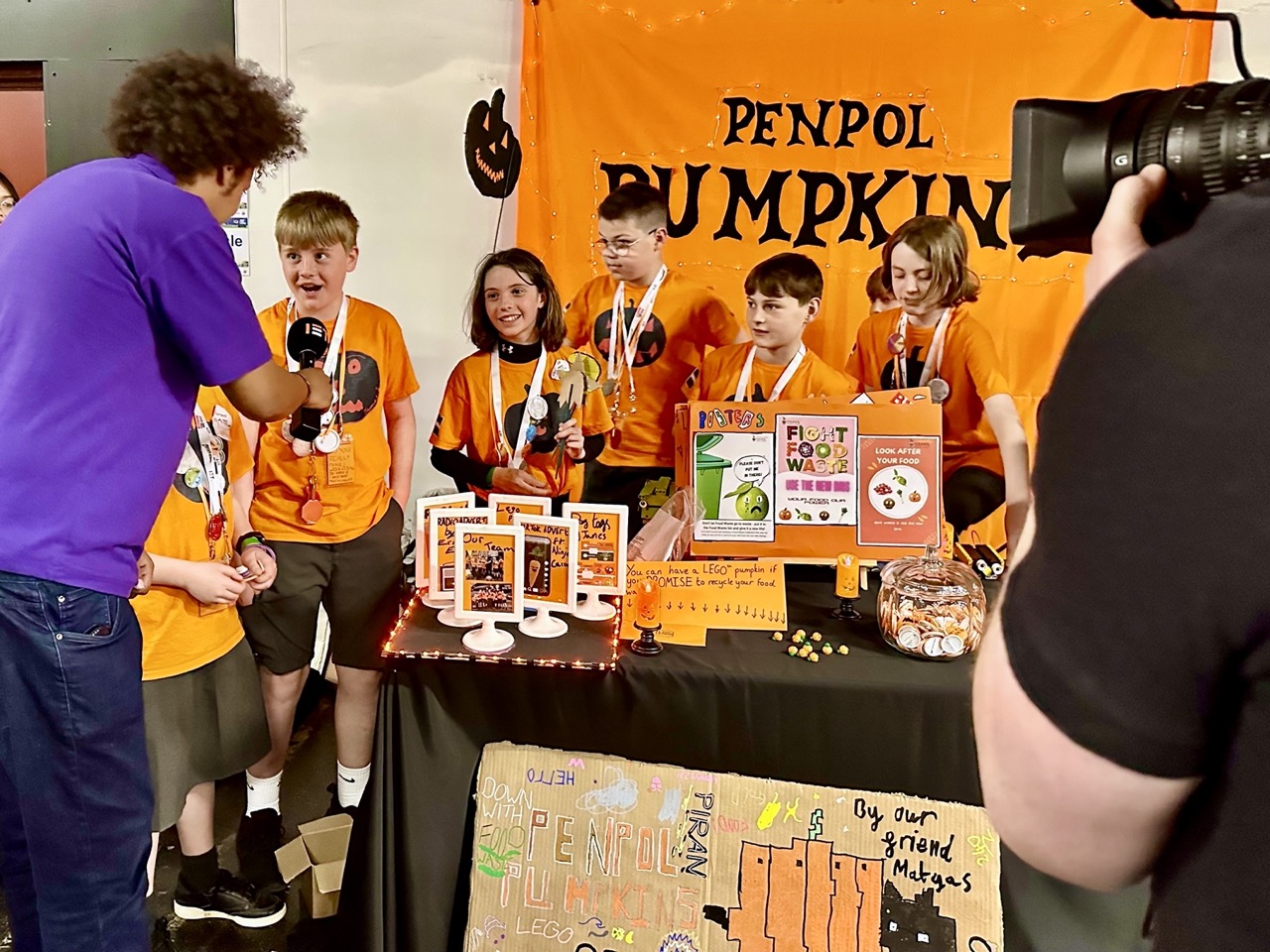
The first match they played was even live-streamed to the world (with a video embedded down below).  But what’s more, Ethan was asked to give a live commentary on the match itself with host Tom Deacon.  He leapt at the opportunity and gave a play-by-play rundown of the teams progress as the match unfolded – a natural born presenter!

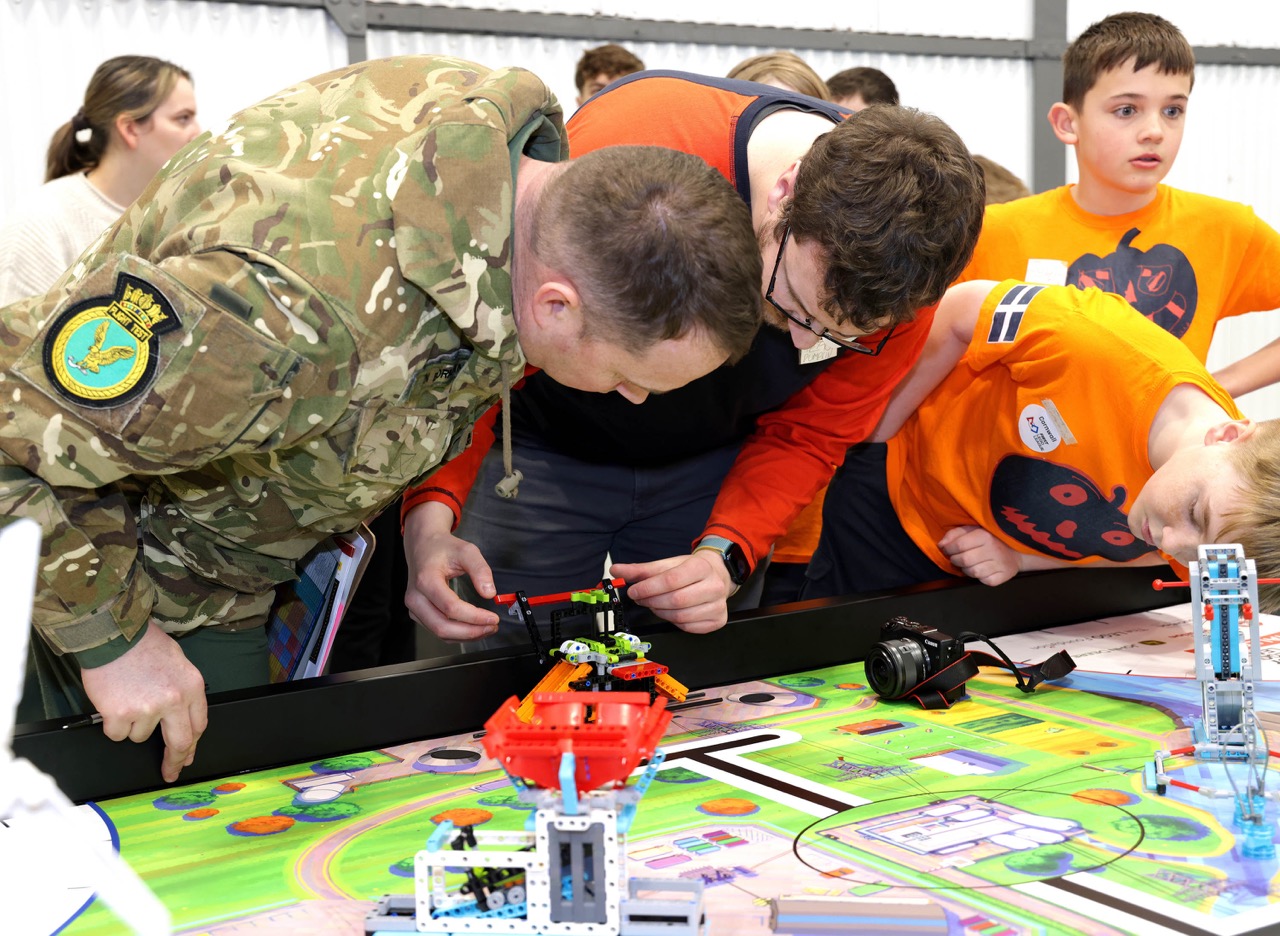
The referees and team members work together at the end of each match to ensure they all agree on the final scores.

230

Points in Round 1

200

Points in Round 2

210

Points in Round 3

“It felt kind of worrying doing the commentary – what if I messed up what I was meant to say?  But it was also really fun because I got to commentate for my team which was SUCH a cool thing to do.”

“I felt like the team did really well on the Robot Games matches because our speed was so much better than it was at Culdrose. I think that’s because we’d all practiced a lot more.”

“The day itself was so much better than last year because we knew what to expect and were able to really show off all our hard work – we even won an award!”

Ethan

Before we get into the next three parts of the competition, it’s worth having a quick reminder of how the scoring system works in FIRST LEGO League.  The children are graded against several different categories in each presentation, with a mark awarded from 1 point (beginning to show that criteria) to 4 points (exceeding that criteria by going above and beyond).  For a judge to award 4 points they have to specify a reason why they believe that team has gone above and beyond.

Beginning

1 point for a team who are beginning to demonstrate the criteria.

Developing

2 points shows that a team is developing that criteria.

Accomplished

3 points is where a team has accomplished the particular criteria.

Exceeding

4 points is where a team has gone above and beyond and exceeded the expectation.

The second element of the competition is called Robot Design and here the team completely re-worked their presentation from the Cornwall finals back in March.  Back then the judges gave them high marks for everything, with the exception of explaining the code they had written.  The judges felt they could have expanded on this more.

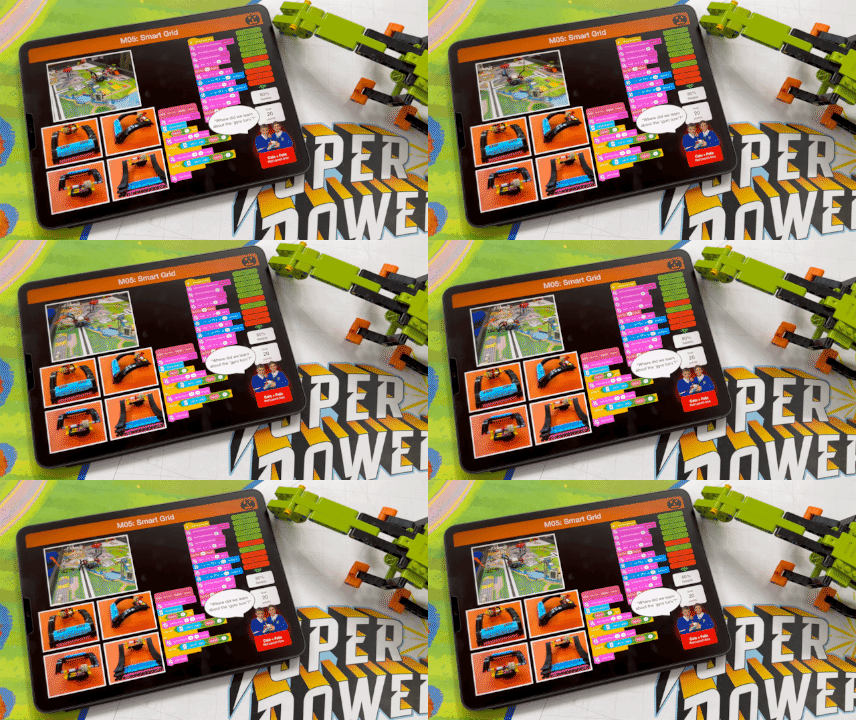
The team took this feedback on board and went about planning ways to better share and explain their code and how the robot itself worked.  They hit upon a great idea of using an iPad with videos, code and interactivity as a way of bringing their learning to life in an easy-to-explain way.

Using an app-style presentation made in Keynote, the Pumpkins were able to navigate to different missions and talk the judges through their code, attachments + reliability of their robot.

“A major part in our presentations was our Robot Design one. We used this presentation to also show off our Core Values and creativity in the presentation, all whilst talking about the design of the robot and how our code worked.”

“After we’d finished our presentations I think we might have left the judges a bit speechless as they didn’t have ANY questions to ask us! I think we’d probably covered everything they needed to know which was amazing.  They told us it was a very good presentation, in fact they told us it was one of the best that they’d seen in all the years they’d been judging.”

Felix

Alongside the techie aspect of their presentation, there was also dancing, singing and a (slightly bizarre!) chanting each time a new mission was described.  This added to the sense of fun that was sewn throughout their presentations and the judges really enjoyed how involved everyone was in this.

A special mention here needs to go to Caio, Jenna, Felix and Ada who took centre stage in the presentation to talk through, in detail, many different aspects of their robot – from attachments to code, testing to reliability scores.  They shared the progress they’d made since Culdrose and discussed how they had made refinements to their code to shave off precious seconds and score more points.

The Pumpkins were interviewed by Prince Abdi and his camera crew, who were really keen to learn all about their Pumpkin theme and how their robot worked.

Lorem ipsum dolor sit amet, consectetur adipiscing elit. Ut elit tellus, luctus nec ullamcorper mattis, pulvinar dapibus leo.

Ernie

Judges Feedback for the Robot Games

The judges praised the team for their clear mission strategy, which was described clearly both verbally and through an interactive diagram on the iPad.  There was a clear explanation of the robot and all its innovative features, which went above and beyond the other teams on the day.

The judges also remarked that they enjoyed their use of an iPad with a app-type approach worked well enabling them to show clear evidence of their design, iteration and testing.  This particularly shone with their incredibly detailed overview of their design and mission strategy.

Lastly, the judges were pleased that every single team member was involved, remarking that each student went over and above expectations to deliver such a strong presentation.

The area for development identified was to consider explaining more of their initial design process, potentially including diagrams of other designs that they’d tried before settling on their current robot and attachments.

Identify

Mission | Building

4

4

Design

Workplan | Innovation

2

4

Create

Functionality | Model

4

4

Iterate

Testing | Improvements

4

3

Communicate

Explanation | Evidence

3

4

One particular area where the Penpol Pumpkins truly excelled was the Core Values.  These six values include Discovery, Innovation, Impact, Inclusion, Teamwork and most importantly, Fun!

Having worked with these children for the past two years, I could give countless examples of how each child has gone above and beyond in demonstrating all six of these values, but you’d get very bored of my writing.  Instead let me paraphrase a couple of examples the children themselves shared when talking to the judges:

Caio: “When we first started this project I’ll be the first to admit I really struggled at teamwork.  As time has gone on it’s a skill I’ve really improved at.  Whilst I’m still not perfect at it, I really get on well working in a team and supporting others.”

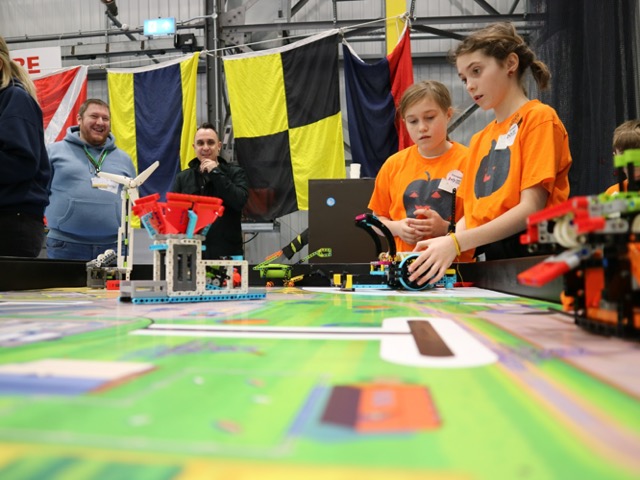
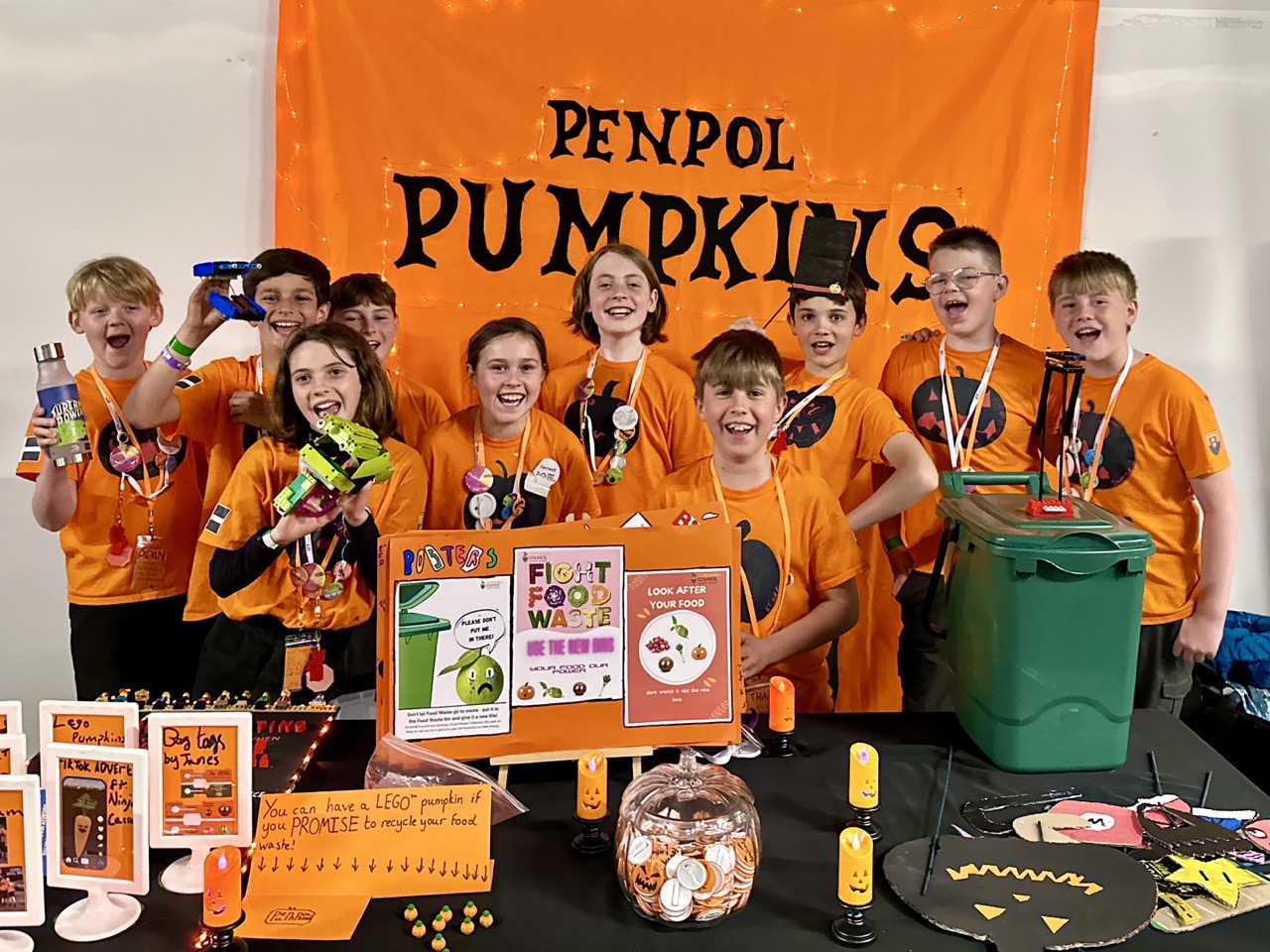
With the help of Mrs Allen and Mrs Woolcock, the Pumpkins had the most orange Pit Area in the whole competition!

“This competition has allowed me to be more open and honest about myself, for example I know that people can trust me and I can trust them.  When we first started none of us really knew each other but over time we’ve built such strong relationships and friendships with each other.”

“When we first heard that we had the best presentation in Great Britain it was an absolute shock to us because over time all of us had fun, designed amazing posters, had lots of laughter and genuinely enjoyed ourselves.  Even though we were having fun we managed to succeed, which I think shows that as long as you put in lots of hard work, you can have fun and not have to take things too seriously!”

James B

Jenna: “Two years ago I would have NEVER stood up in front of people to talk – let alone leading a presentation in front of a room full of judges or doing a school assembly!  I’ve discovered that I have so much more confidence than I realised and can do anything if I set my mind to it.”

Ada: “Working with Chelsea (our mentor from RNAS Culdrose) has had a great impact on me – she’s inspired me to become an aircraft engineer just like her in the future.  She has such a fun job and I’d love to be like her when I grow up.”

Ernie: “I’ve been able to enjoy taking a back-seat in the coding this year and instead worked more on the Innovation Project.  I’ve been able to mentor and teach other team members to help them learn how to code with the robot, which means everyone is included in the competition.”

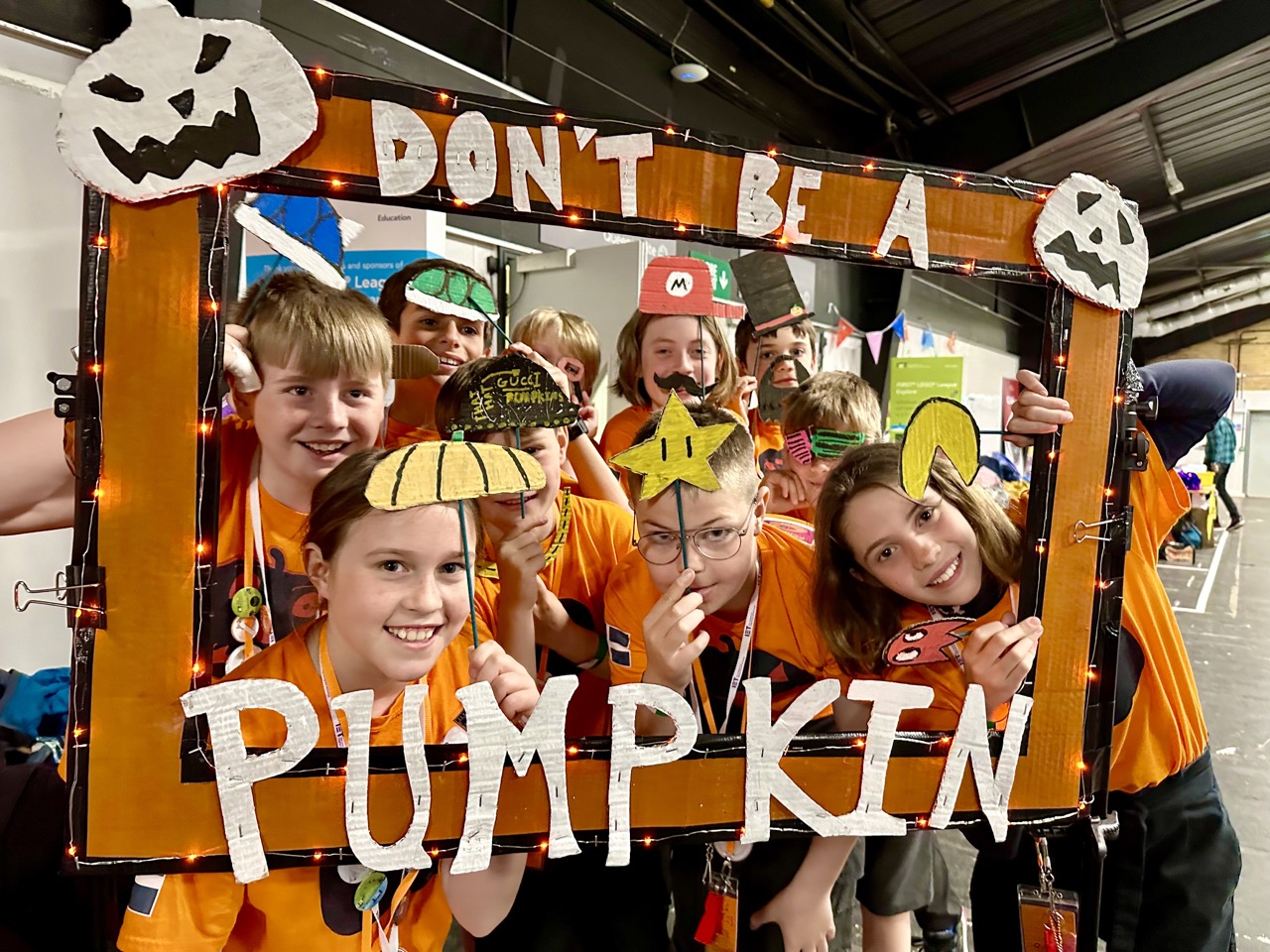
Fellow teams, parents and even presenters were frequently seen taking selfies in the fab 'Don't be a Pumpkin' photo frame - complete with fun props!

“Miles and I contacted LEGO to see if would be okay to have 150 LEGO Pumpkins to hand out at the competition. We were overwhelmed that LEGO decided to give them to us and it meant that we could spread the message about Food Waste by talking to people about the problem and then giving them a little LEGO Pumpkin to remind them.”

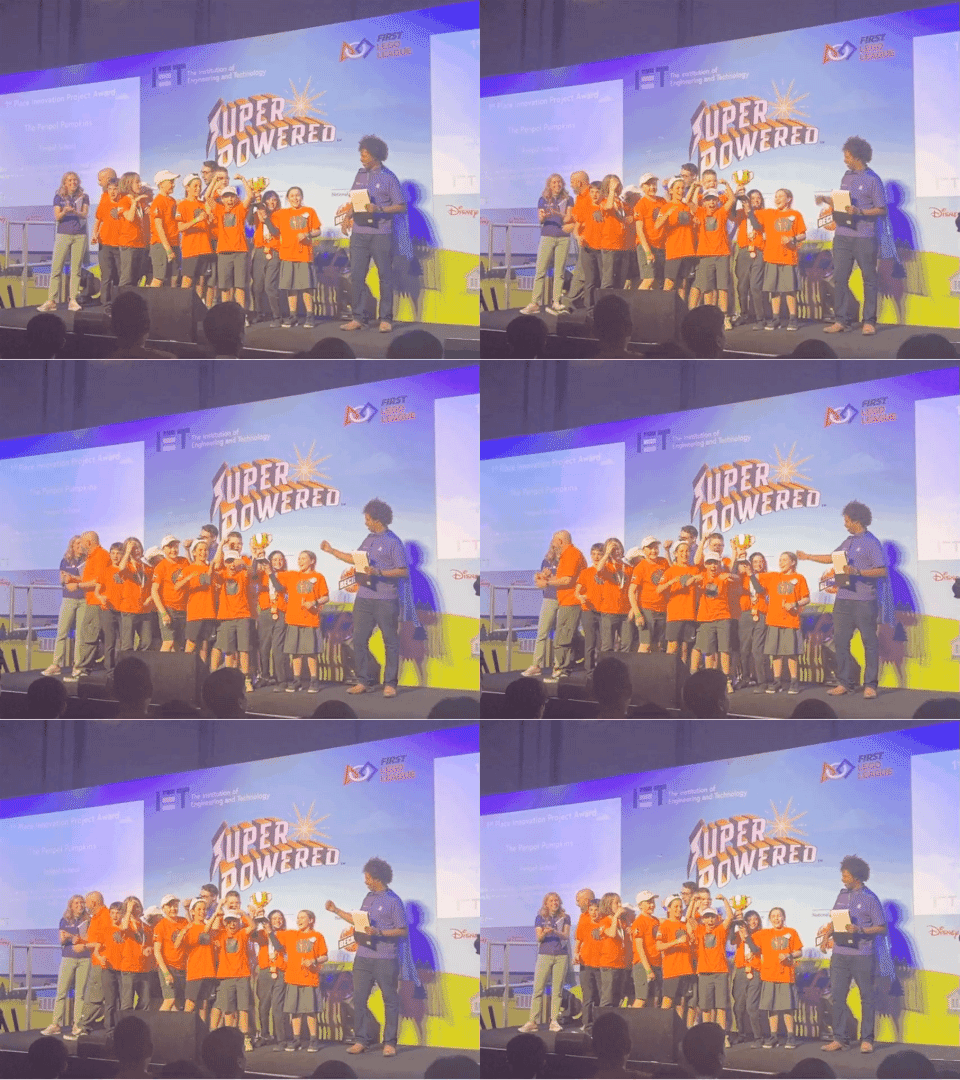
“My proudest moment of the day was going up on the stage after we’d heard that we’d won the Innovation Project trophy.  It made me feel very excited because that’s one of the biggest awards to win – along with the Robot Games, Core Values and the Champions Award.”

James S

The Pumpkins embodied these values throughout the whole day, sharing their badges with other teams, talking to adults about the food waste recycling project and cheering on and encouraging other teams during their robot games.

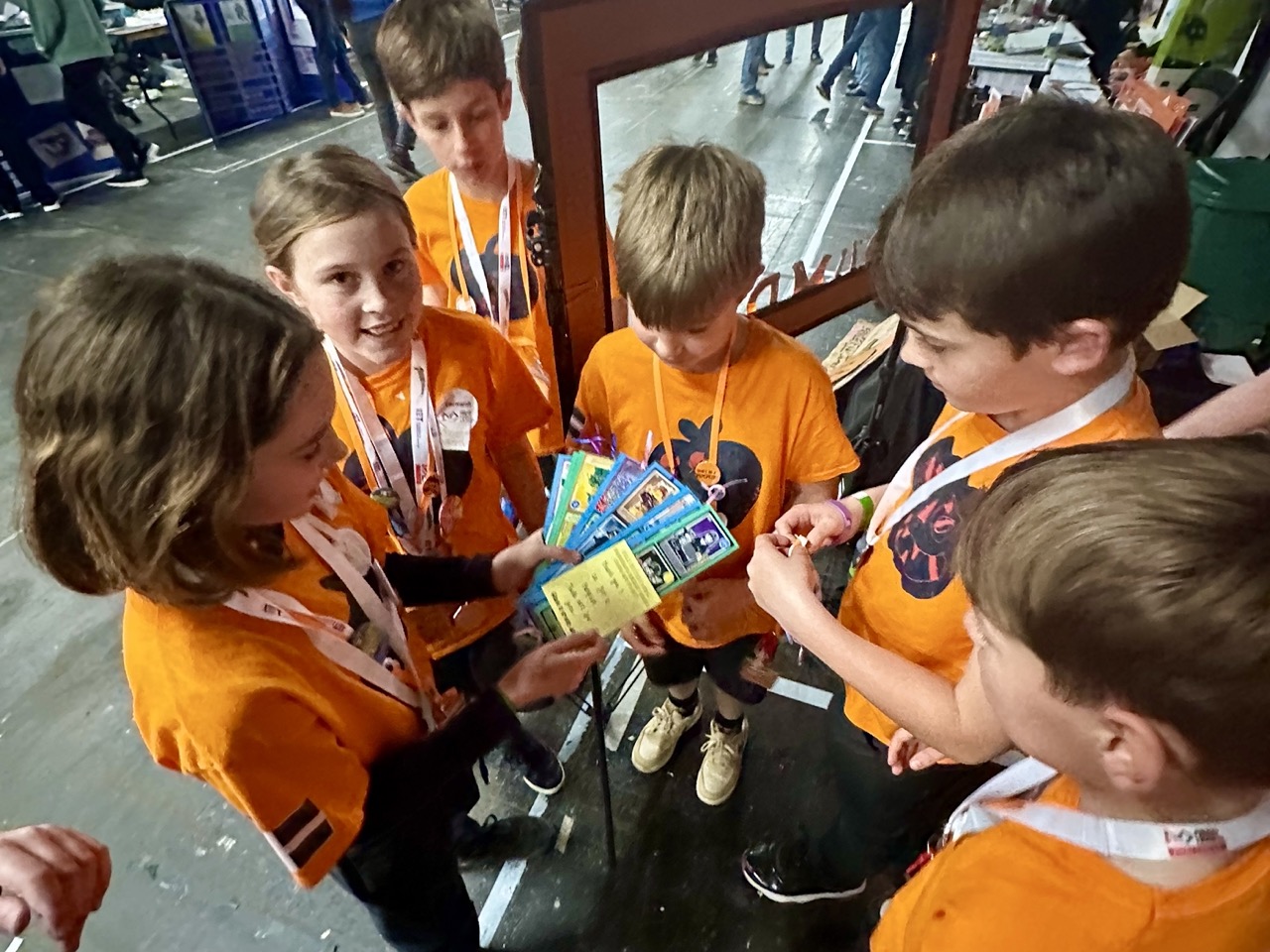
As the day went on something lovely and unexpected started happening…  Other teams came by our Pit Area (the teams base for the day) and left little presents and notes for the Pumpkins.  These included some cool LEGO bookmarks, 3D printed key rings and lots of badges and sweets!  It was great to see how friendly other teams had been to us, something which I think is testament to how confident and open our team were with meeting and chatting to everyone else as the day went on.

The Pumpkins came back to their Pit Area to find these lovely laminated bookmarks (filled with LEGO Cards!) that Team Electric8 had left for them to say thanks for getting LEGO Pumpkins!

Judges Feedback for the Core Values

The judges felt that the teams presentation was amazing, particular the way they worked so closely together and complemented each other.  Their research was outstanding, including drawing information from industry experts, schools, parents and the council.

They were really pleased to see that the children were making an impact in their community by working with the council to develop and further push their ideas and felt it was clear that they all knew exactly what they were talking about and delivered that information in an excellent way.

Lastly, the judges remarked that they wowed them with an amazing presentation that was so much fun – in fact the judges were crying with laughter! Brilliant.

The advice for developing this further was for the children to think about how they can pass this enthusiasm onto the younger children at school to keep the FIRST LEGO League momentum going for years to come.

Discovery

team explored new skills and ideas

4

Innovation

team used creativity and persistence to solve problems

3

Impact

team applied what they learned to improve their world

4

Inclusion

team demonstrated respect and embraced their differences

3

Teamwork

team clearly showed they had worked as a team throught their journey

4

Fun

teams clearly had fun and celebrated what they have achieved

4

Finally, the team shared a presentation with the judges called the Innovation Project.  Despite being relatively short, this was the culmination of nearly 8 months of hard work.  The team were inspired by the amount of pumpkins that were left to go to rot after Halloween and were struck by the fact that this was incredibly wasteful.

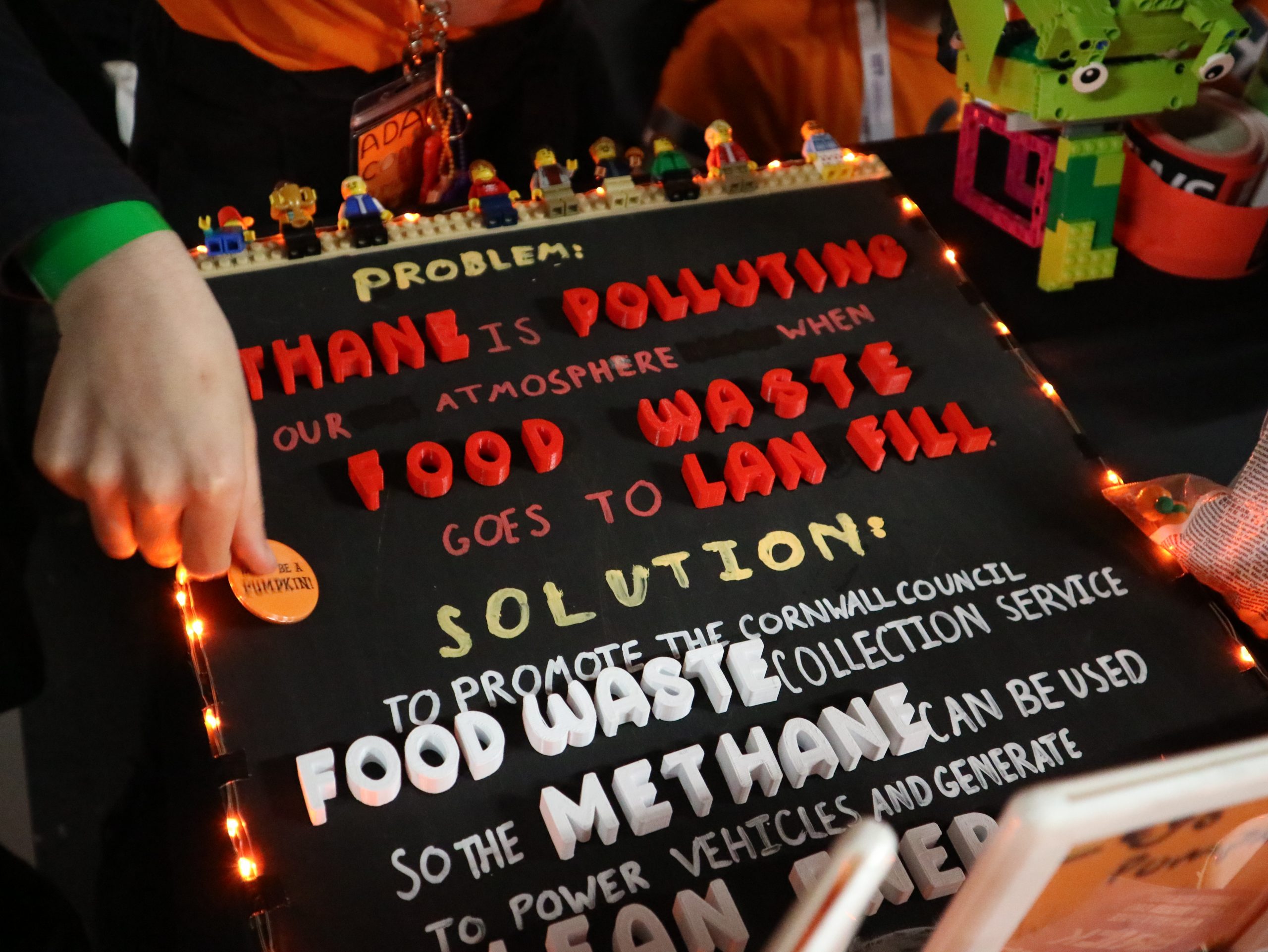
They soon realised that other types of food were also going to waste and after researching further they discovered that this was actually a huge problem.  Not only did 35% of bin bags in Cornwall contain food waste, but the Methane gas produced when the food rots in landfill is 25x worse than Carbon Dioxide for Global Warming. 

The real shame is that Methane can be used for good – even creating clean electricity and powering certain vehicles!

Following on from their Cornish Finals, the team created this wooden board with examples of their advertising campaign on. Sadly it lost the D in landfill on the 10 hour trip to Harrogate!

“It was a big thing to think of, but it kind of clicked when I mentioned my idea to the team.  They loved the idea of pumpkins and soon realised just how much food waste we could be dealing with.  It felt like it would be really good for the community as well as the competition, because we could spread for message about recycling food waste with our local community.

When we learnt that Cornwall Council were going to use our ideas to help them promote this across all of Cornwall, I felt like it was a big step forward for our ideas and goals.  It’s gone beyond being a part of a LEGO competition and we’re now going to be able to make a real difference in our part of the world!”

Ada

They conducted lots of research into this and initially designed a product for people to use at home to recycle their own food waste and harness the useful methane gas.  However, prototypes soon revealed that this wasn’t a great option and they began to look elsewhere for inspiration.

After some emails to Biffa, SUEZ and Cornwall Council the children learnt that there is a planned Food Waste collection coming later in the year.  This was it! The children realised they could help advertise and promote this service by creating a set of adverts – tv, radio, tiktok, posters, etc etc to get the publics attention and encourage them to stop sending their food to landfill.

They’ve created loads of adverts and have been sharing their message with everyone they met in Harrogate by giving out badges, LEGO pumpkins and discussing how important it is to recycle food waste.

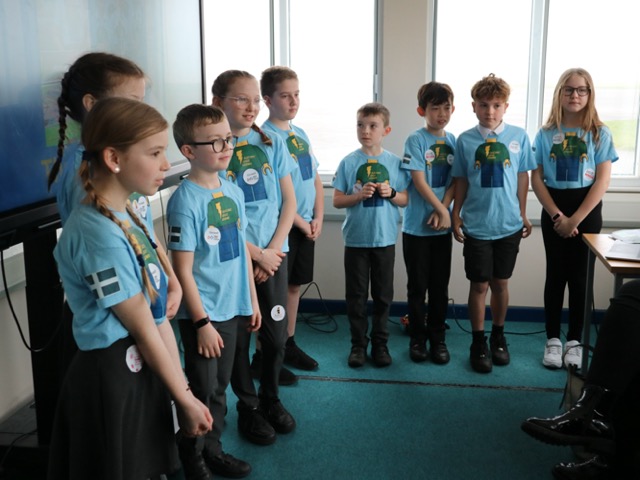
The Pumpkins were full of energy heading into the Innovation Project presentation - armed with props, models and posters to explain their project solution.

“The funniest part of the presentation was definitely when Ethan was begging James to let him have a red panda – he gets funnier every time he does it!”

“My proudest part of the presentation was the part when I had quite a big part to say and I didn’t mess it up at all!”

“The judges said that in all their years of judging they’d never seen anything quite like our presentation. They way we conveyed our message to them through a play was something they really, really liked.”

Piran

In the last few weeks before the Great British Finals, the children had a visit from recycling team at Cornwall Council who came to see their presentation and adverts.  The council were blown away by the Pumpkins and are currently arranging for us to go on a tour of a food waste recycling plant as well as planning how we can work together to use the Penpol Pumpkins adverts as a way of actually promoting the new service to the whole of Cornwall.

Talk about making an impact!!

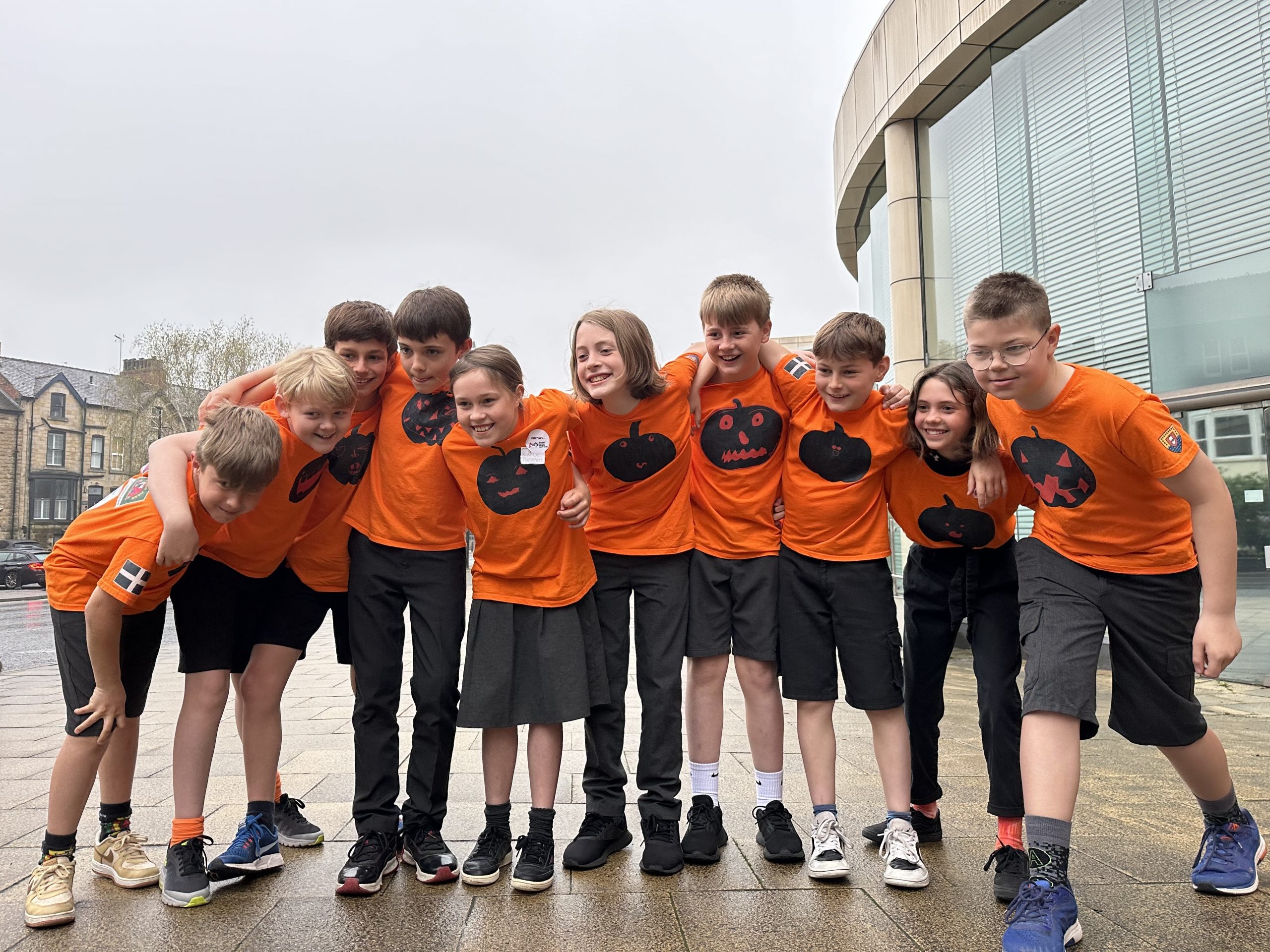
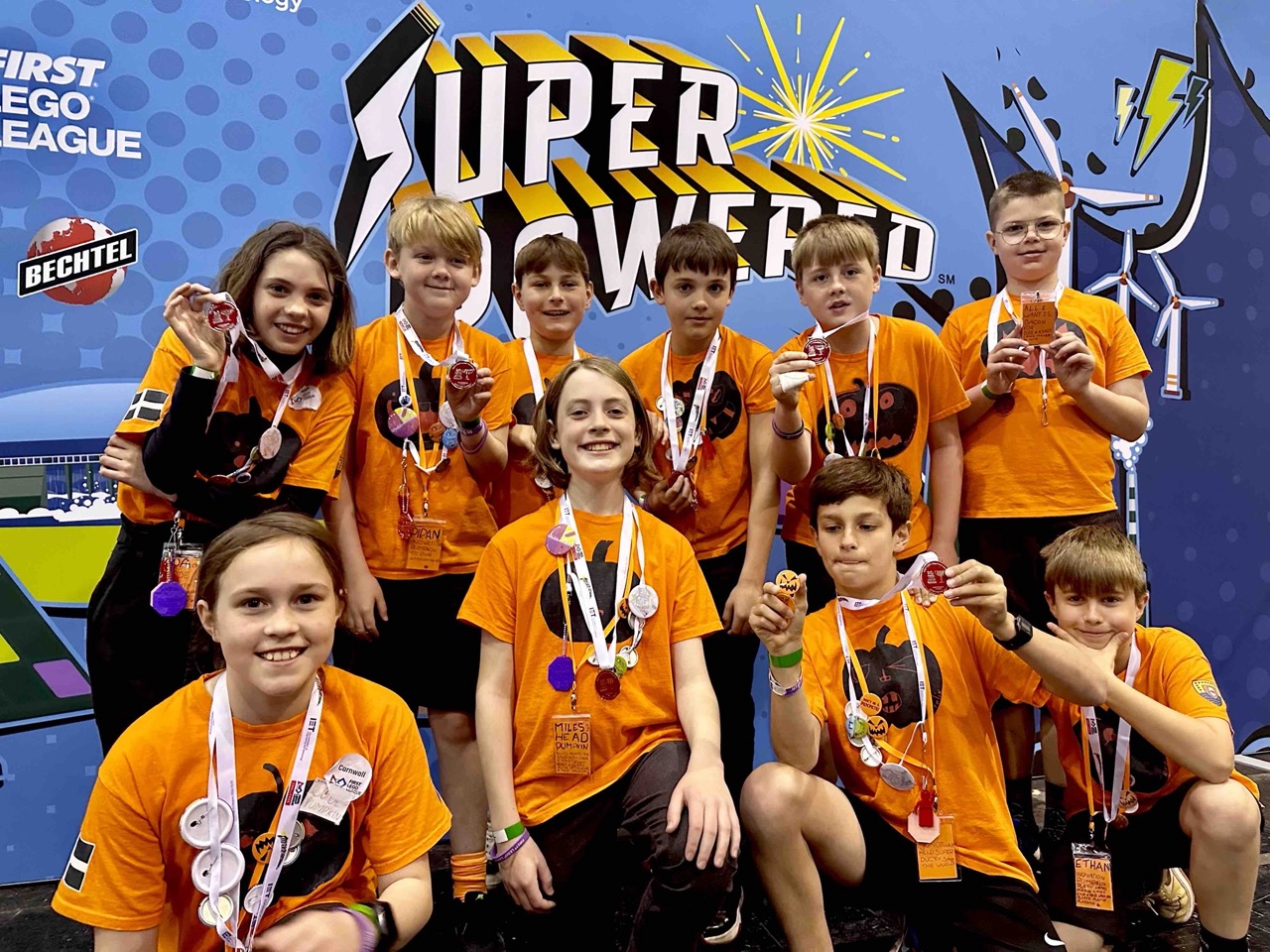
The Penpol Pumpkins pose for a team photo outside of Harrogate Convention Center.

Judges Feedback for the Innovation Project

Having earned an extraordinary 36 points out of 40 on their Innovation Project, the judges were so impressed with their enthusiastic presentation and the range of different media across all platforms used to deliver it.

The Penpol Pumpkins had talked with a number of different users, professionals and Cornwall Council to research and develop their project, which led to them being able to share a clear definition and communication of the problem.  They also loved how there were so many different iterations of the solution in terms of different Food Waste collection adverts being communicated across many different platforms.

Finally, the judges wanted to let the team know that they had a simply amazing presentation, which they deeply enjoyed, including acting, song and lots of laughs.  They clearly demonstrated how this had impacted on them and how they were making a difference in their community.

The next step for the team should be to think about how they can further improve their ideas by taking on more feedback from others and then how they can maintain their current level on enthusiasm as the project with the council continues.

Identify

Problem | Research

4

3

Design

Ideas | Planning

3

3

Create

Innovation | Model

4

4

Iterate

Share | Improvements

4

3

Communicate

Presentation | Solution

4

4

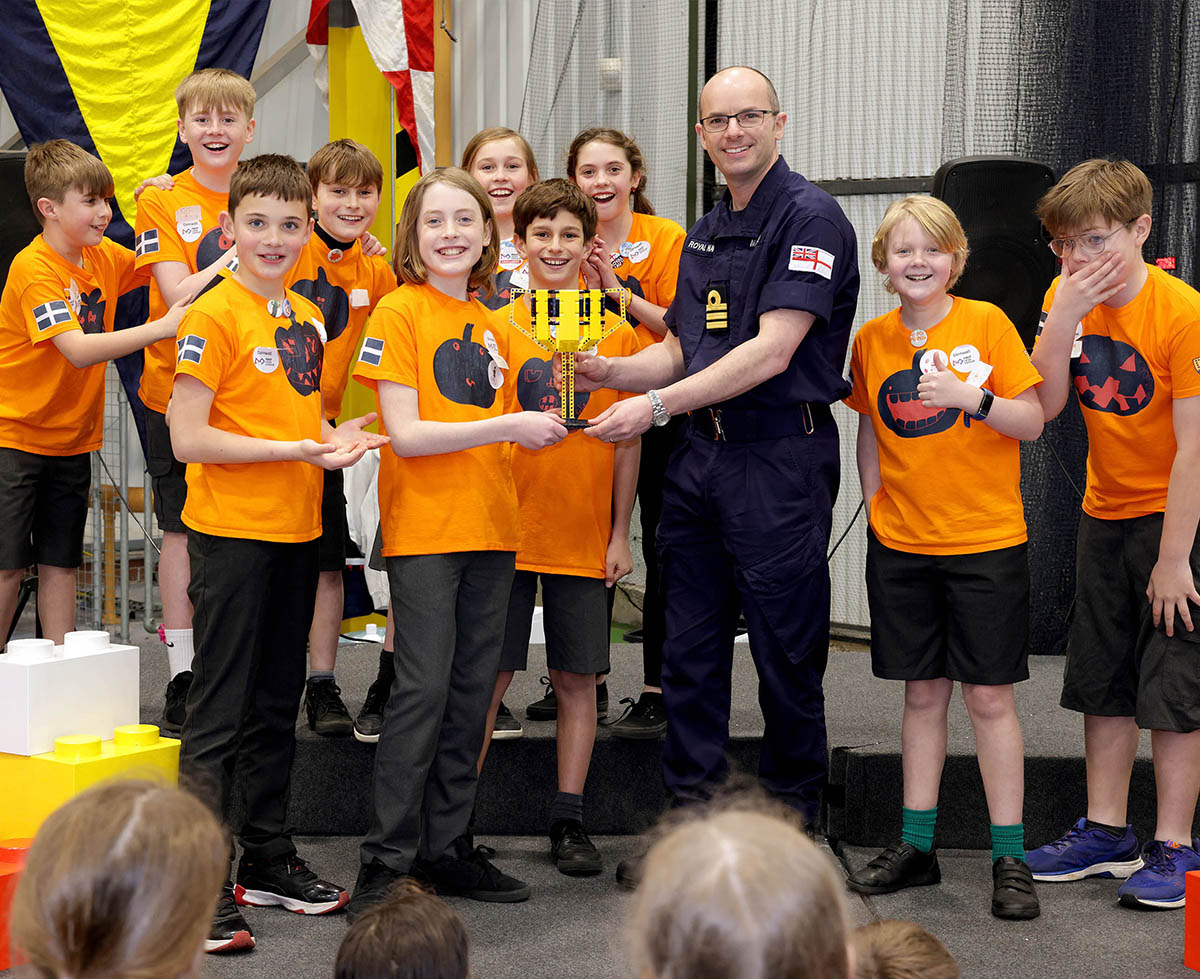
Of course, the biggest recognition of the student’s hard work came at the end of the day when it was announced that they had won the Innovation Project award! The Penpol Pumpkins and their mission to reduce food waste is OFFICIALLY the best Innovation Project in the country this year.  What a massive, massive achievement.

Penpol Pumpkins, we are incredibly proud of each and every one of you.  Congratulations!

“The moment they announced that we’d won the Innovation Project was exciting.  I didn’t even realise what was happening for a few seconds – everything was a blur!  Once I realised that we’d actually won I leapt up and ran to the stage to collect our trophy.”

“I was very shocked, but also very proud of our team because I knew how hard we’d all worked to get this achievement and how much time and effort we’d all put in over the years.  It made me feel very overwhelmed but in the best possible way.”

Miles

And if by any chance you’re wondering what the best Innovation Project in Great Britain looks like, here’s a little peek!  (This was recorded after a ten hour coach trip and without unpacking all the props and posters they’d usually share during their presentation – but still, I think you’ll get a pretty good flavour of what they’ve been up to!)

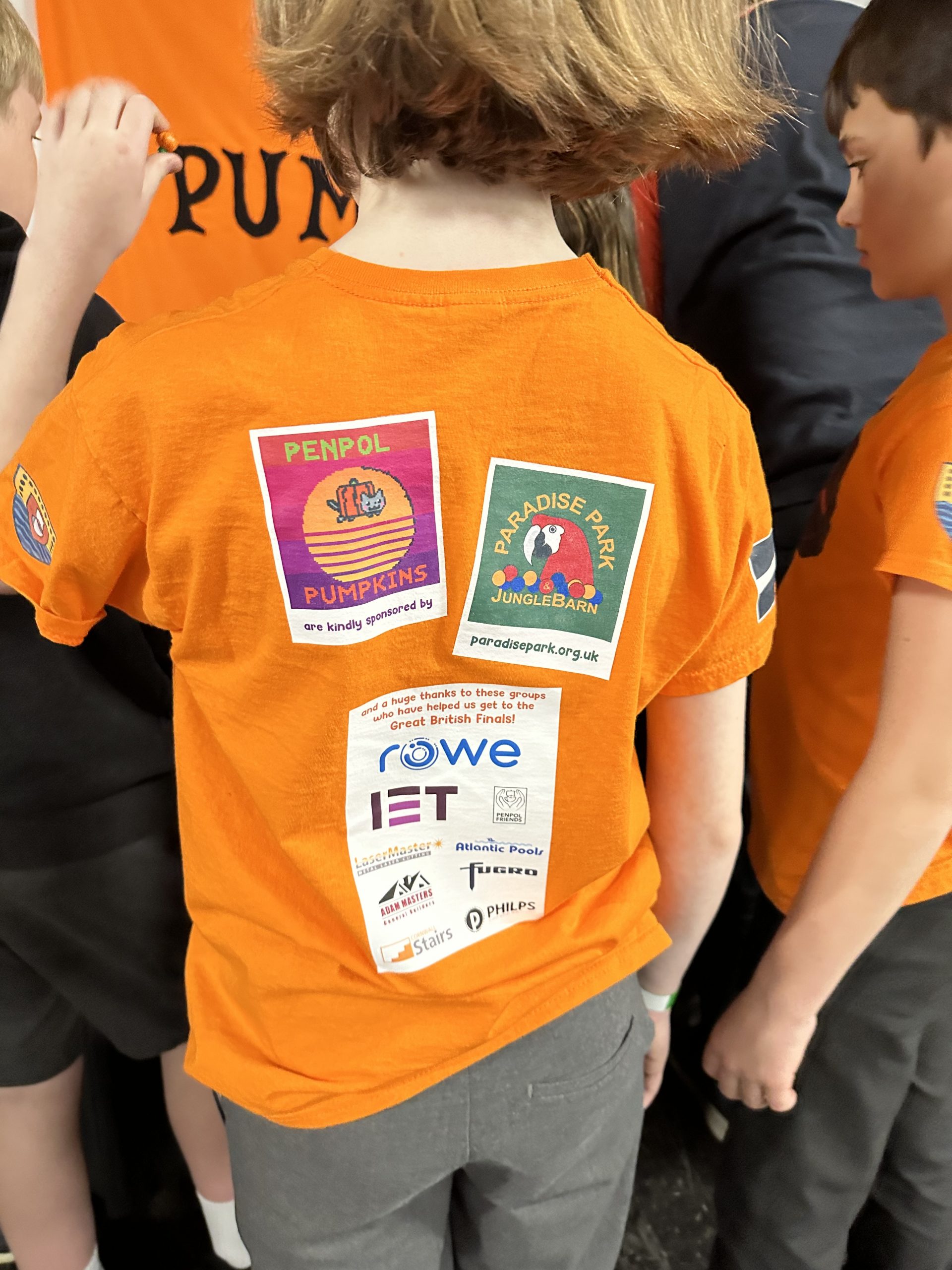
Of course, getting all these wonderful students to Harrogate is no small task, and we couldn’t have done it without the kind and generous support of our sponsors: Rowe IT, The IET, Paradise Park, Penpol Friends, LaserMaster, Atlantic Pools, Adam Masters General Builders, Fugro, Cornwall Stairs and Philps.  

A massive thank you to them all!


Penpol Compete at RNAS Culdrose in the FIRST LEGO League

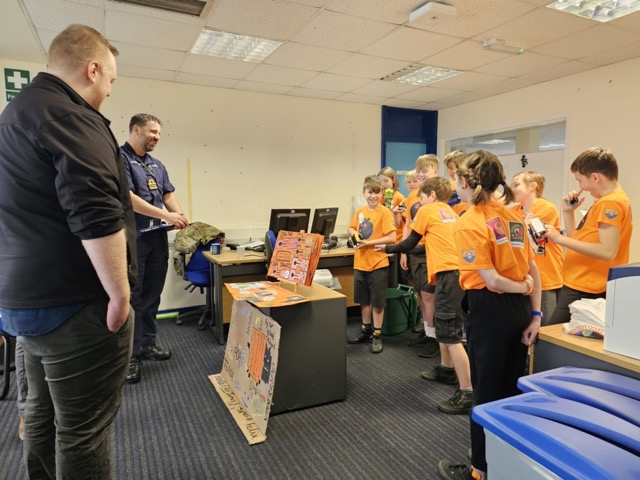
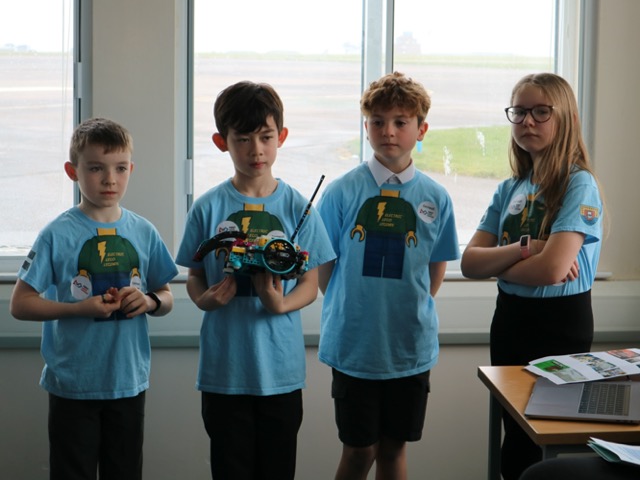
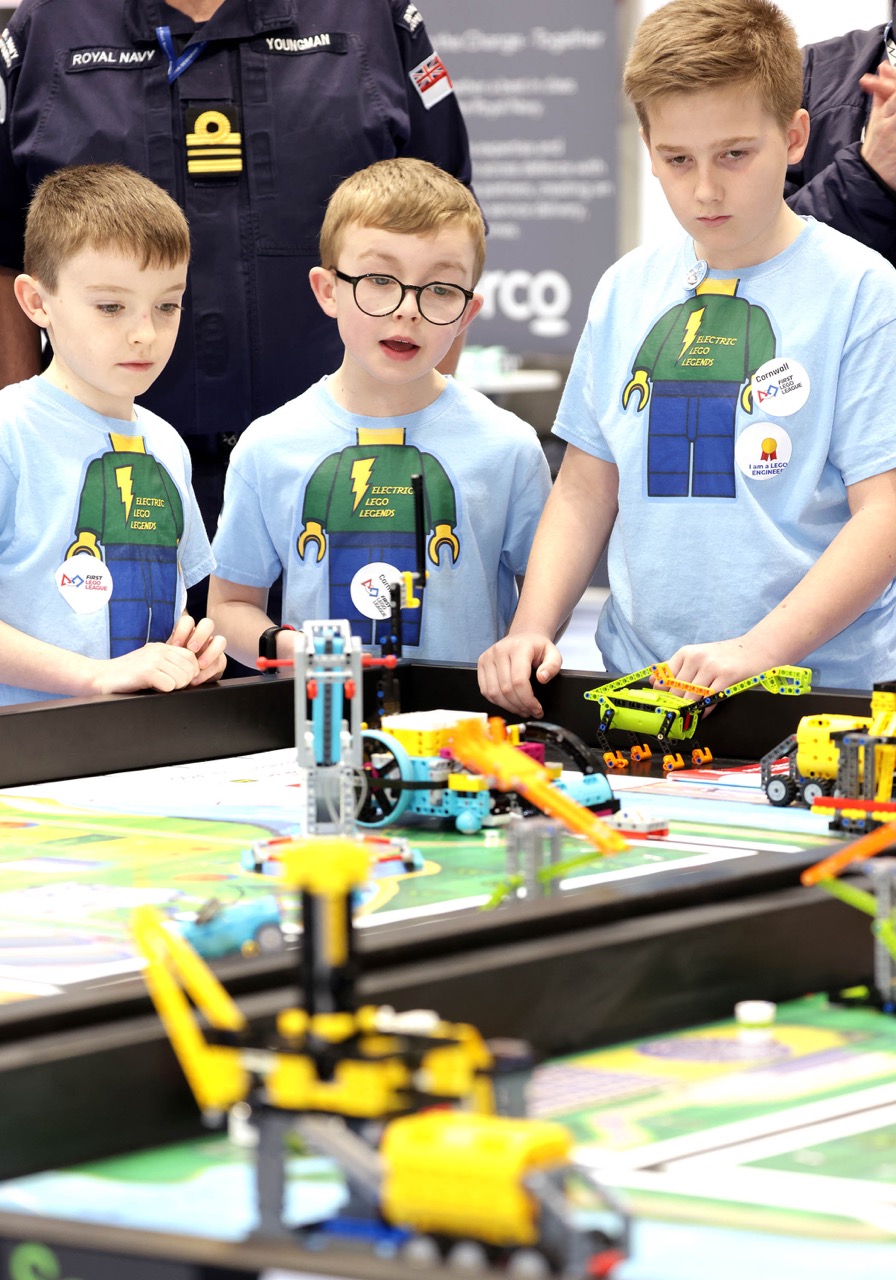
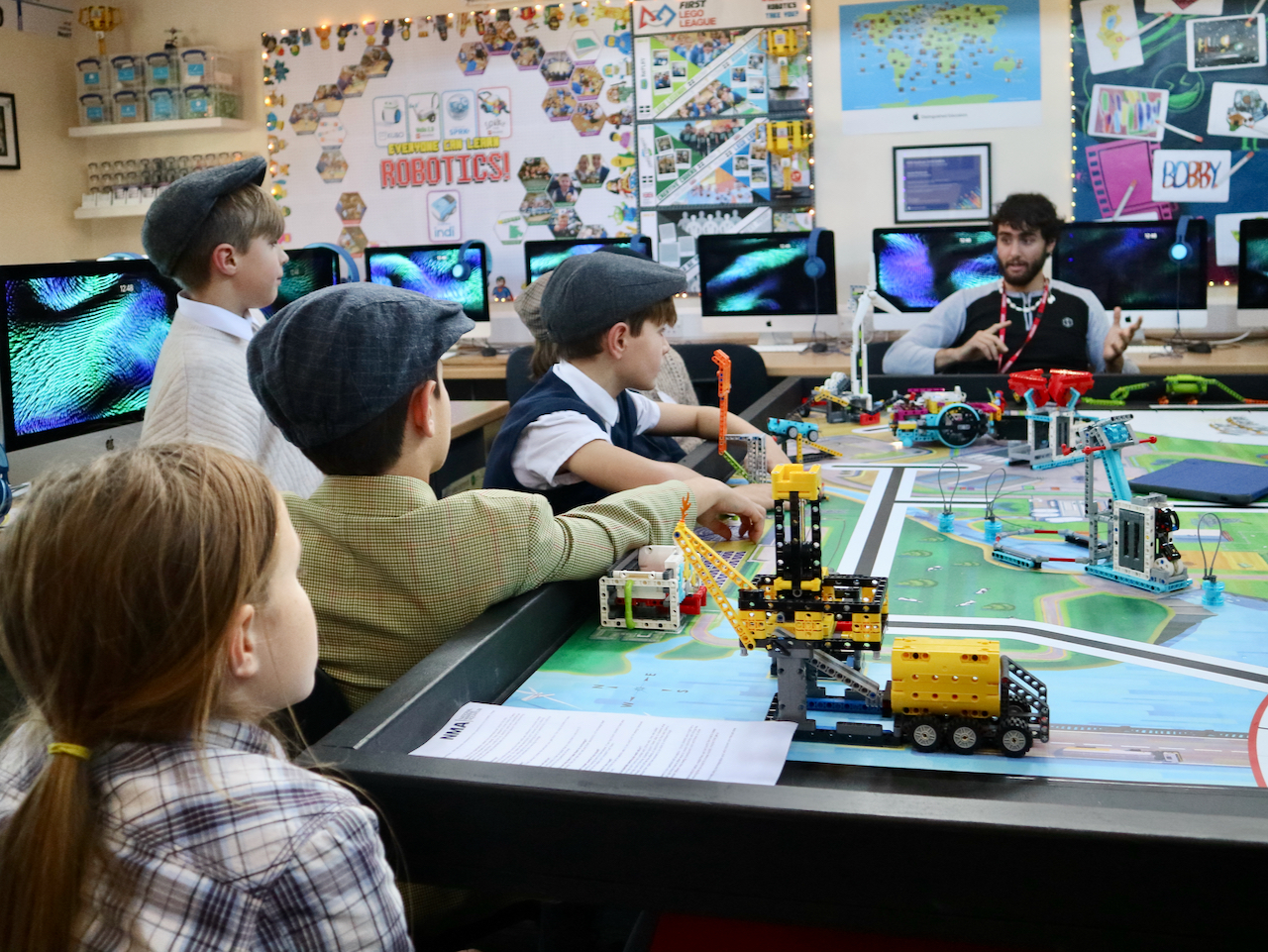
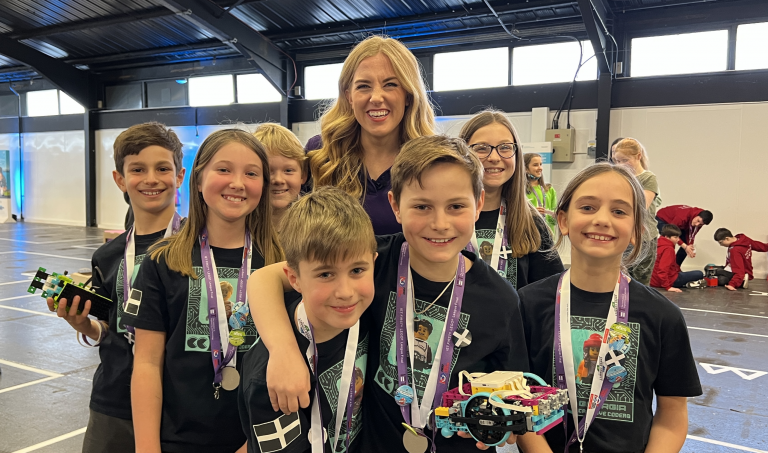
Last week we took two teams to the Cornwall Finals of the FIRST LEGO League, held at RNAS Culdrose. We have our team of Year 5’s – the Electric LEGO Legends (who were competing for the first time) and our returning team of Year 6’s – the Penpol Pumpkins.

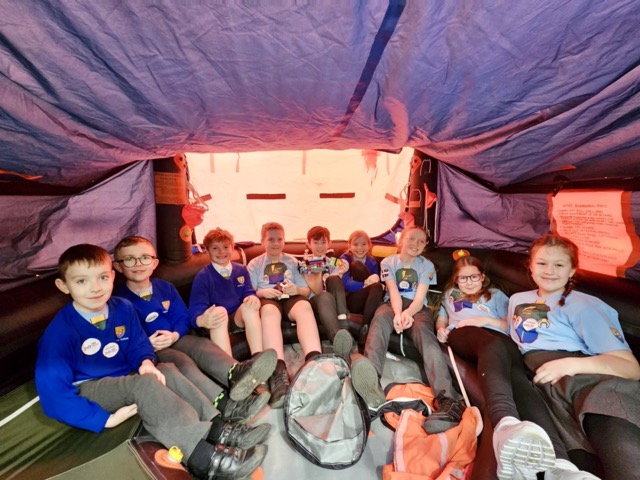
Because of some logistical issues with getting 19 children to Culdrose on the same day we ended up taking one team each day (with the kind help of Hayle Academy letting us share their minibus!).  The Electric LEGO Legends were up first, on Wednesday 8th March.  What they didn’t know was that this was the secondary school day and they were up against 12 other schools – mostly secondaries!

On the Thursday we then took our Year 6’s up to Culdrose where they took part in the competition against 24 other schools!

What follows below is a peek at each day, sharing news of each teams Innovation Project, Robot Games and lots of other fun things they explored on the day…


Part 1: Robot Games

The Robot games is a fun challenge where the children have to design, build and code their very own robot to complete different missions. There is a maximum of 410 points on offer this year and a score of anything over 200 is considered exceptionally good - especially for primary teams!

Electric LEGO Legends

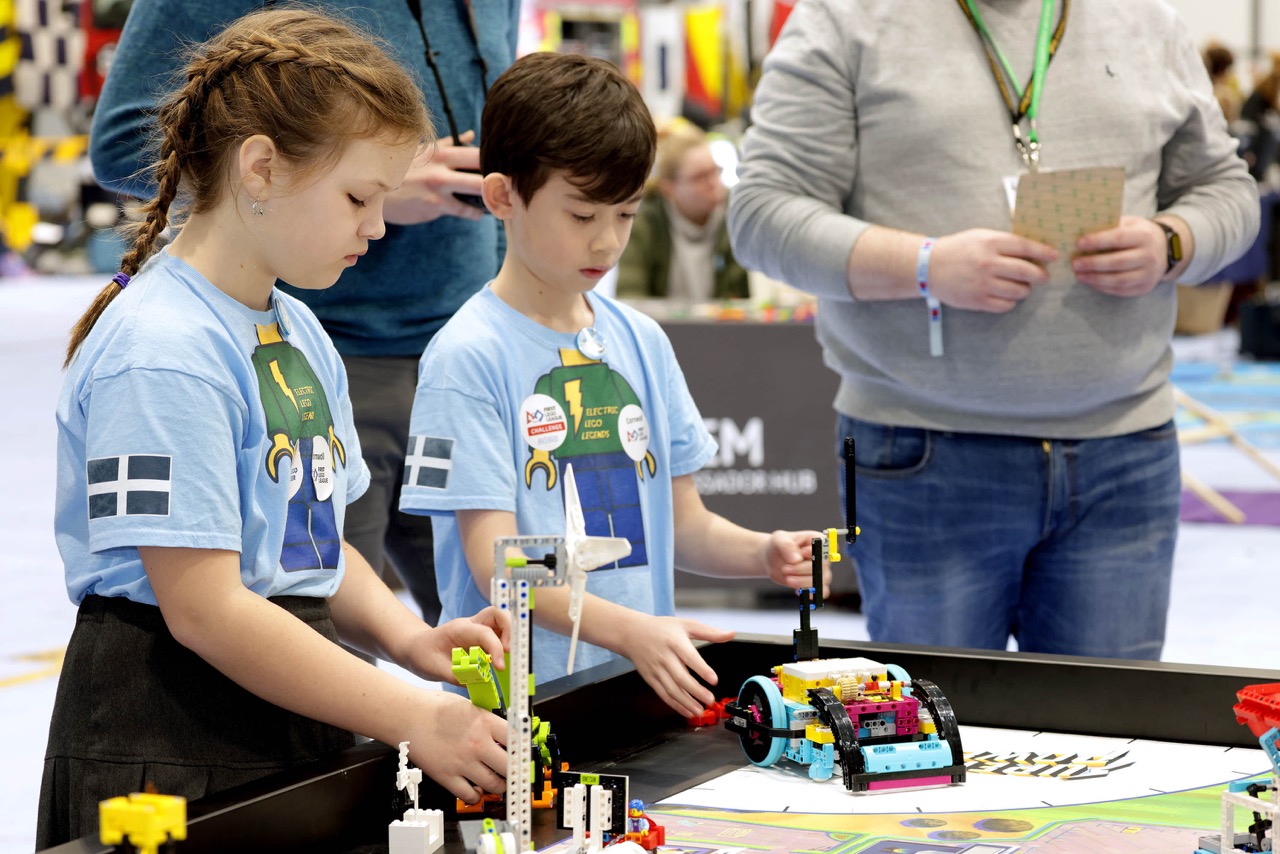
The team had a clear strategy of getting some quick points on the board with the TV and Wind Turbine missions, before heading out to try and achieve some more complex missions too.  They had three attempts to get their best score in just two and a half minutes!

When the final run was over the team were triumphant with their highest score being 205 points.  This stayed the top score for the whole day until the very last team, Nexus, who deployed their  incredibly nifty robot which scored an astounding 260 points on its run!

205

Round 1

145

Round 2

160

Round 3

The Penpol Pumpkins

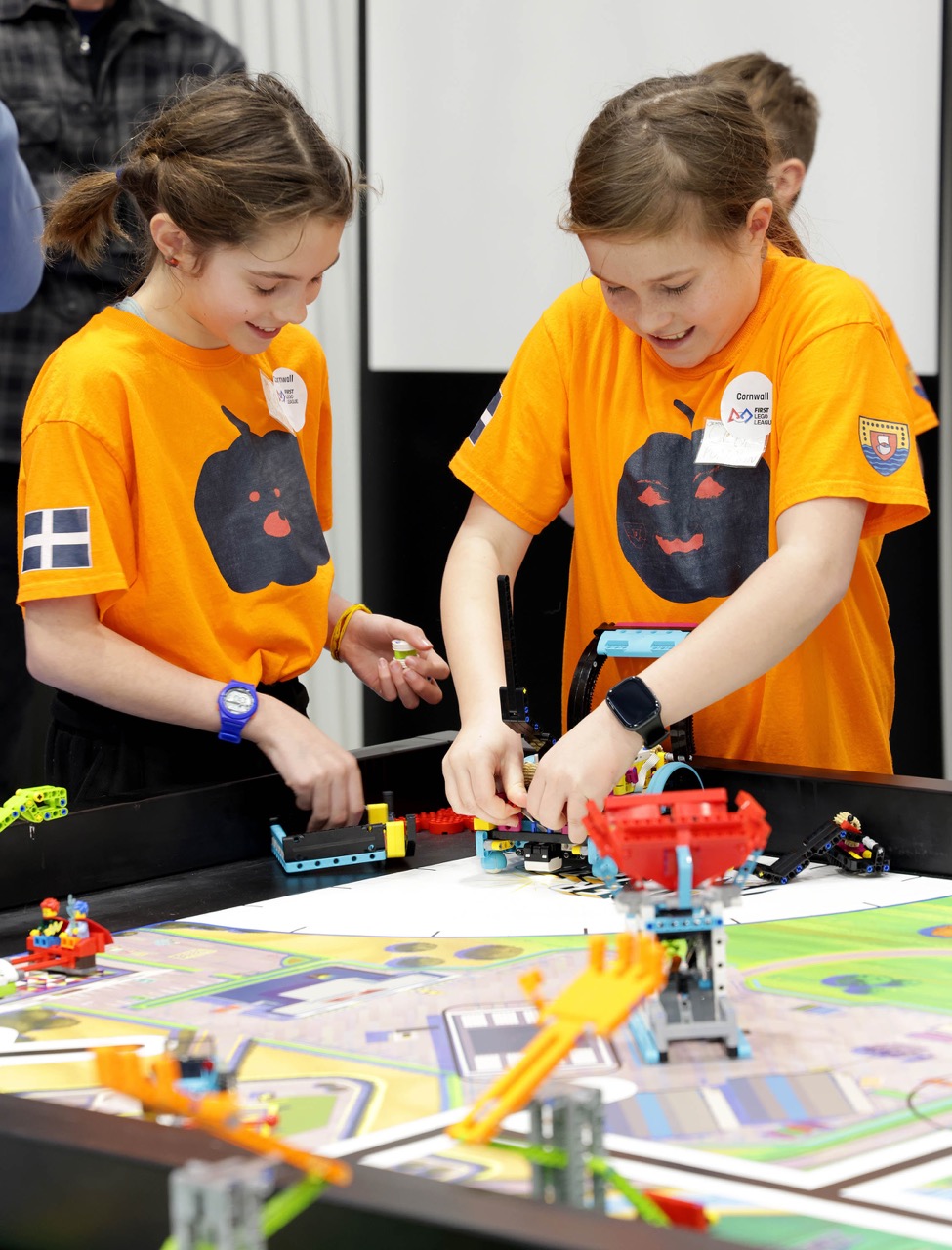
The Pumpkins have used the same robot they took to the competition last year, meaning they spent longer working on the code itself rather than building a new robot.  They managed to complete almost every mission, but had to cut this right back to fit inside the two and a half minute timeframe.

Over the three runs the children had a high-score of 240 points, thanks to some super-quick work in switching the attachments and a perfect lineup for several of the trickier missions.  They very nearly came top of the charts in the robot games, save for an incredibly exciting final run from Darite School who pipped us to the post with a stunning score of 245.

190

Round 1

240

Round 2

180

Round 3

Part 2: Innovation Project

The Innovation Project is a chance for the children to identify a problem linked to the annual theme (Energy for this season) before researching, creating, refining and presenting their own innovative solution. This takes the form of a five minute presentation to the judges and a ten minute question and answer session afterwards.

Electric LEGO Legends

The Electric LEGO Legends have been exploring electricity this year and how we can use renewable sources of energy rather than non-renewables.  They initially took a keen interest in electric cars and considered basing a project around that, but eventually settled on an idea of building sustainable houses by including a vertical wind turbine alongside a pair of houses.

The judges enjoyed the teams presentation and praised the enthusiasm and interest shared by the team whilst they gave their presentation.  They also loved how the team had consulted with experts in the field and how they’d reflected honestly on the project they’ve created thus far.

The team scored a very credible 32 points out of a total of 40 for their project and received a lot of positive comments from the industry judges.

32 points

out of a total of 40

The Penpol Pumpkins

The Penpol Pumpkins were inspired by the day after Halloween and how many pumpkins are left on door steps to rot and then eventually get thrown in landfill.  They soon realised that it wasn’t only pumpkins that were thrown away in the rubbish – in fact 35% of all black bin bags in Cornwall contain food waste!

Their presentation was focussed on the idea of promoting the upcoming Cornwall Council Food Waste collection by creating an advertising campaign to encourage people to recycle food rather than sending it to landfill.

Having learnt from last years performance, the team opted to deliver their presentation as a play where they all took on different roles.  Having seen these children last year and then again at Culdrose, the difference is quite simply staggering.  The judges agreed and awarded the Pumpkins 39 points out of 40. Incredible!

39 points

out of a total of 40

Part 3: Robot Design Presentation

The last part of the competition was the Robot Design Presentation. This name is slightly deceptive as it isn’t just about the robot that the teams have built. Yes it is largely about this, but it is also a chance to share the story that the children have been on since starting their journey in the competition. This is a chance to share their learnings, their new skills, their strategies, plans and anything else that they want to with the judges.

Electric LEGO Legends

For this presentation the team took an innovative approach and based it around an ‘interview-style’ format where the team asked each other questions about their robot, the way it was coded and how they approached each mission.

This presentation proved really interesting as it allowed the children to share lots of relevant information and impressed the judges with their learning so far.

The judges commented that they were “all involved, testing each challenge and working together to solve puzzles” and that they were very strong at “learning and adapting” as their robot and coding skills developed.

31 points

out of a total of 40

The Penpol Pumpkins

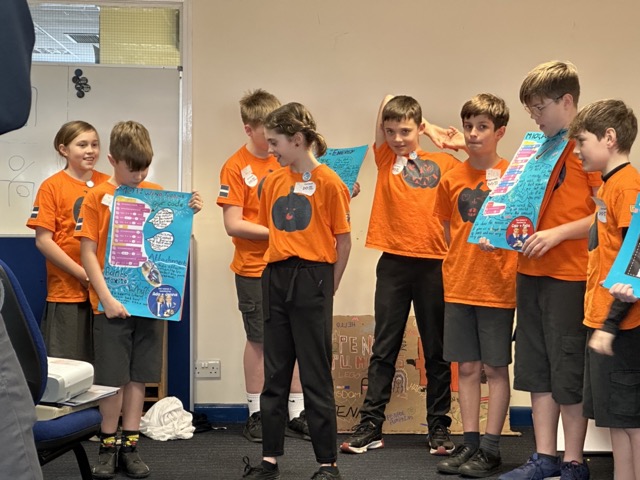
For their Robot Design presentation the Penpol Pumpkins created large A3 posters with code snippets, attachment photos and other commentary on them.  These then formed the core of their presentation as they were able to discuss in detail how different parts of the robot functioned and explain their overall mission strategy.

The team also took some time during the presentation to offer some honest reflections on what the competition means to them and how they’ve grown as individuals and as a team over their two years competing.

The judges were impressed with their journey and their robot, commenting that it was a “superb team effort from start to finish!”

36 points

out of a total of 40

Part 4: Core Values

The final of the four areas that teams are marked on is called the Core Values. These values include Discovery, Innovation, Impact, Inclusion, Teamwork and Fun. Throughout their presentations, their robot games and the day itself the teams are being judged on these six areas.

Electric LEGO Legends

Despite being a first-time team at the competition, the Electric LEGO Legends made a big impact on the judges with their teamwork, enthusiasm and matching team t-shirts!  The judges were very impressed that they’d all taken time to learn how to code and how the team had a “real buzz and enthusiasm” throughout the day.

20 points

out of a total of 24

The Penpol Pumpkins

There’s really no other way to put this, the Penpol Pumpkins blew the judges away with their Core Values and scored an unimaginable full marks in this area!

The judges said they were “simply exceptional” and demonstrated this throughout the whole day with exemplary behaviour, a positive attitude and a real drive to compete at the very highest level possible.

24 points

out of a total of 24

The Final Scores

As you can see from each of the four areas above, both teams did exceptionally well and embraced each and every aspect of the competition. By being such strong all-rounders I'm delighted to final standings for each team...

Cornwall LEGO League: 1st Place

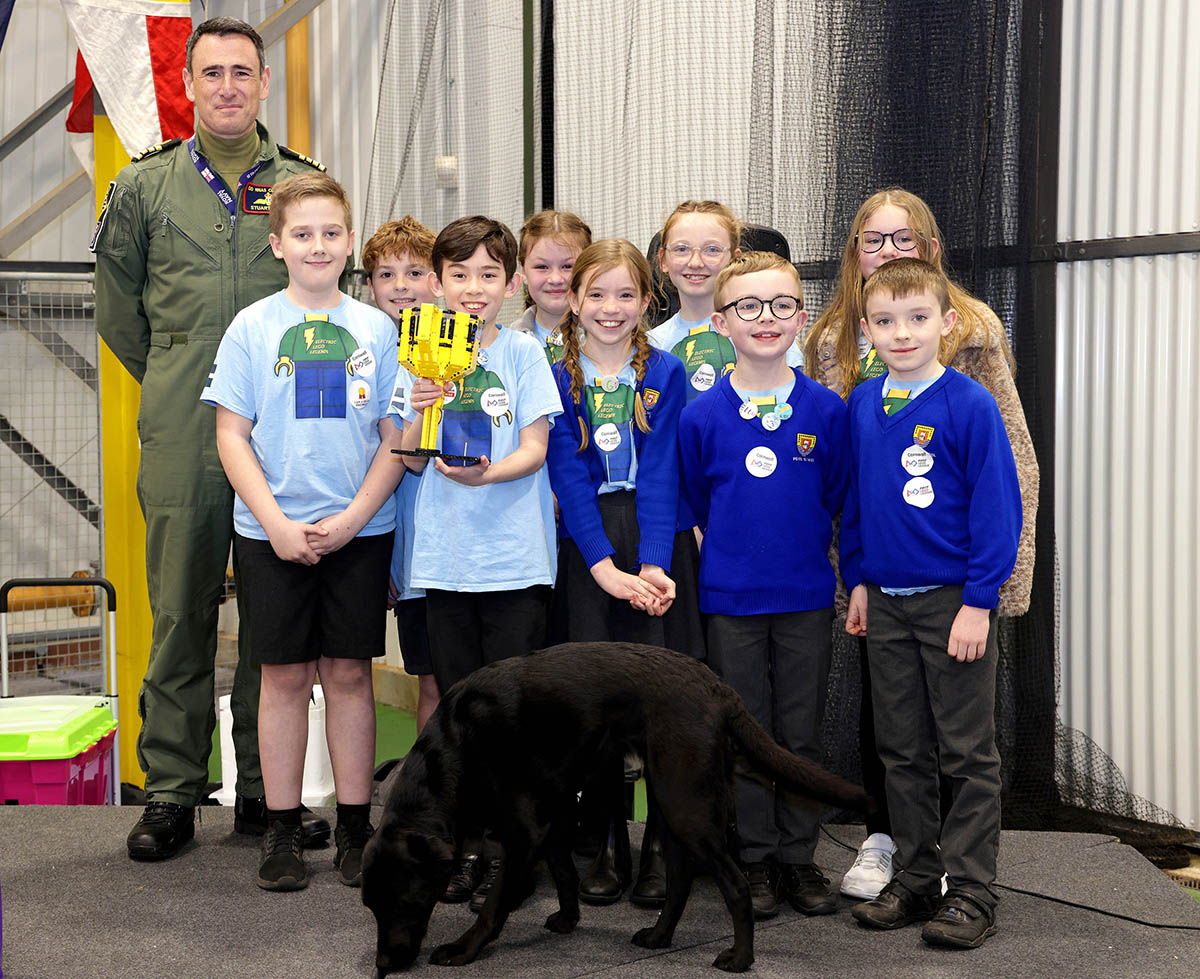
The Electric LEGO Legends came first overall on Day 1 of the 2023 Cornwall Regional Finals and now progress to the UK National Finals!

Cornwall LEGO League: 1st Place

The Penpol Pumpkins came first overall on Day 2 of the 2023 Cornwall Regional Finals and now progress to the UK National Finals!

Photo Gallery

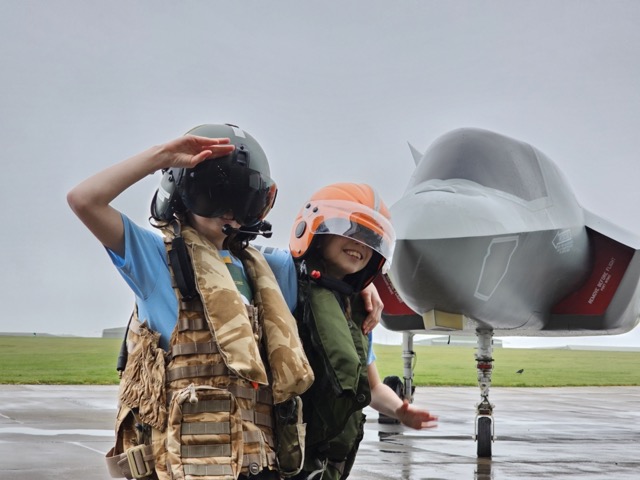
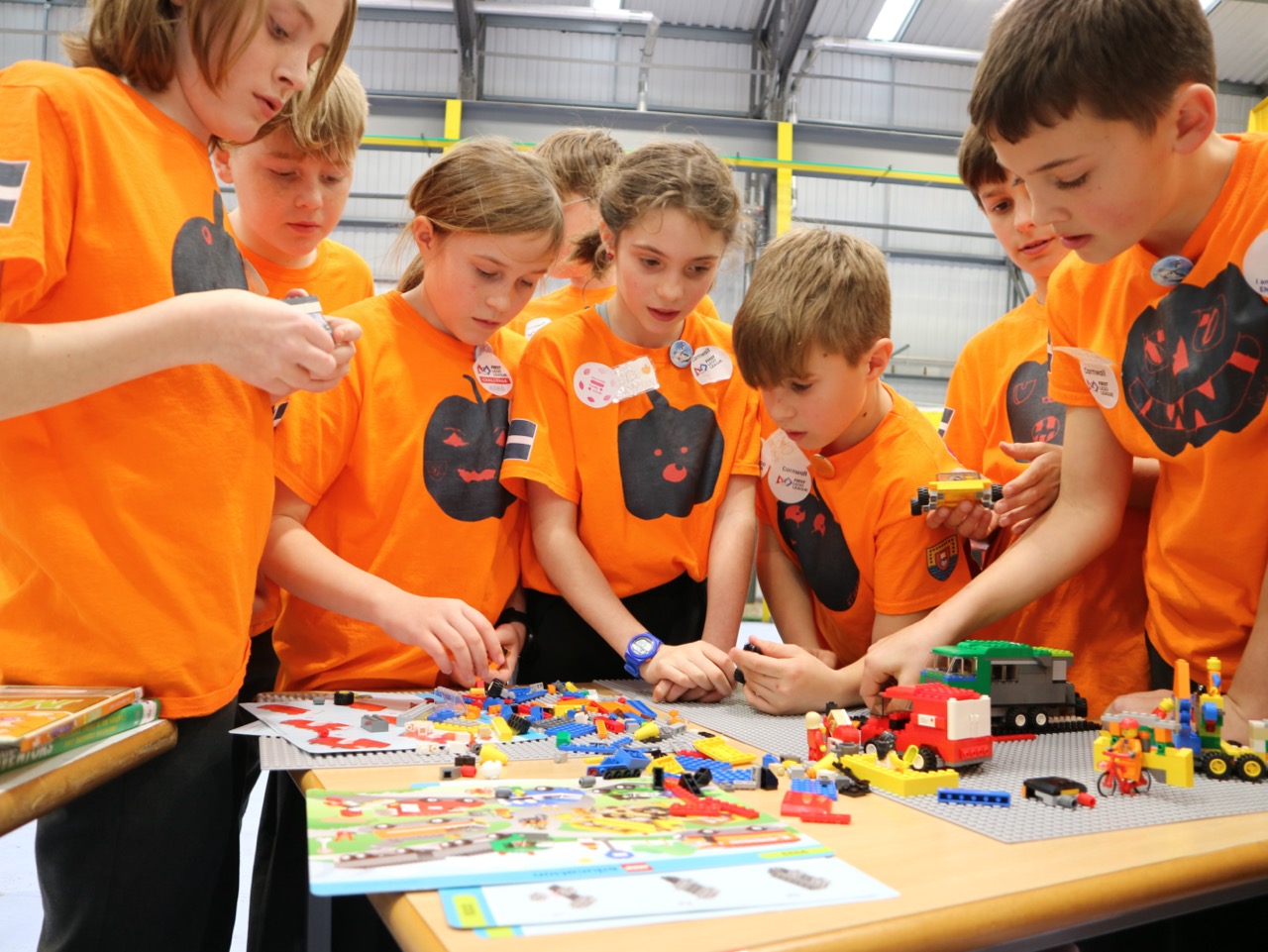
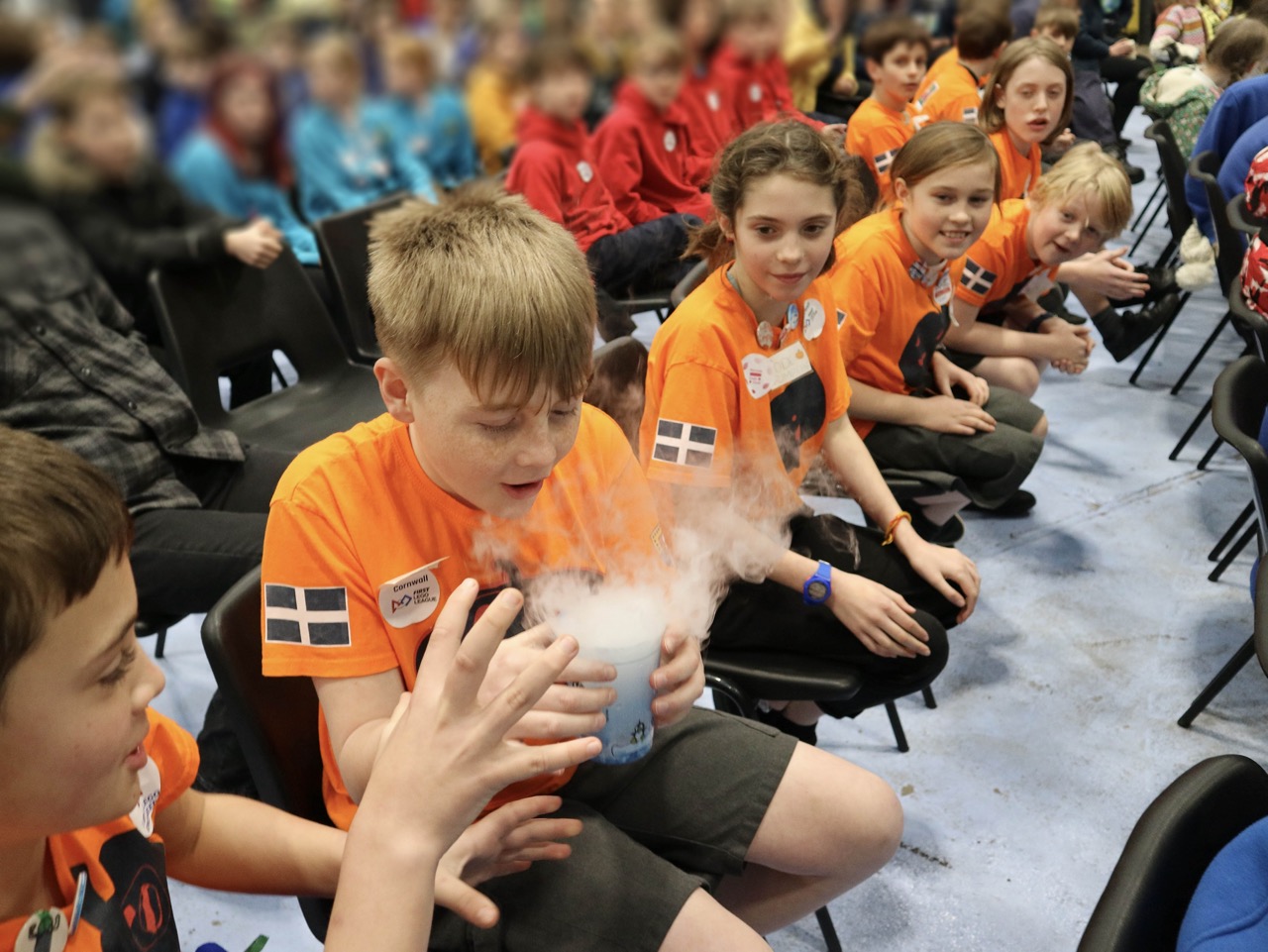
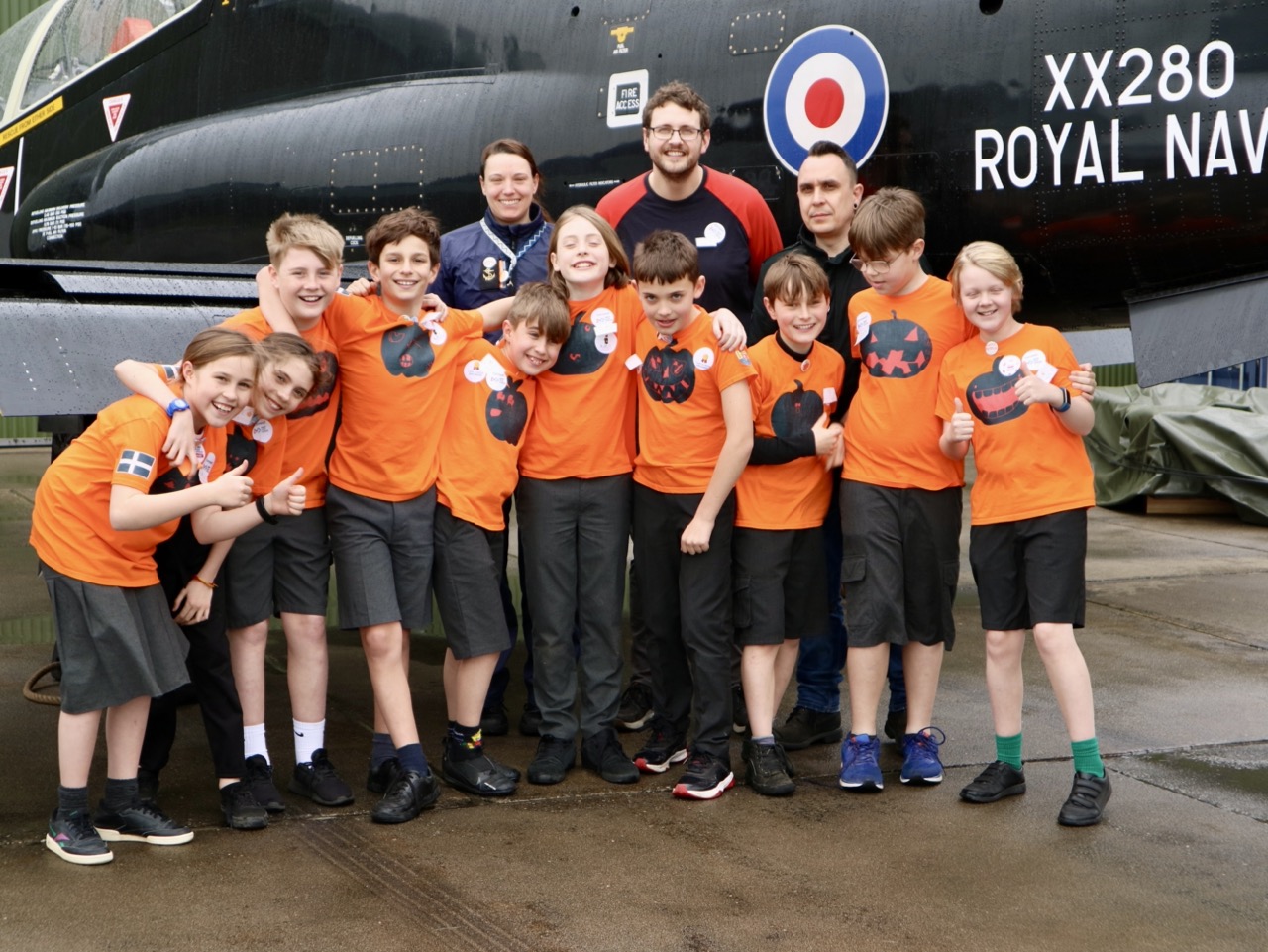
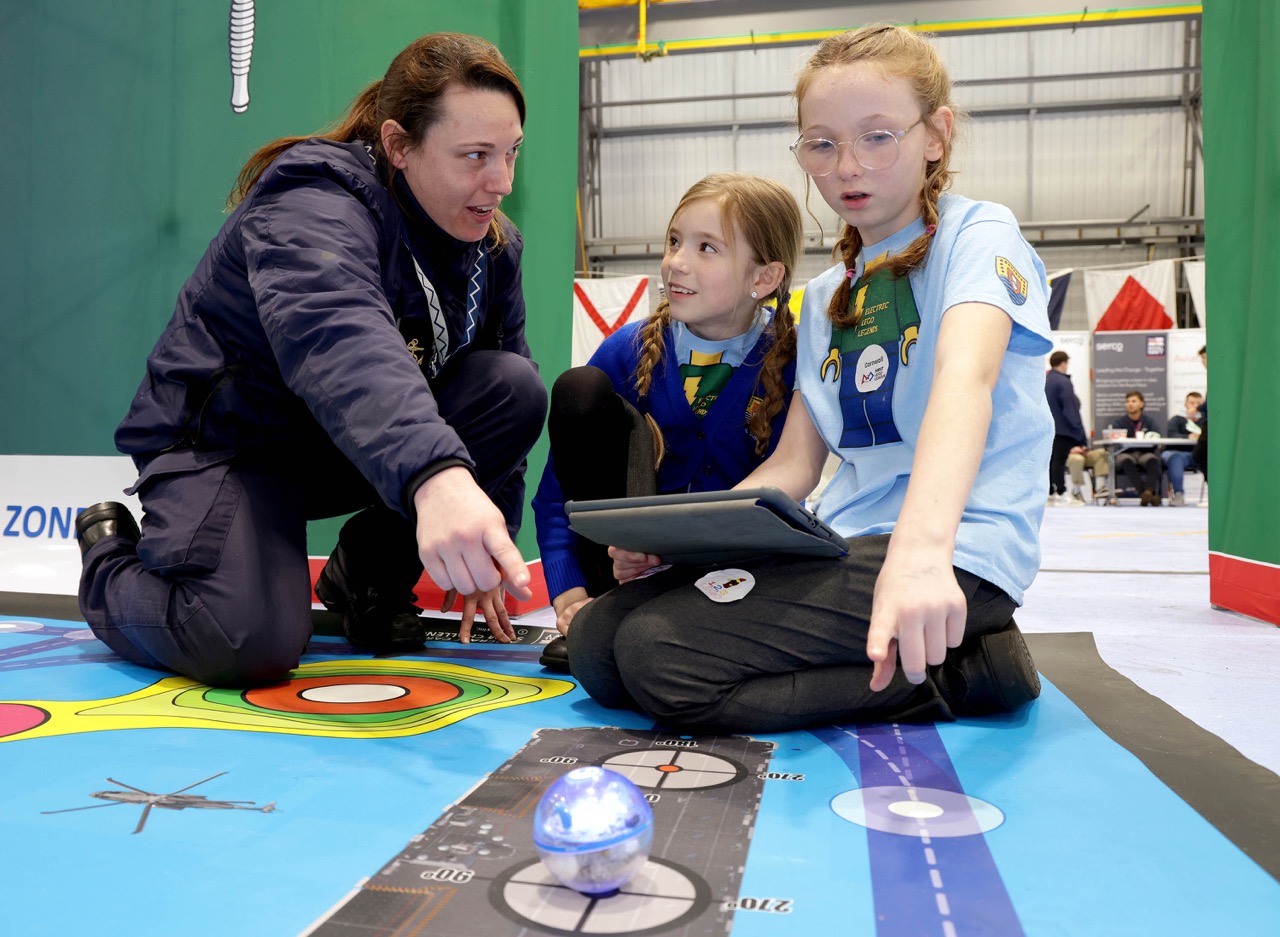
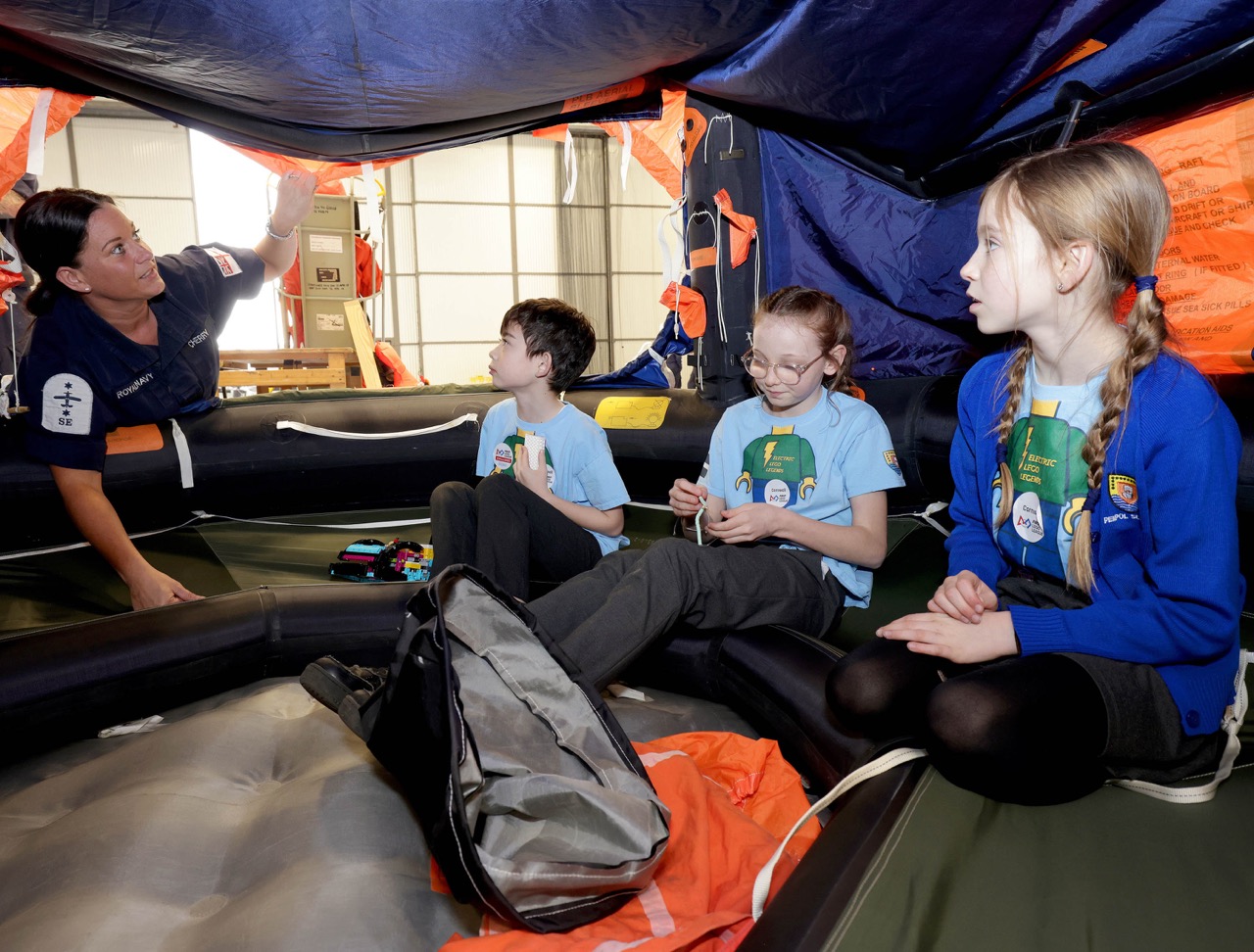
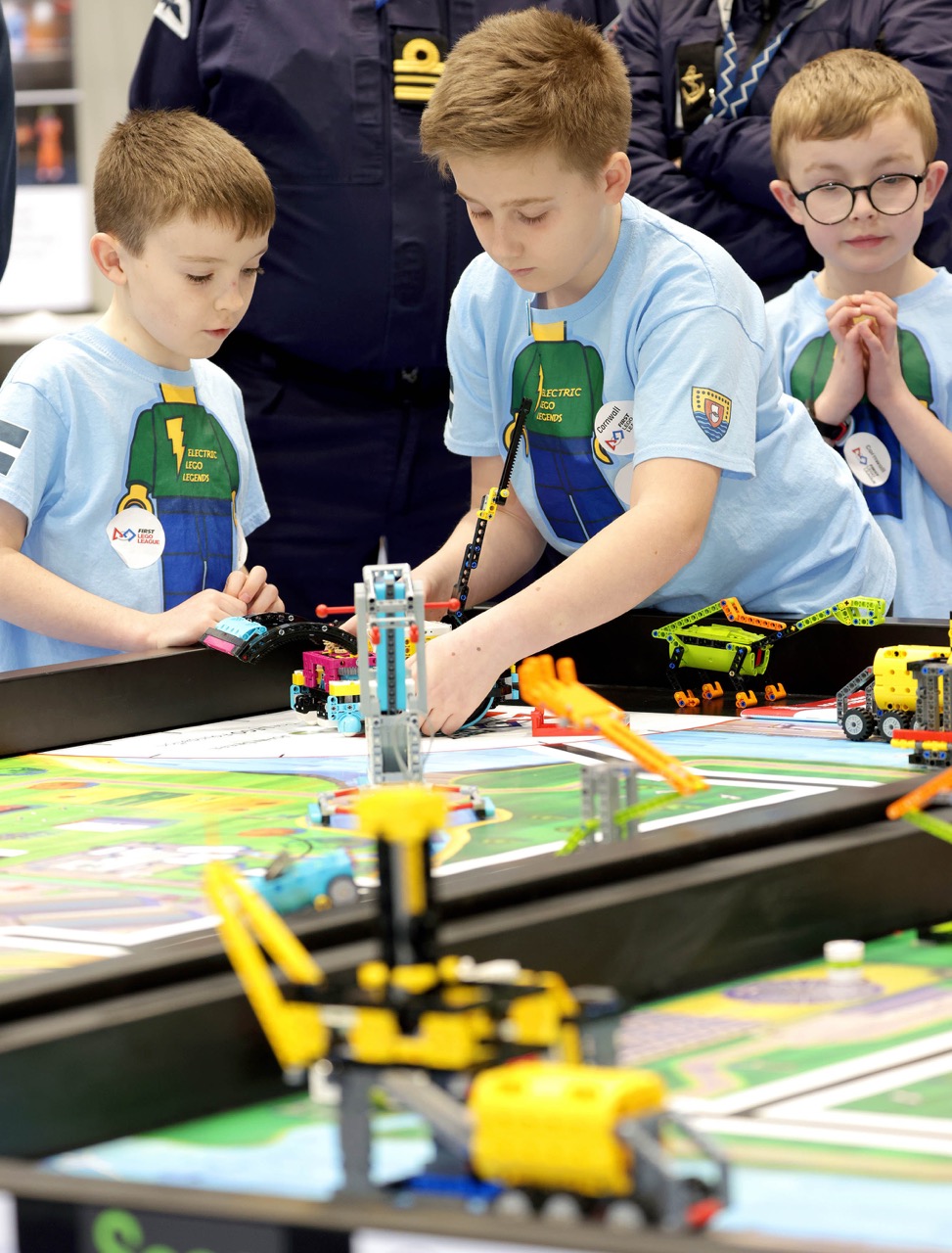
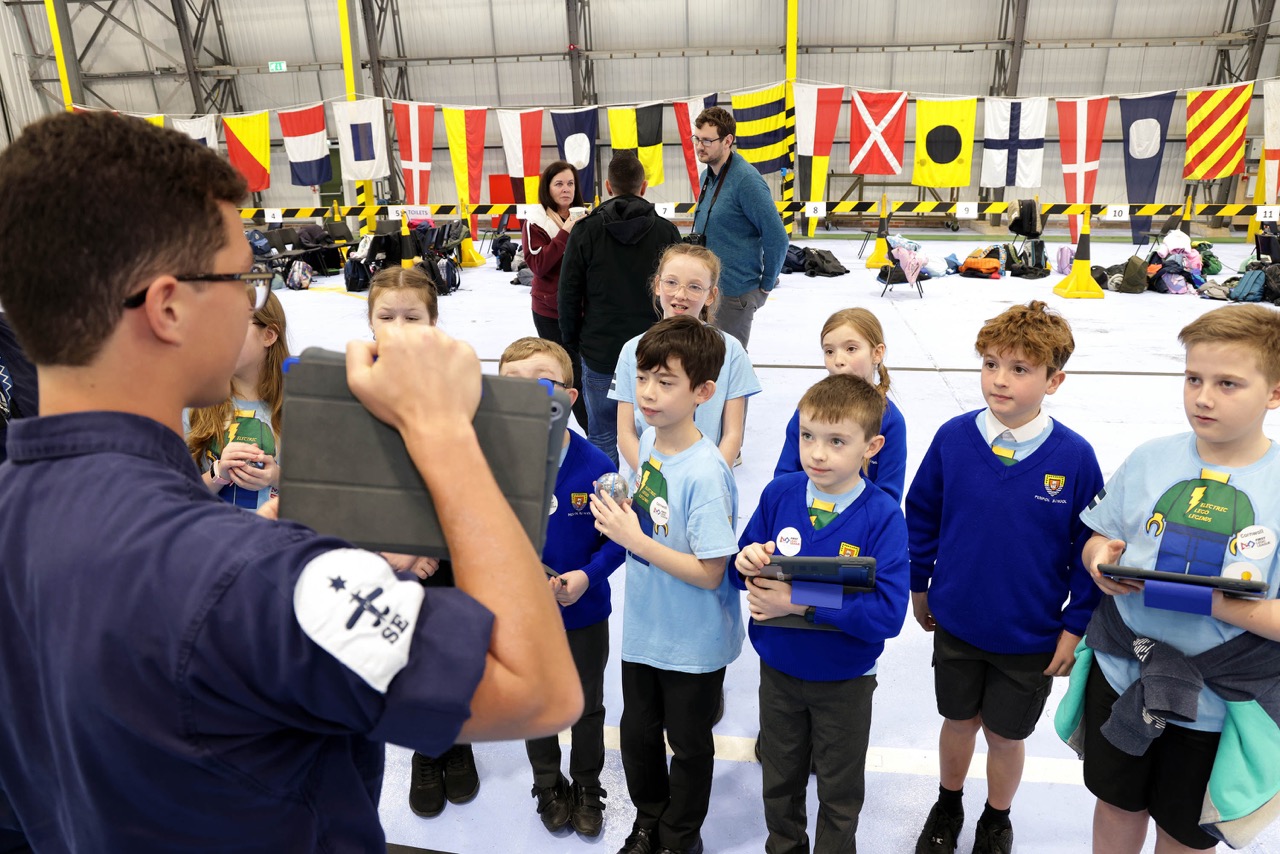
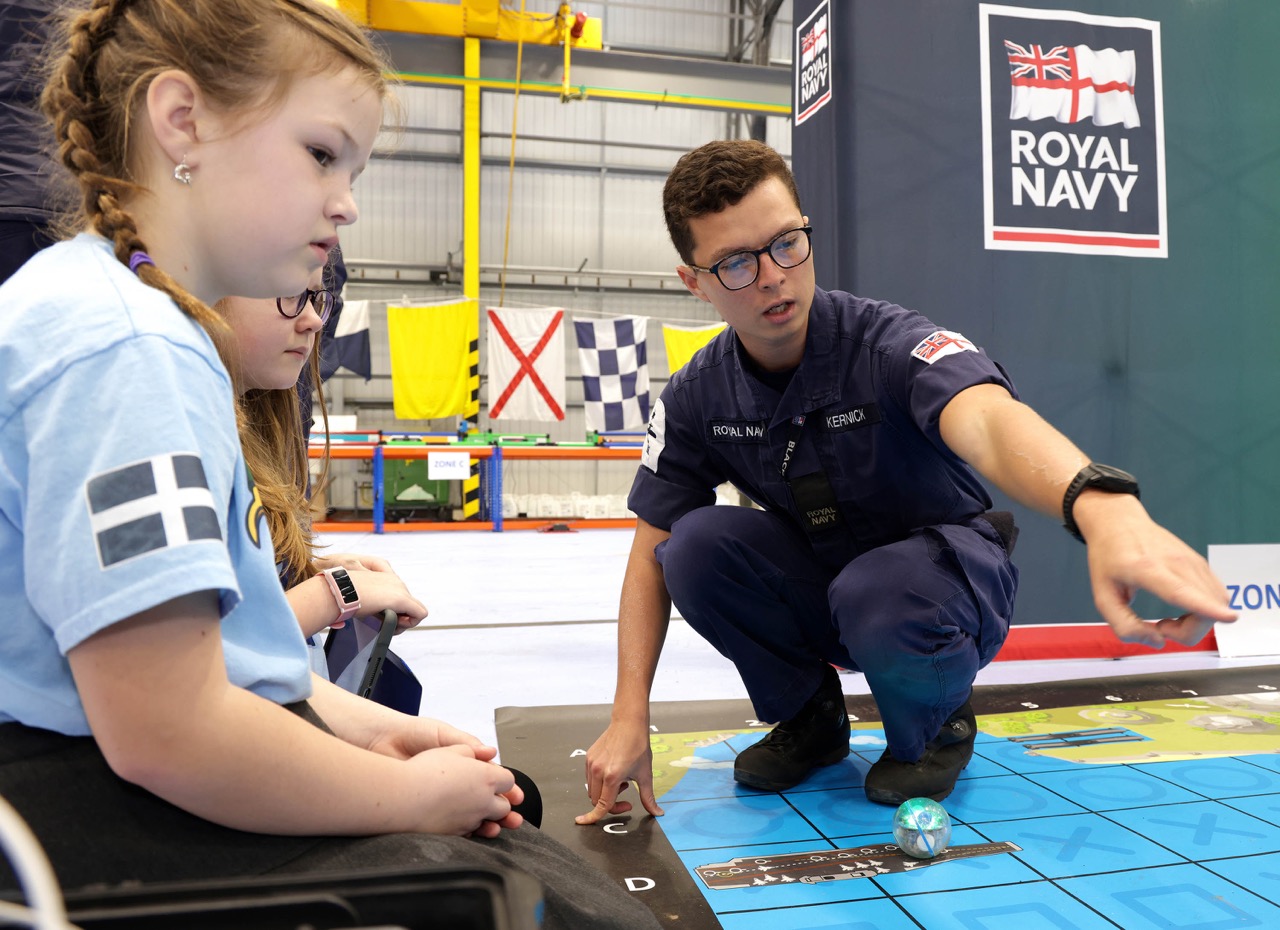
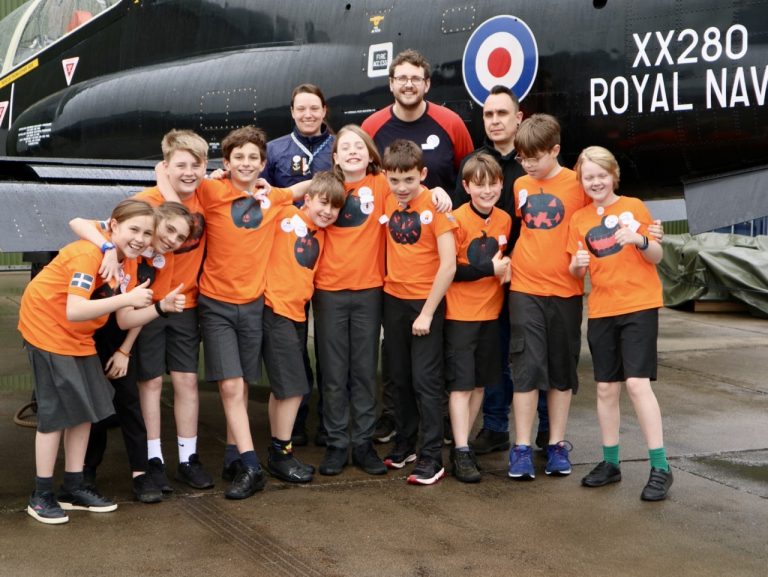
Below are some extra photos from the day, kindly shared with us by LPhot O’Barrow from the Royal Navy.

3D Printing our Wonderful Winter Ornaments

BUILDING WITH BLOCKS IN TINKERCAD

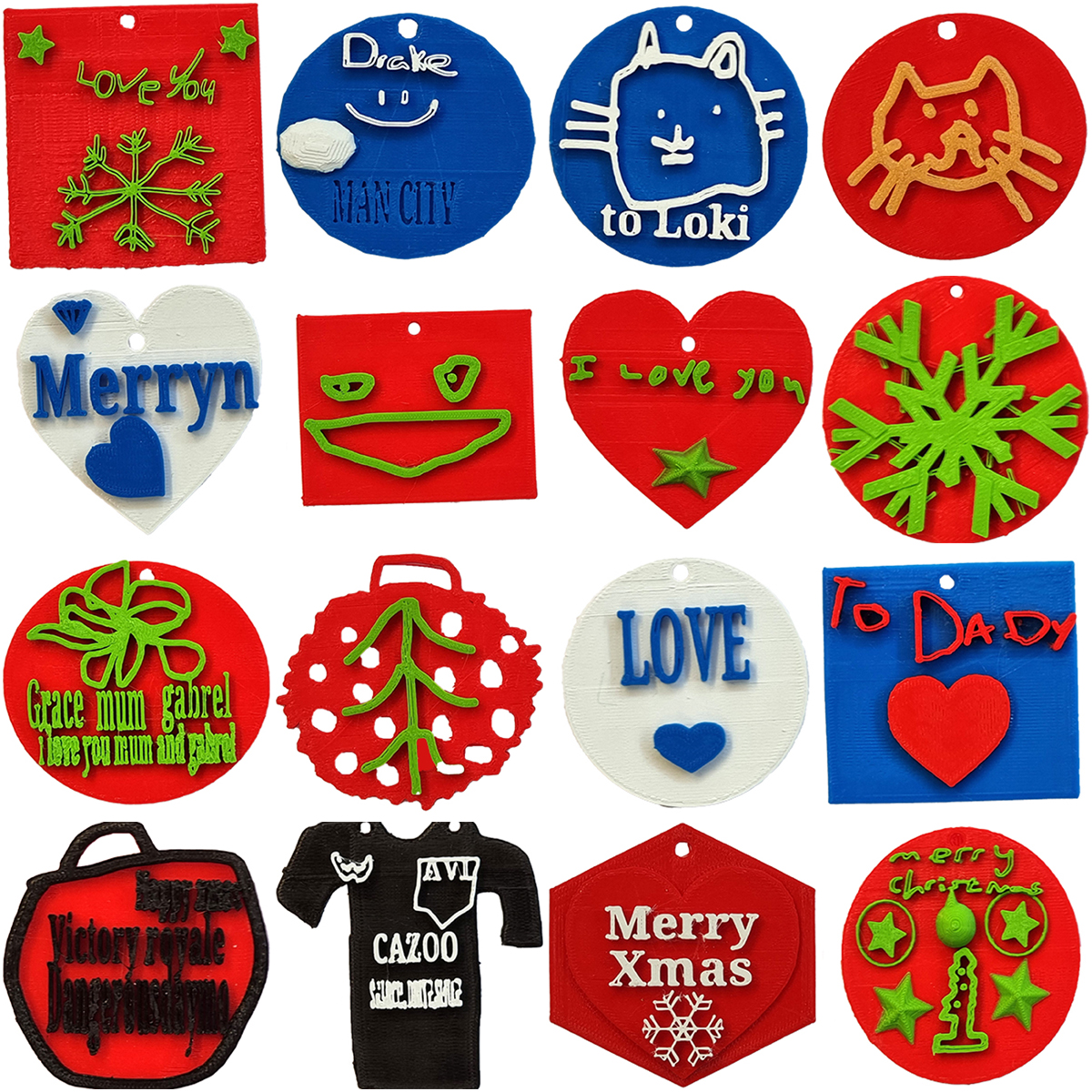
This half term our Year 3’s have been learning how to use Tinkercad to create 3D models and objects on their computers.  This clever program lets you create anything you like in three dimensions, which can then be sent to a 3D printer to turn digital designs into real world objects.

To start with our students were introduced to the basics of Tinkercad (including how to resize, rotate, recolour and arrange 3D shapes).  They then applied this learning to a series of fun (and slightly bizarre!) challenges – including building a Giraffe in 8 blocks, a favourite food item in 6 blocks, a spaceship with 4 blocks and a self portrait with 2 blocks (and the awesome Scribble tool!).  To make it even harder then only had a few minutes for each challenge!

These fun and low-stake challenges helped the children explore the program and encouraged them to create multiple designs very quickly, rather than spending hours on each project.  That meant when we came onto designing our Winter Ornaments the children were able to rapidly prototype different ideas before choosing their favourite.

But rather than me telling you about that here’s a video from some of our Year 3’s talking about the project…

DESIGN, REFINE AND PRINT

Once the children had designed a few different winter ornaments it was then time to refine those designs to ensure they looked as great as possible (and that they would print out nicely on our printer).

Part of this process involved checking the dimensions to ensure they all fit inside a 60mm box and also the tricky task of choosing which colour combination they’d like to use!

Lastly, we added a hole to the top to ensure our decorations could be hung up if desired.

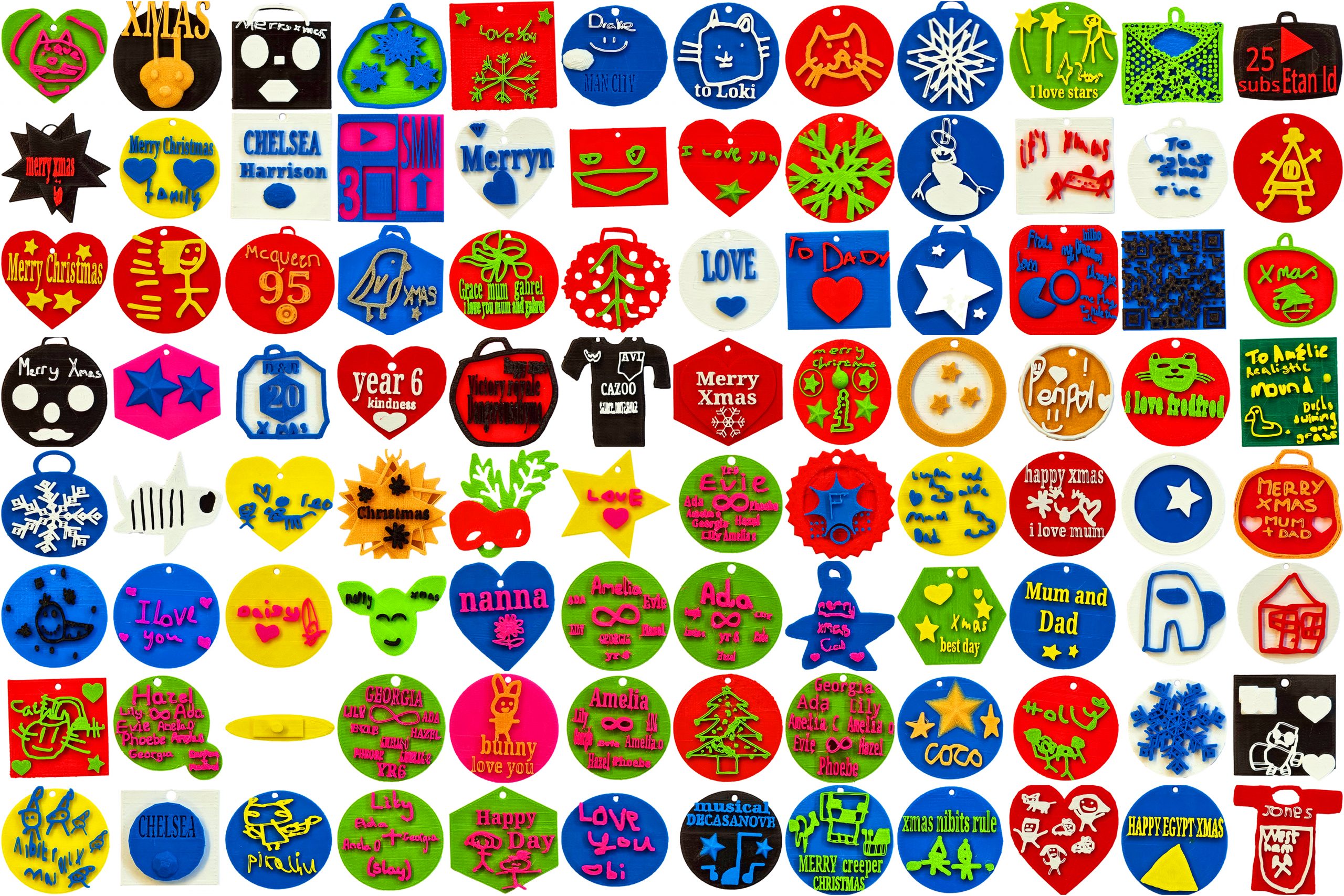
After that all that was left was to print them out.  An easy task you might think? Well, given we had 113 to print and each one takes nearly an hour it was touch and go whether or not we’d get them all done by the end of term!

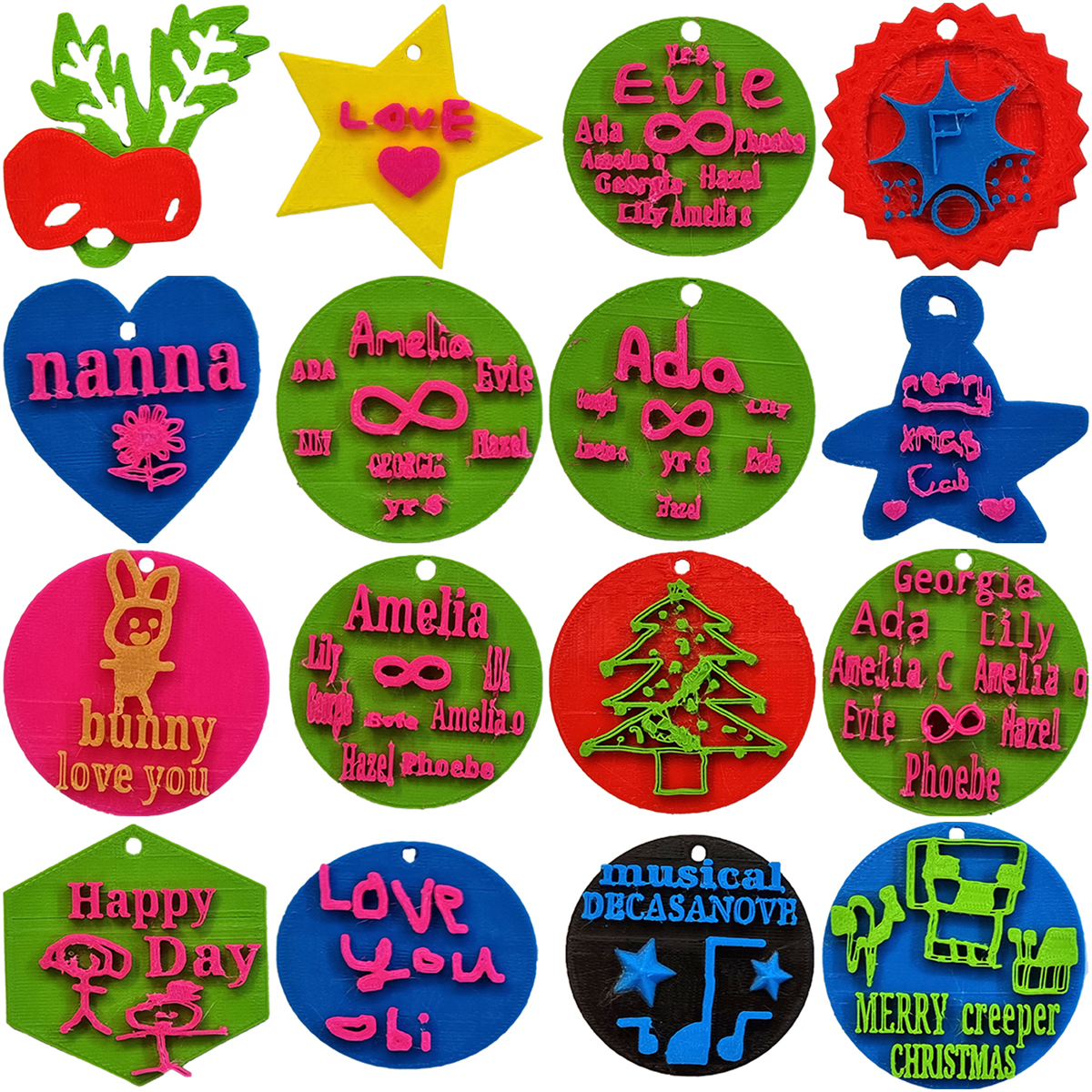
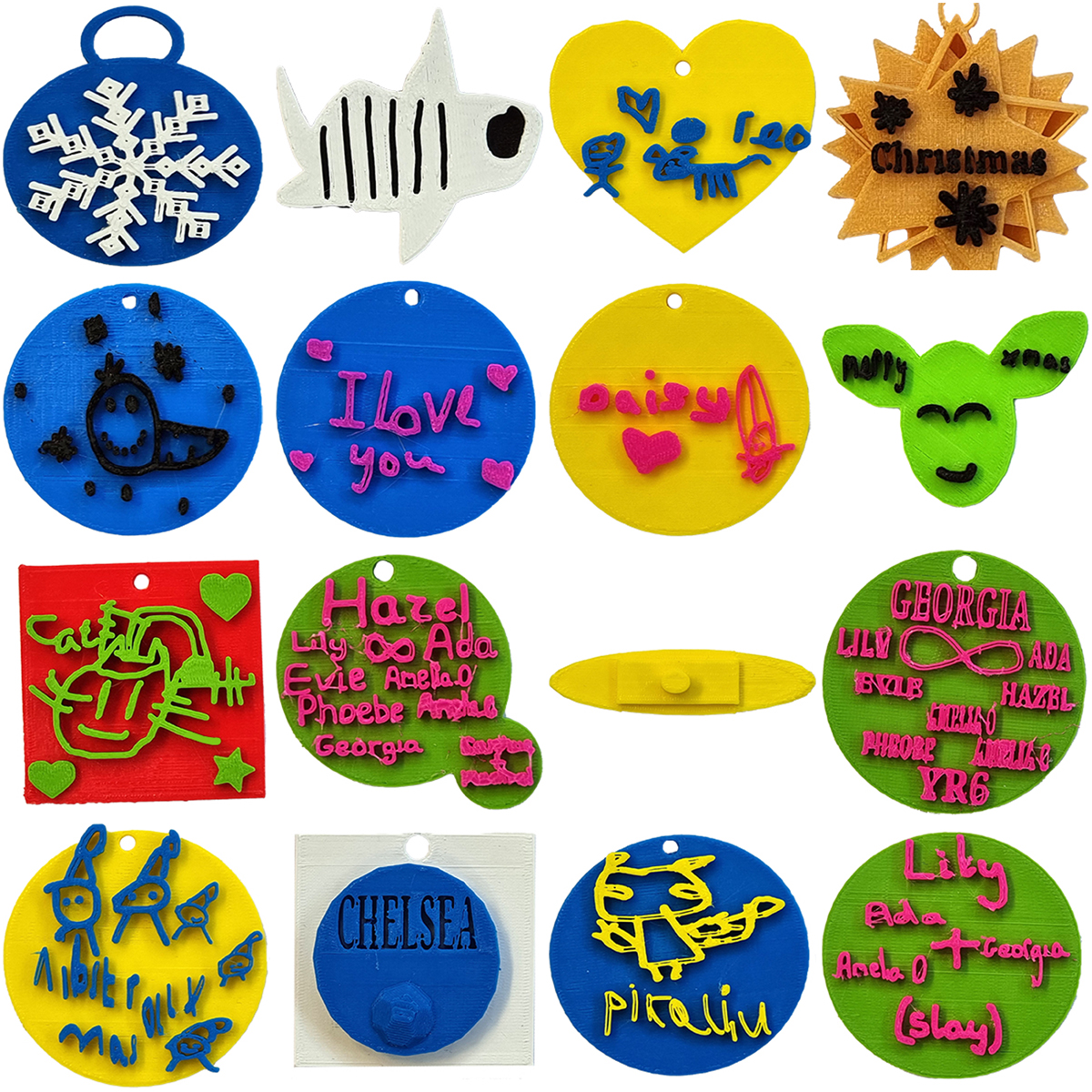
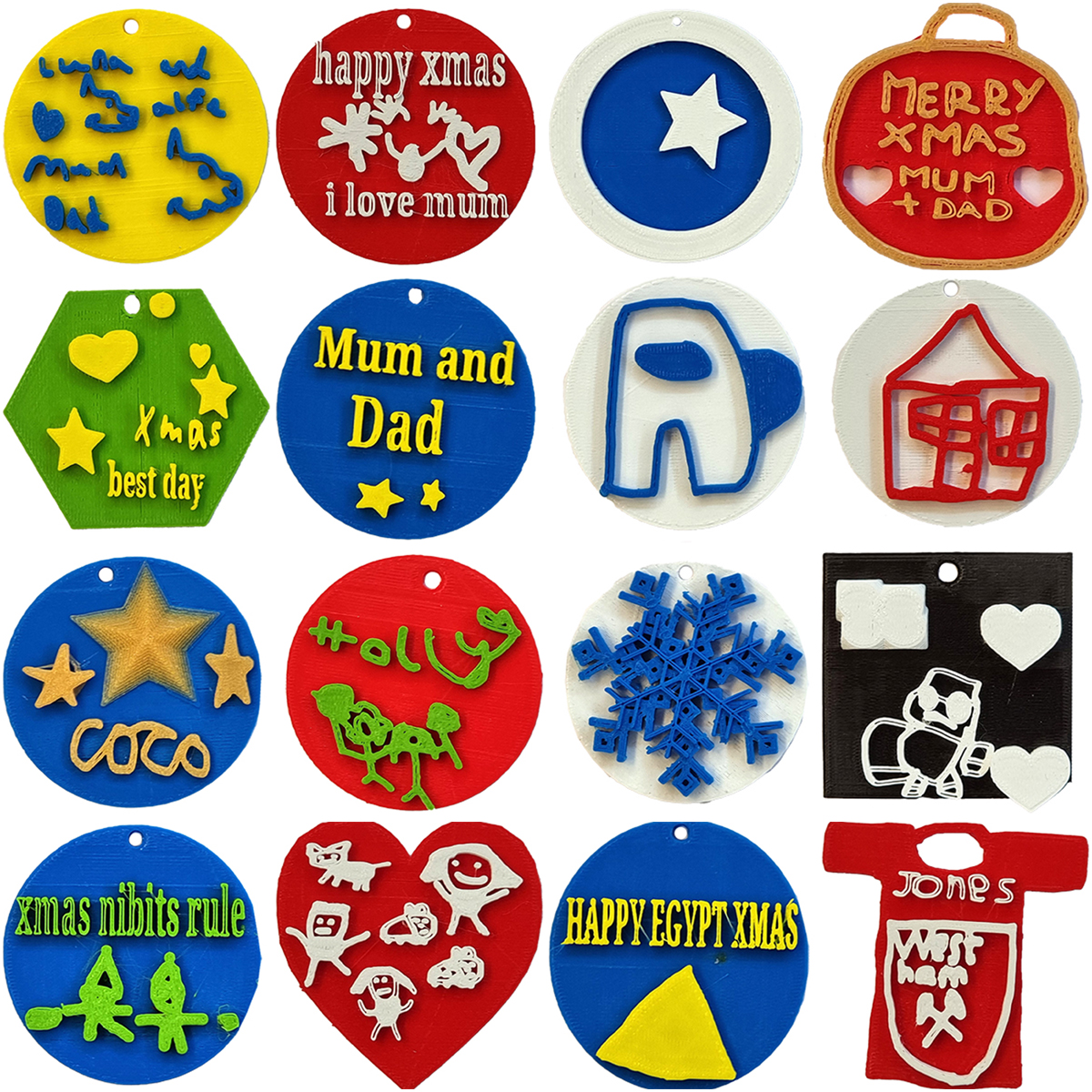
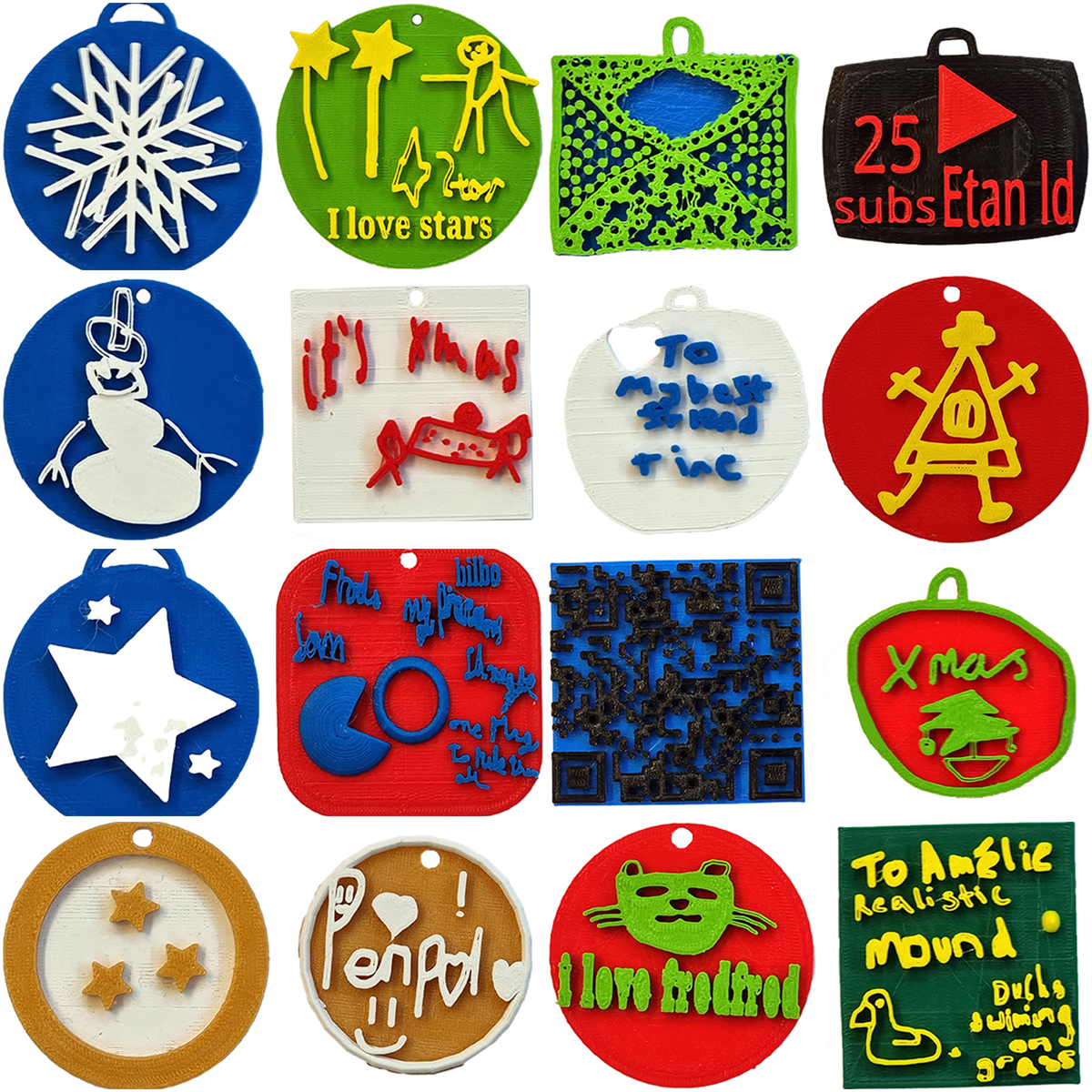
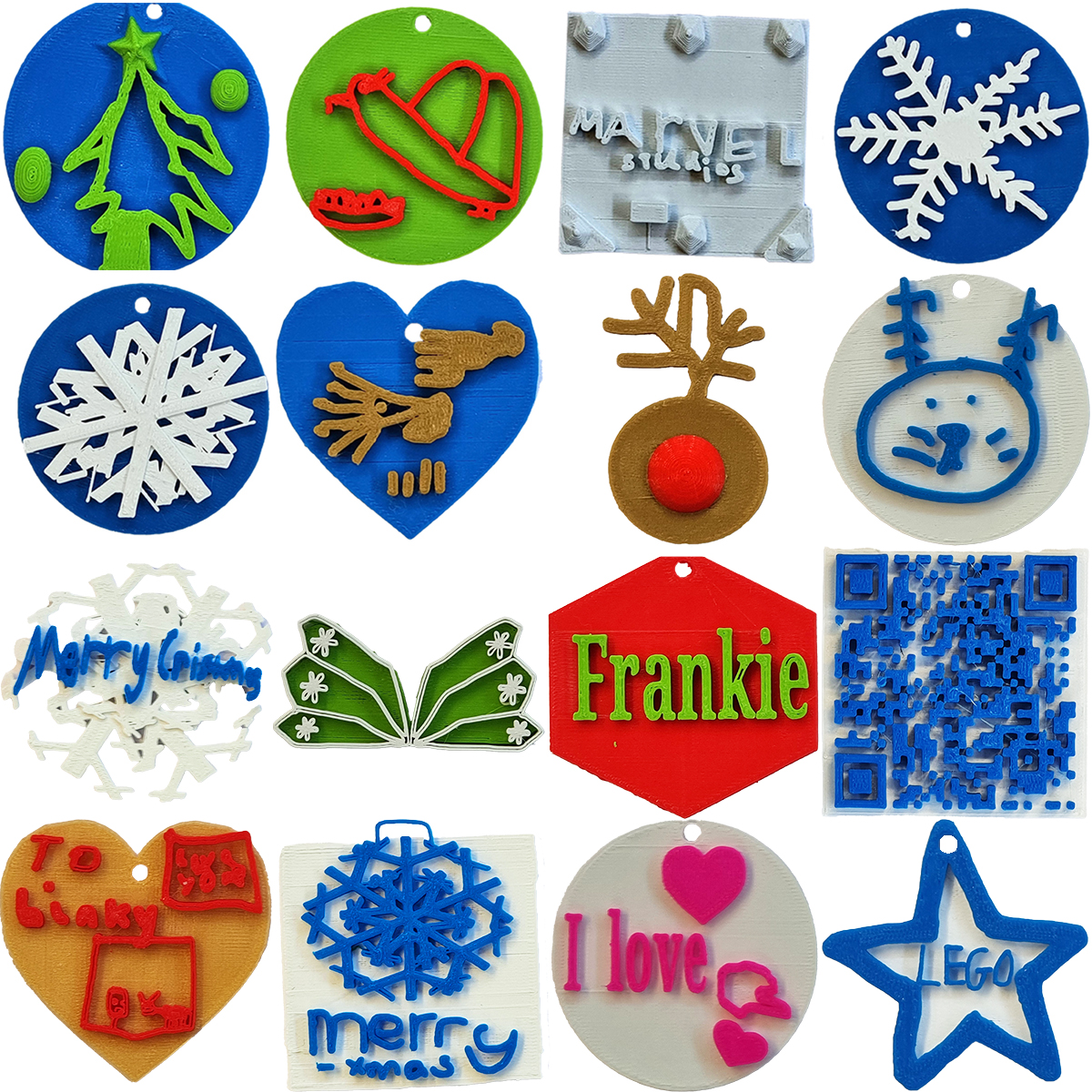
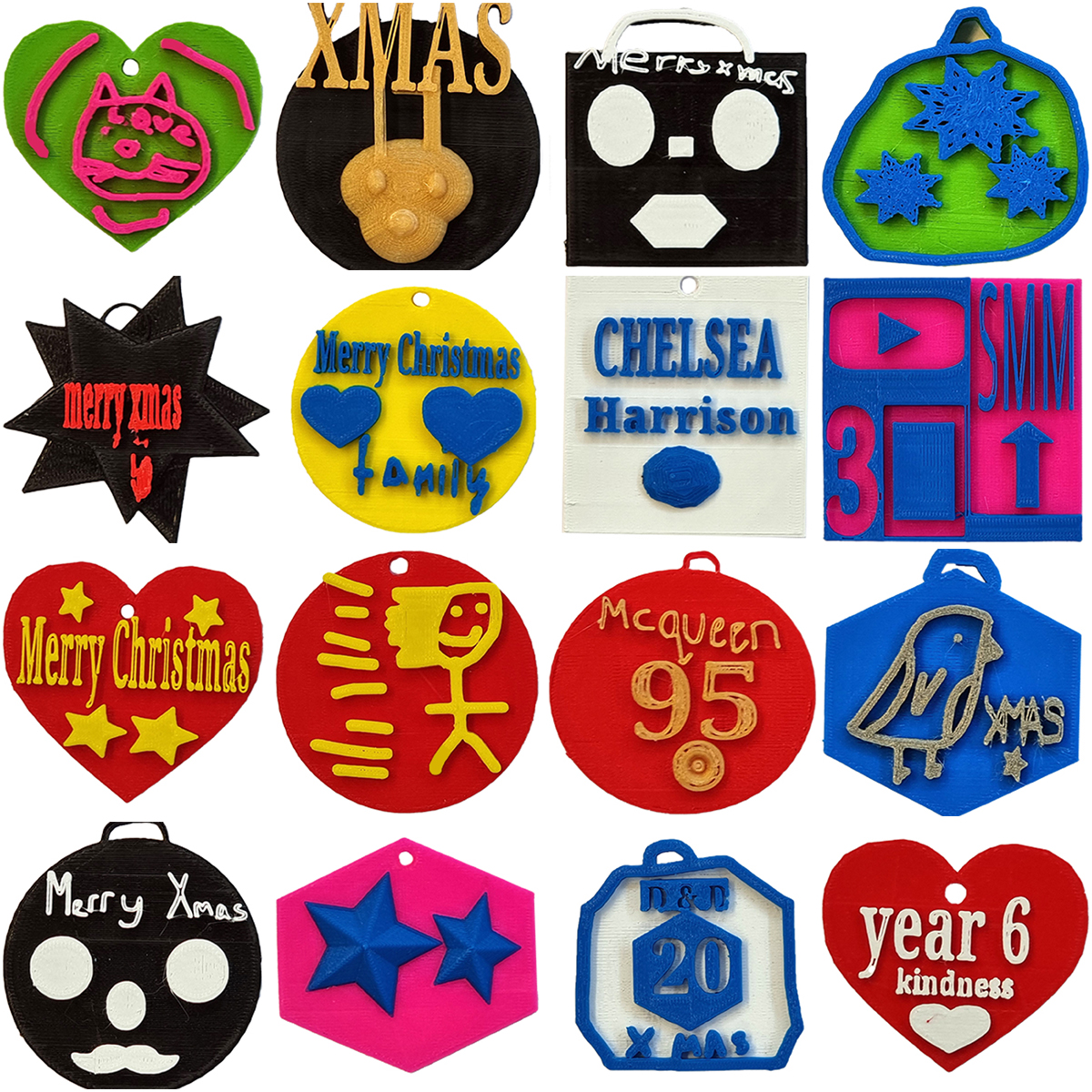
Thankfully we managed it and below you can see a gallery of every single decoration designed by our Year 3’s and Year 6’s this year.

DECORATIONS GALLERY

Constructing Egyptian Pyramids in Minecraft

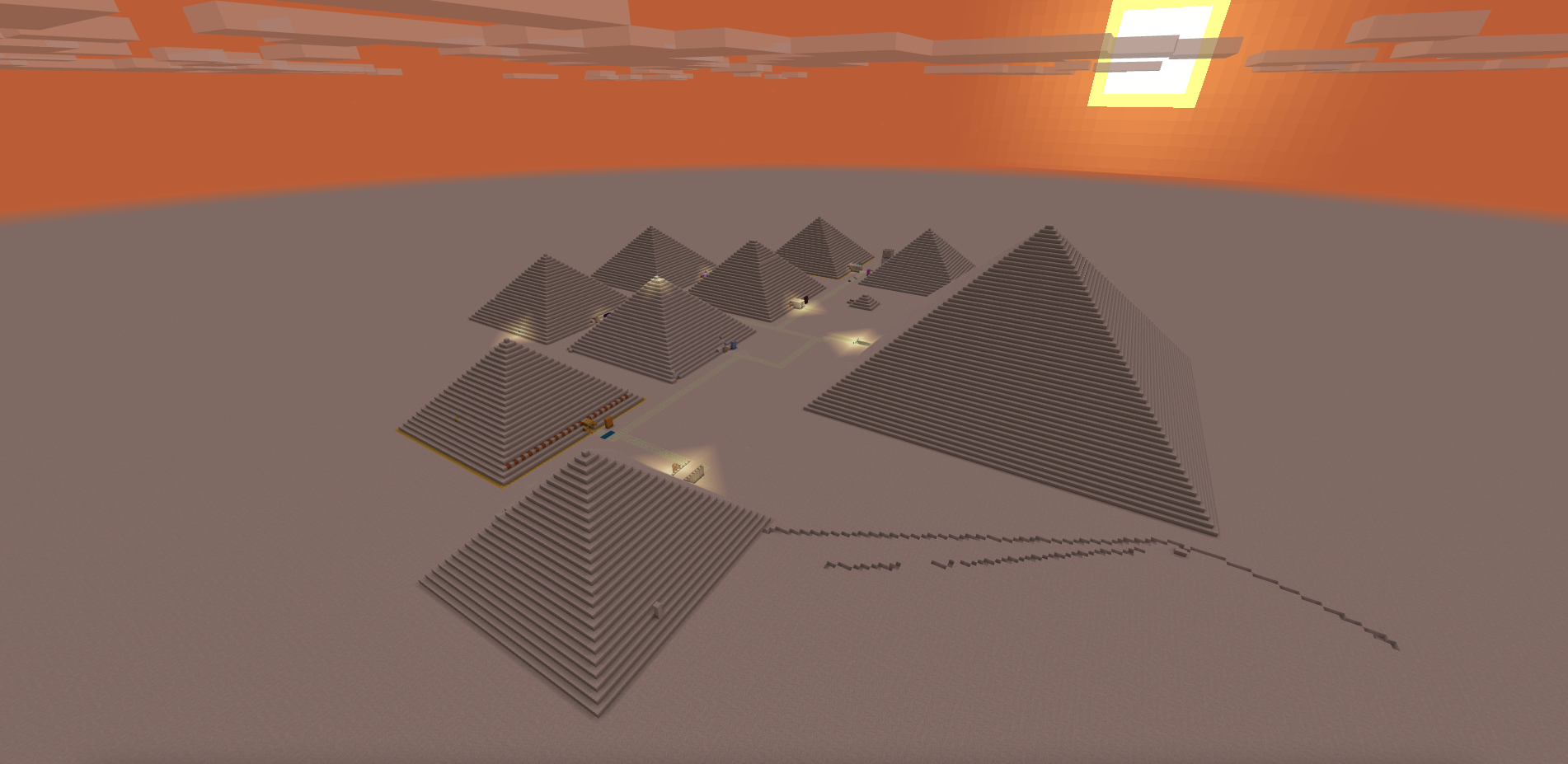
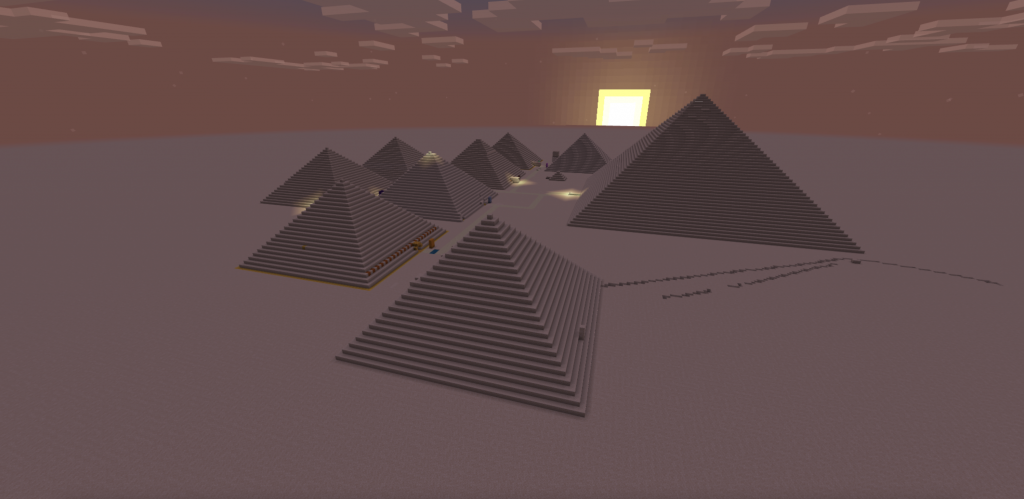
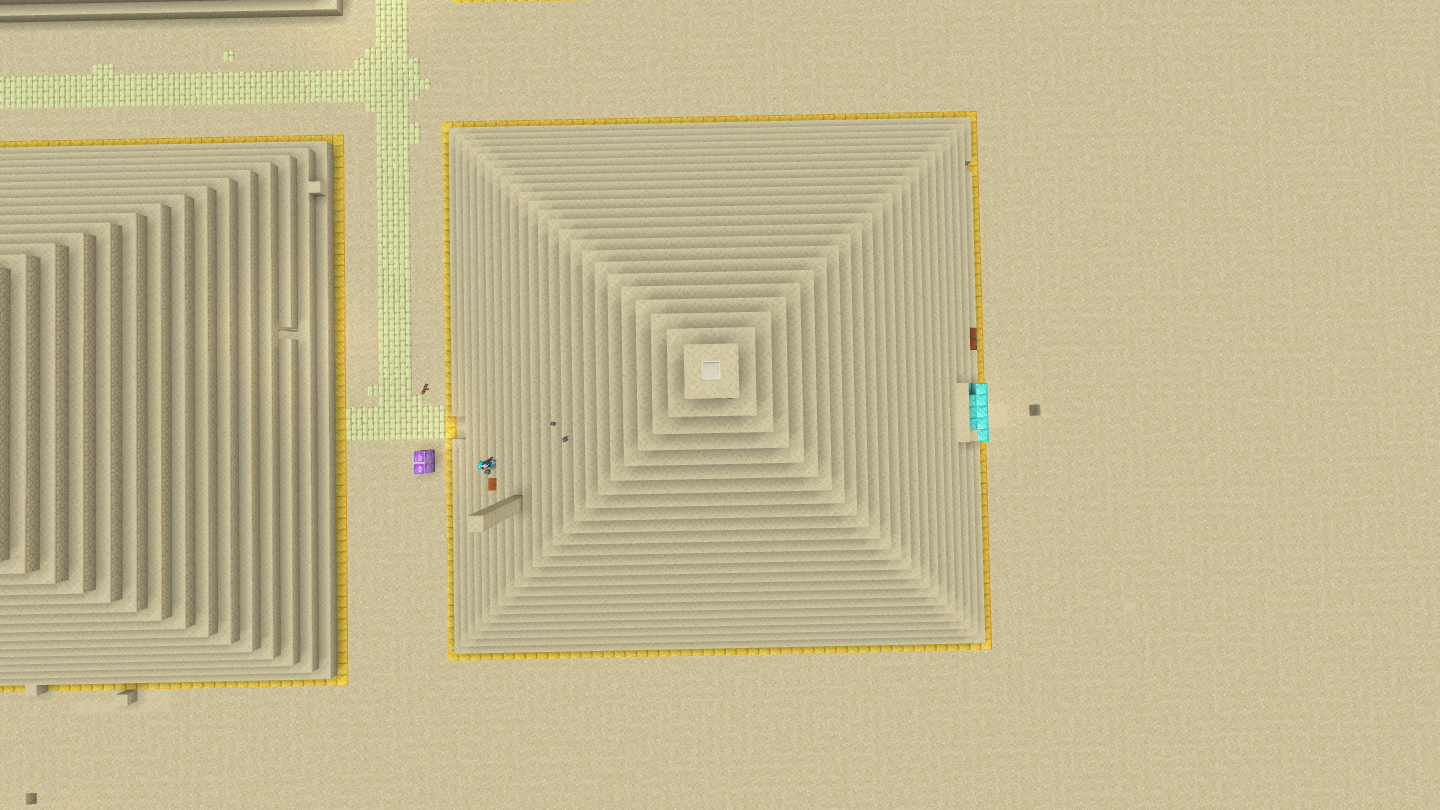
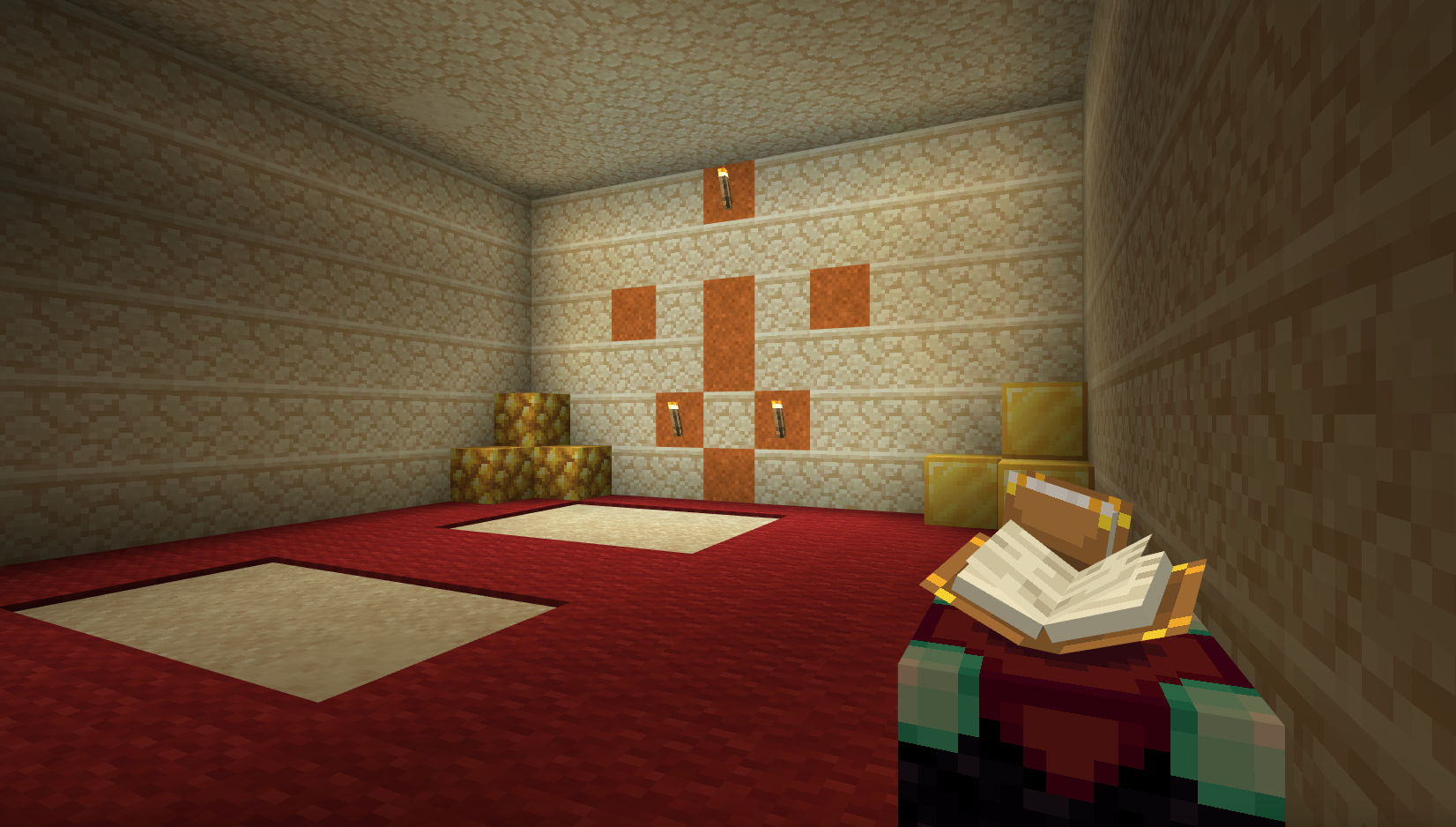
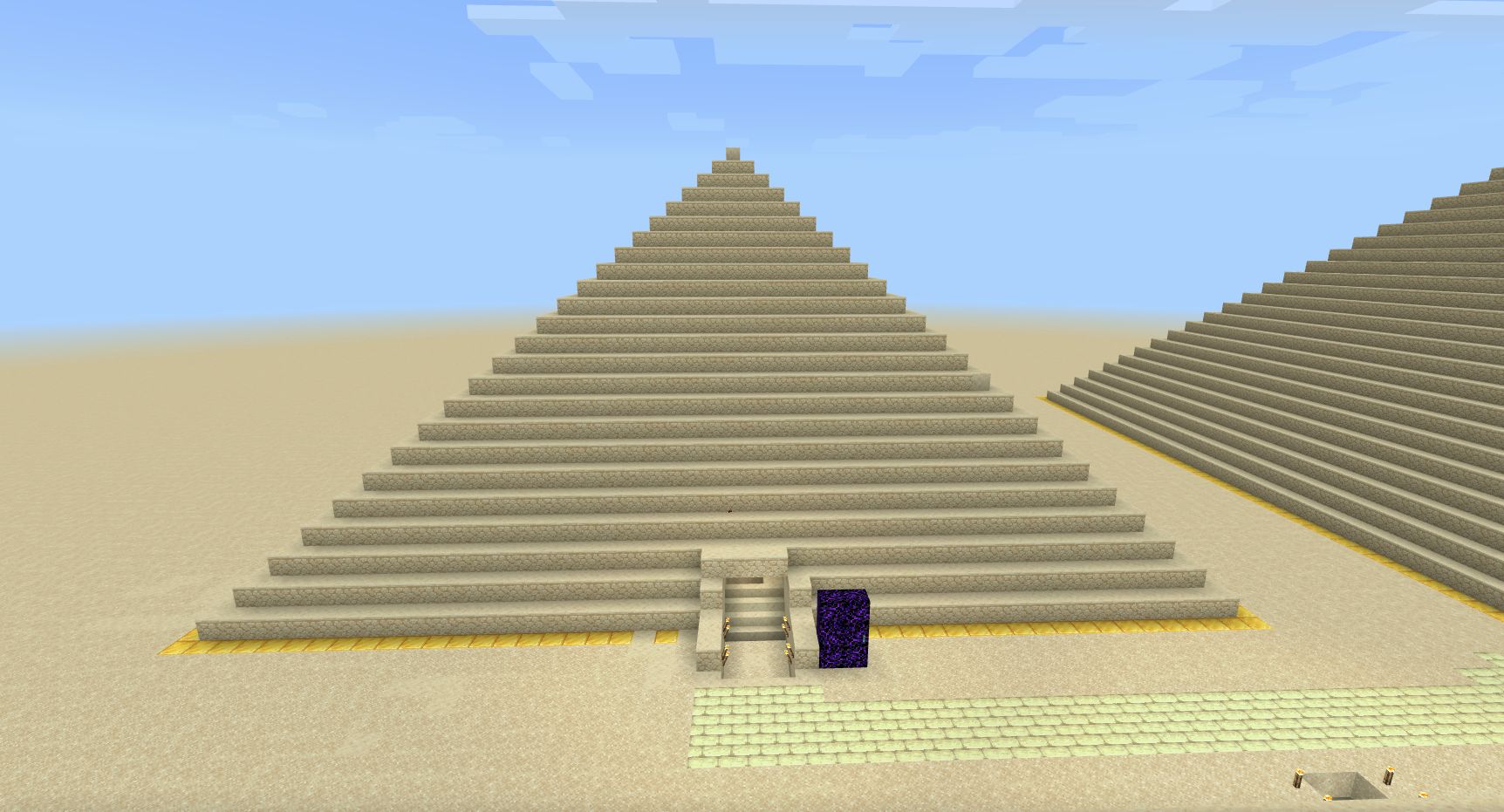
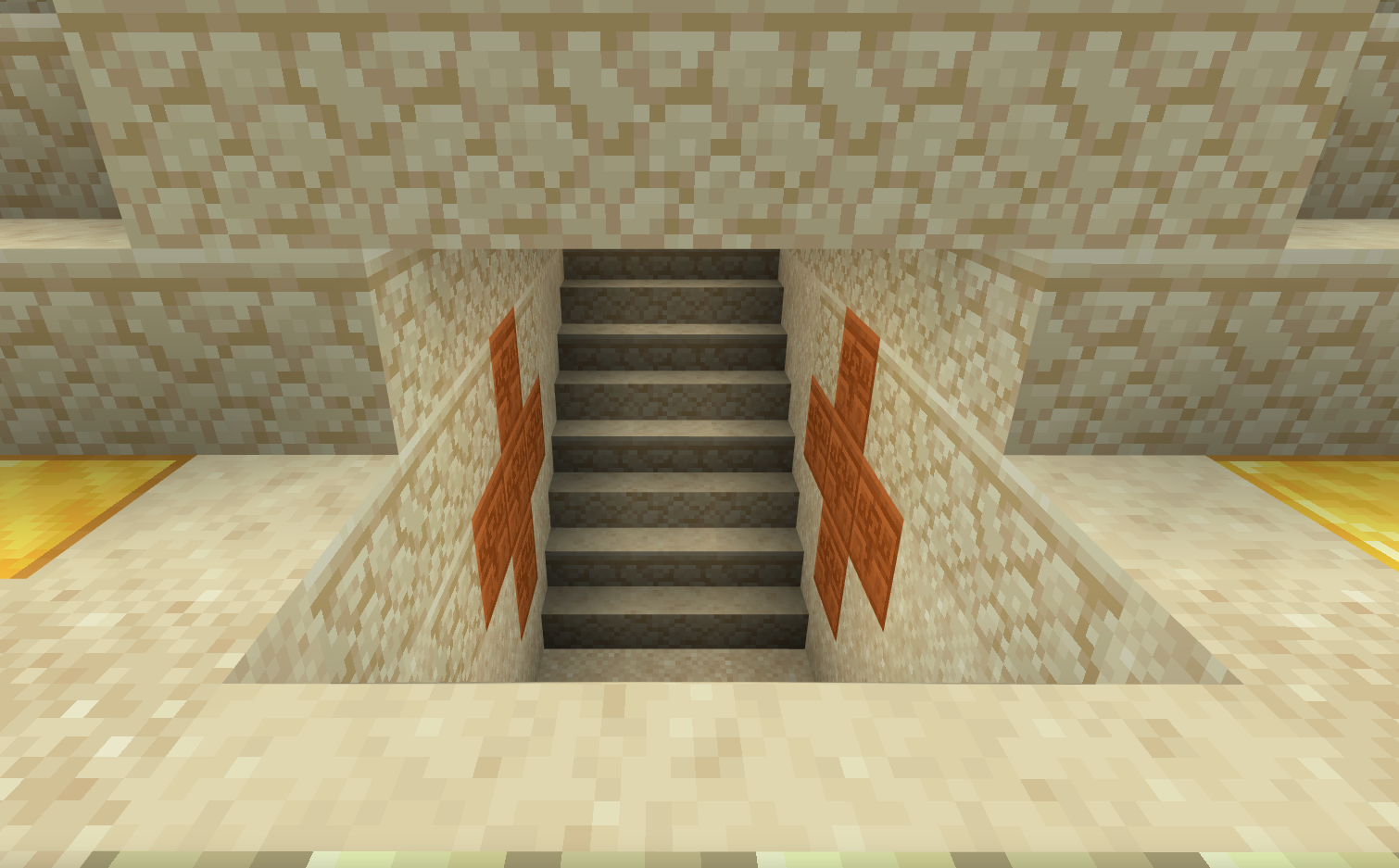
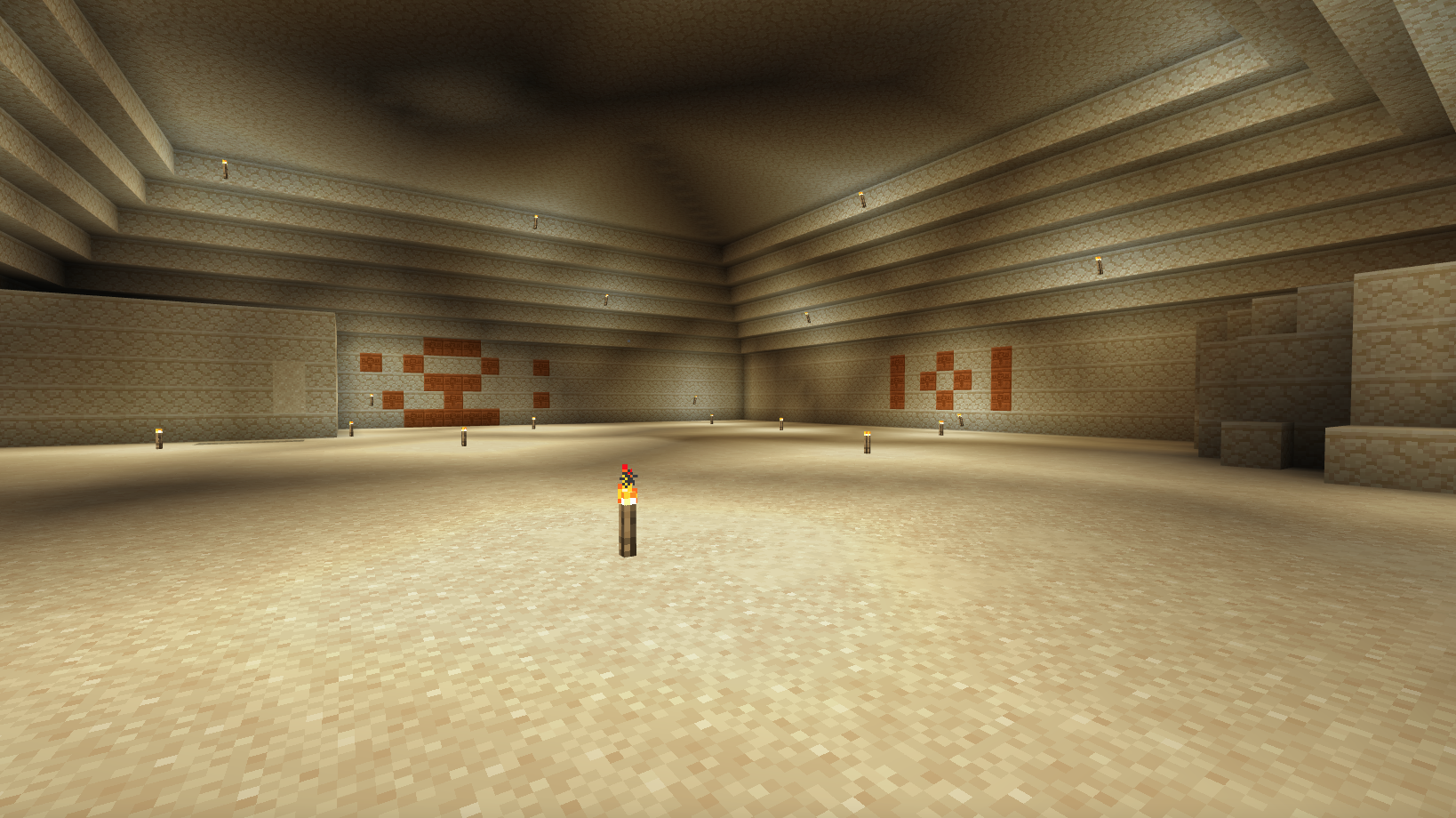
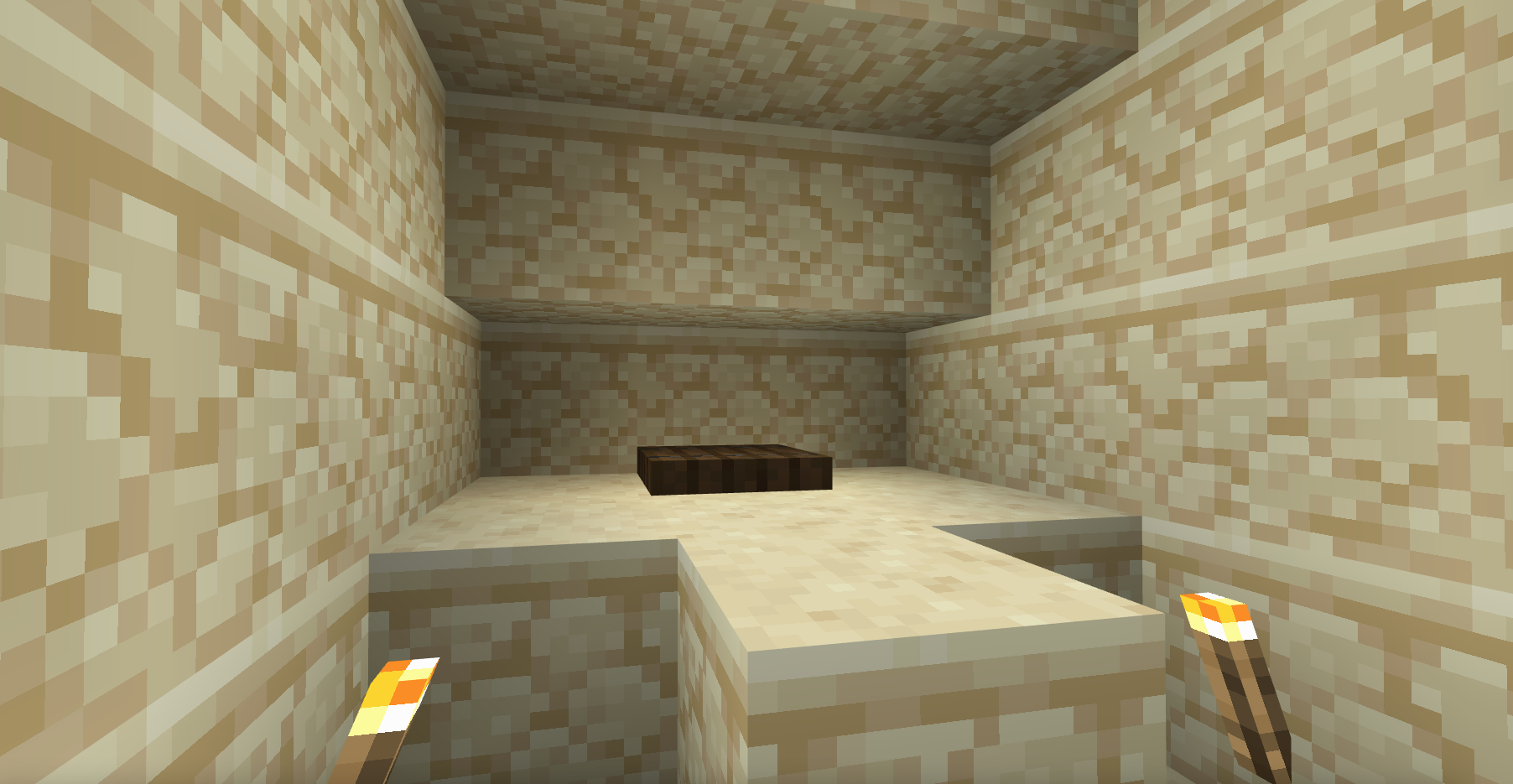
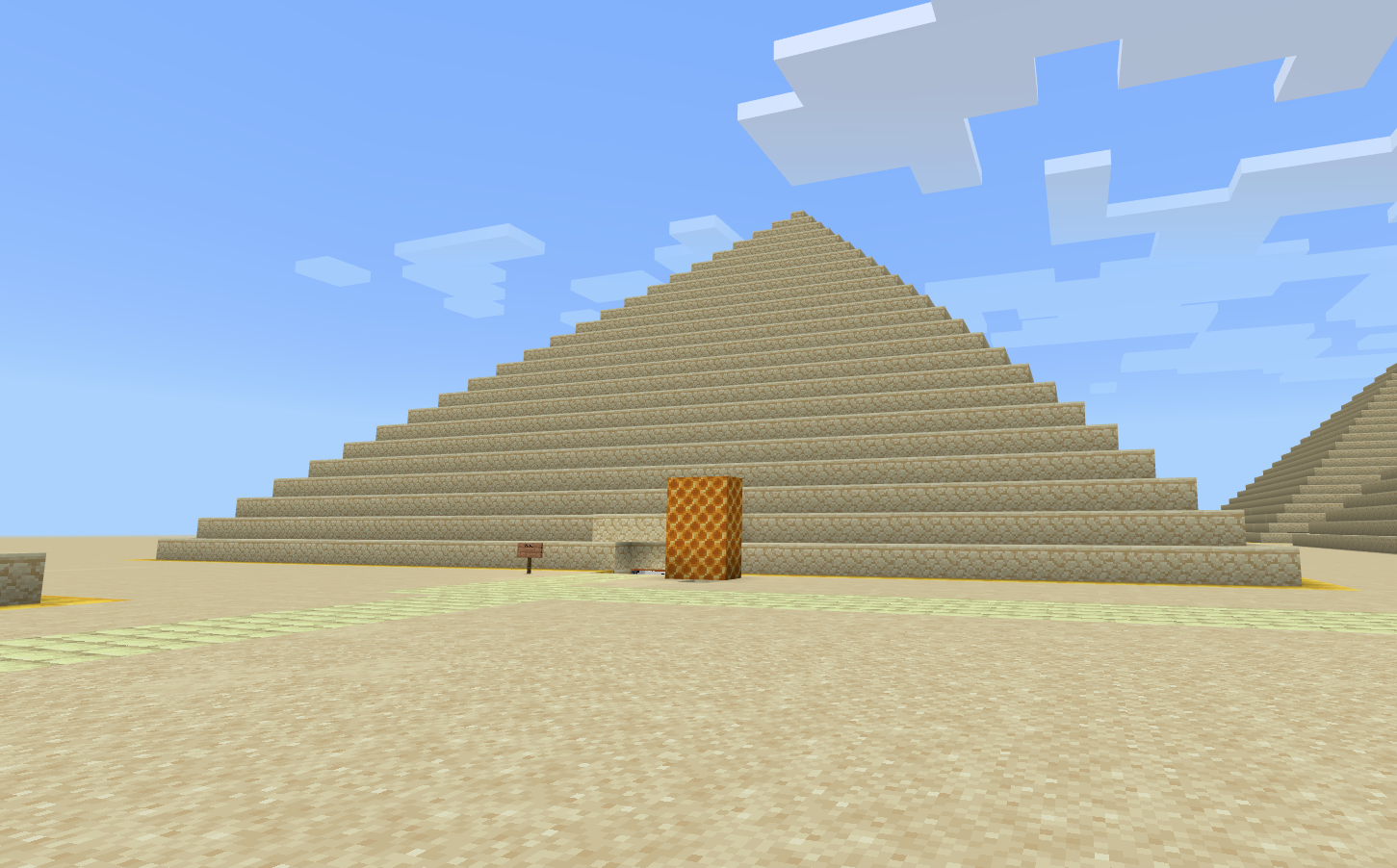
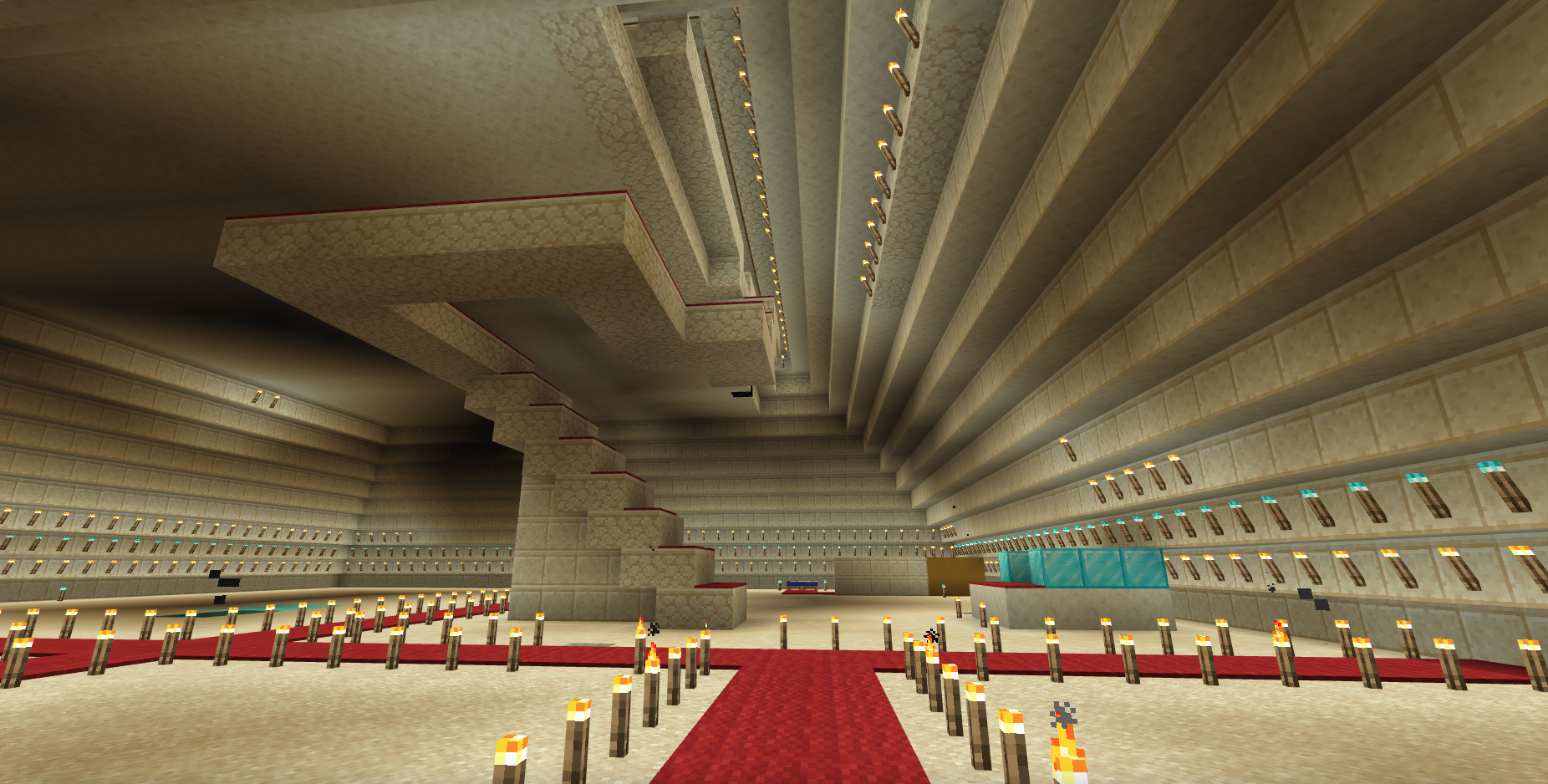
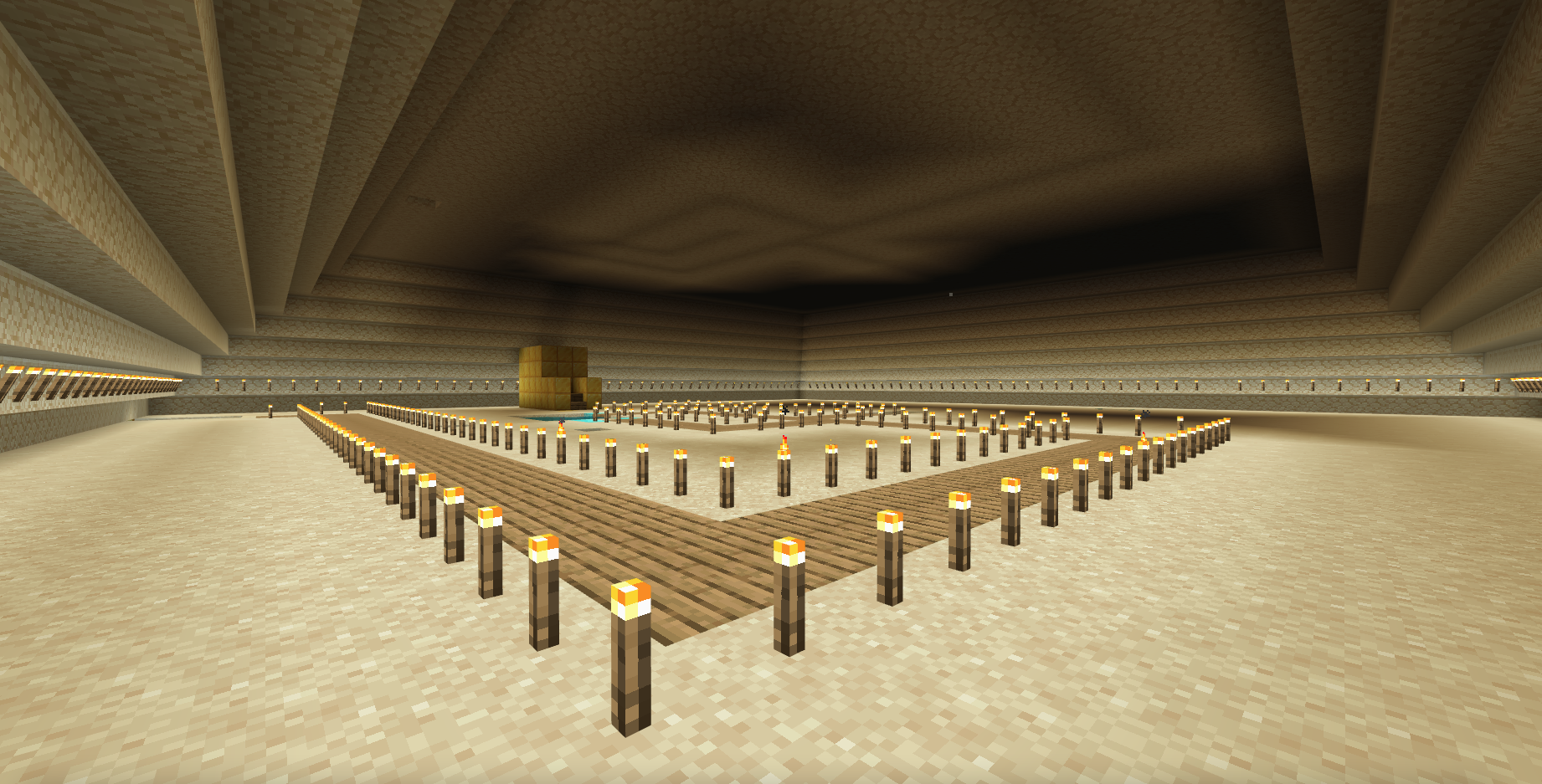
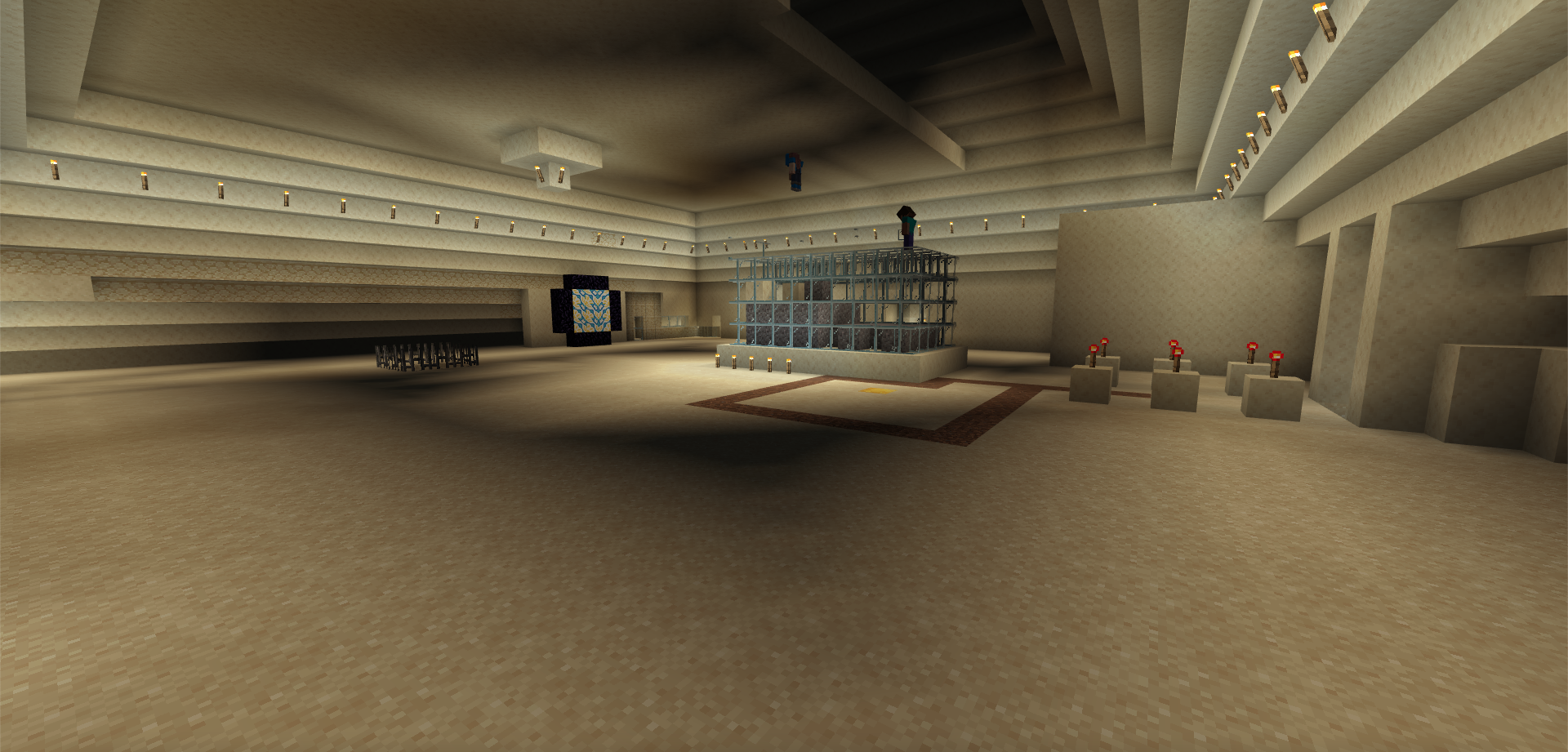
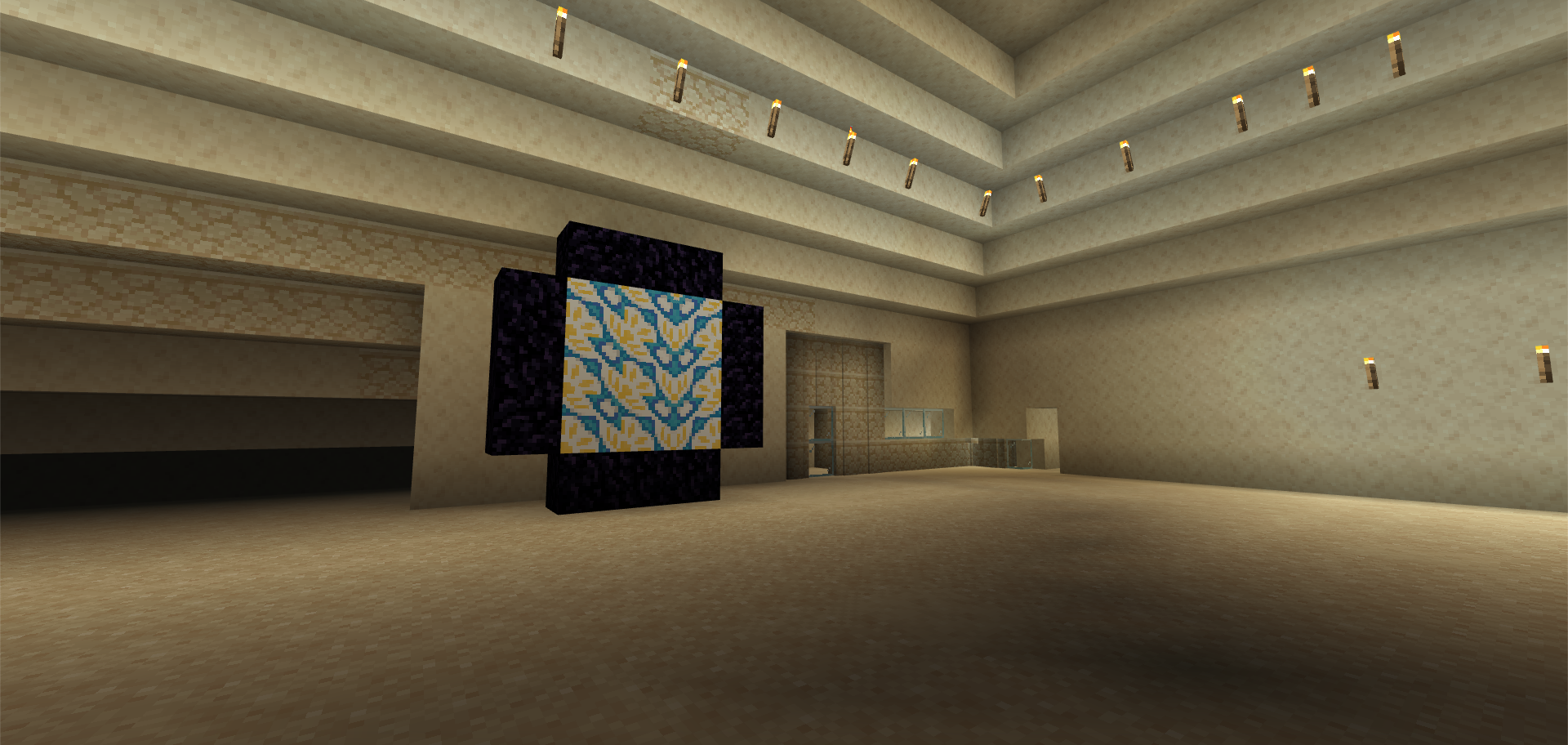
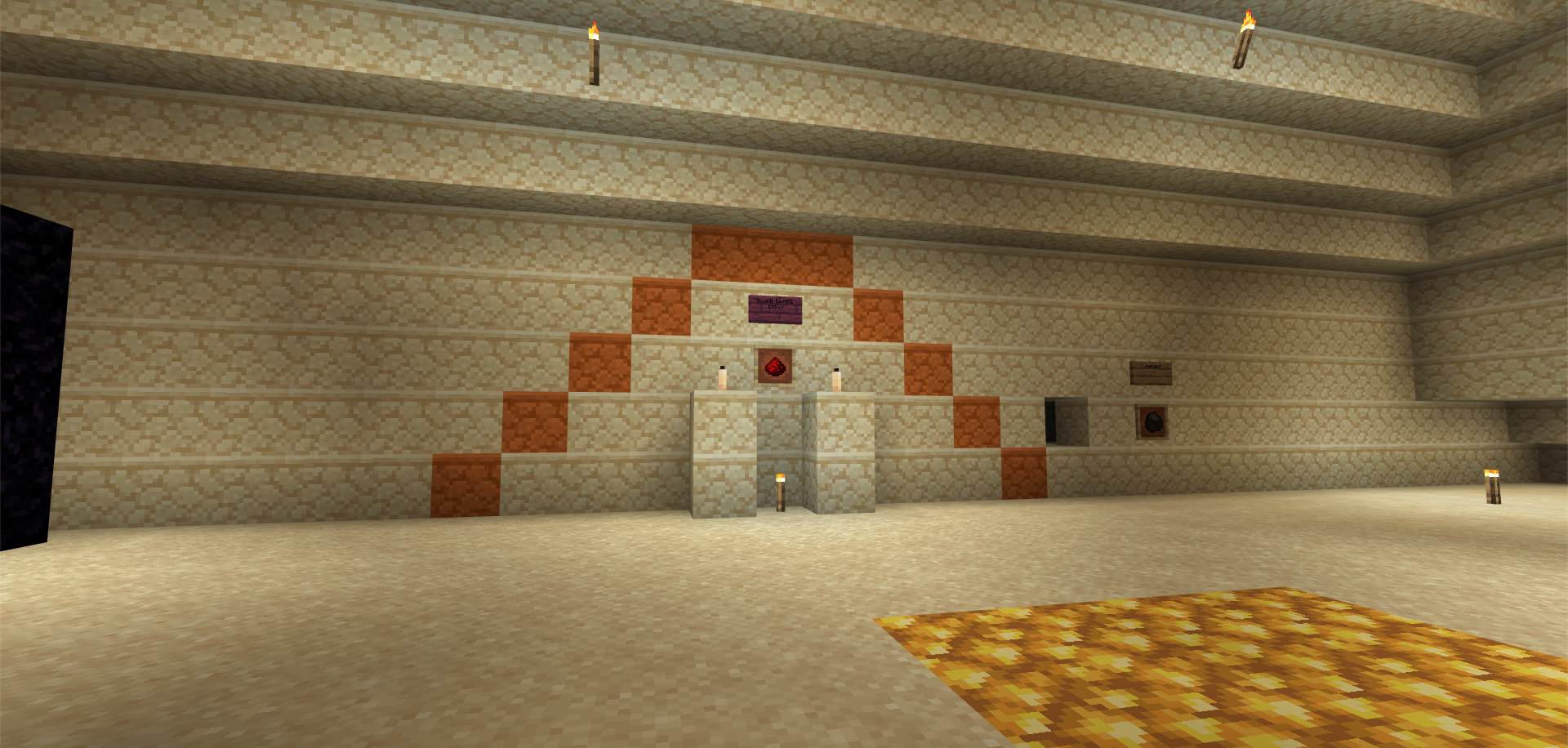
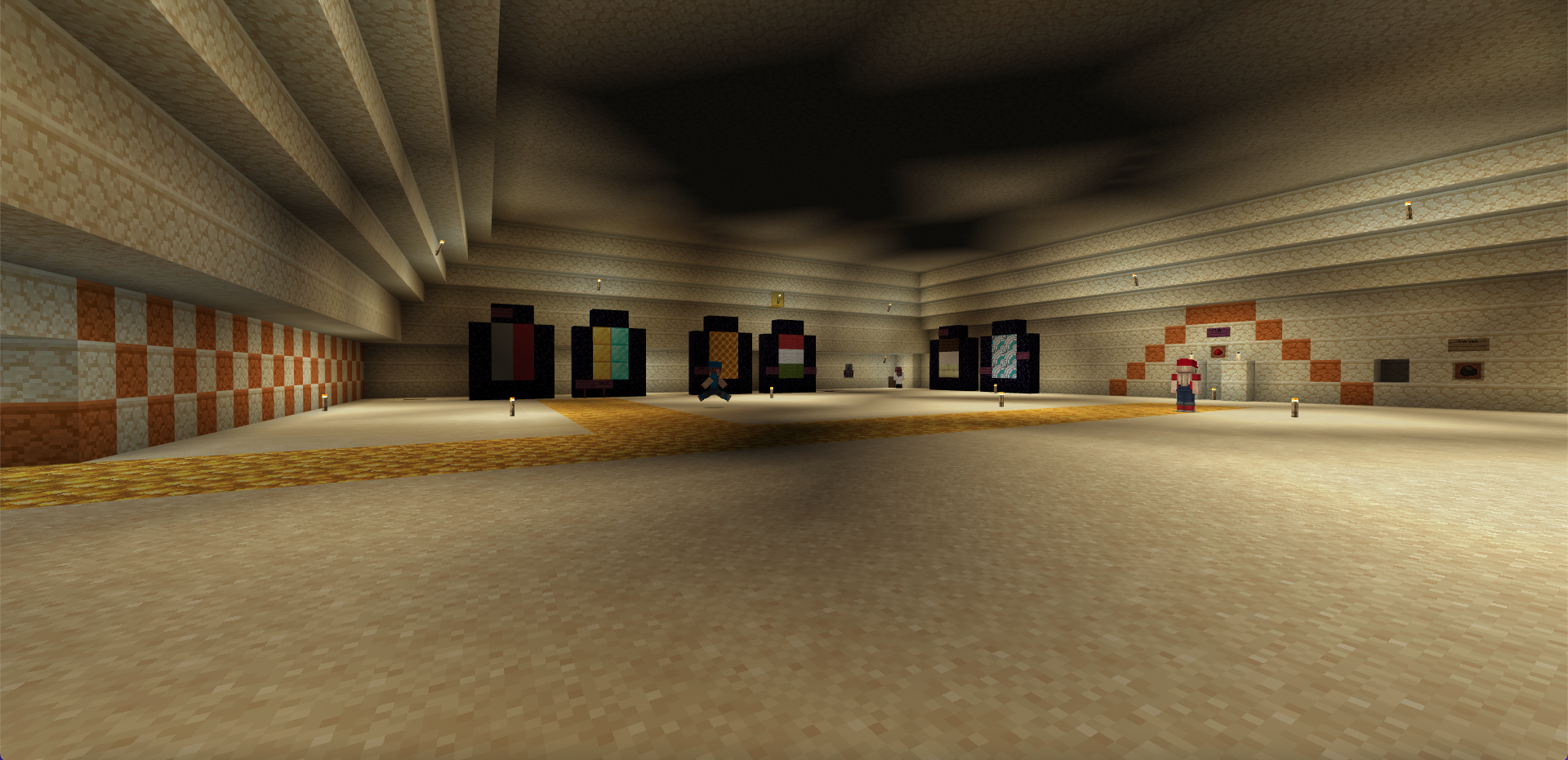
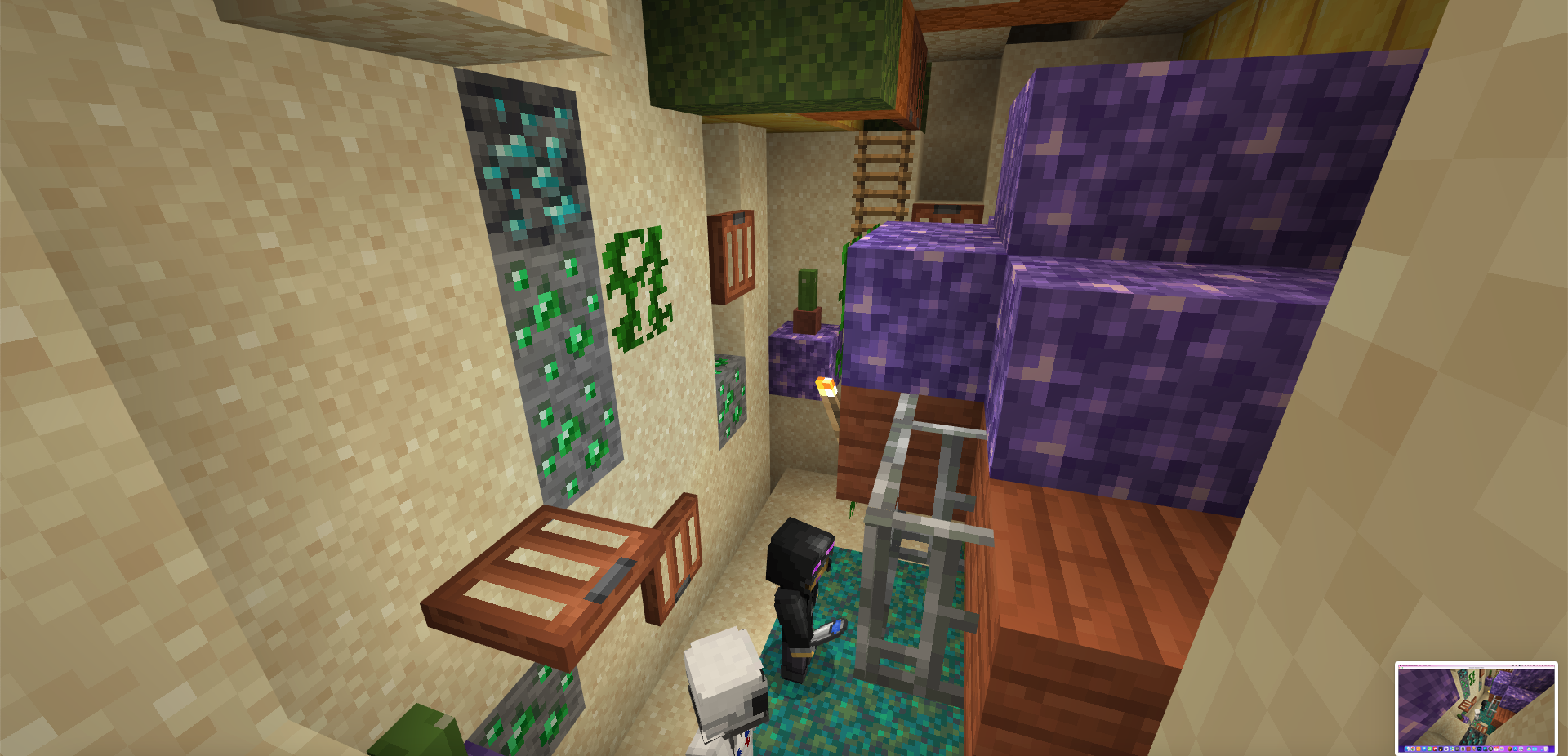
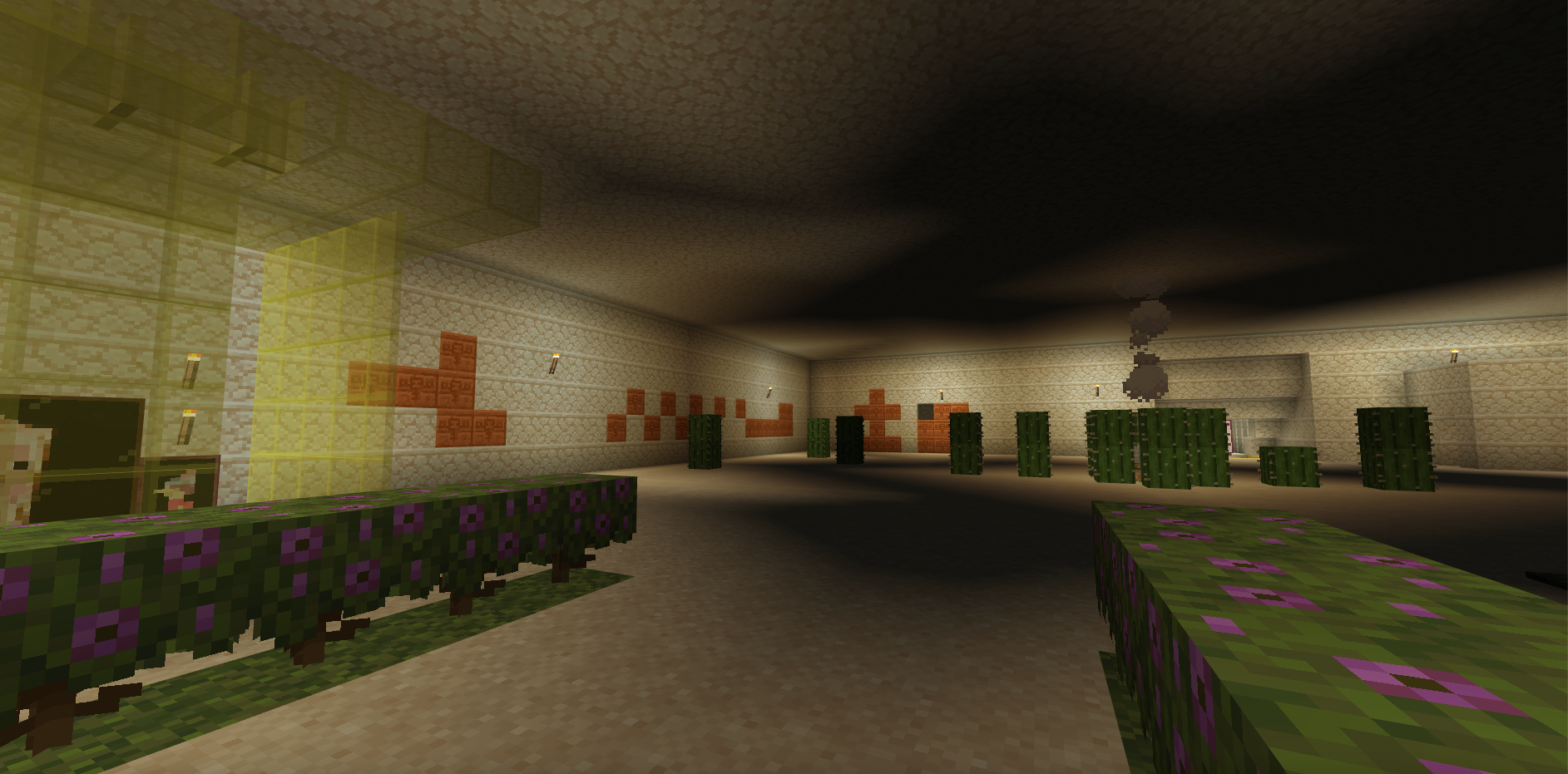
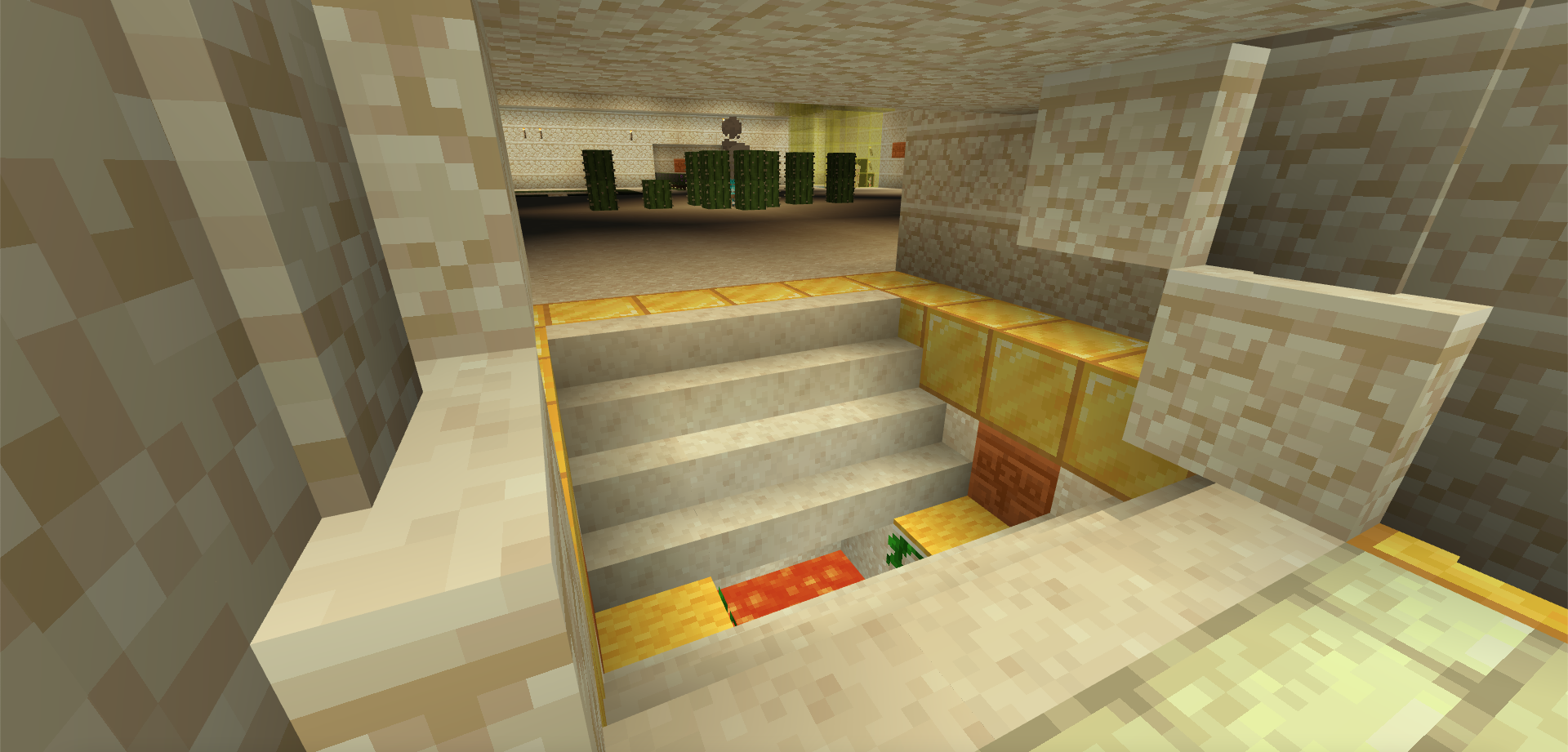
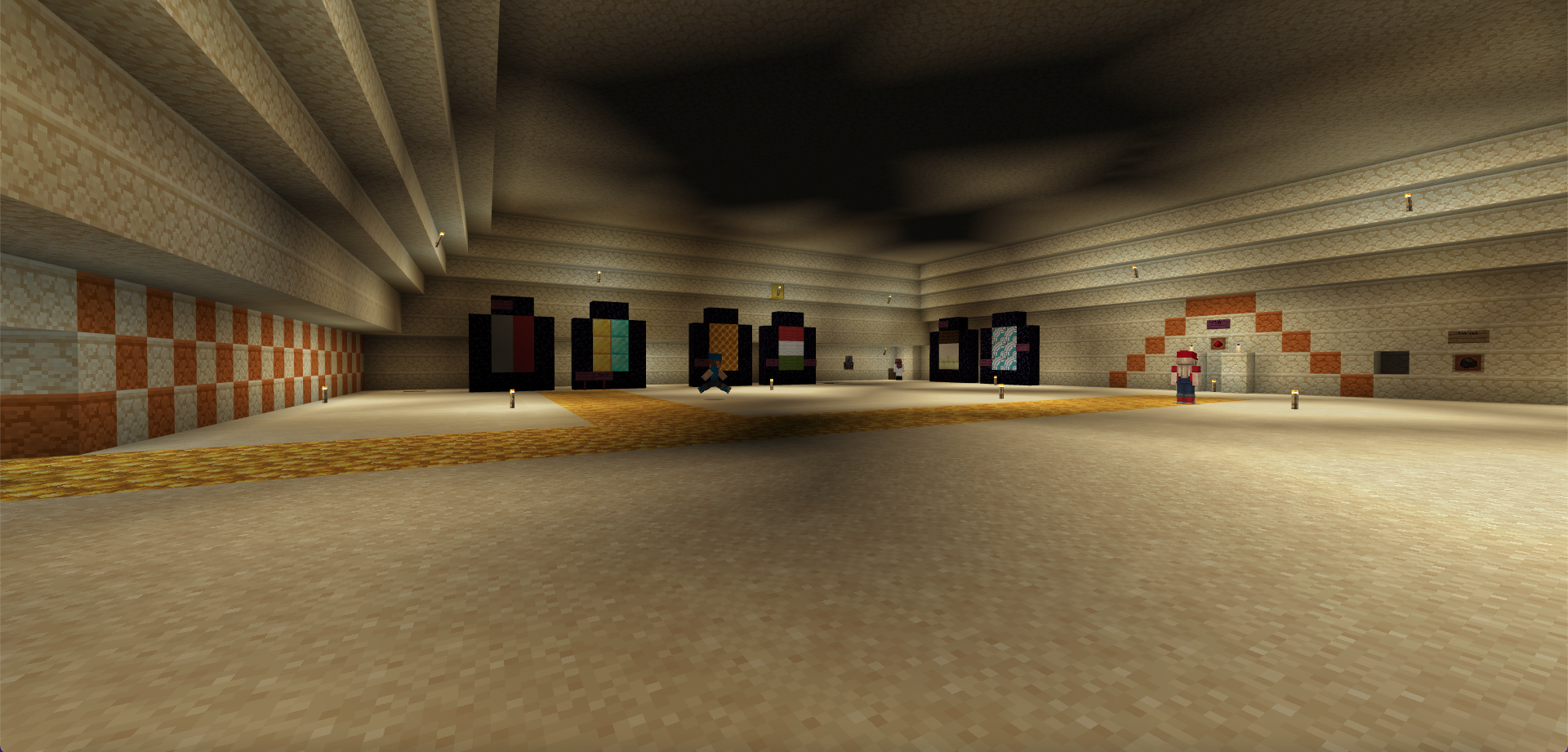
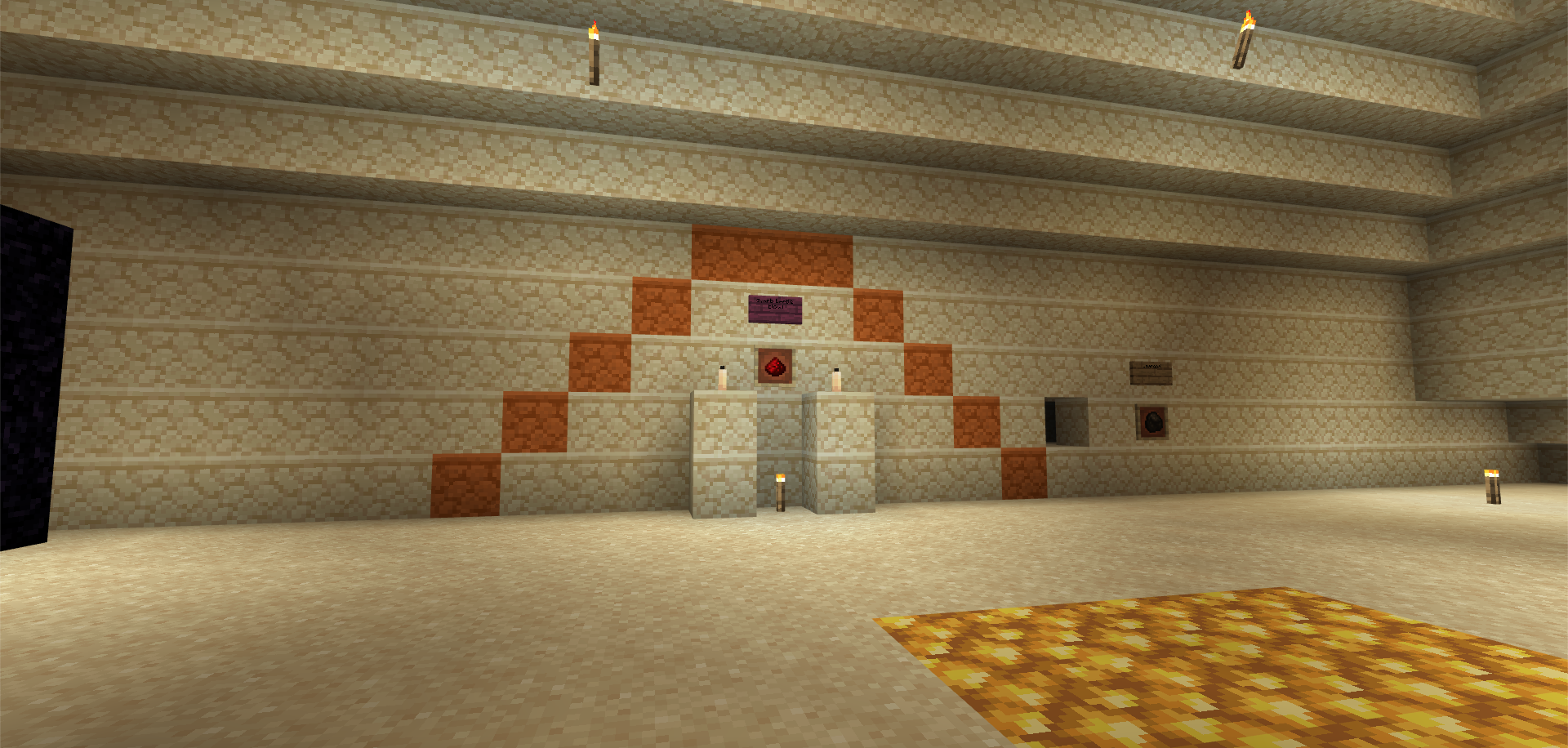
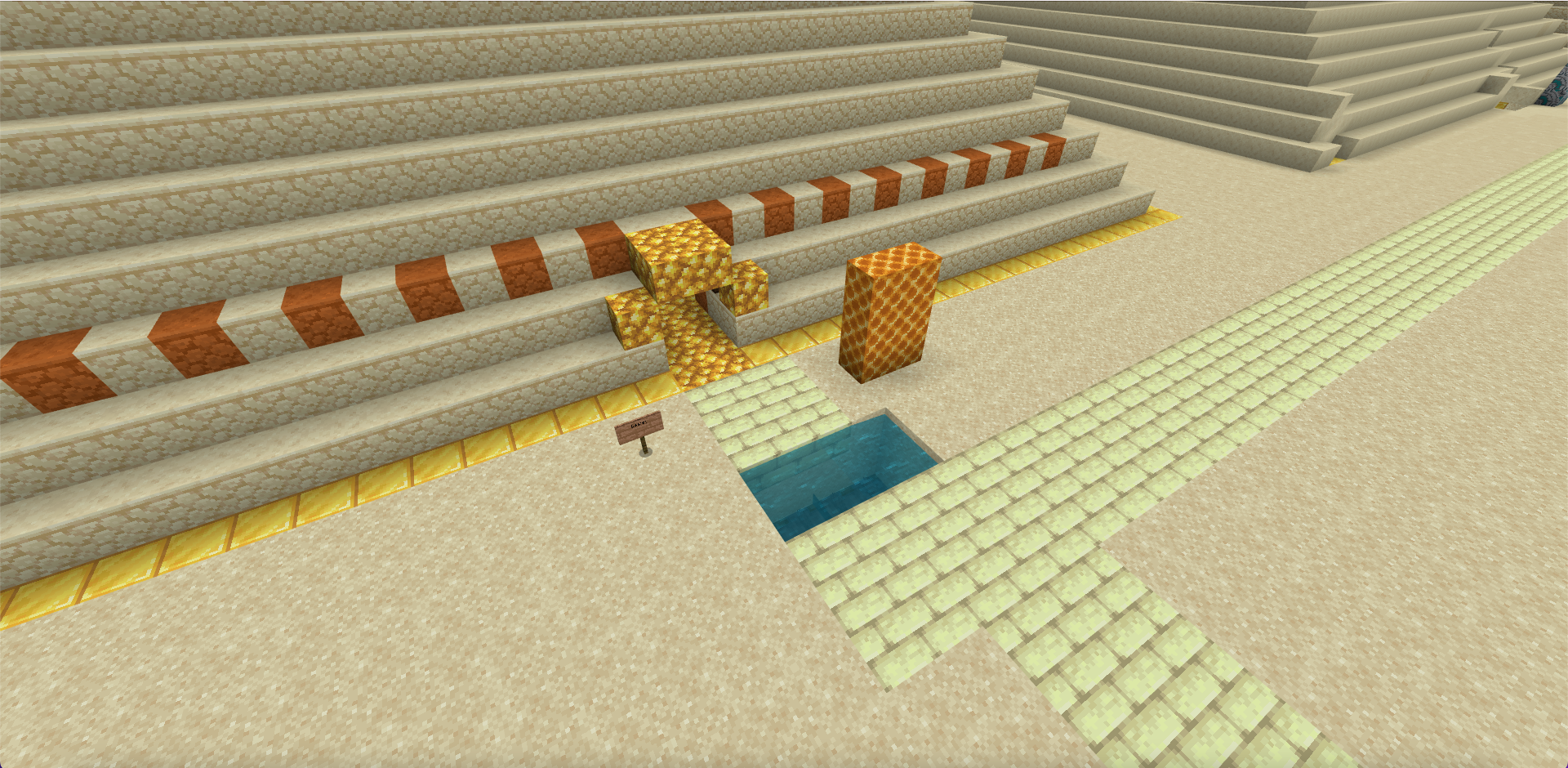
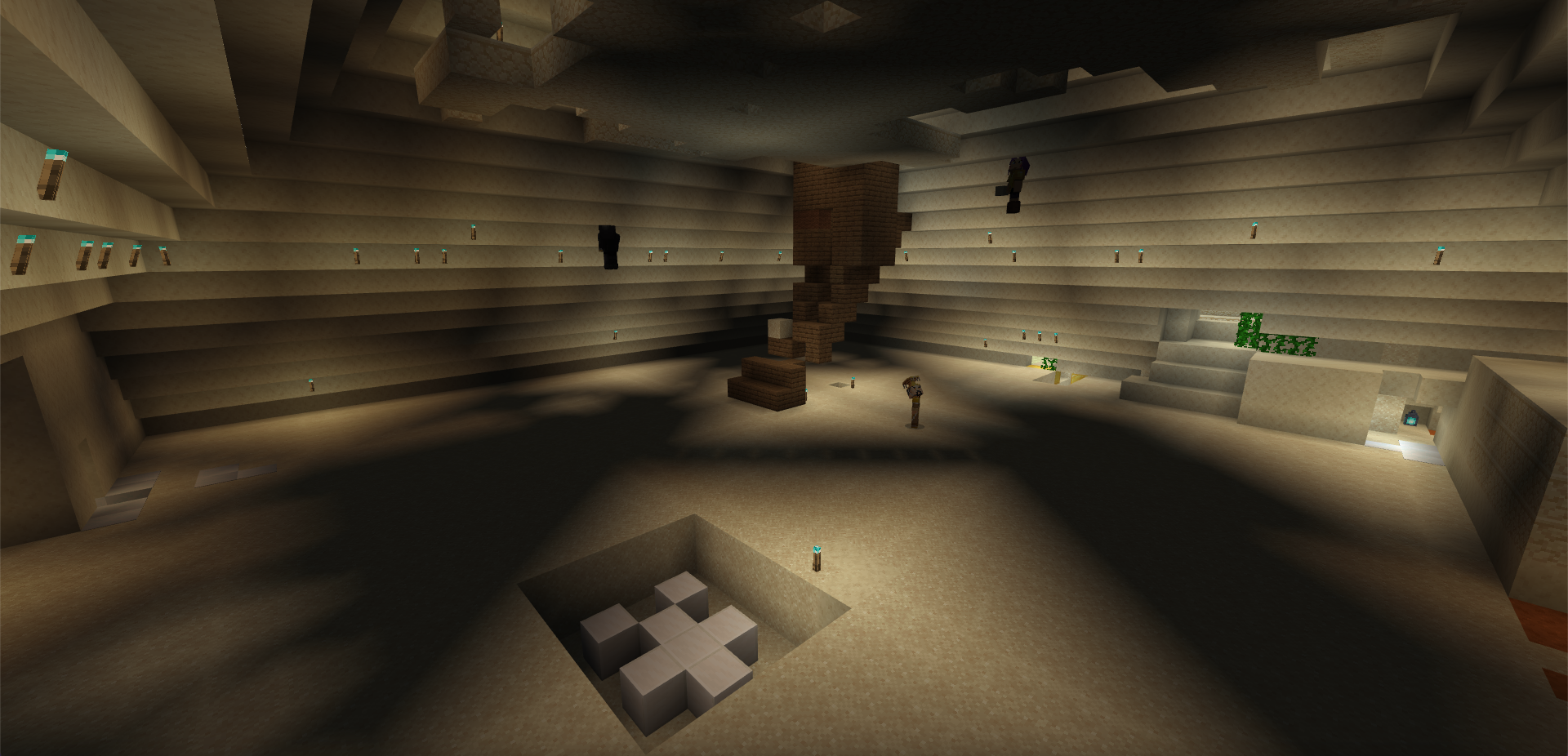
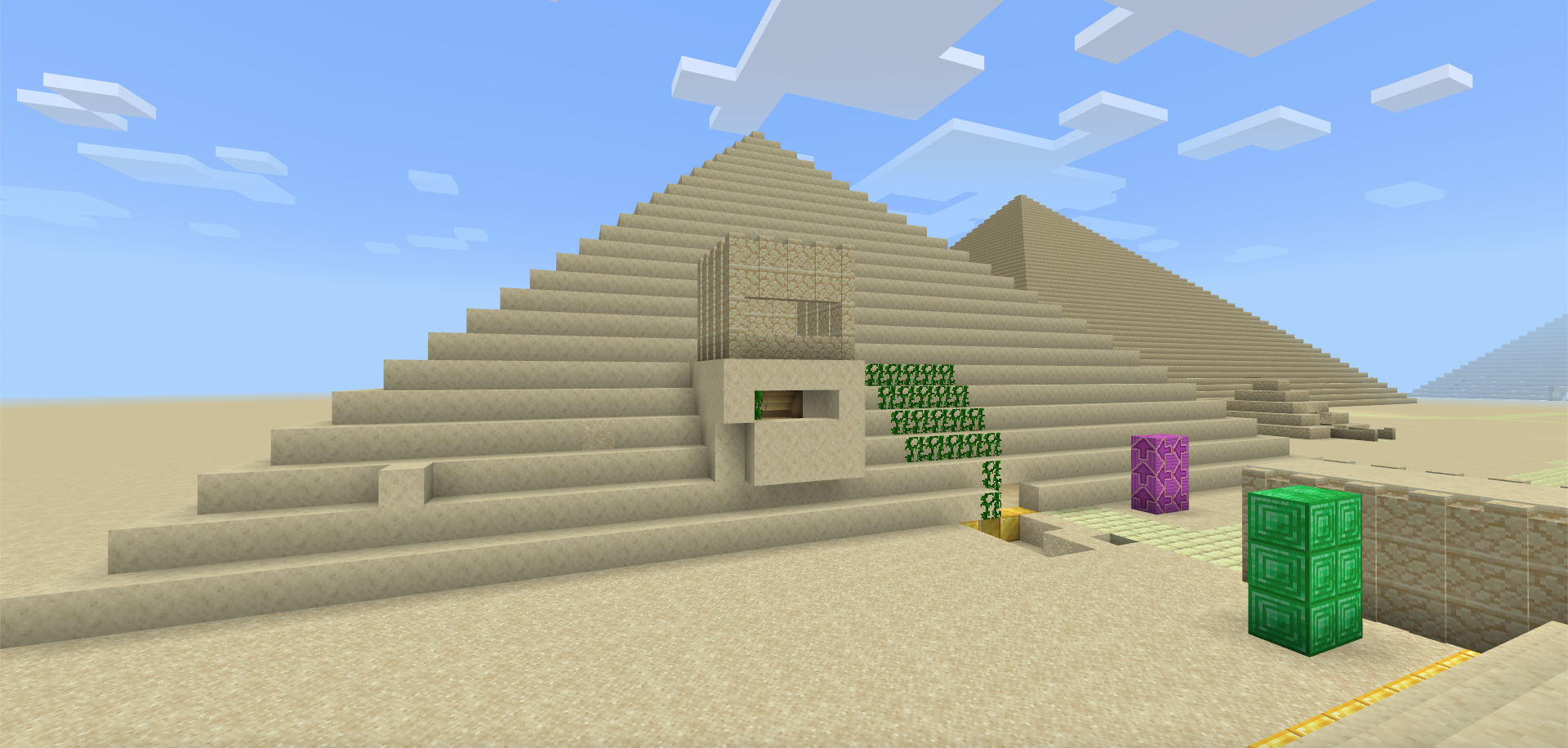
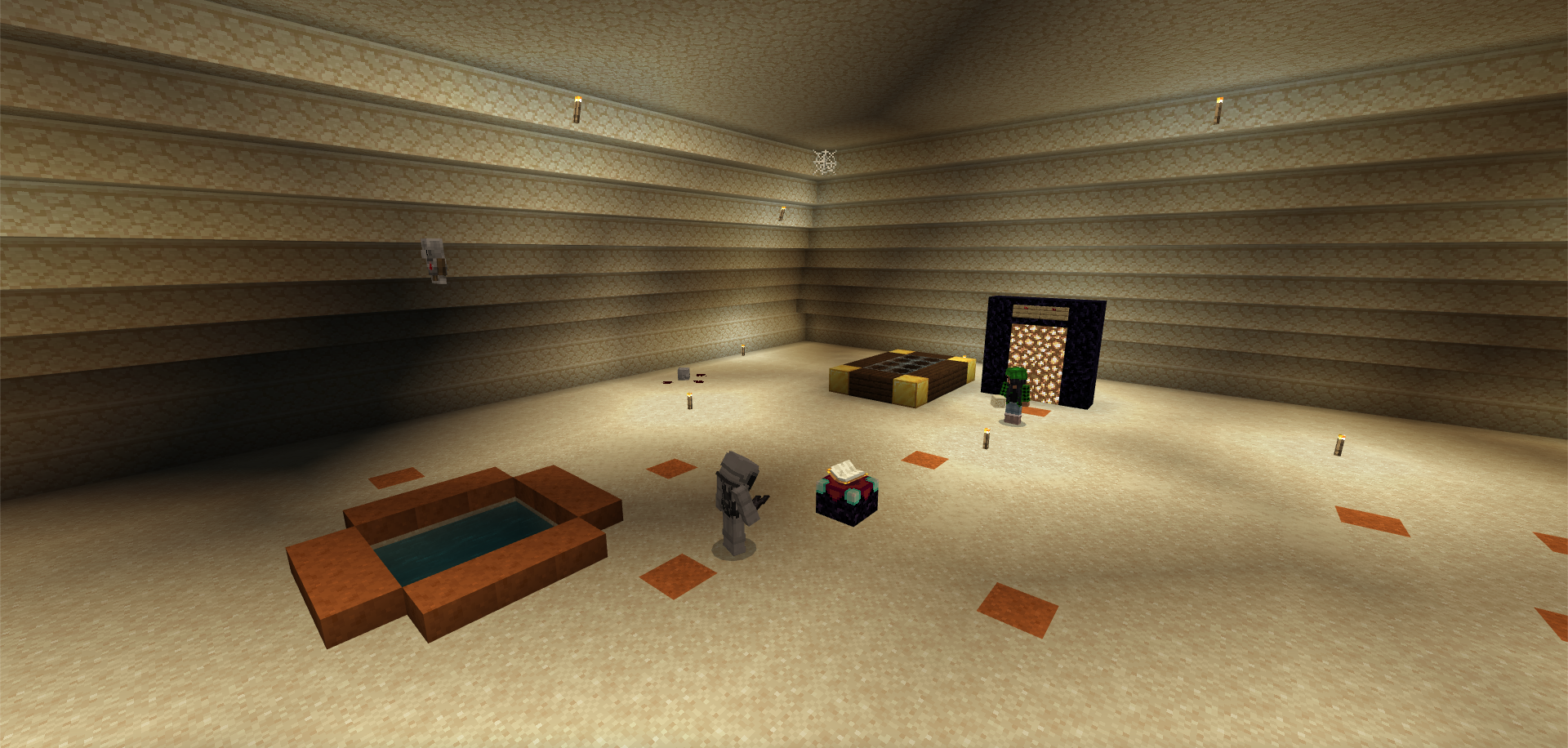
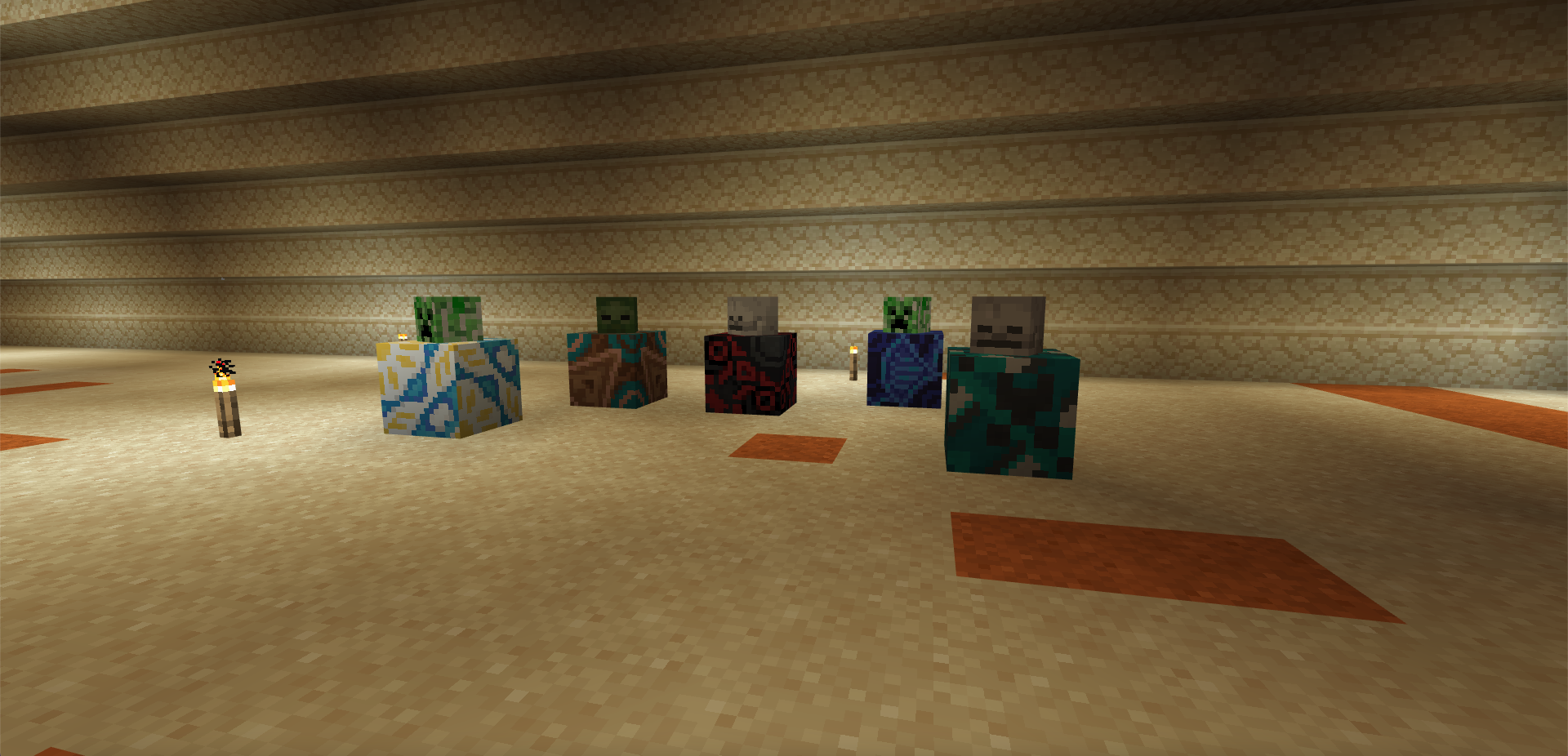
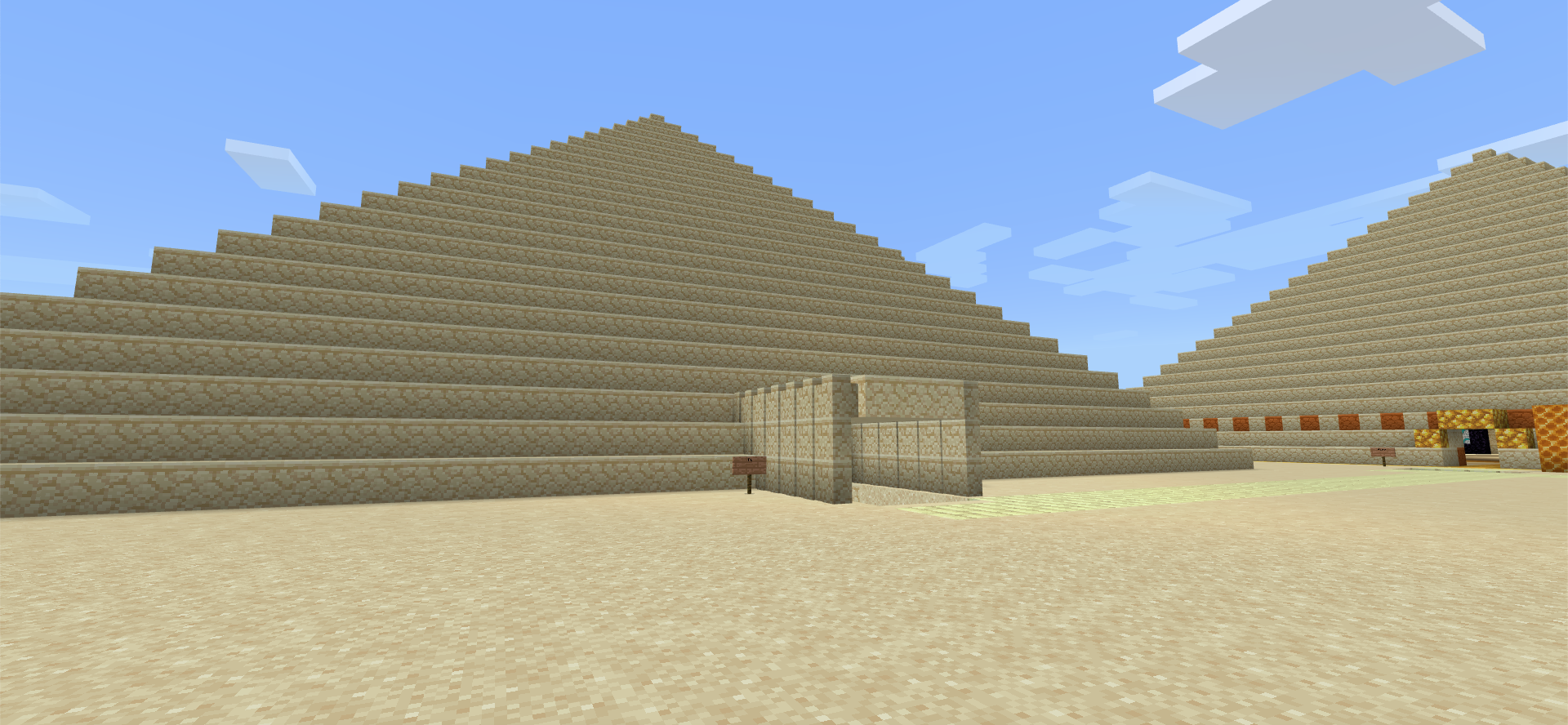
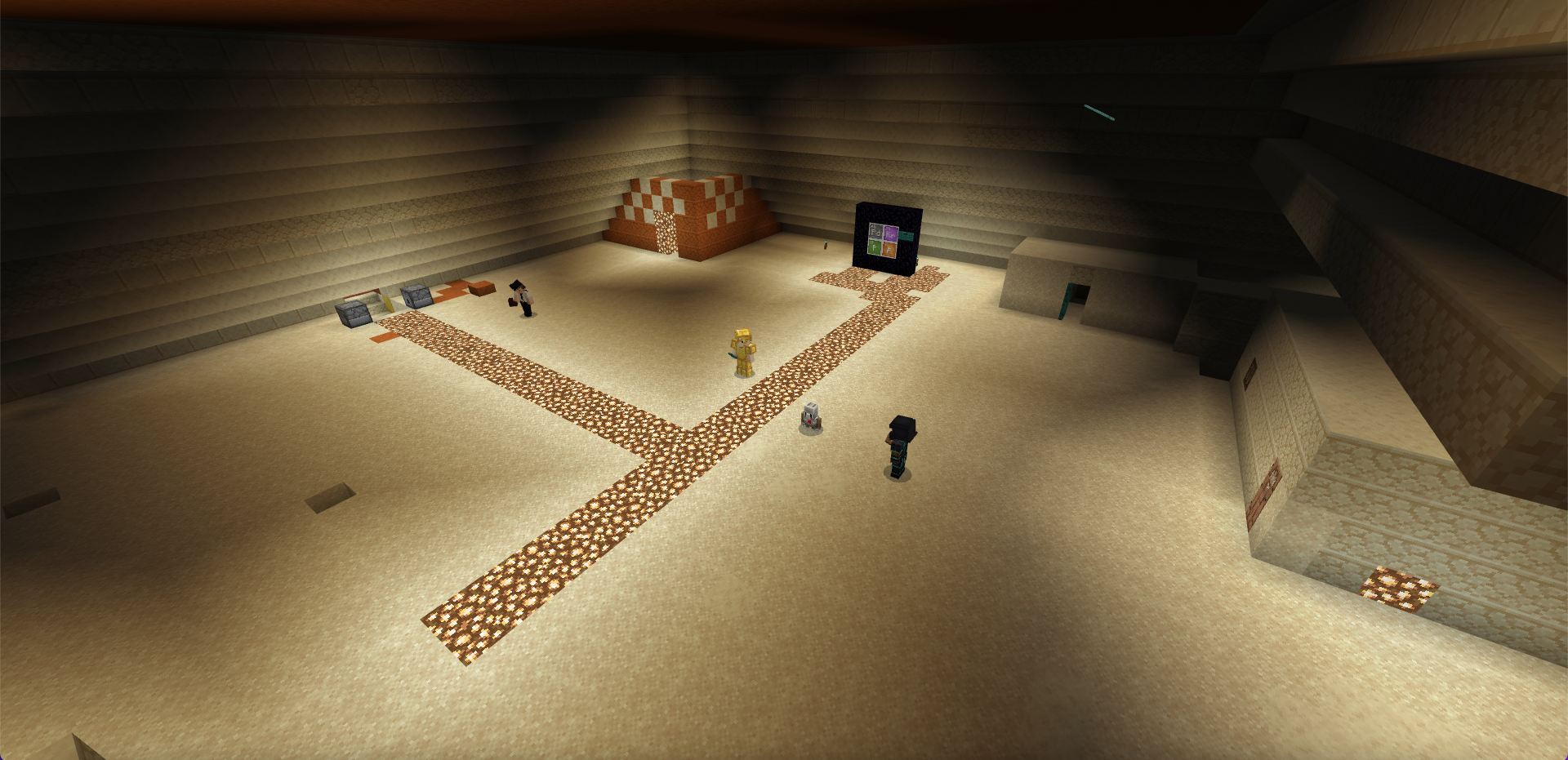
This half term we’ve been building Pyramids in Minecraft Edu in our Computing lessons.  Mr Woolcock and Paul have created a shared world where we were all able to work together and build pyramids for our Egyptian Pharaohs.  We researched what would be inside a pyramid and learnt about the traps and secret rooms designed to stop thieves and included these in our designs.  We even created secret chambers full of canopic jars, golden treasures and scrolls of knowledge for the mummies to take with them into the afterlife.

Welcome to our Pyramids!

00:00
00:00
00:00
00:00
00:00
00:00

Here are some more photos of all of our pyramids, along with some extra information about each one.

Class 7

Xander, George and Maverick

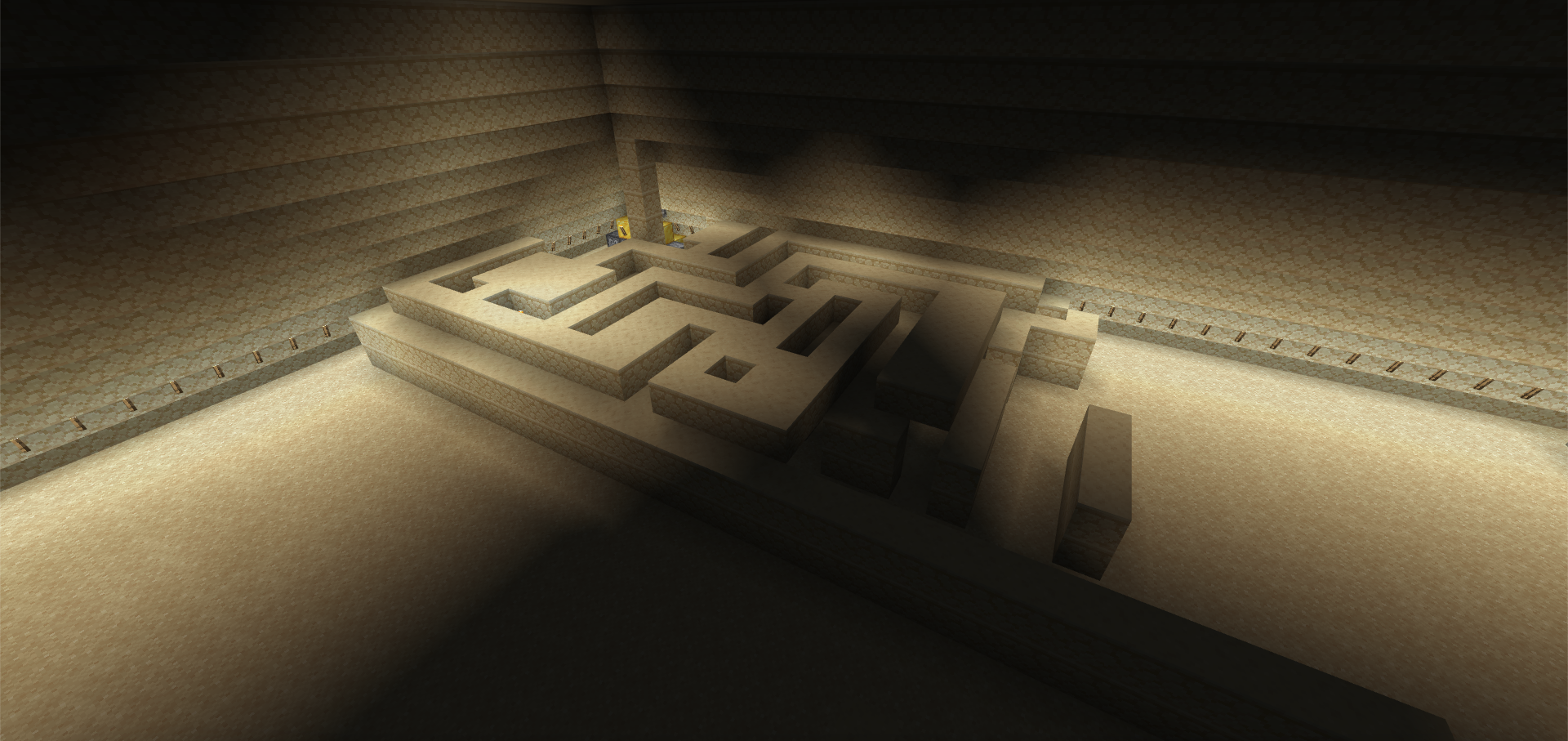
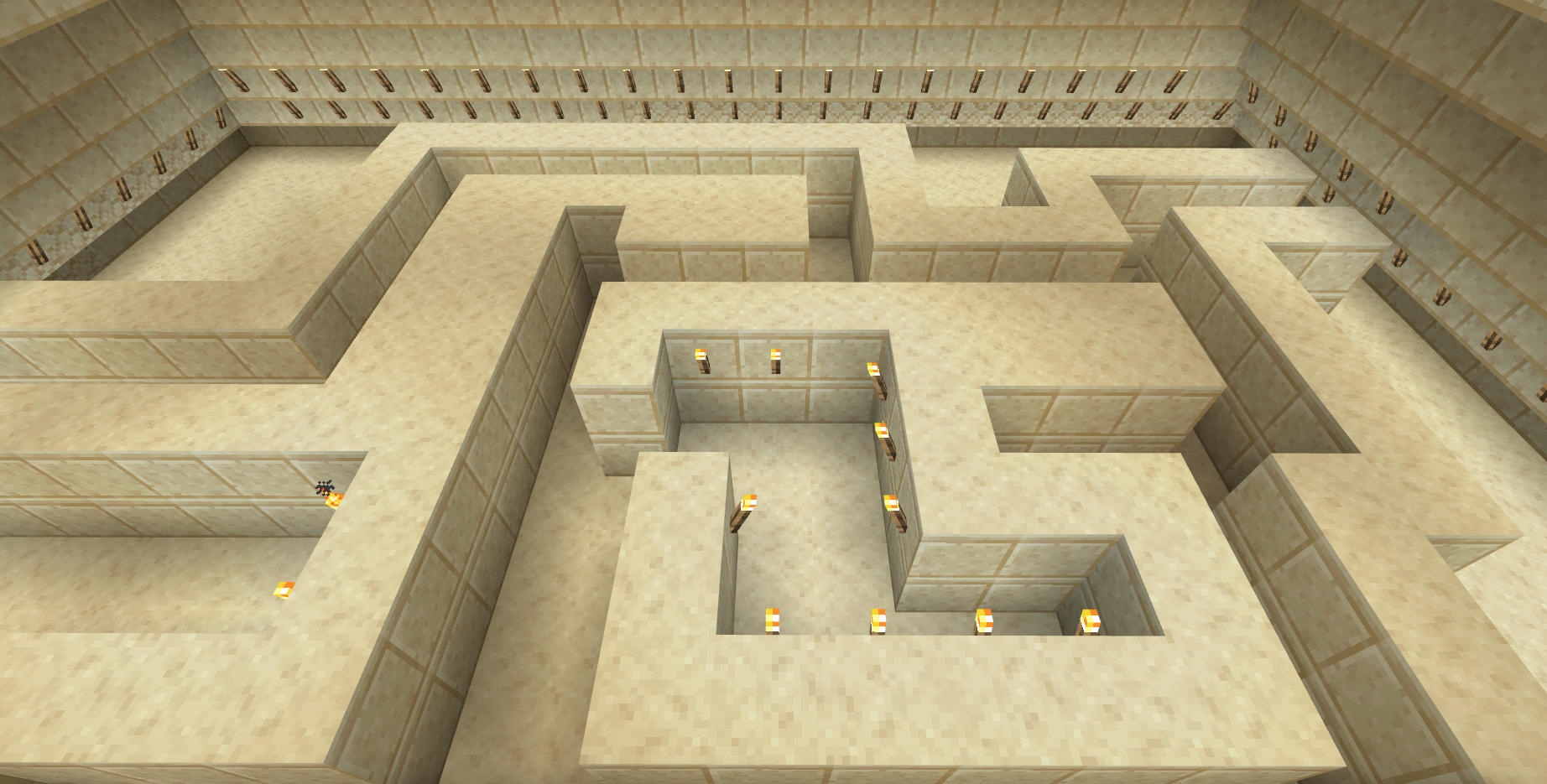
This is a maze which is to trick the people that try and break in and take all the gold.  There are pressure plates on the floor and when you step on one they open up a trap door and you fall down!  At the centre of the maze there is lots of treasure which was buried with the god Osiris.

Sorrel, luna and noah

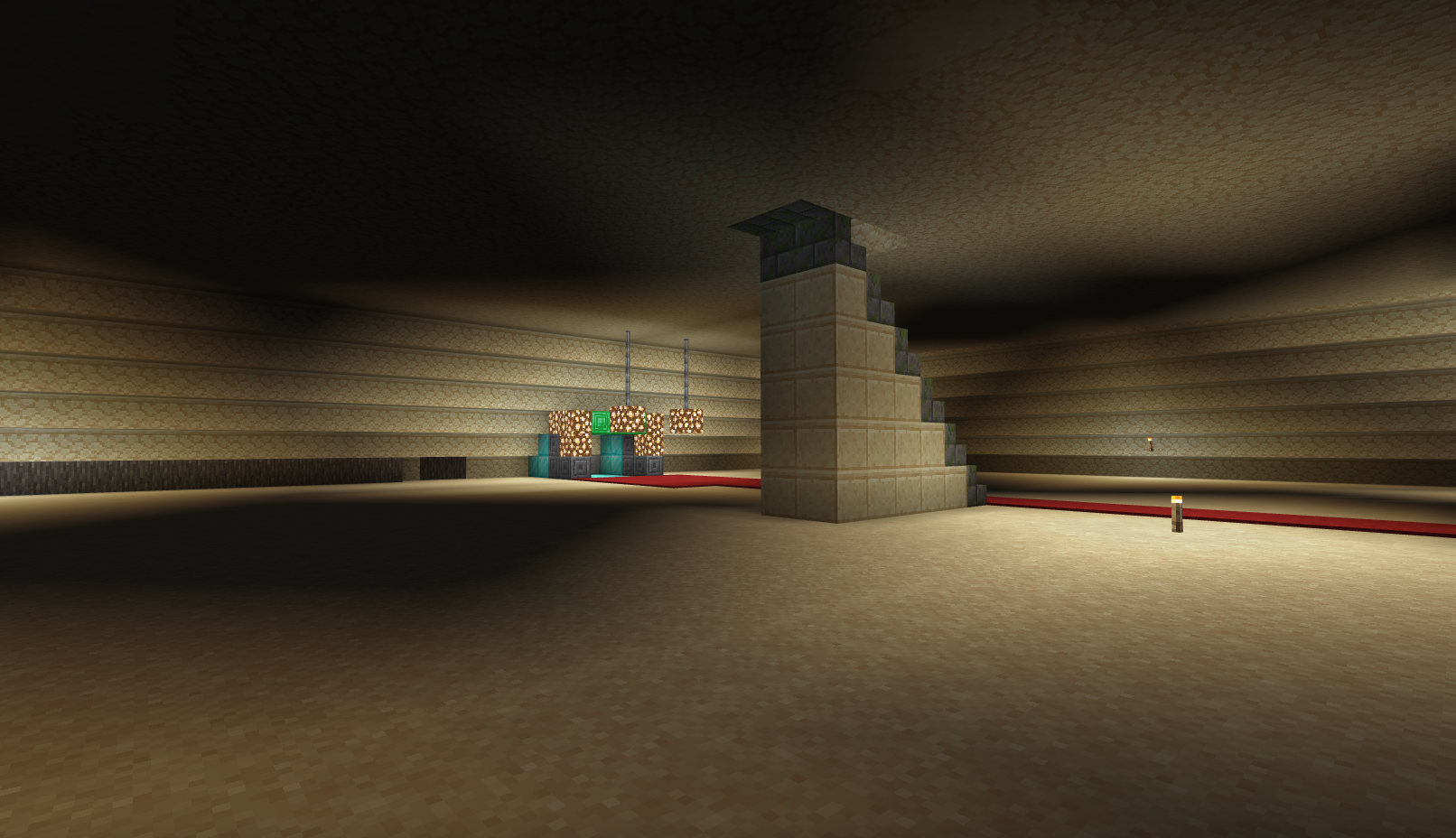
Our pyramid is for Thoth.  We made a patten in the wall which was meant to be a hieroglyphic.  We’ve added lots of gold and treasures inside our pyramid along with a red carpet which feels very royal.  We put some chests in there too with lots of important things in them like precious gems and golden objects.

Koby, Lili, Daisy, Xanthe, Lowenna and Frankie

We’ve built secret tunnels under the pyramid so if people try to get in they’ll come straight out the other side!  There are some other traps too that are supposed to catch people trying to break in.

Lexi, Alice and Alice

We put two chambers into our pyramid one is full of treasures and is where the sarcophagus is placed.  The pharaoh would have been buried with all of their treasure.  There are secret tunnels to get into the chambers to stop anyone naughty coming in.  It’s designed to be really scary in the tunnels!

Bobby, Daisy and Casey

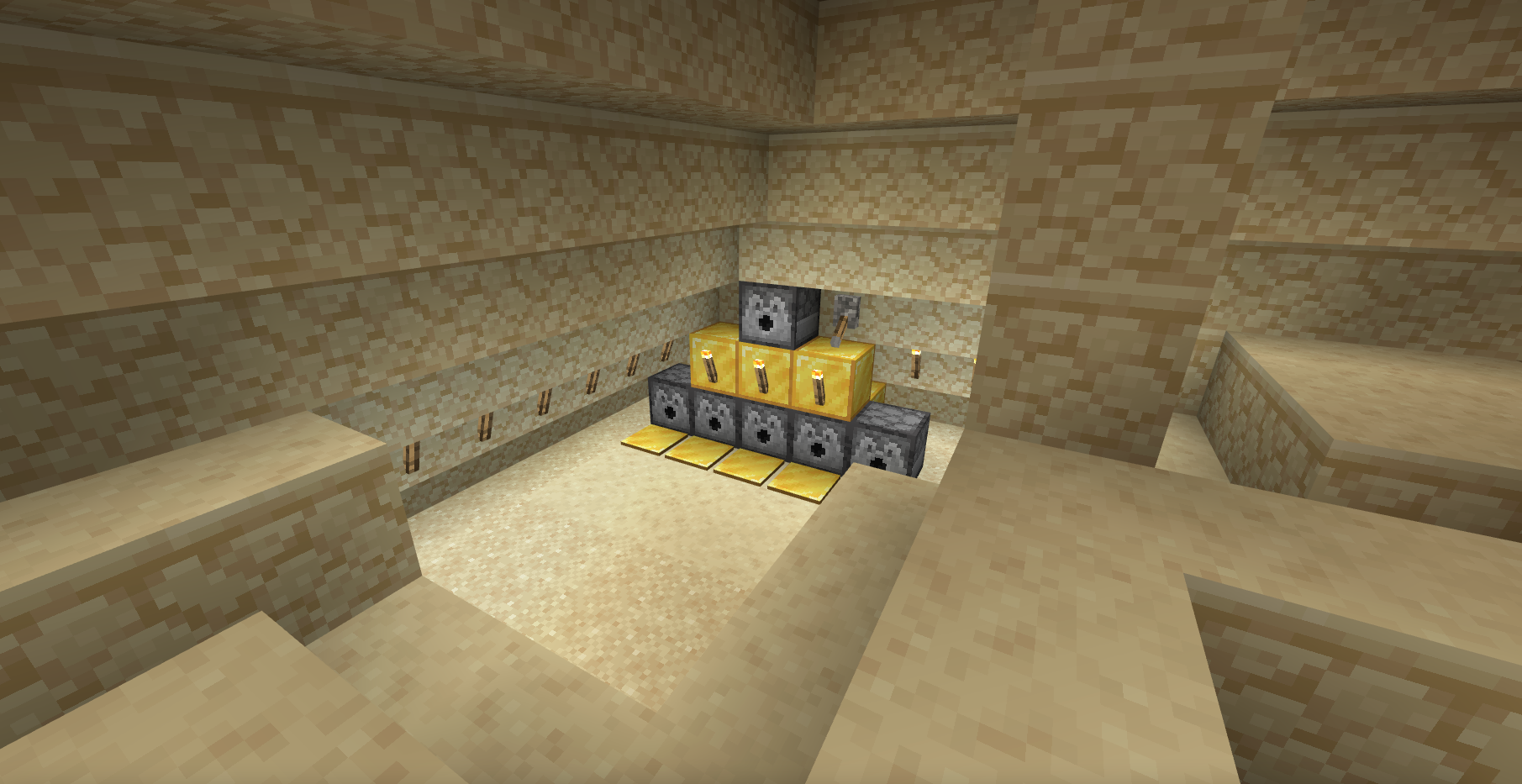
This is where the mummy would be placed in the pyramid.  We have put gold inside for him so he can take it with him to the afterlife.  We put torches inside so it’s not completely dark and so he can see the gold in the afterlife.

Fred, Poppy, Charlie and Darcey

We’ve got a staircase inside the pyramid which takes you up to a large maze where people might think the treasure chests are hidden, but it’s a trap!  They’re actually hidden under the pyramid.  This traps thieves inside the pyramid.  We’re really proud of the fact it has two levels and the fact we’ve added ancient books to give the pharaoh lots of knowledge in the afterlife.

Edwin, Logan and Arthur

It was designed so explorers who come in through the entrance will fall into a trap.  There’s an empty chest filled with really rubbish items which will trap the robbers into a chamber.  We’ve made it really confusing so nobody can get into steal the mummy or the treasure!  It’s full of traps and surprises!

Class 8

Grace, Izzy, Merryn and amelia

This is a hidden part of our pyramid where there’s lots of gold and things inside.  There are false lights in a fake corridor to distract people trying to break in!  The gold is hidden in a secret place behind a trap.

Rory, Darcey, Noah and Charlie

We made an upstairs in the pyramid, but didn’t quite finish it off yet.  But there’s also a dungeon room below the main room where there are spider webs, creepy things and stuff like that.  Our pharaoh was the god of the underworld so we made his dungeon look like the underworld.

Massimo and Jack

We really enjoyed making the pyramid!  We thought “what would an ancient Egyptian think about when the pyramids was created?”  We thought the answer would be glory, cool secret stuff and valuable treasure.  On the top of our building there’s loads of gold and I made the Egyptian symbol of life out of gold!  We also really enjoyed making the secret entrances behind the hieroglyphics.

Maddison, Nevaeh and Lucy

I liked creating the portals for each Egyptian God because I could figure out blocks would best show off the different gods.  We also really liked making the secret rooms which were so important in the pyramids to store things safely for the afterlife. 

Zak, Pearl, Isaiah and Ethan

The trap in our pyramid has a little hole in the middle of it, so if anyone is silly enough to walk in the middle they’ll fall through!  Our little room is really important because you can only fit really special things inside it.  There is a secret treasure chest hiding under our bridge!

Sam and Logan

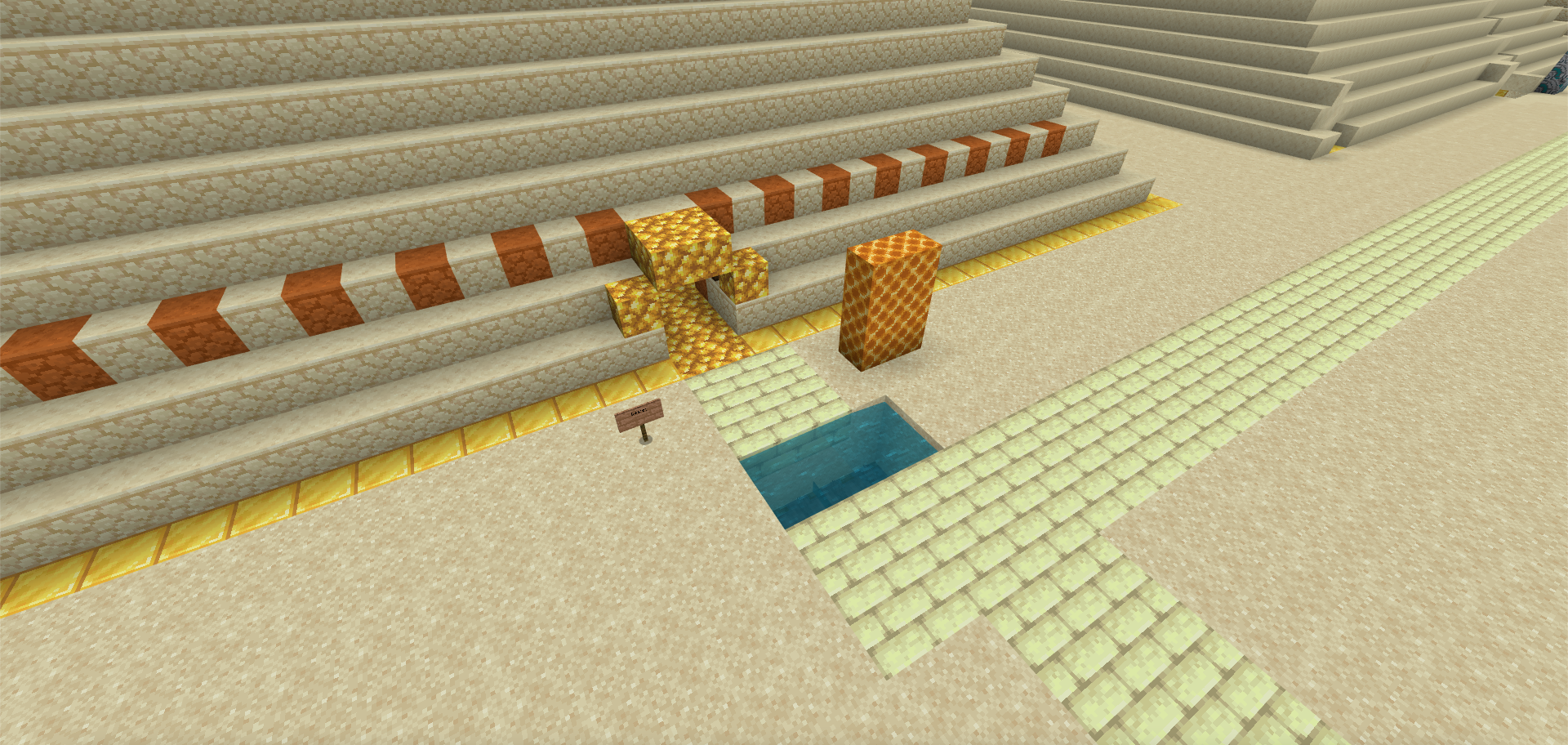
When you first go in through the passageway there’s a real sense of Ra’s power.  We used glowstone to represent the sun.  I liked the front of our pyramid a lot because it’s so three dimensional and it looks absolutely massive – but still smaller than a real pyramid!

Noah, Dexter, Bailey and Koen

The room in the back corner is a secret space where we’ve hidden some gold treasure.  Another room has other important things in it like a backdoor, a desk and lots of ancient Egyptian scrolls.  We’ve also added some exploding traps to stop anyone coming in!

Evie, Freya, Alayah and Everly

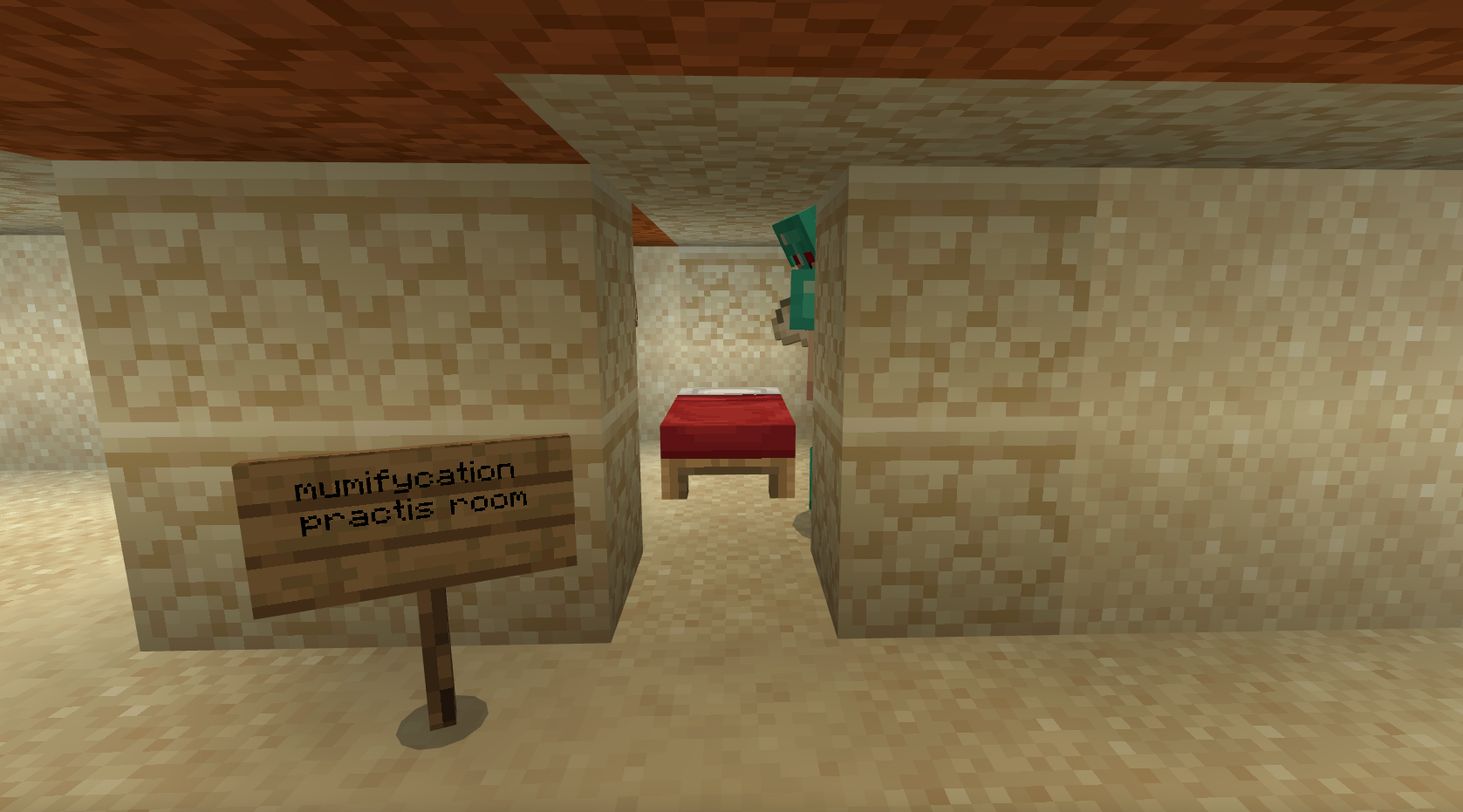
In this room the Egyptians could practice their mummifications!  They need to be perfect so that people they were mummifying could get into the underworld.  We also put in a trap door in the so we can get down into the secret room where the mummification happens.

Exploring Energy and Innovating Ideas

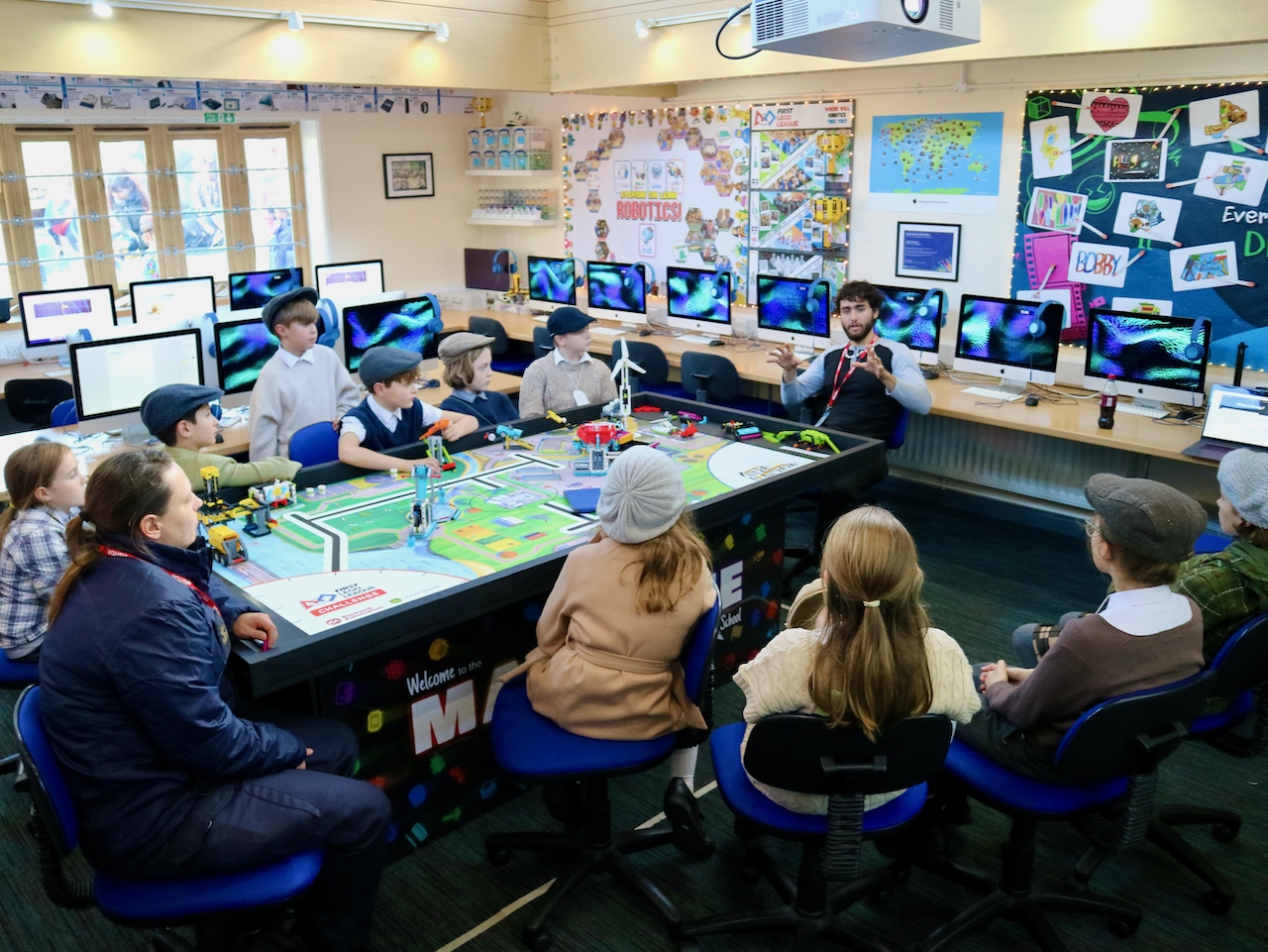
Today our Year 5 and Year 6 LEGO League teams were fortunate enough to have not one but two very special guests around to help mentor and support them with their competition preparation.

Our team mentor, Chelsea from RNAS Culdrose, has kindly agreed to visit every Thursday to help coach both teams.  She’s a familiar face at Penpol now having worked closely with our teams last year as well – in fact she asked if she could come back this year!

Alongside Chelsea we also had another very special visitor – somebody who has travelled slightly further than Culdrose to join us…

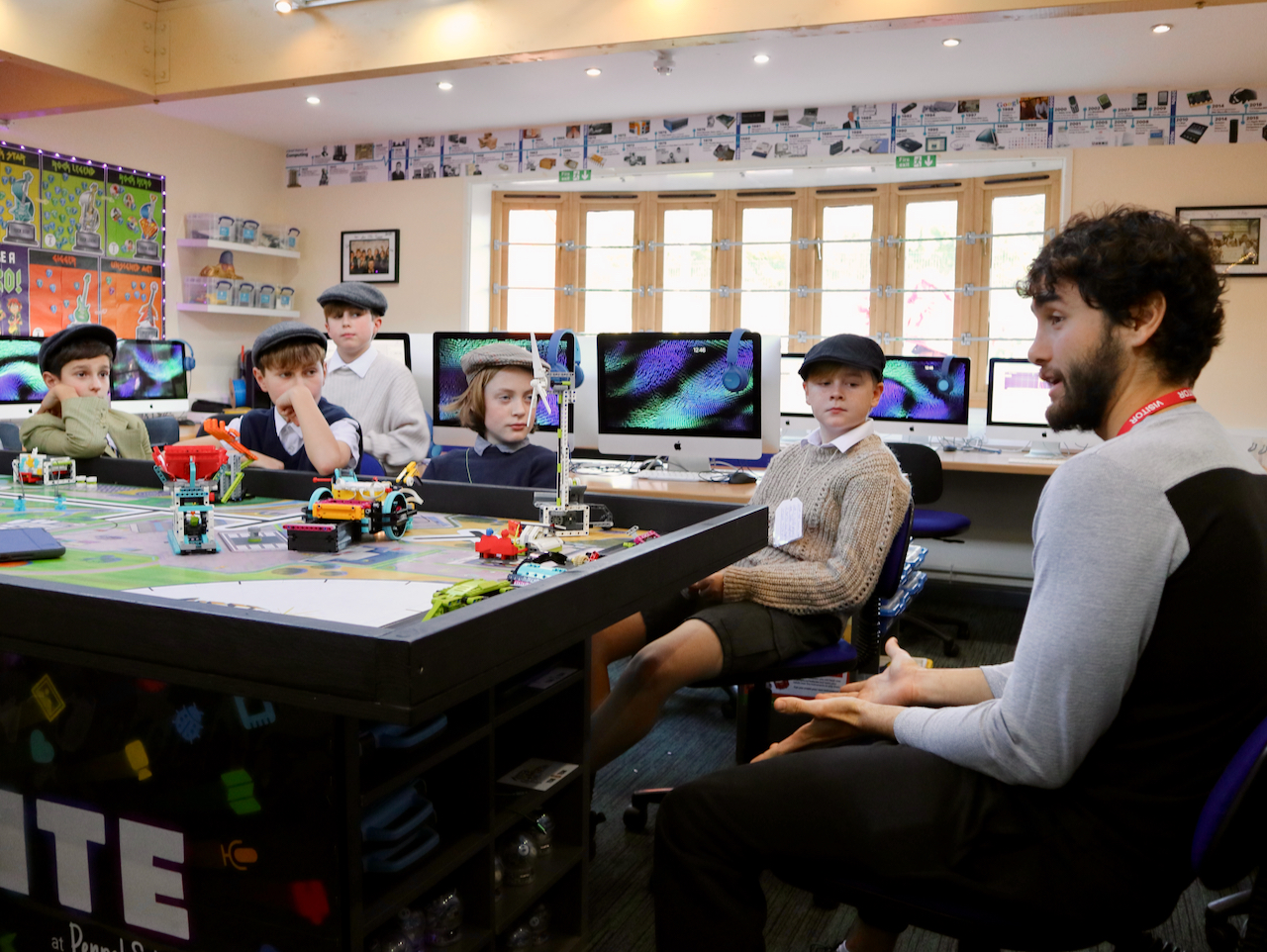
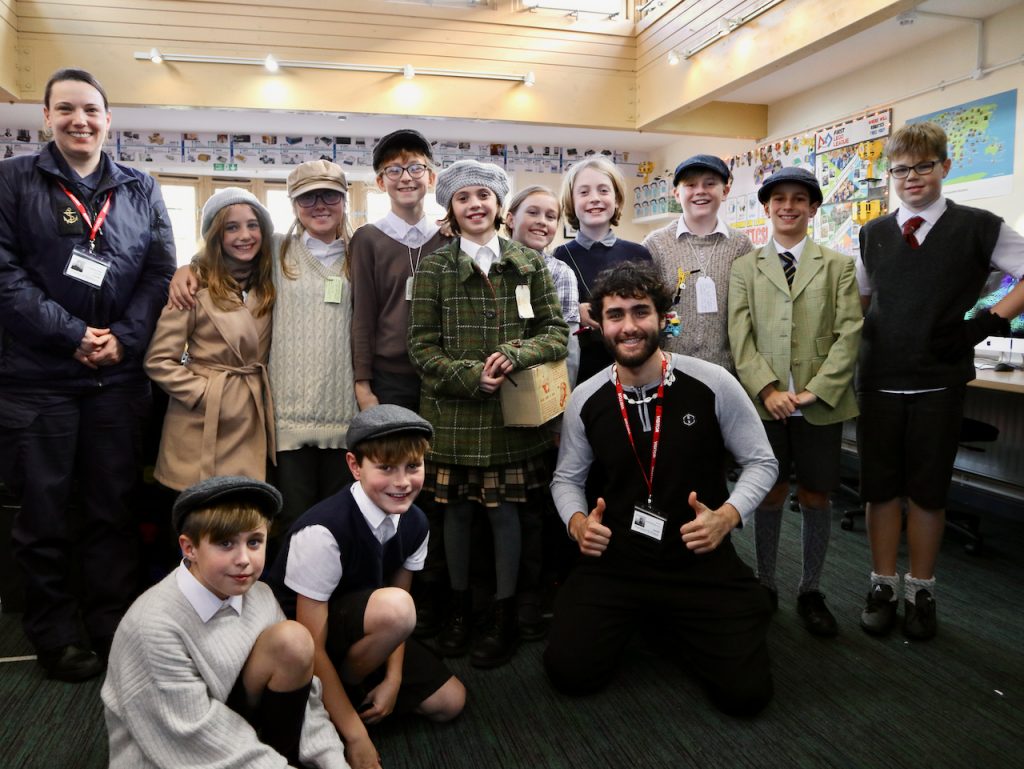
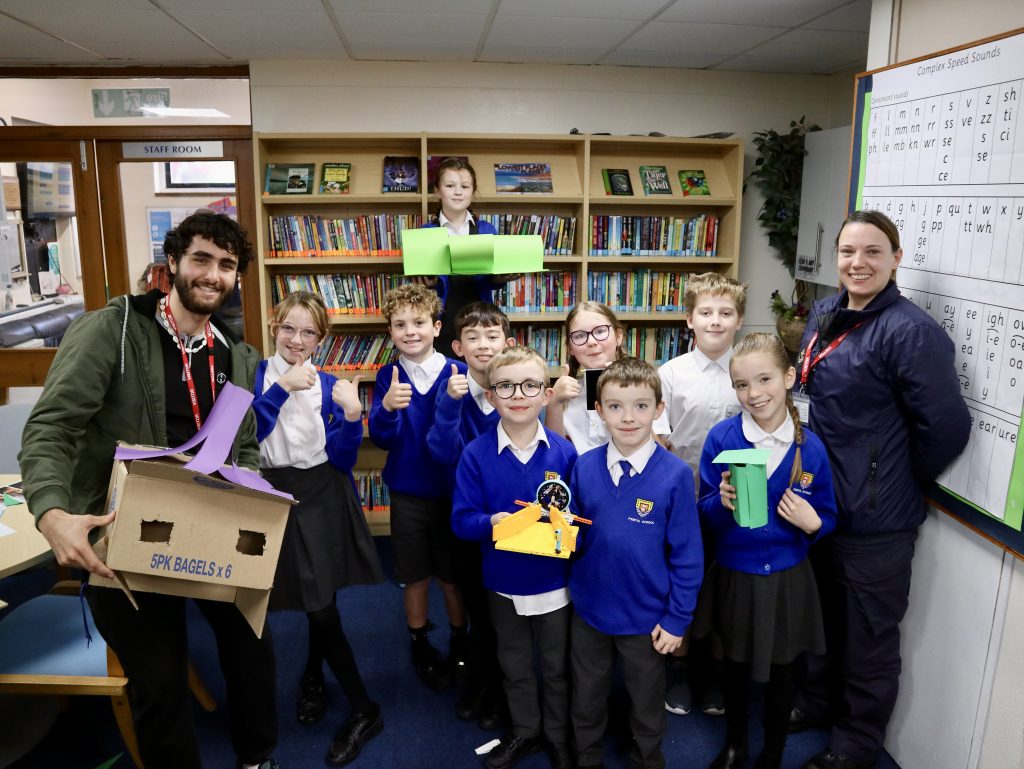
Alejandro Buitrago is an engineering student from the University of Technology and Engineering Careers (UTEC) in Lima, Peru.  He is currently travelling around Europe and through a happy coincidence ran into Mr Woolcock.  Upon chatting, Mr Woolcock discovered that Alejandro is in the middle of a degree in Renewable Energy Engineering – which just so happens to be the exact theme for this years LEGO League competition!  

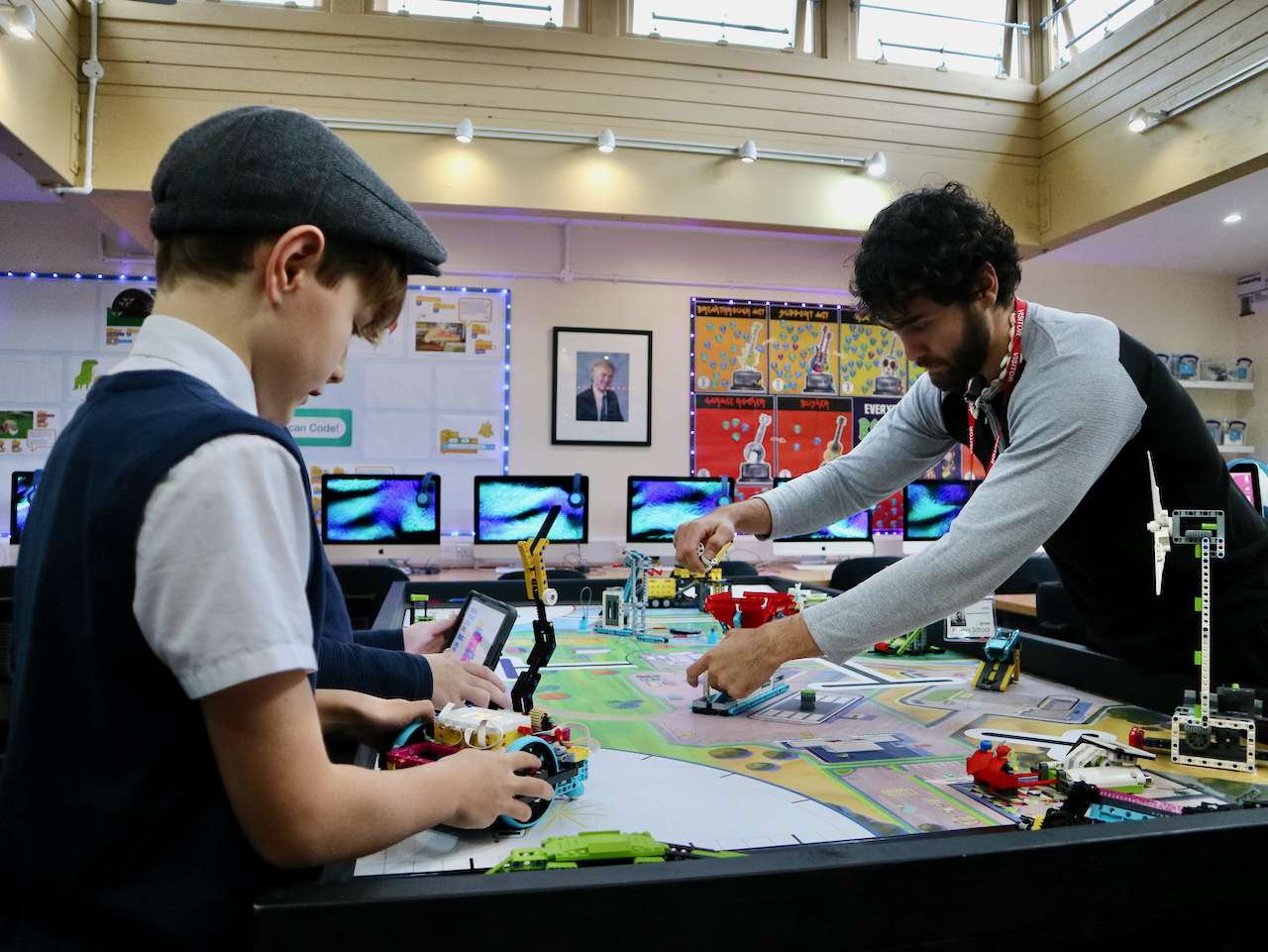
Alejandro very kindly agreed to spend an afternoon with us and spent time working with our Year 6’s over lunchtime and our Year 5’s this afternoon.

Y6's took time out from Evacuee Day to learn about Energy
A lot of Energy-themed prototyping and idea development with the Y5's

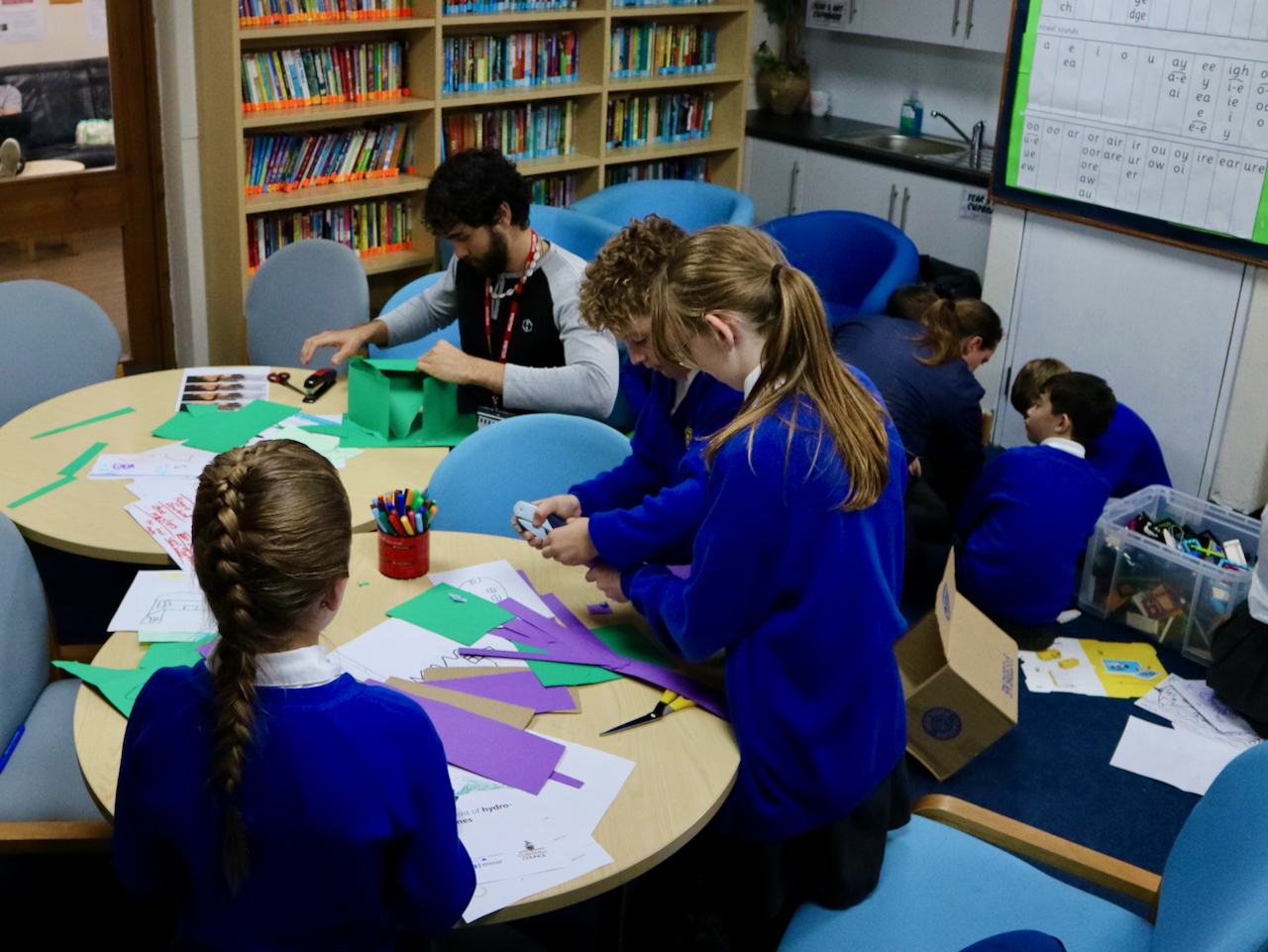
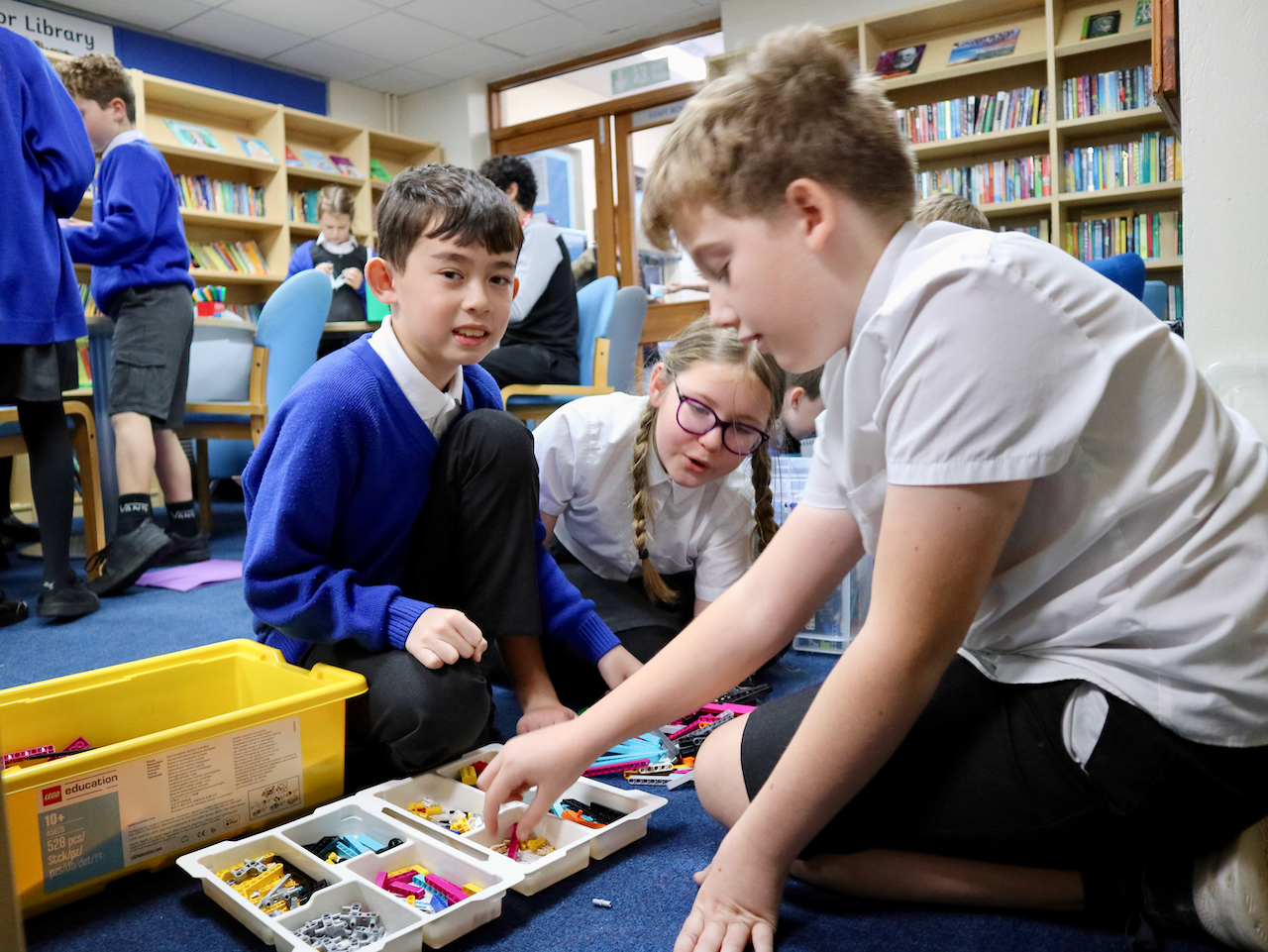
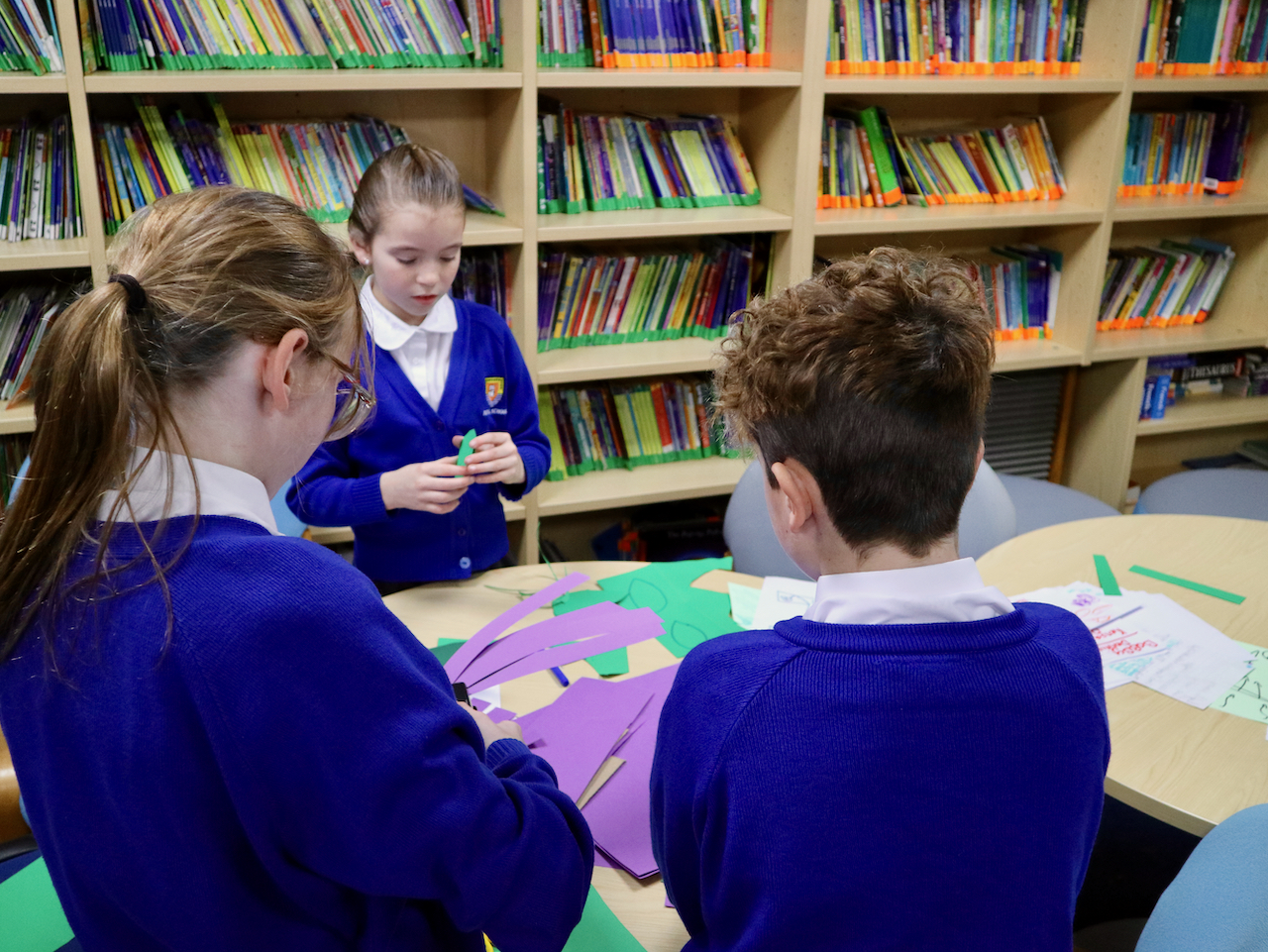
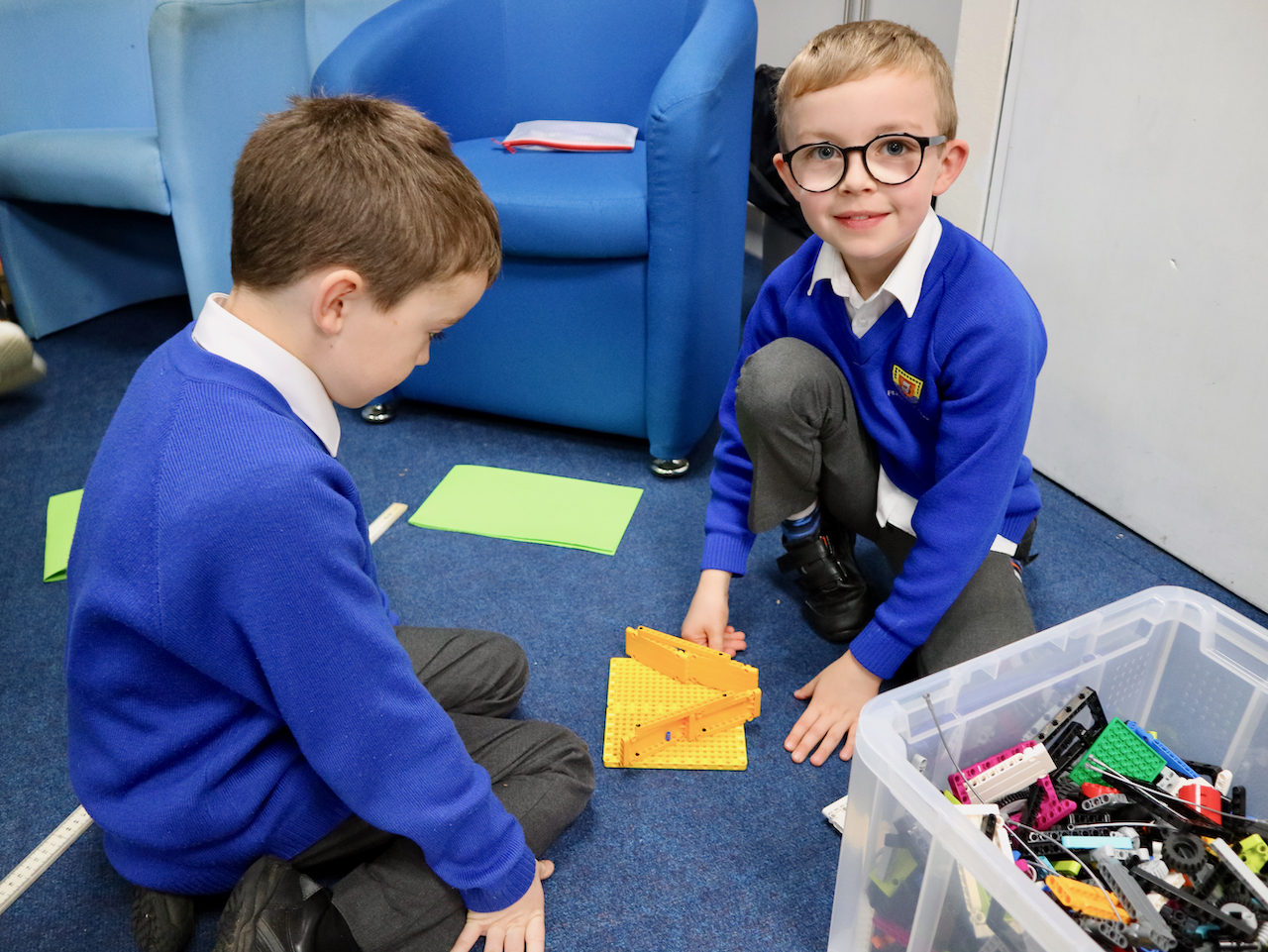
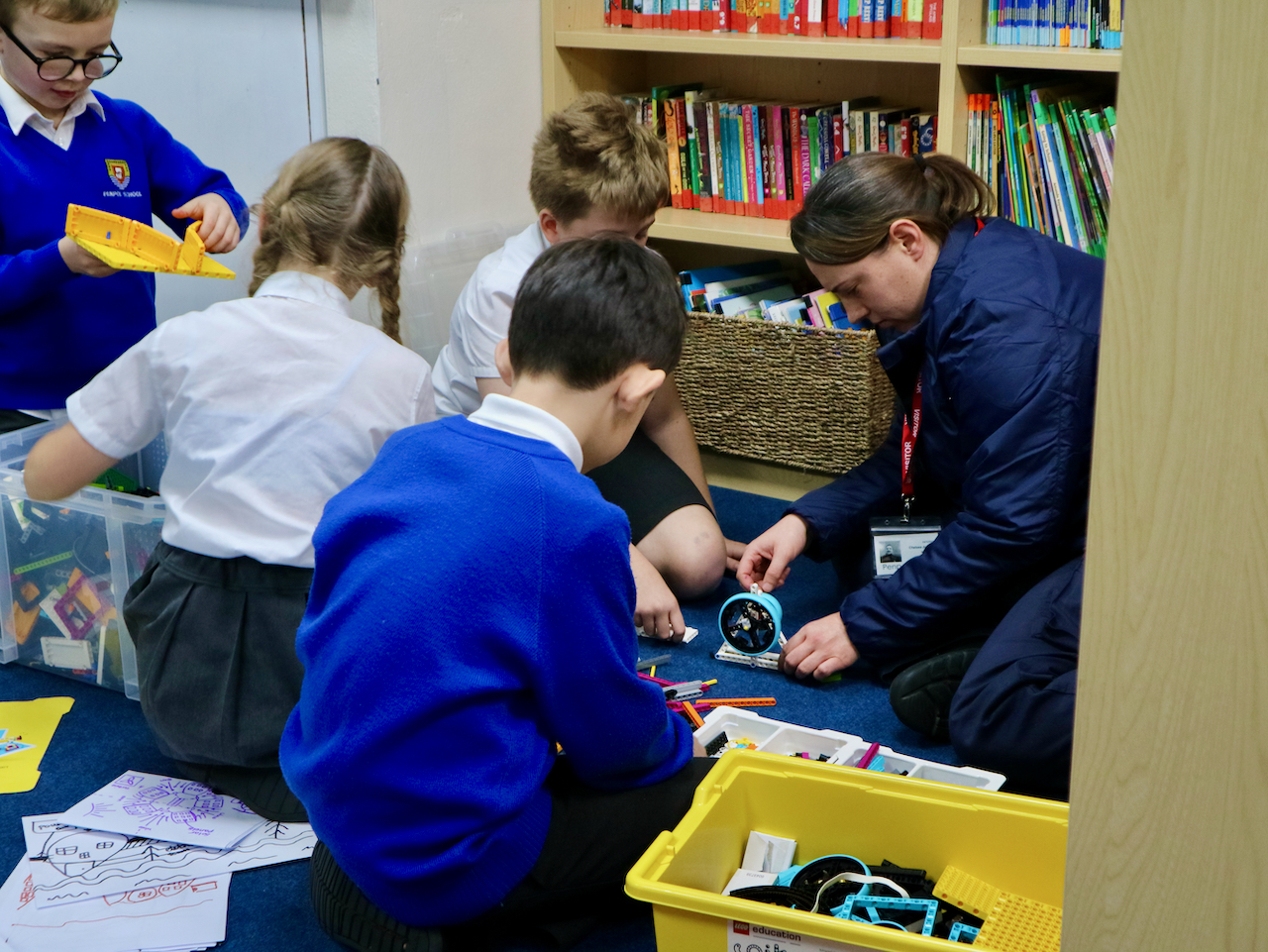
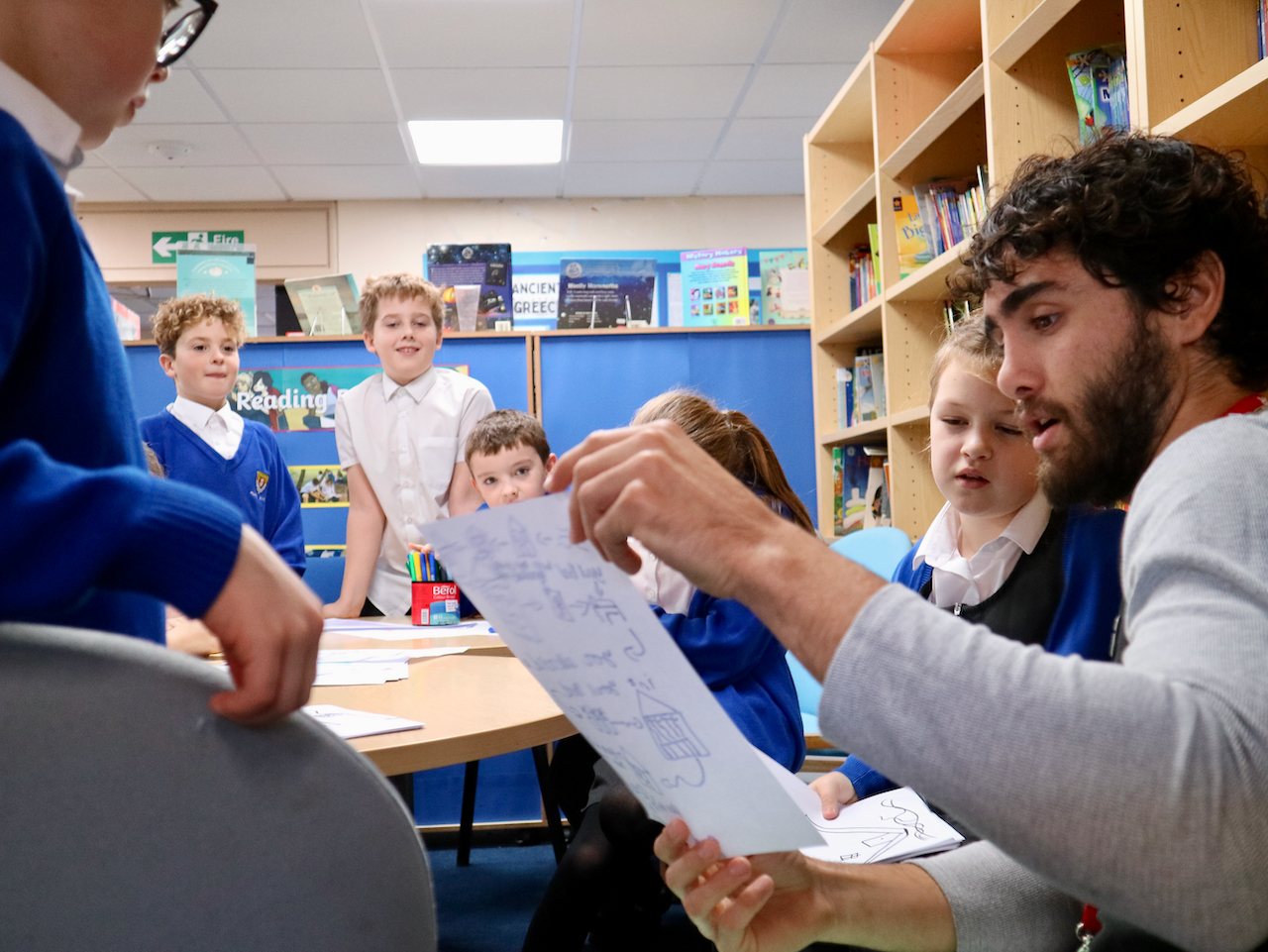
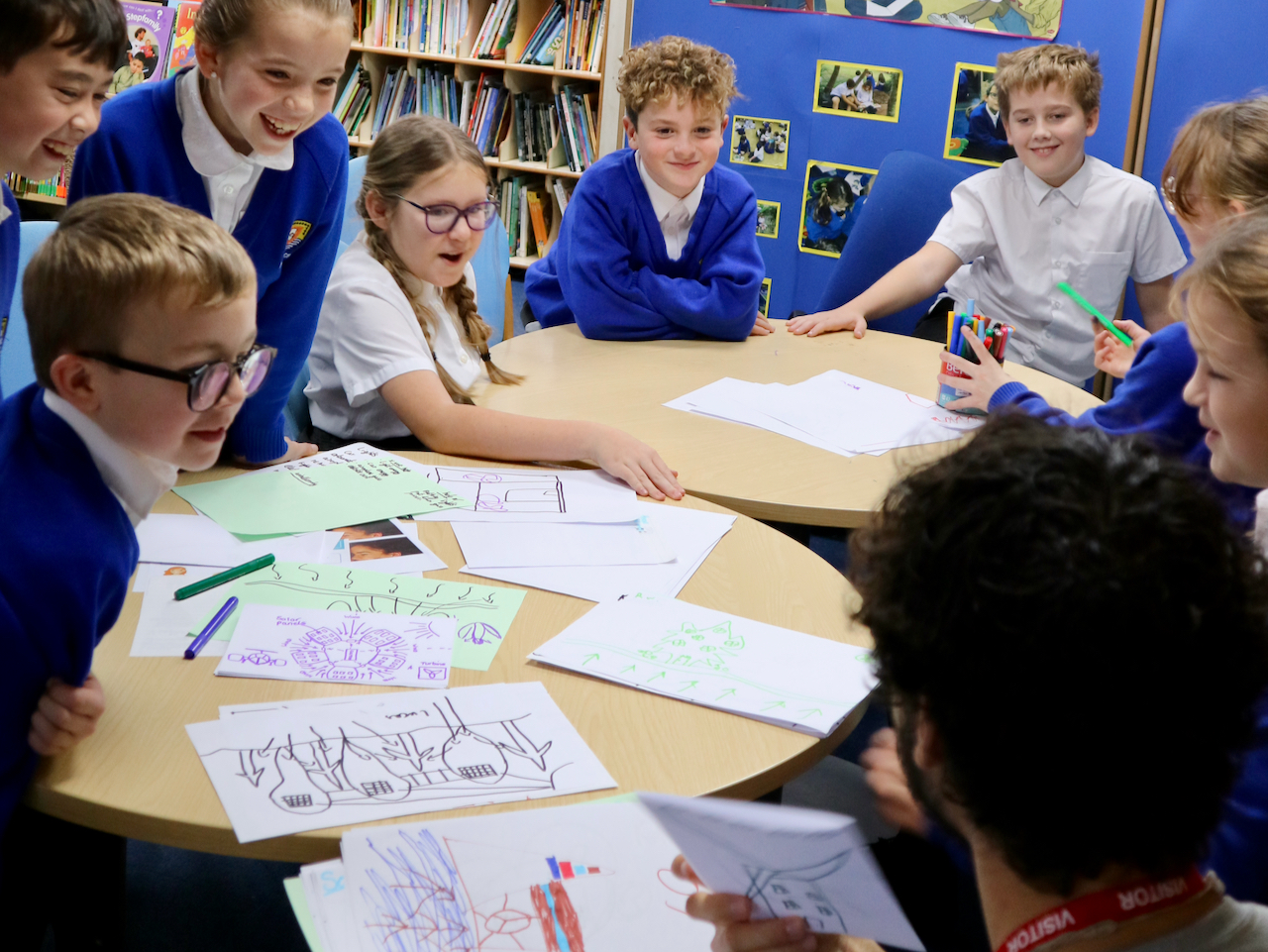
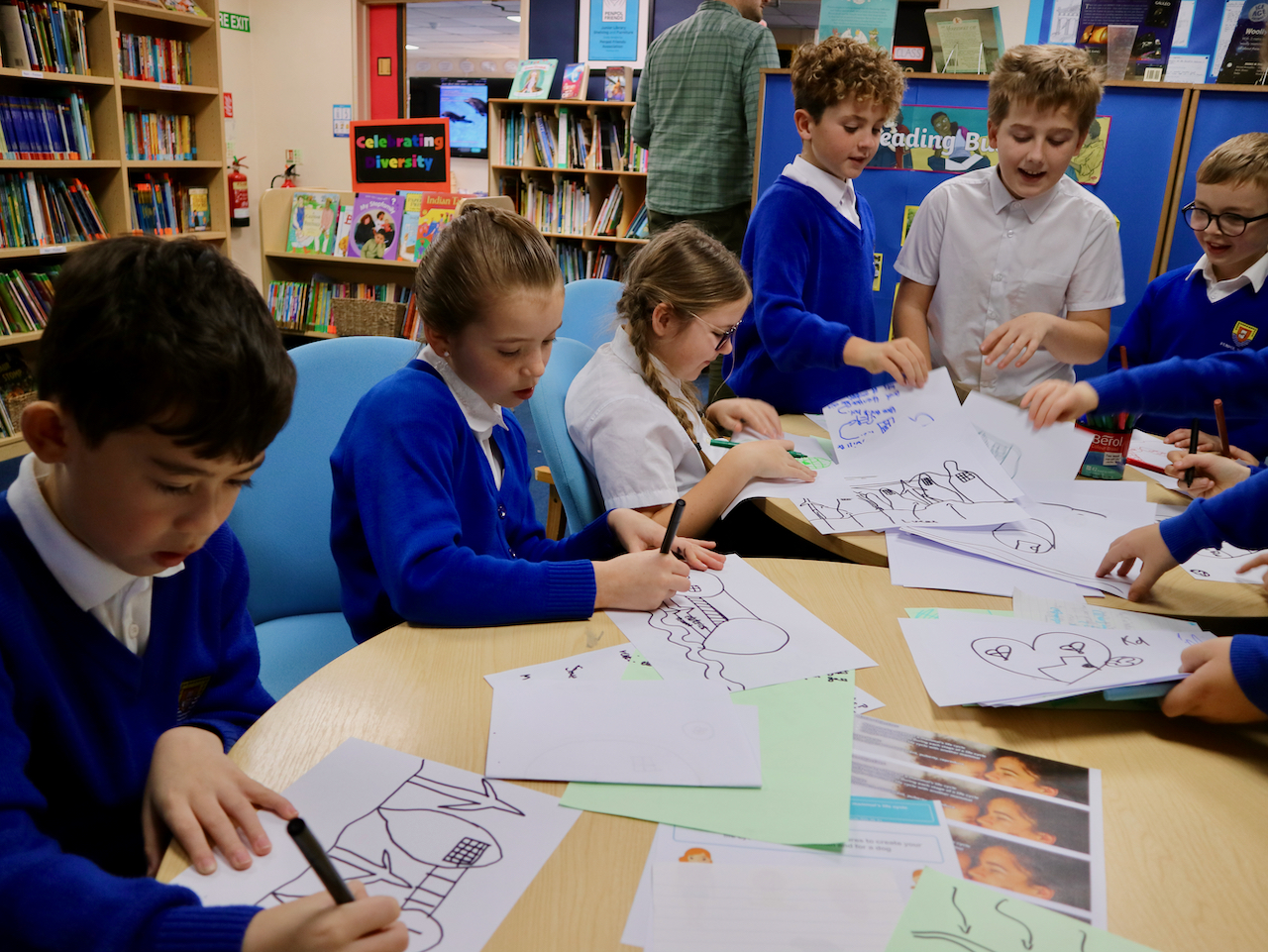
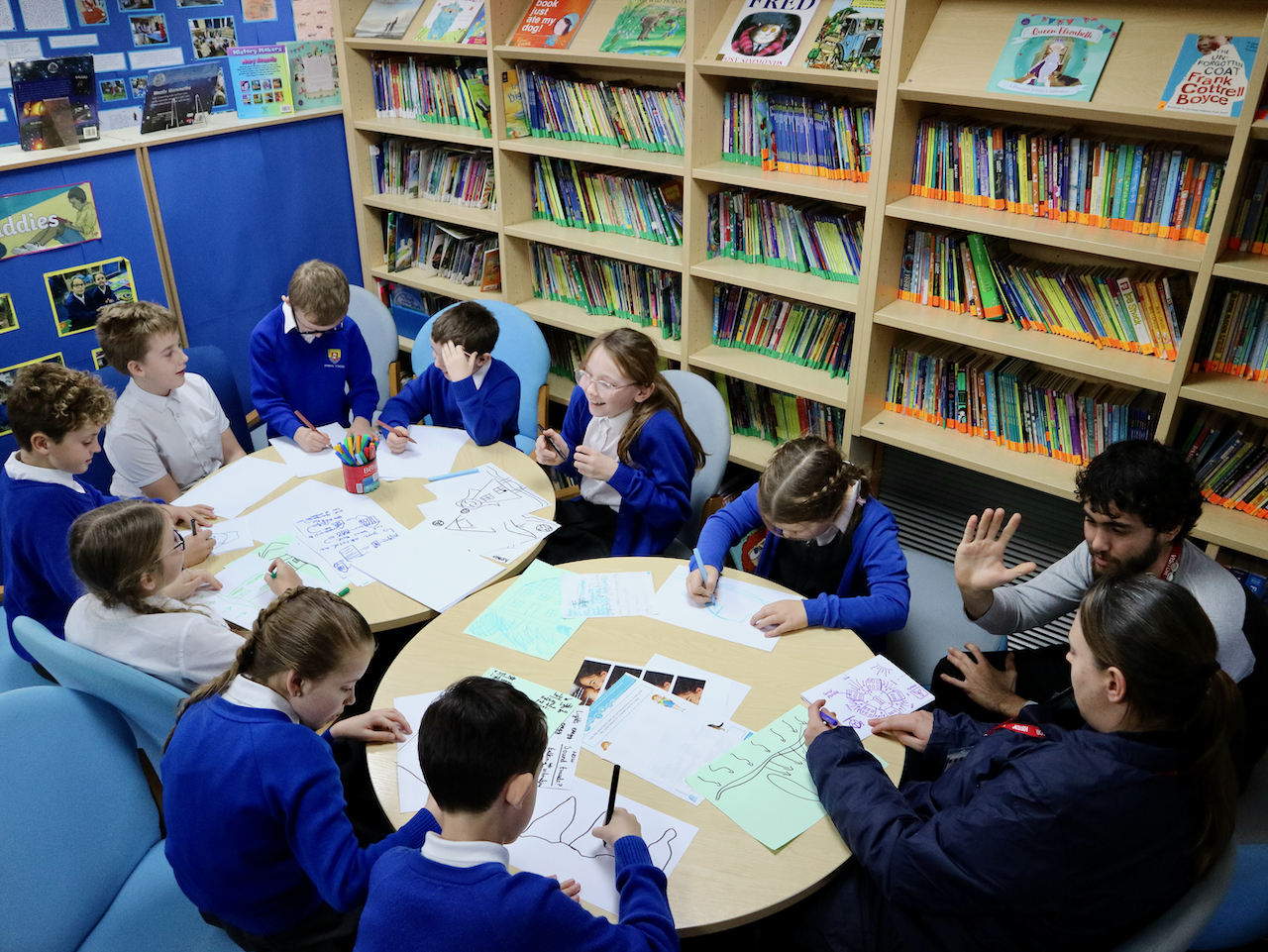
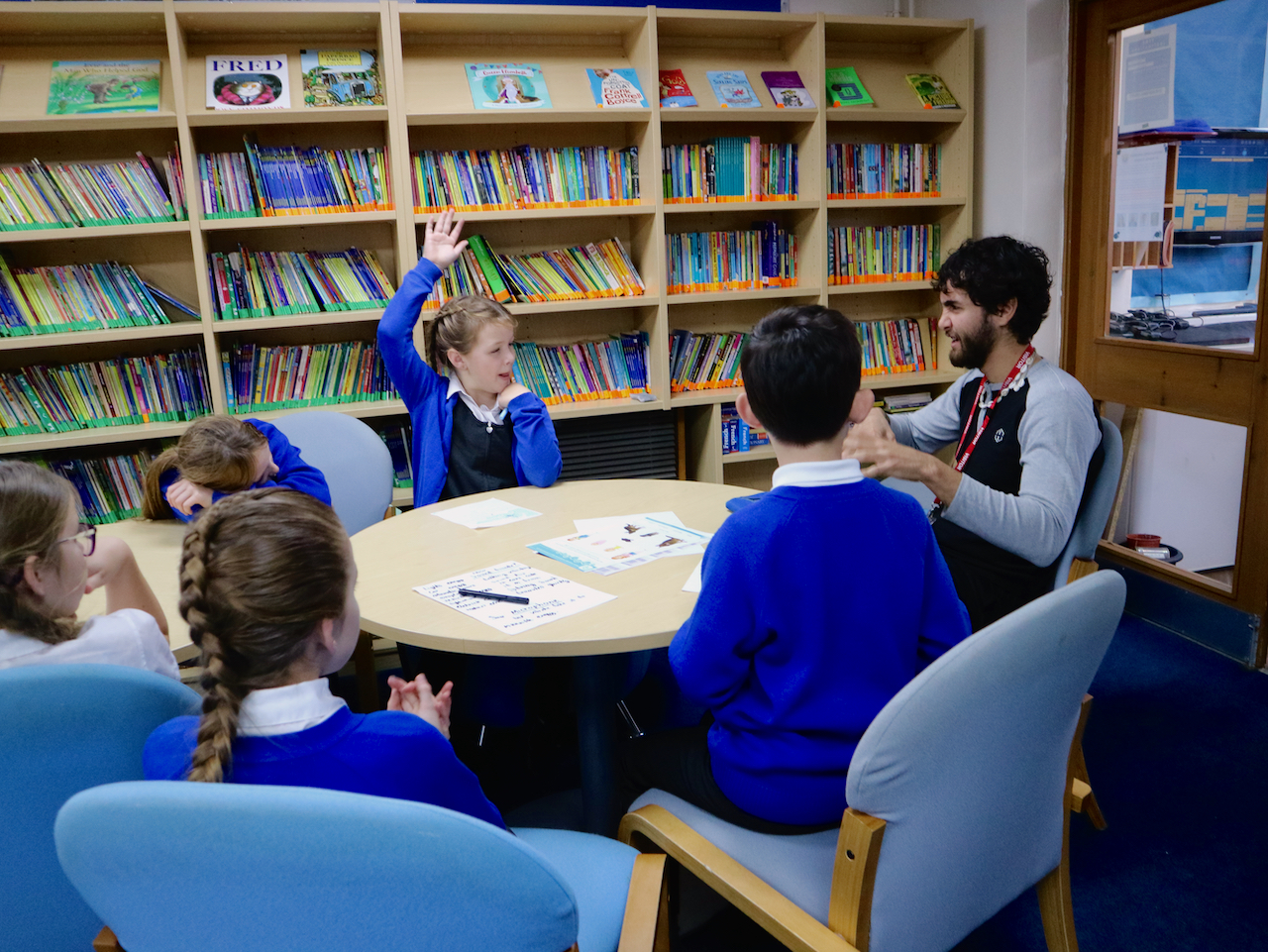
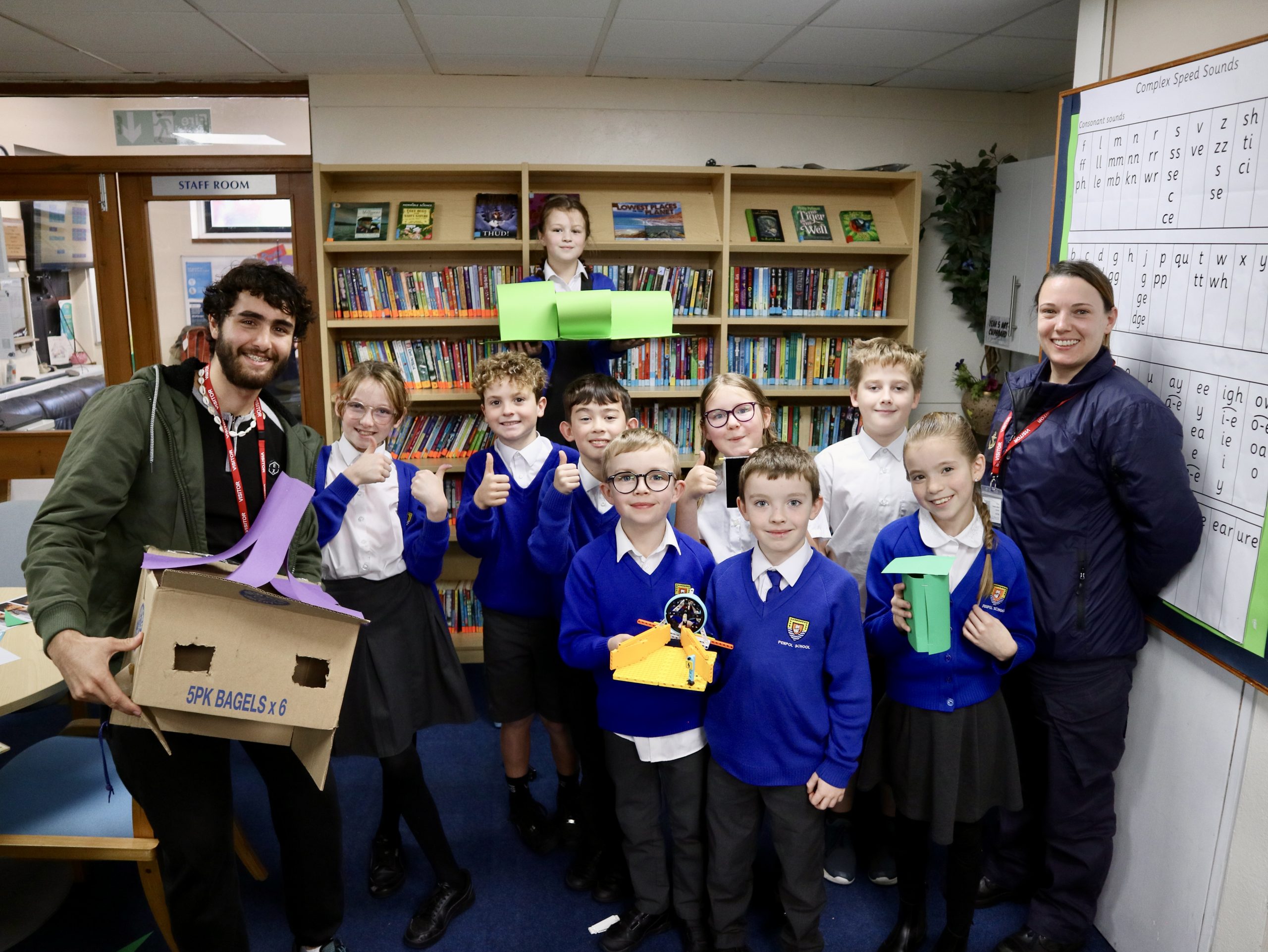
During this time Alejandro kindly answered questions, shared a wealth of knowledge and inspired the children to pursue and develop their innovative ideas for the Innovation Project.  By the end of the day the library was covered in hand-drawn sketches, coloured paper, glue sticks, cardboard boxes turned into prototypes and assorted LEGO constructions.  All the signs of a good afternoon!

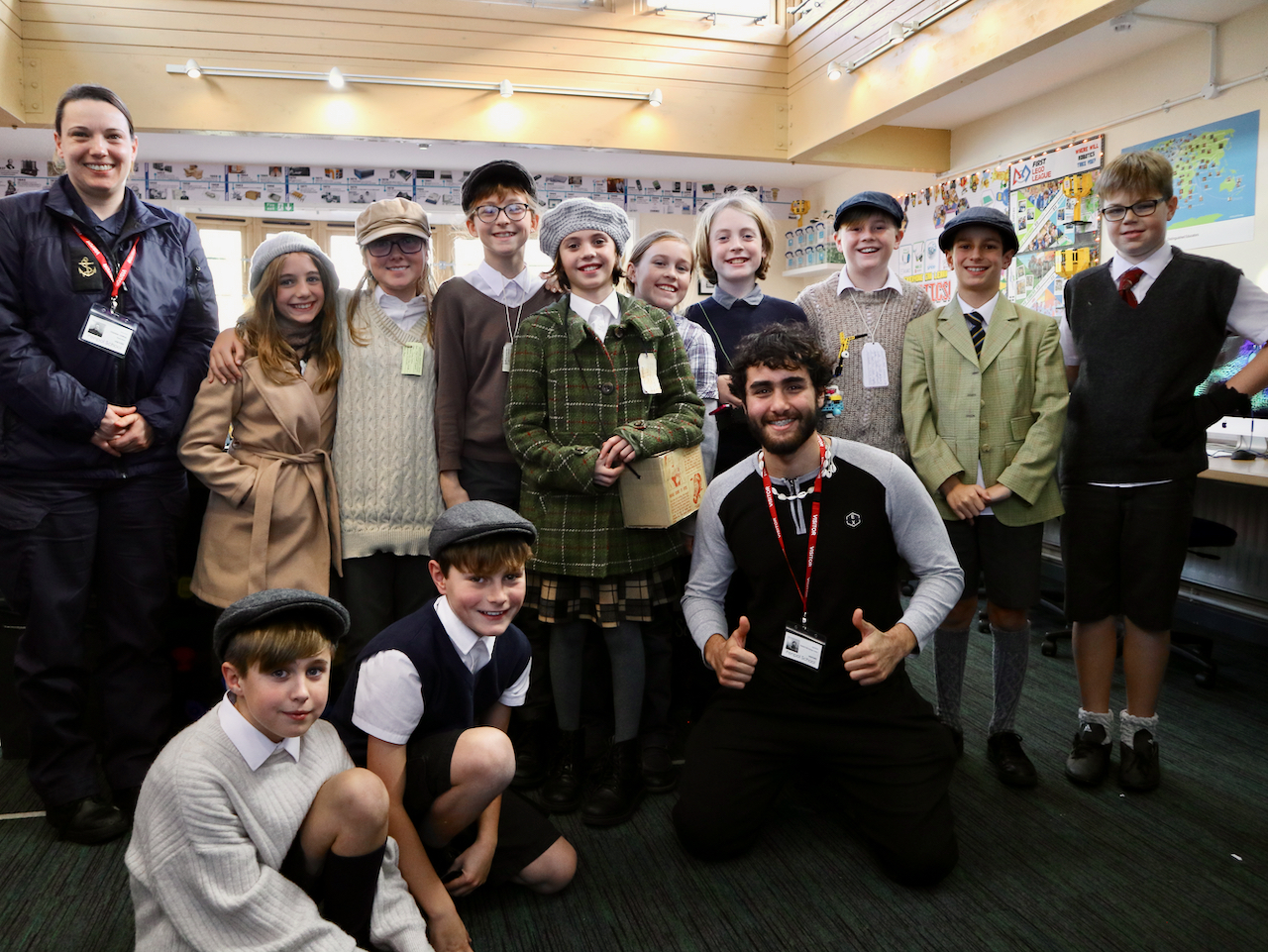
A massive thanks to both Chelsea and Alejandro for their support.

Year 6 Photos

Fantastic Fireworks in Year 1

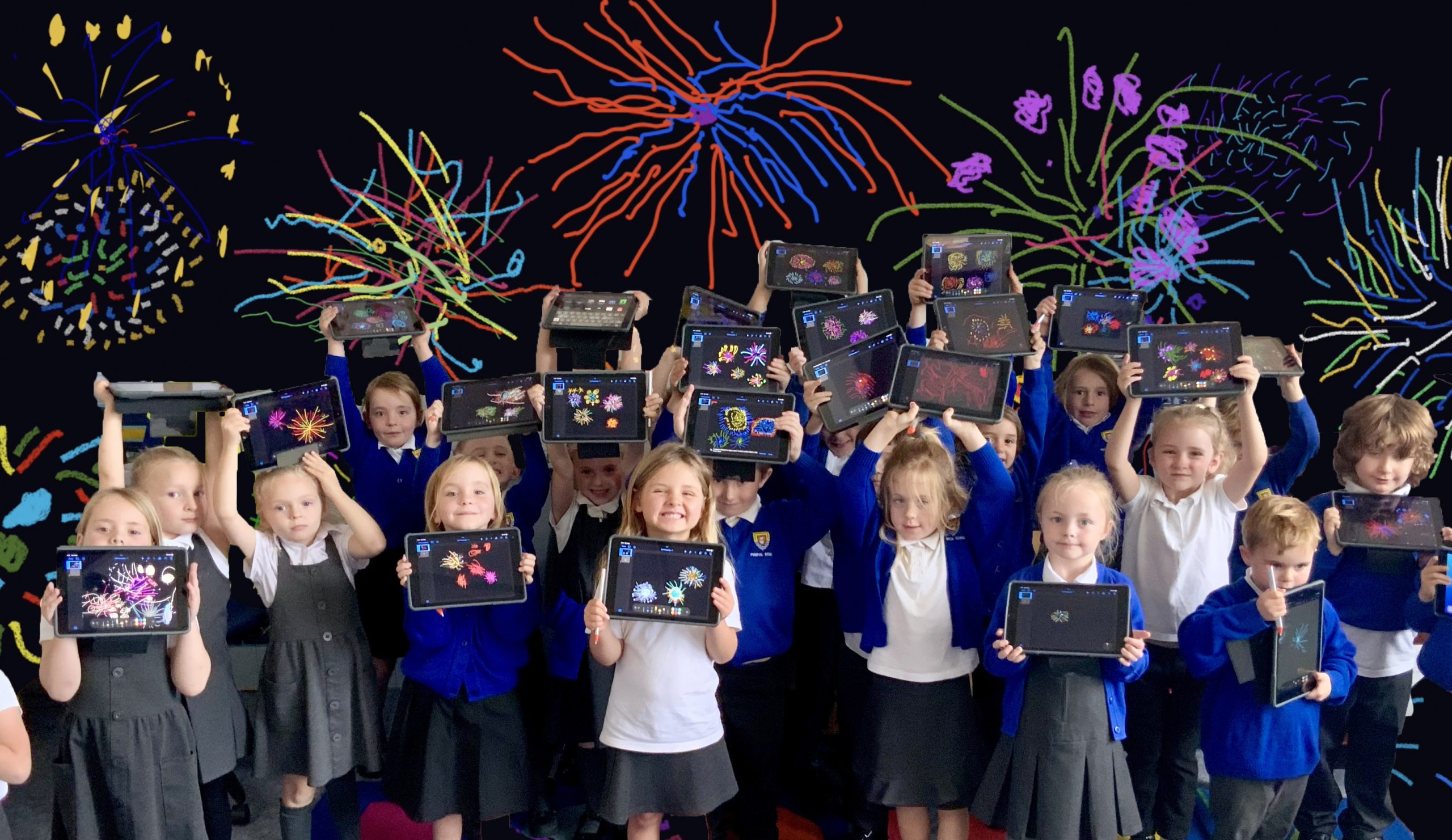
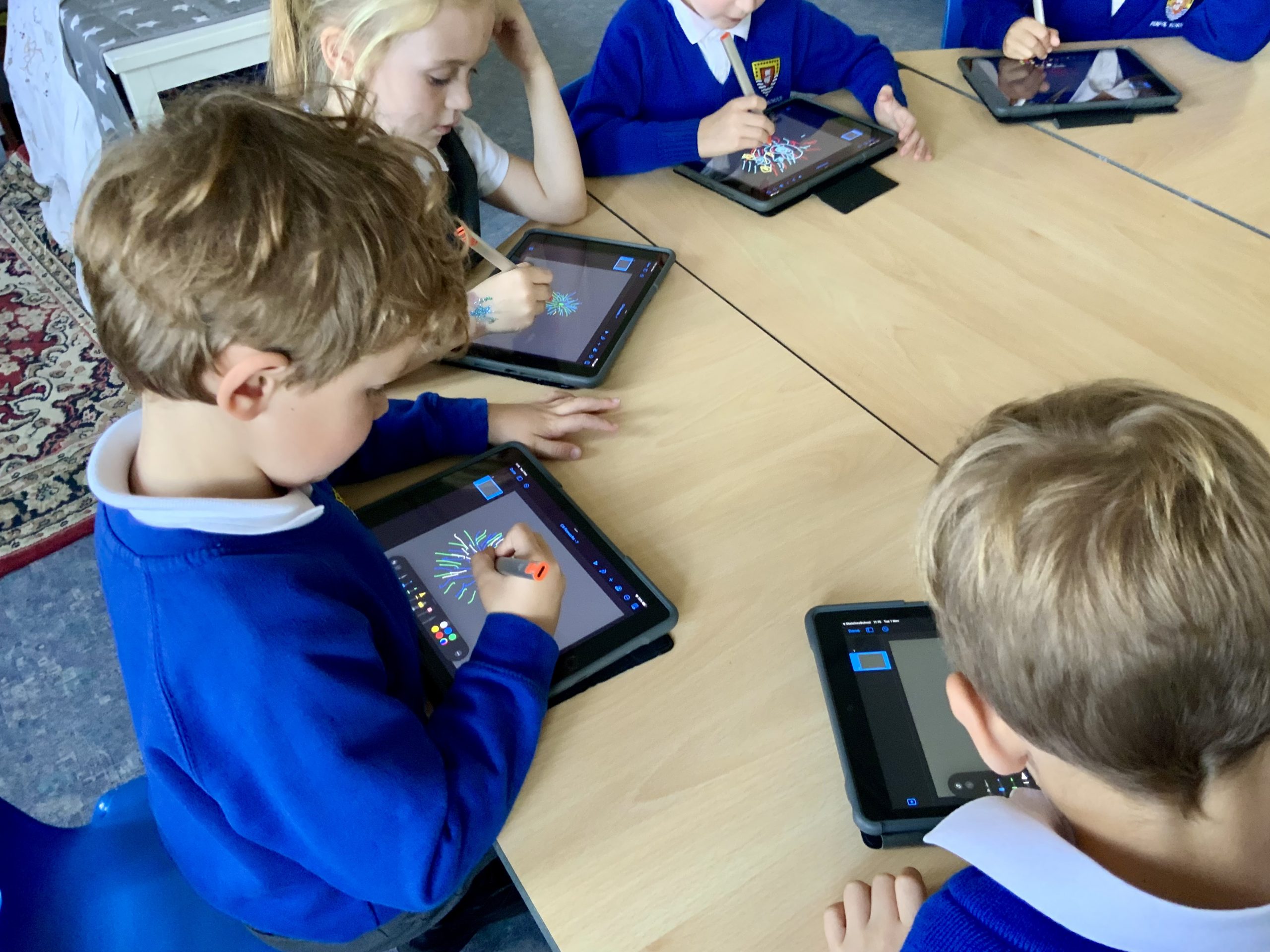
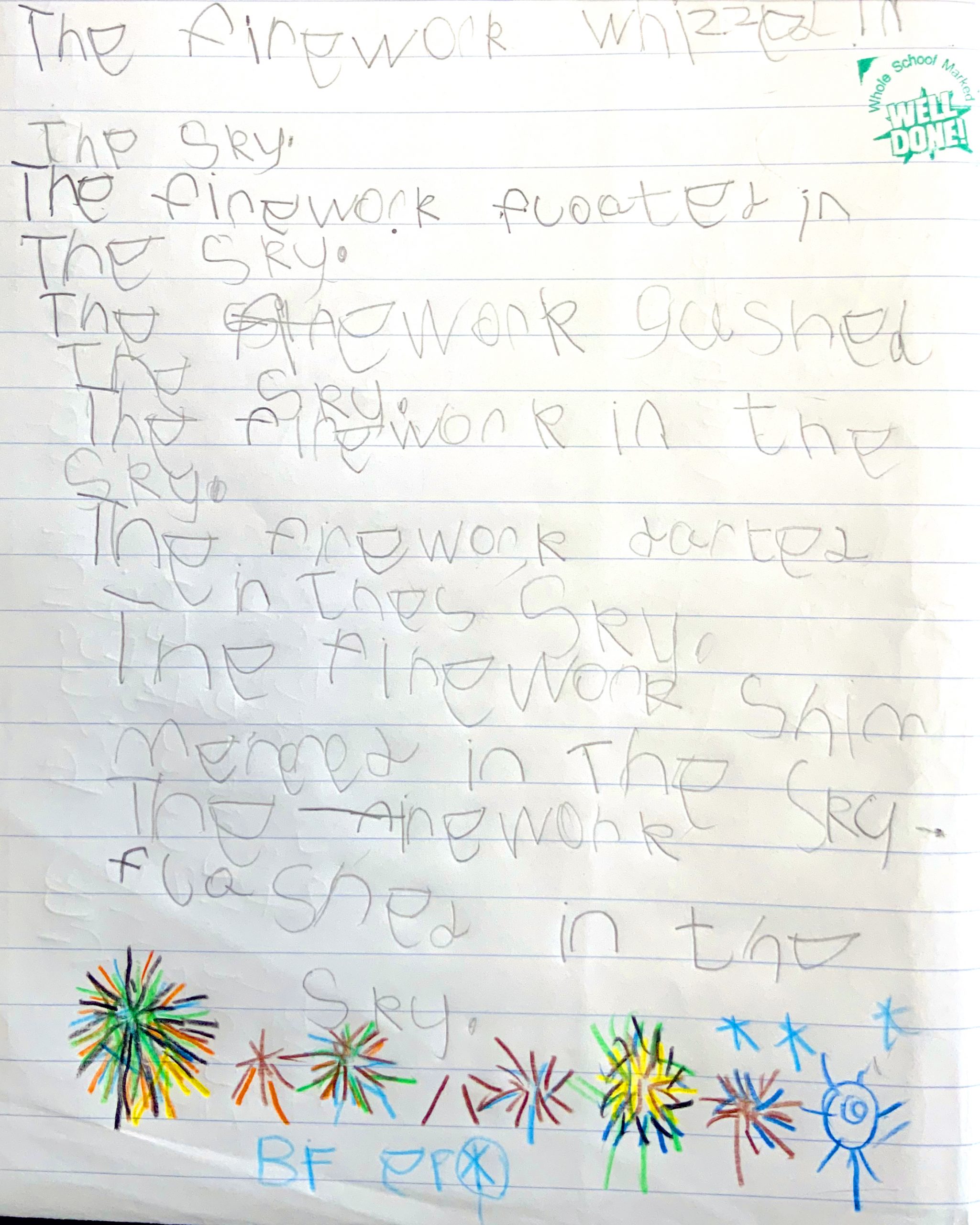
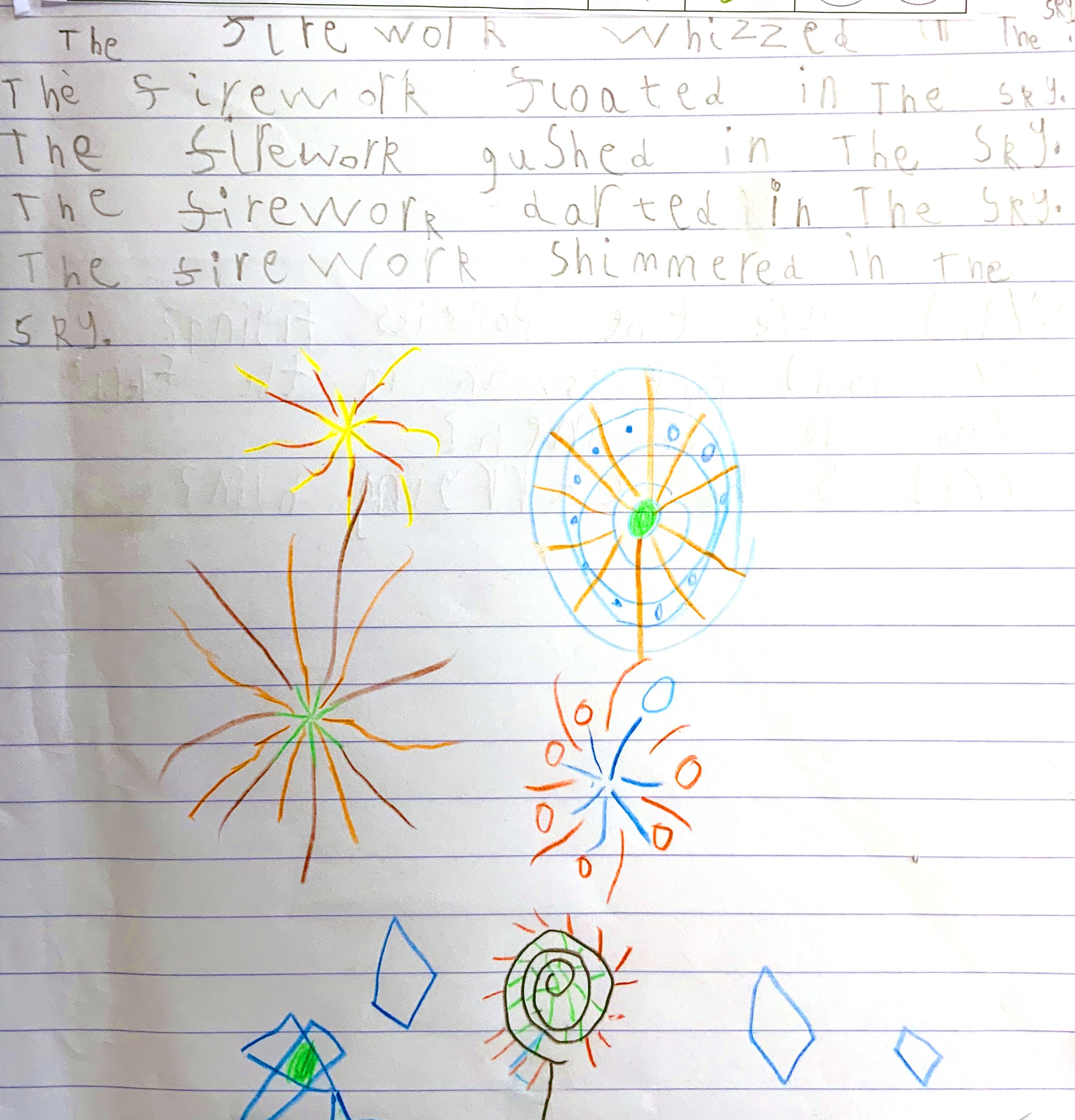
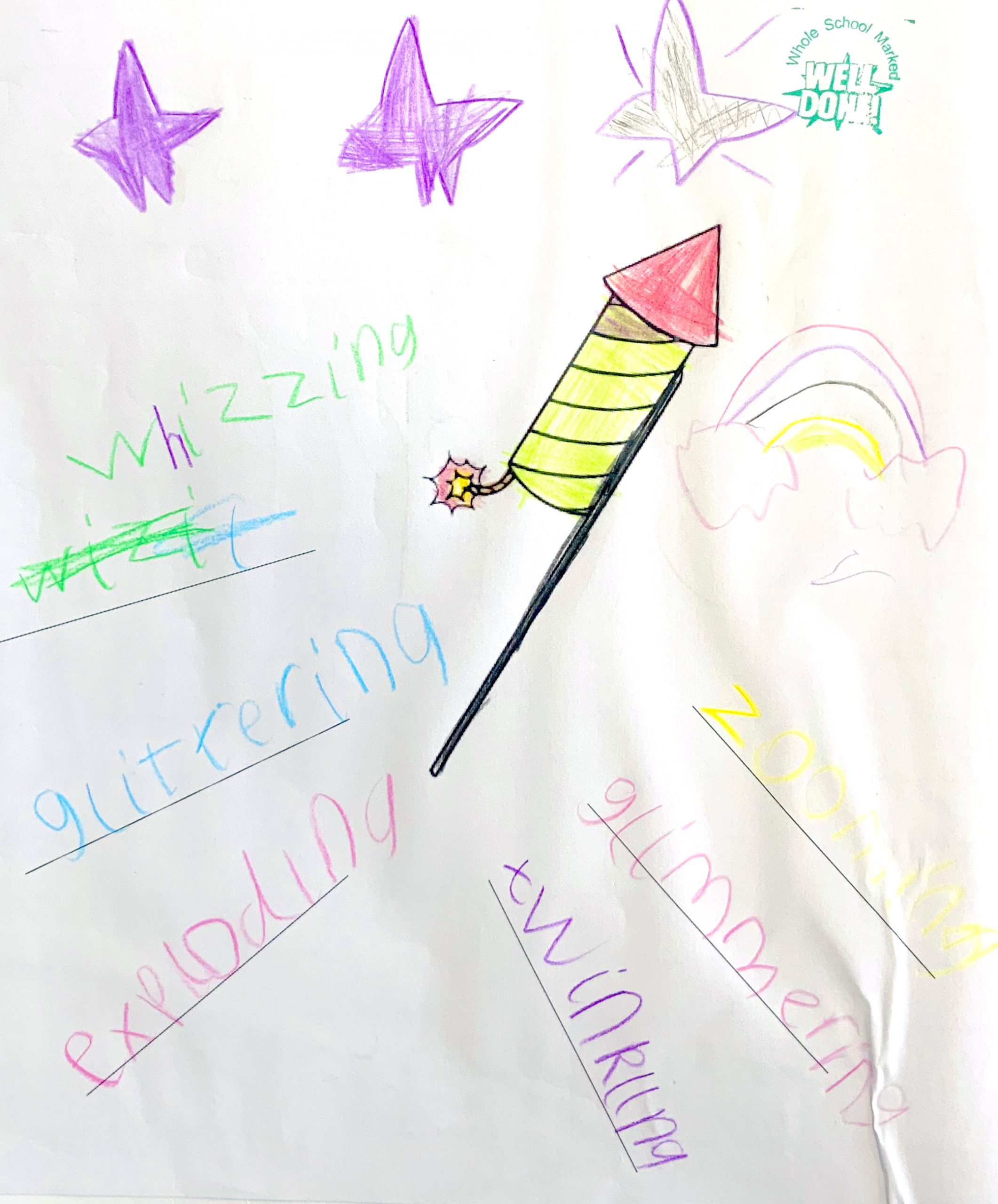
This week Year 1 have been learning all about fireworks by writing poetry and creating digital art.

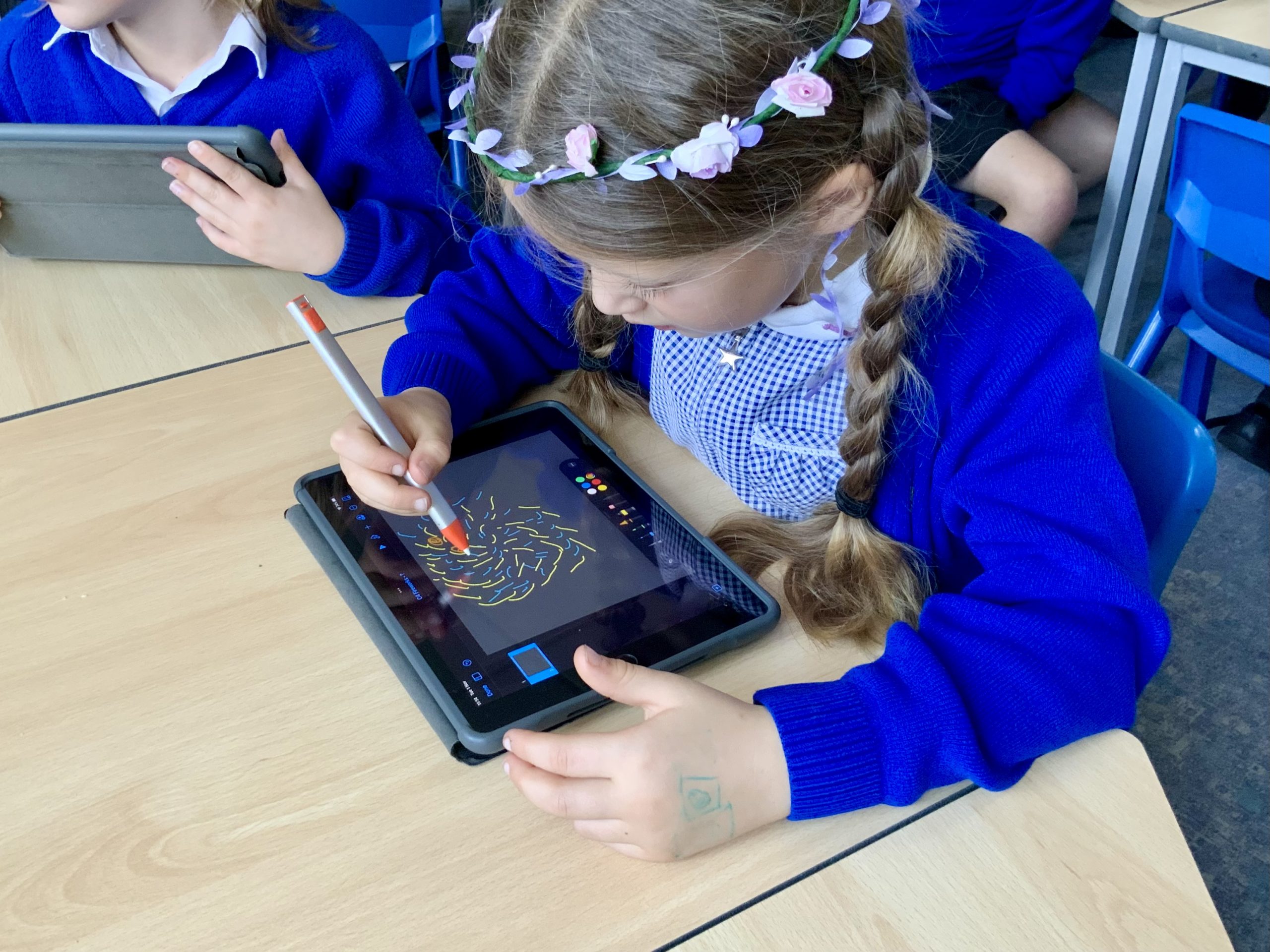
The children started on Tuesday by getting used to drawing on the iPads with the Logitech Crayons. They used Keynote to draw some colourful, bright fireworks using lots of small mark making around a central point.

These fireworks were then all put together into one large image (with the help of our Year 6’s!) to create the lovely animation you can see above.

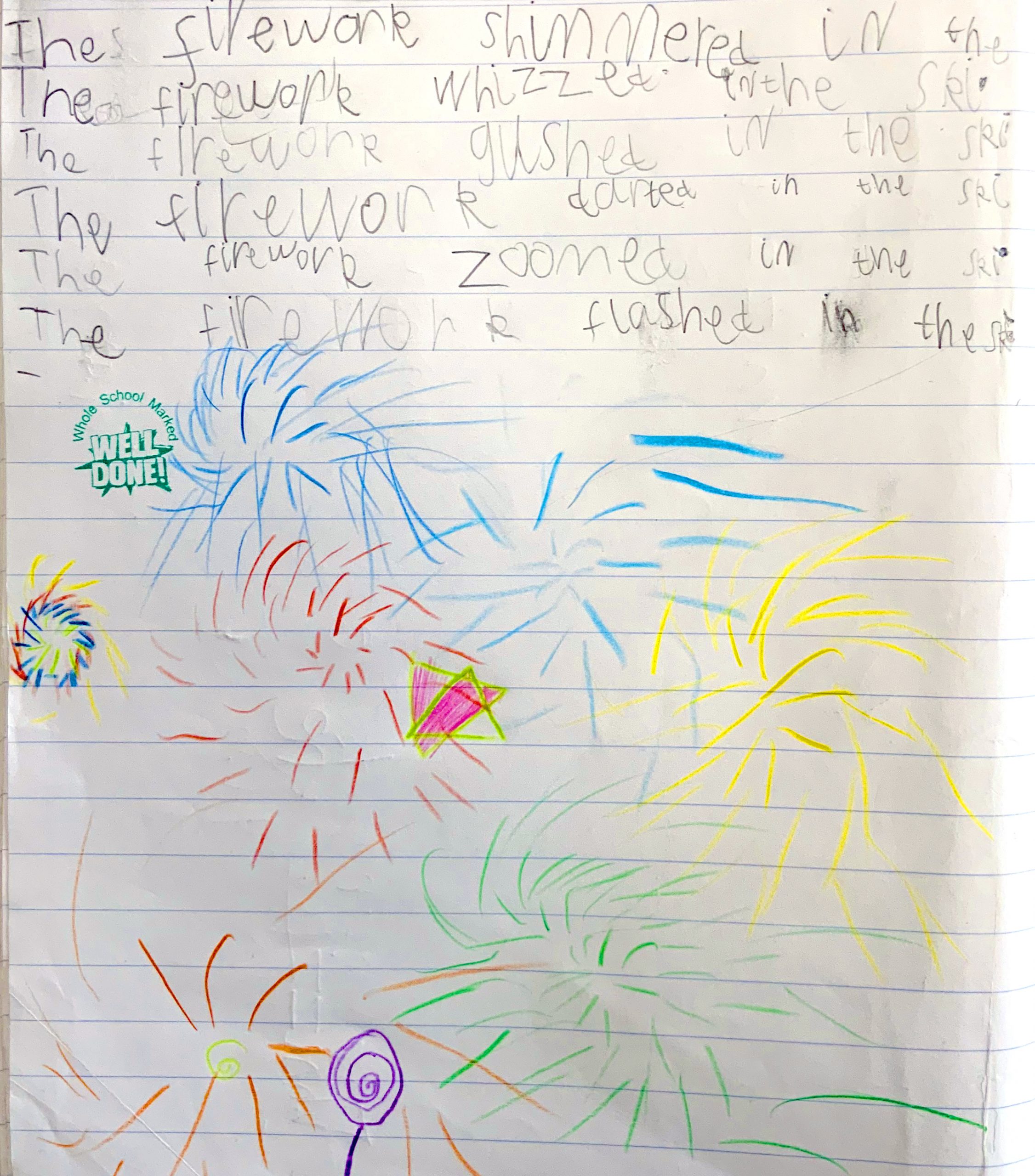
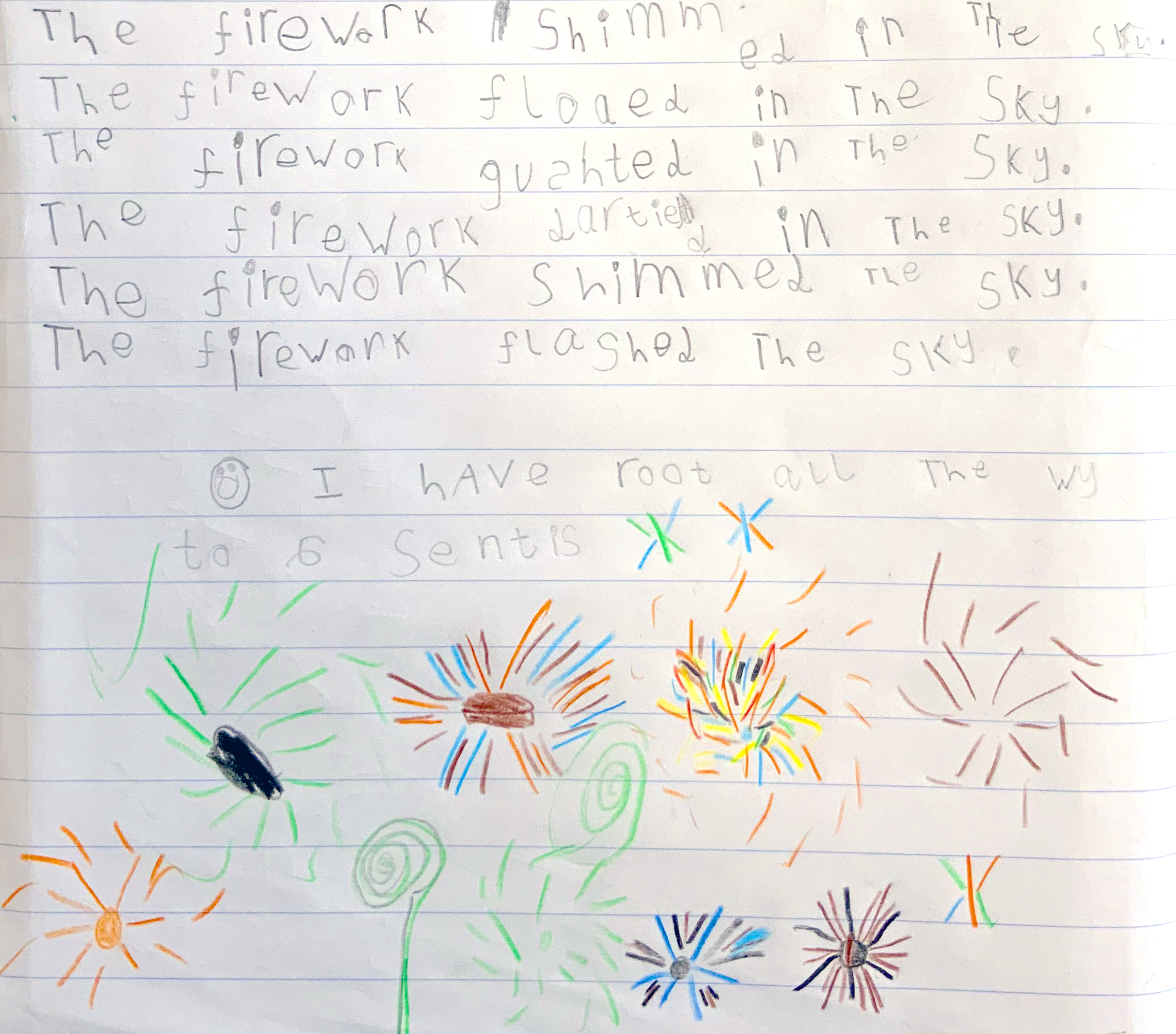
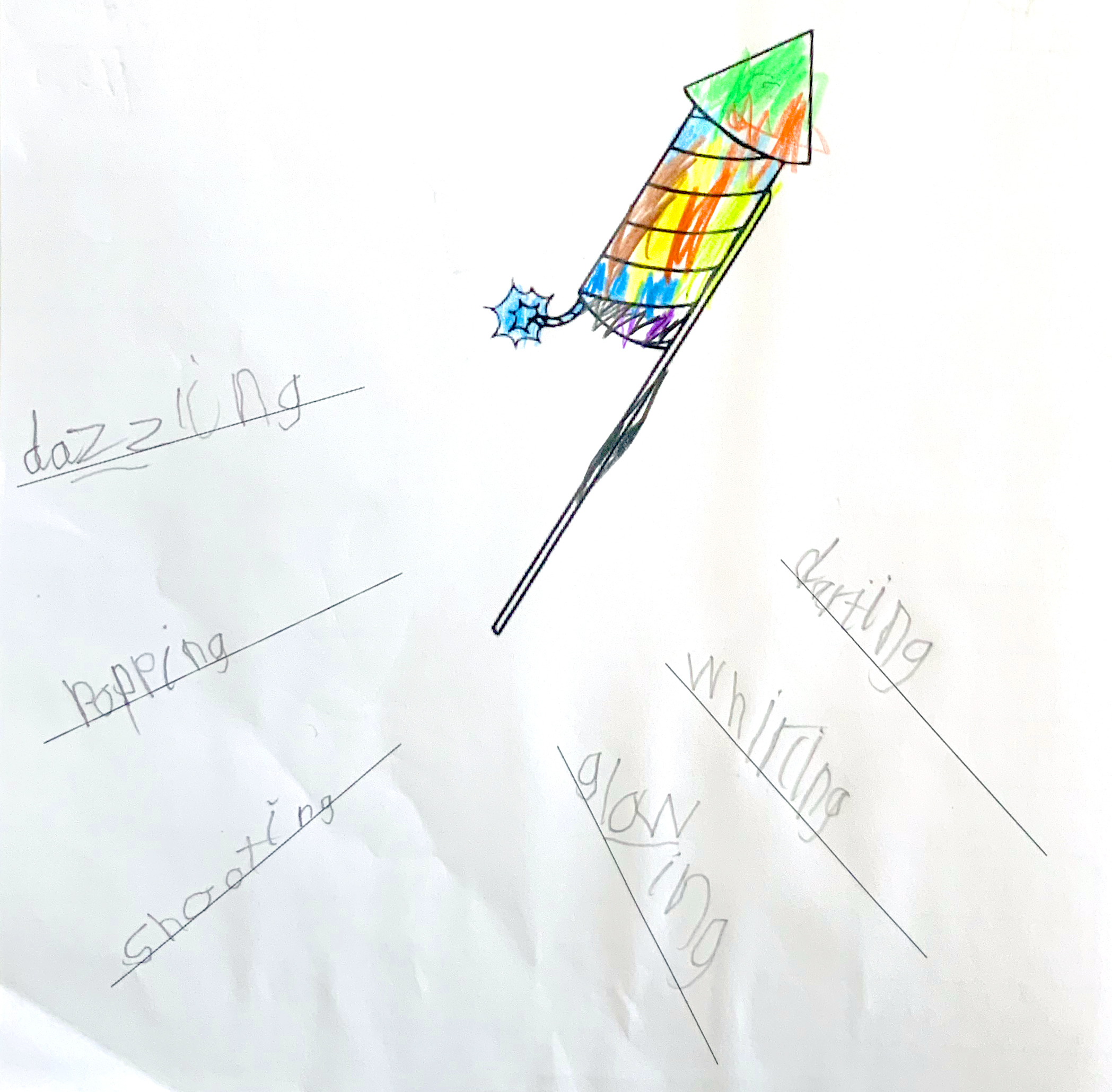
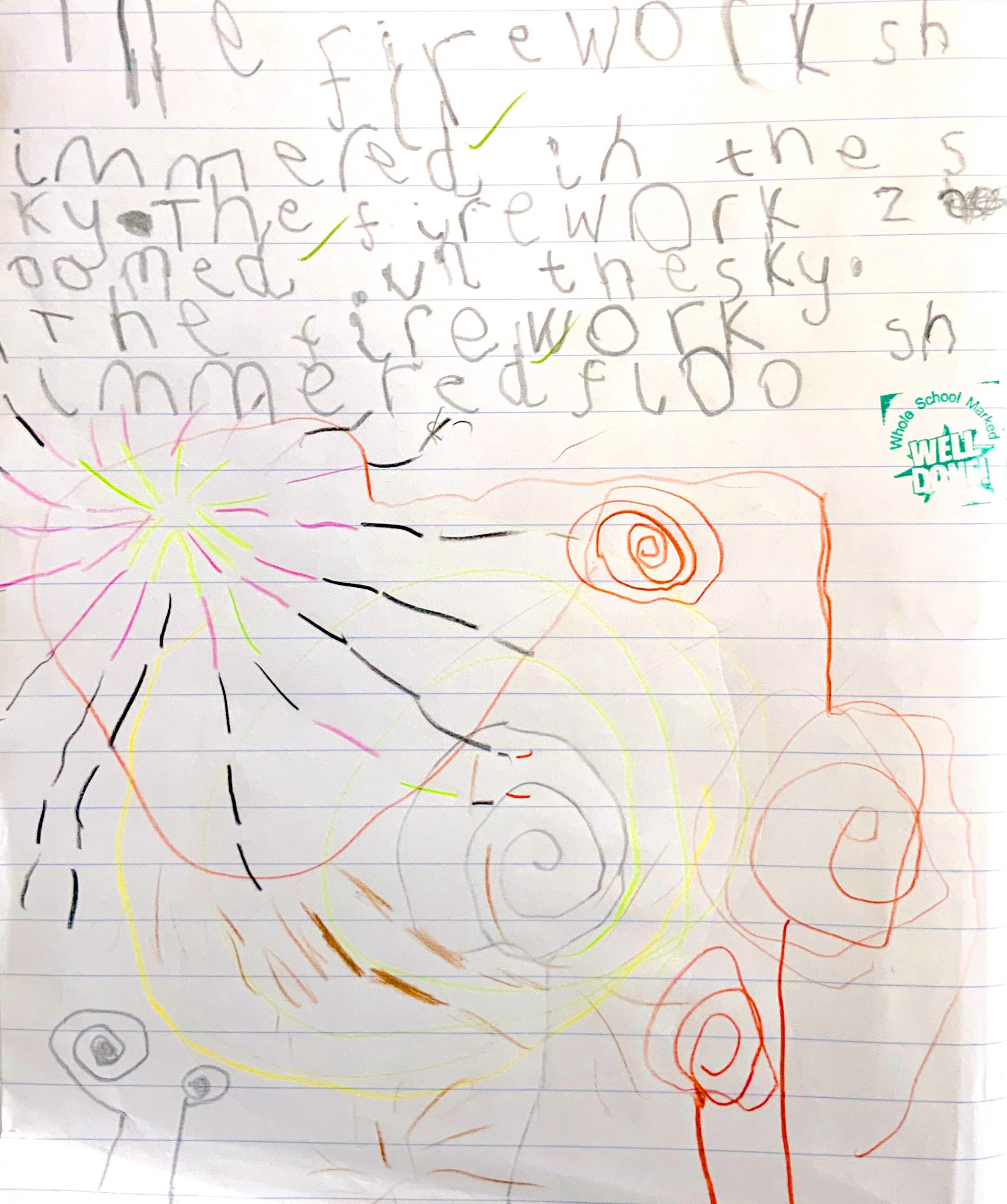
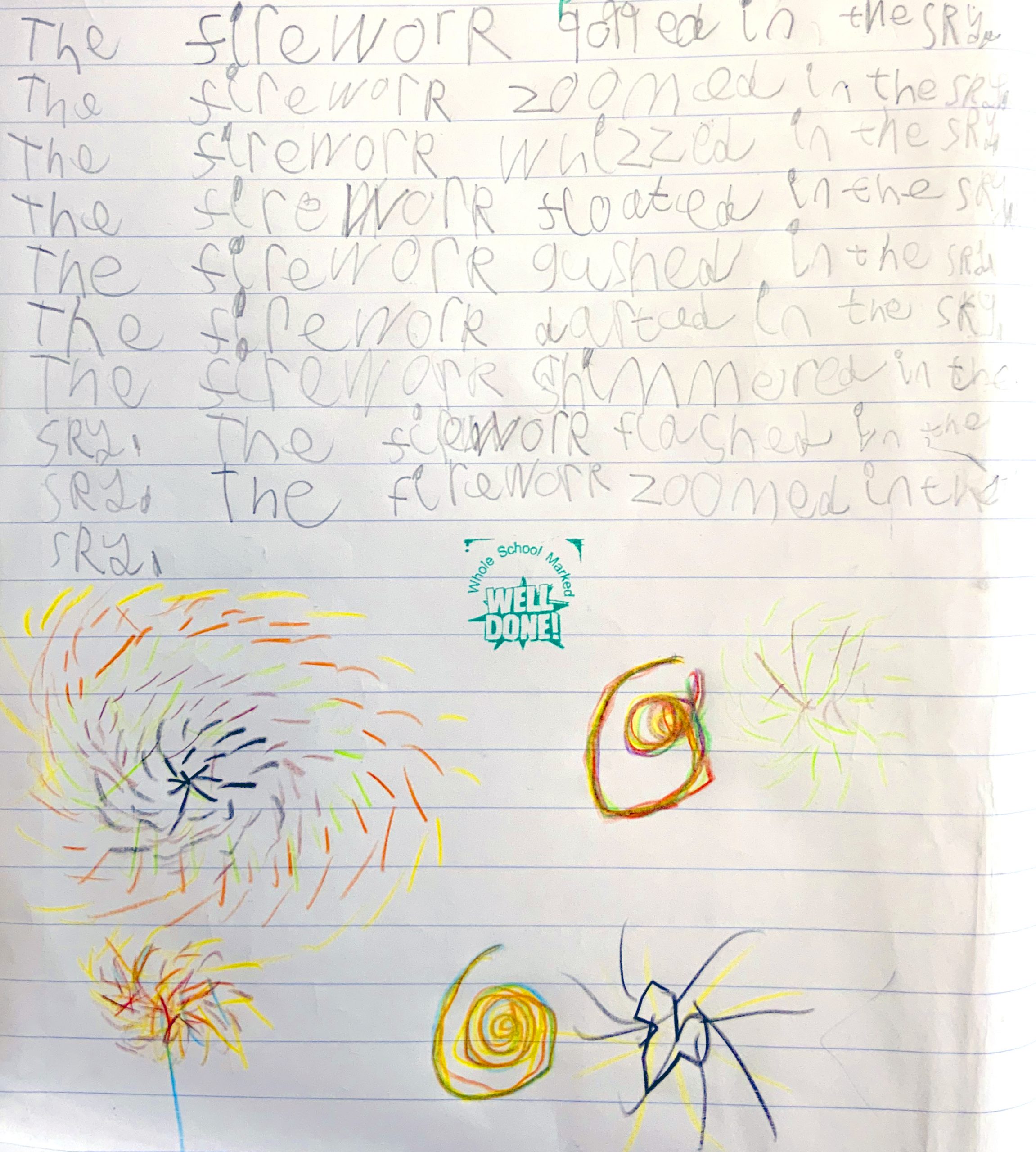
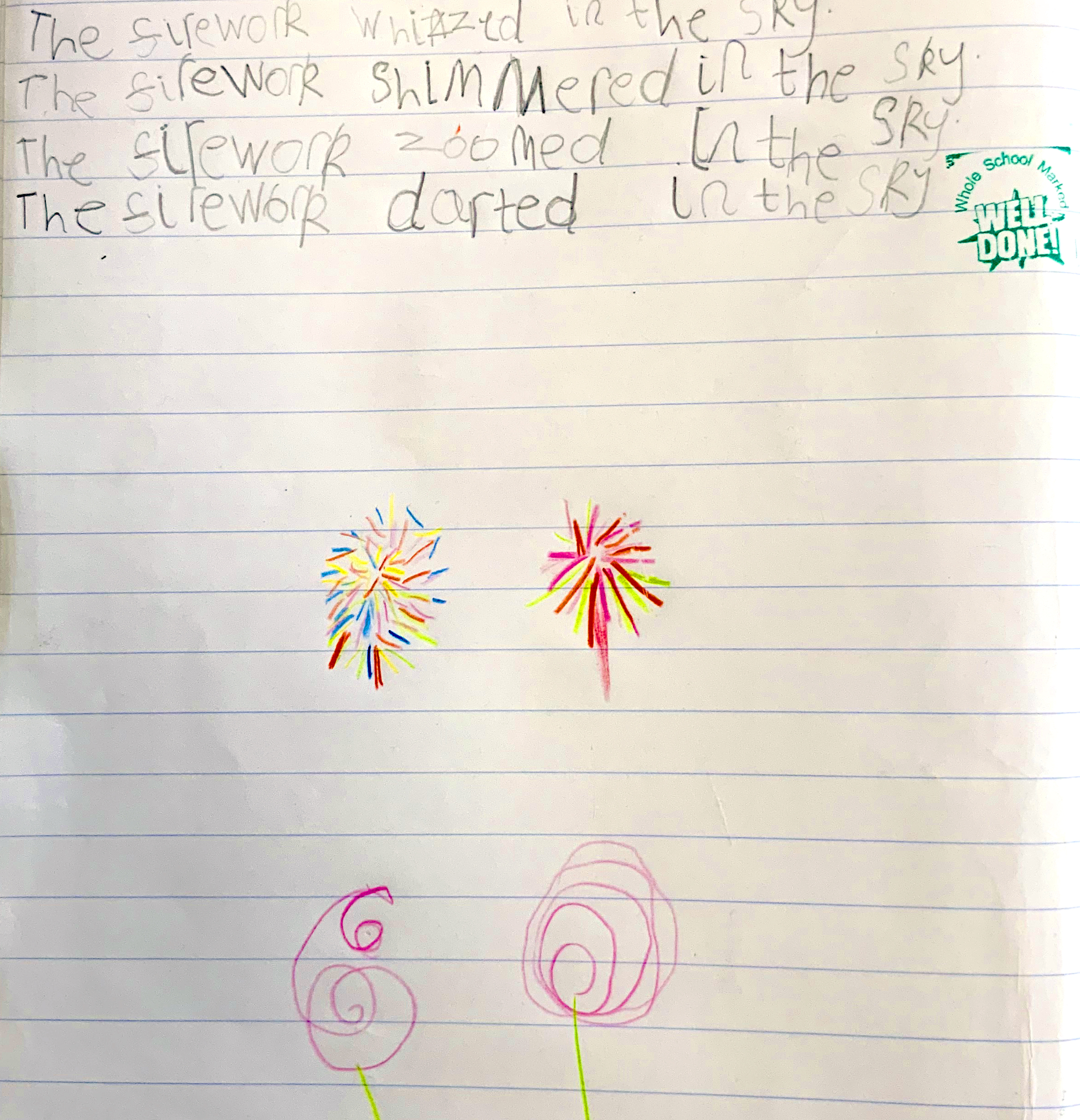
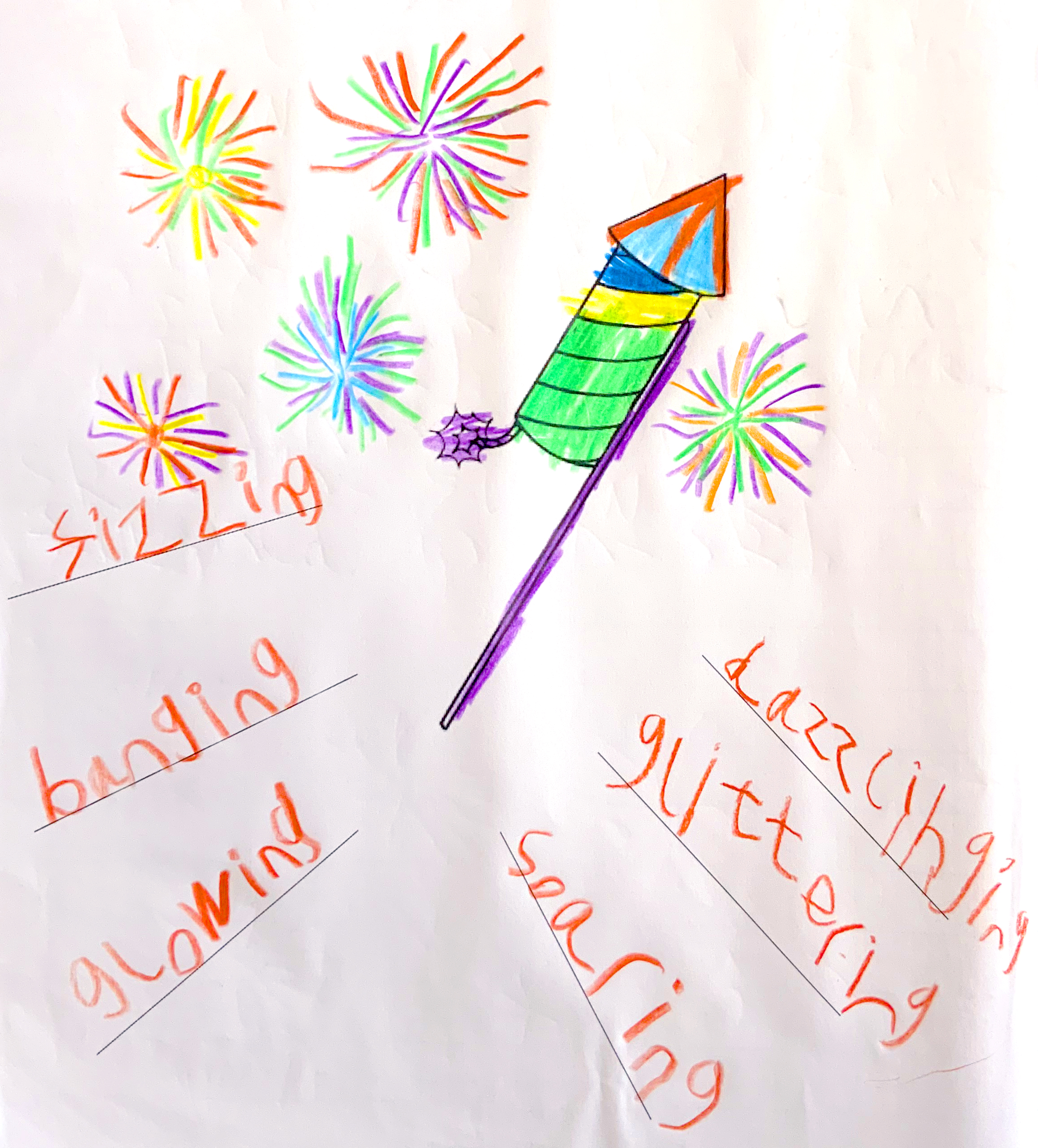
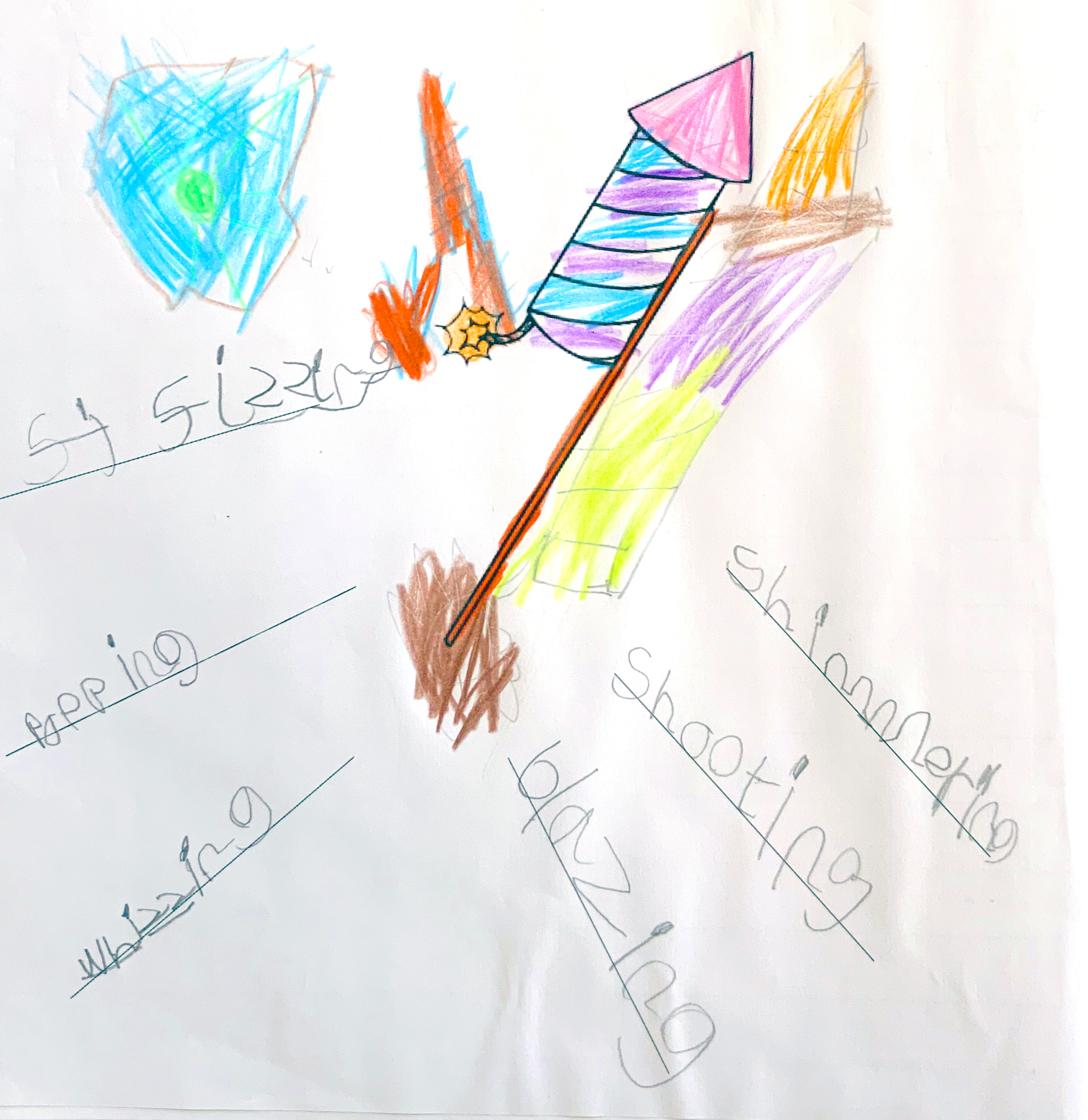
In their English lessons the children were learning about verbs to describe movement and the -ing and -ed suffixes.  They considered which of these words would best describe fireworks and then used them to help with their pattern poetry.

You can see their wonderful verbs and poems by clicking on the pictures below.

Behind the Scenes of Maths Mania in Scratch

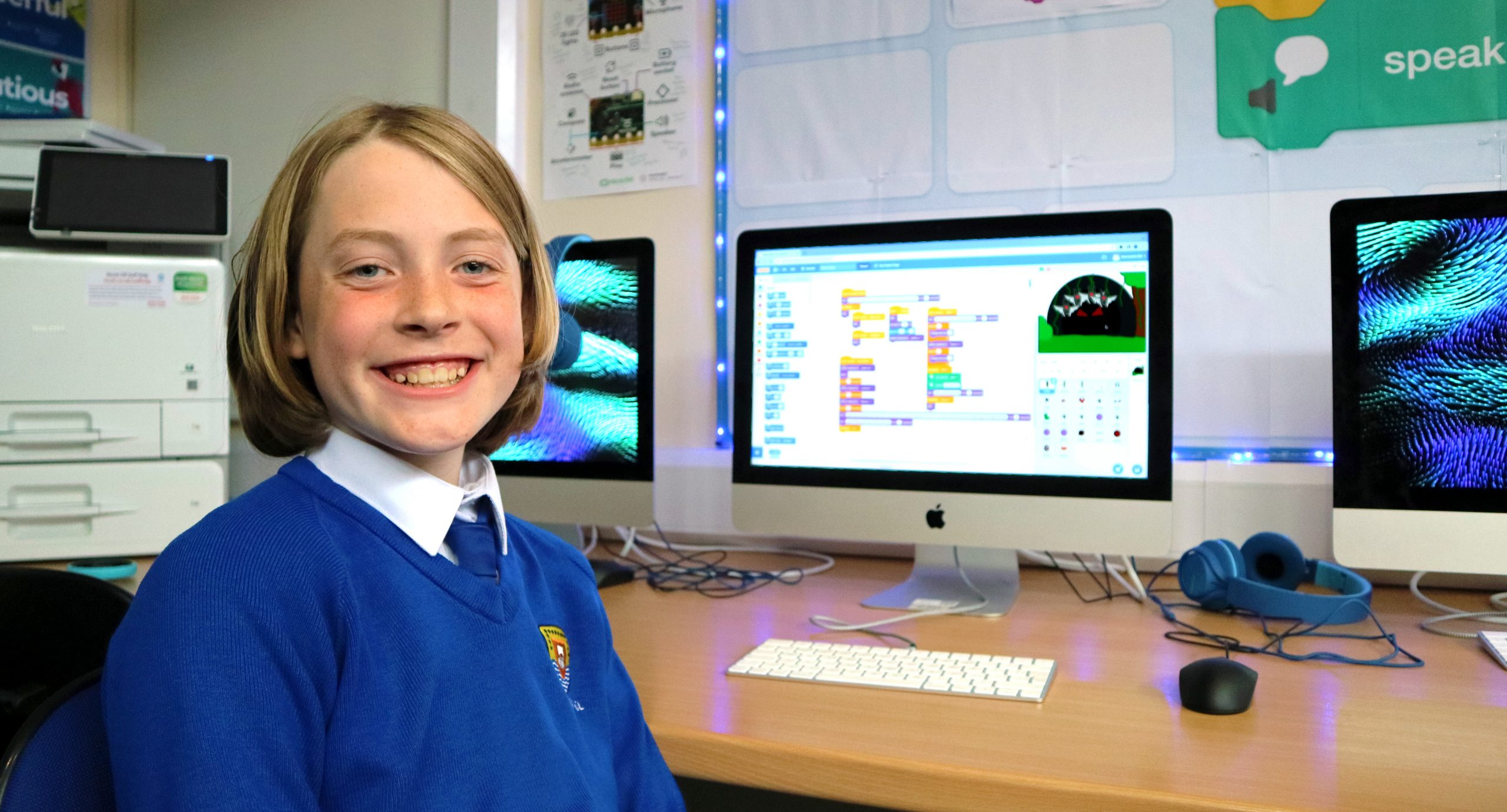
Scratch is a great program that lets us build our own games, animations and tools.  Using brightly coloured blocks of code we can control individual objects (called Sprites) as well as being able to combine multiple elements into more complex programs.  However my favourite thing about Scratch is that you can make just about anything you like if you use your imagination.

That’s exactly what happened last week when I heard this…

“Mr Woolcock, can I show you this game I’ve been making at home?”

Below is a video of that particular game, complete with play-by-play commentary!

I can’t overstate how much creativity, problem solving and complex logical thinking are involved in bringing a project like this to life – it’s absolutely ace.

If you’d like to have a play of this game (or the prequel – Grammar Castle) you can use the buttons below.

Coding Underwater Adventure Games in Scratch

Our Year 5 students have been exploring Scratch this term and learning lots about coding along the way.  From small beginnings, the children have quickly developed a really exciting and creative understanding of just what’s possible in Scratch.

This learning has all come together in the last few weeks with a massive game building project, based on their class topic of a ‘Conservation Conversation‘.  This project started out as a simple ‘falling objects’ type game where they were trying to collect pollution before it hit the bottom of the ocean.  However this quickly developed into something far more interesting thanks to some incredible ideas from the children.  First they wanted to make the game more random, with objects falling at different times in different places.  Then several of them explored the idea of ‘power ups’ that would make the game easier or harder.  The natural next step was to add a variable to hold a Score and after that we decided it would be fun to add a time limit variable to add to the pressure!

But they didn’t stop there – the children then developed even more elements in their games.  Time limited boosters, sneaky tricks to get extra points, objects that immediately ended the game when caught.  The list was endless!

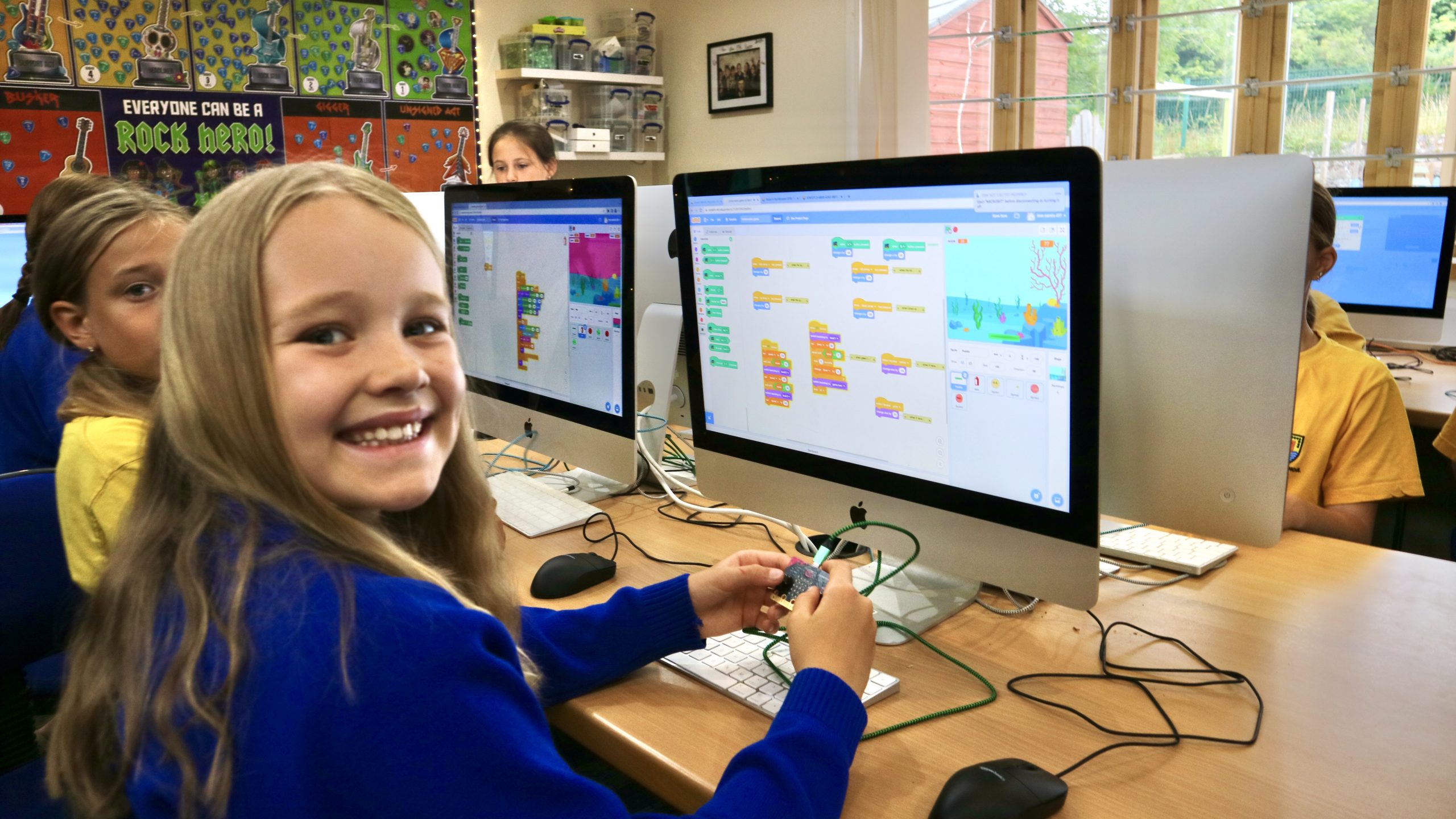
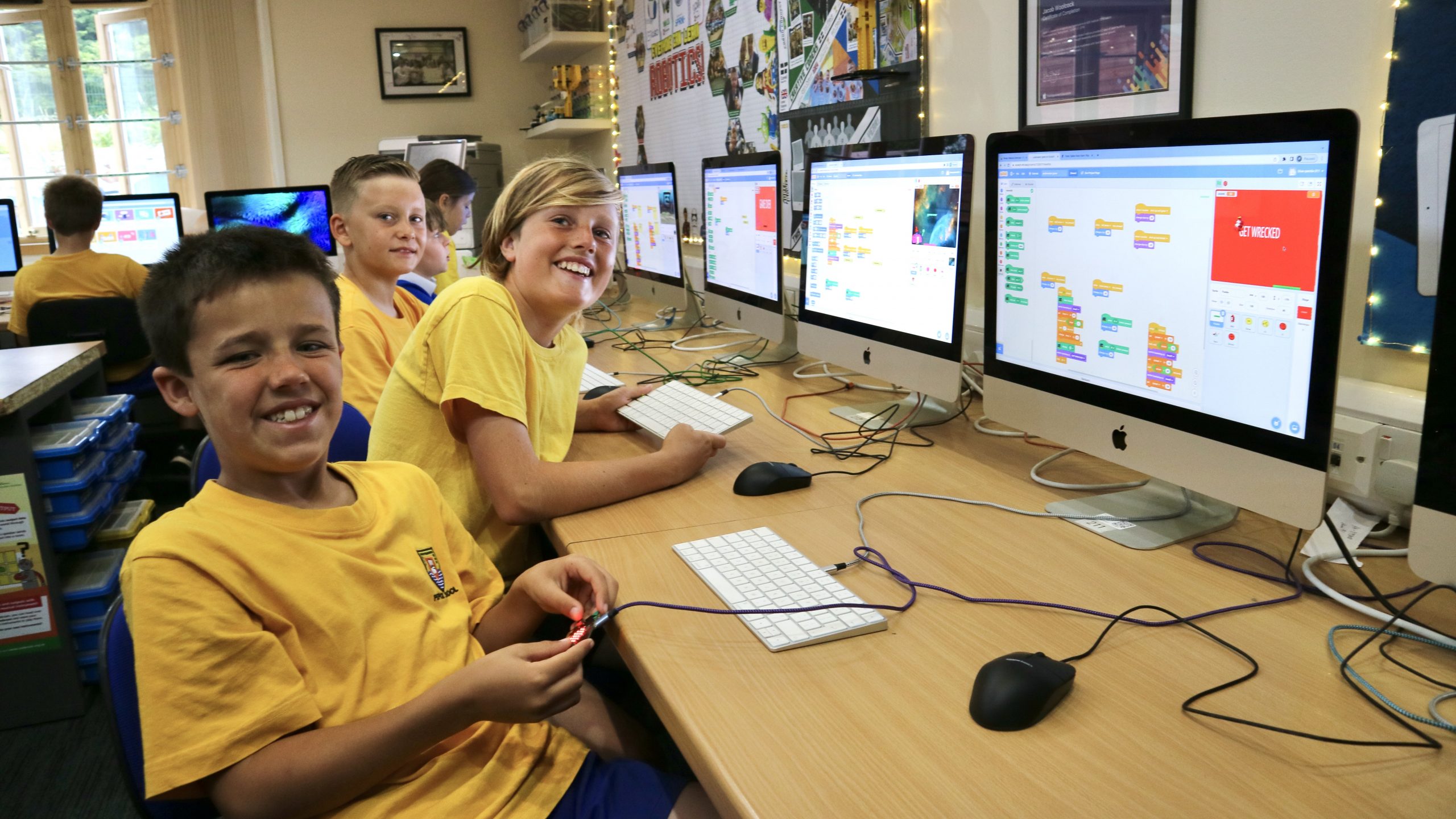
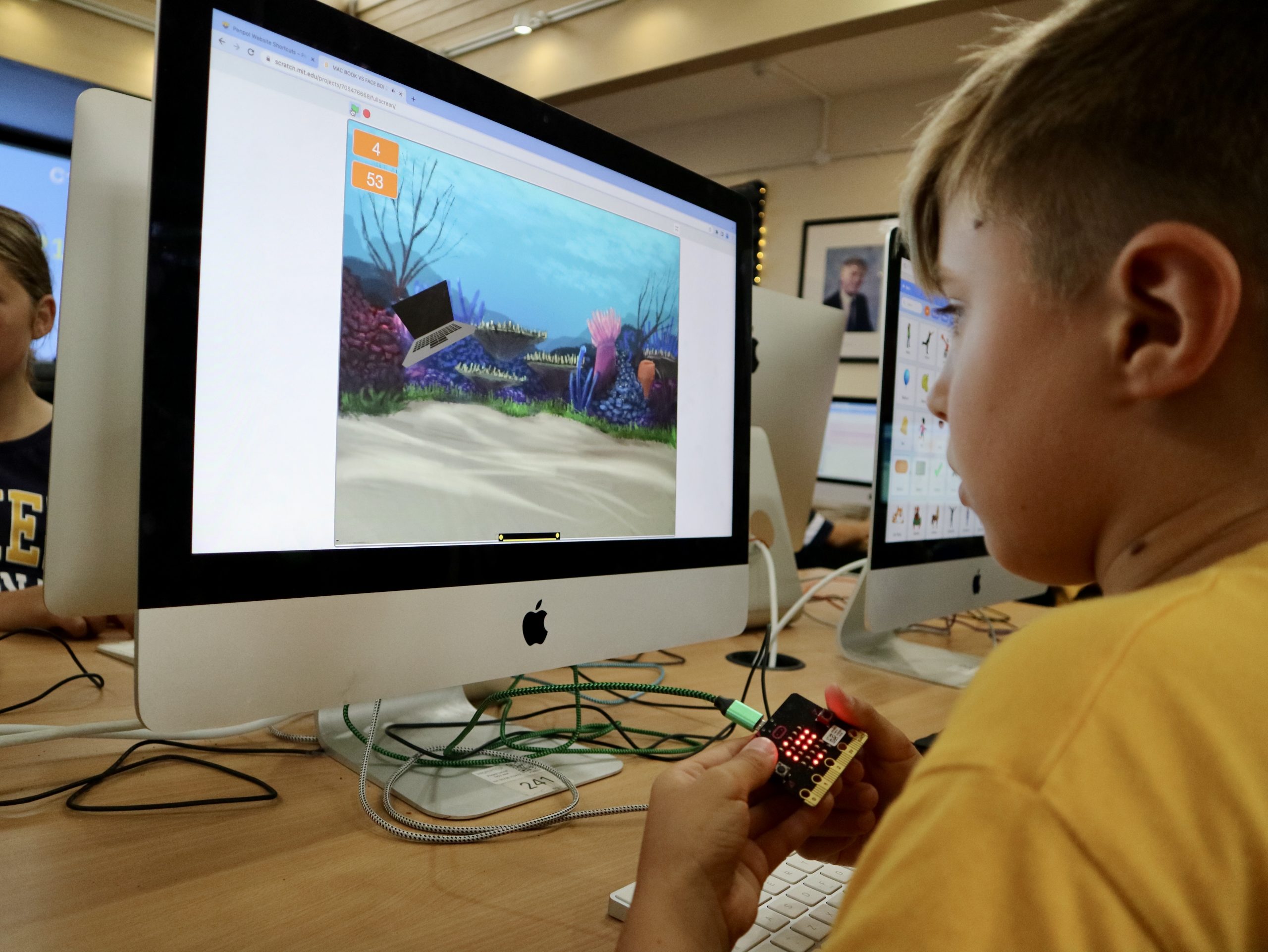
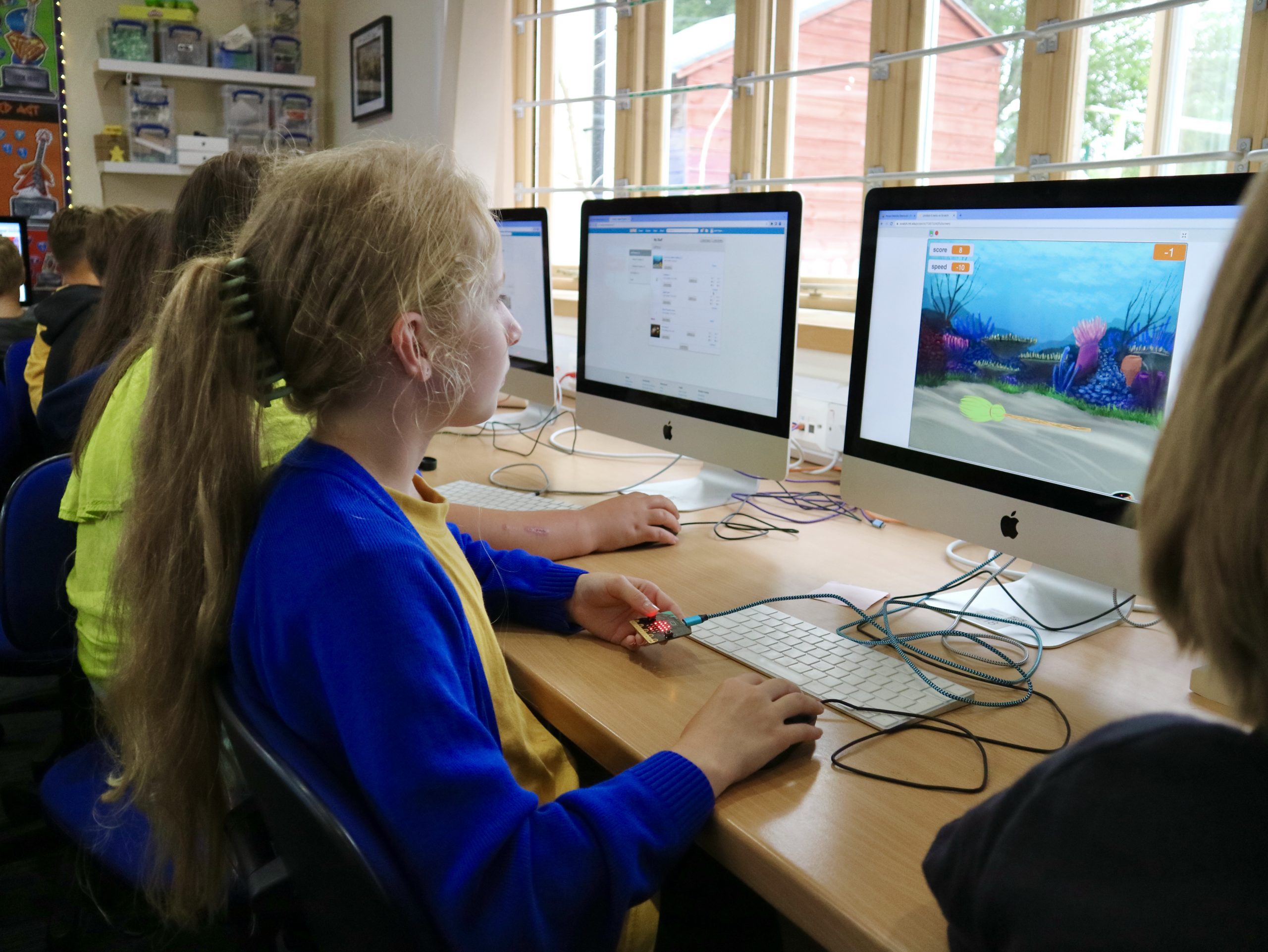
Finally we all came together and explored how a micro:bit could be used as a game controller for these games.  We used buttons as an input, before Rio came up with some quite brilliant code to use the motion sensor too!

This has been a hugely fun project and the children have been problem solving, debugging and creating new code with incredible skill and precision.  They’ve even got into the habit of labelling their code as they go to make it easy to pick up and edit in the future!

Below you can see some of the code they’ve been constructing, as well as some of their games for you to play and enjoy!

For this game you need to use the Arrow Keys to move the paddle along the bottom of the screen.

Catch the pollution but beware of bad power-ups!

Press the Green Flag to start.

"It was really fun, I loved making the games with Mr Woolcock. It was hard work, but fun because we kept adding more to make our games more fun. There was a time when we tried to get the micro:bits to move and I just couldn’t get the right pieces of code to make it move properly, when I figured it out I was so excited that I just kept playing the game for ages!"
Oliver
"It was fun with the micro:bits because it was so cool watching it come to life and play the game with our own controllers. I also liked testing each others games out on Scratch because it was a great way to get more ideas for our own games."
Imogen
Cool Code in these Games

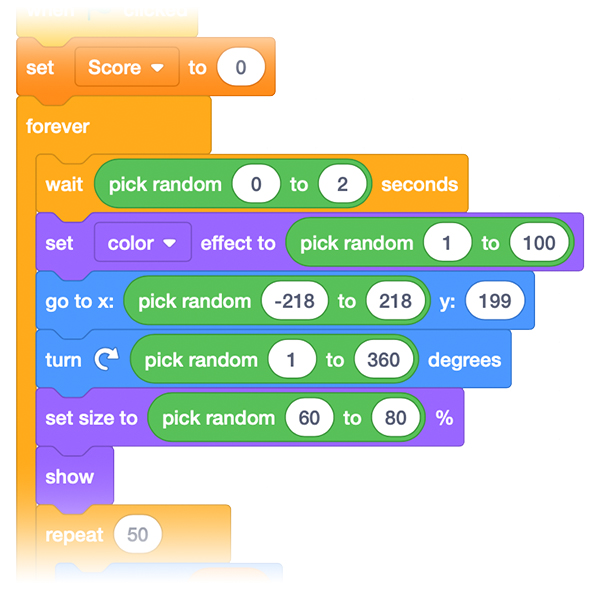
Randomising Game Elements

We quickly discovered that the games would be a lot more fun if we didn't know where or when objects would be falling from. The children explore Random blocks to create rules for the game to follow, but rules which would create an unpredictable outcome.
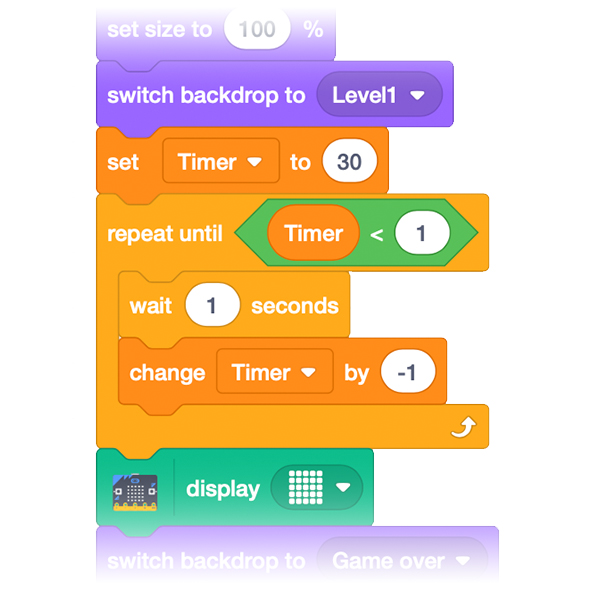
Variables: Timer, Score and More

Adding a Score and Timer was a great chance to spend more time exploring Variables. These clever bits of code can change their value at any time, making them perfect for adding five points or taking away a second on the timer. Some children even used the Score variable to trigger new levels starting!
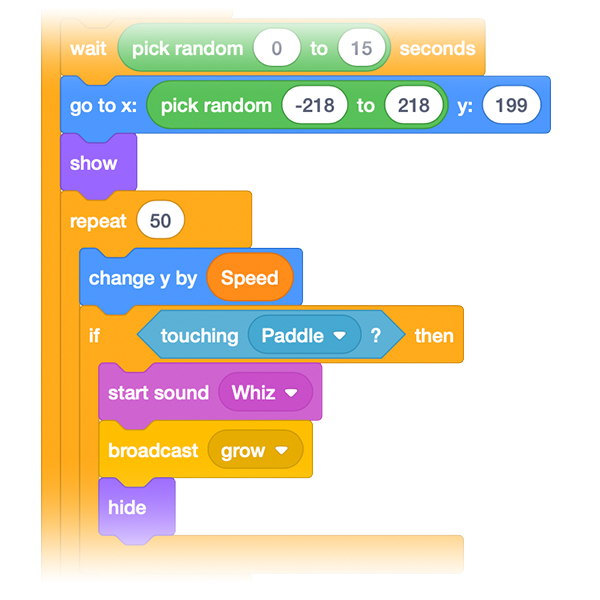
Boosters

As well as pollution falling into the ocean, the children wanted to add other objects which would affect the gameplay in one way or another. Cue objects that add or remove time from the timer, ones which give you bonus points and even ones which make your paddle bigger or smaller. Bonuses, both good and bad, added a whole new dimension to the gameplay.
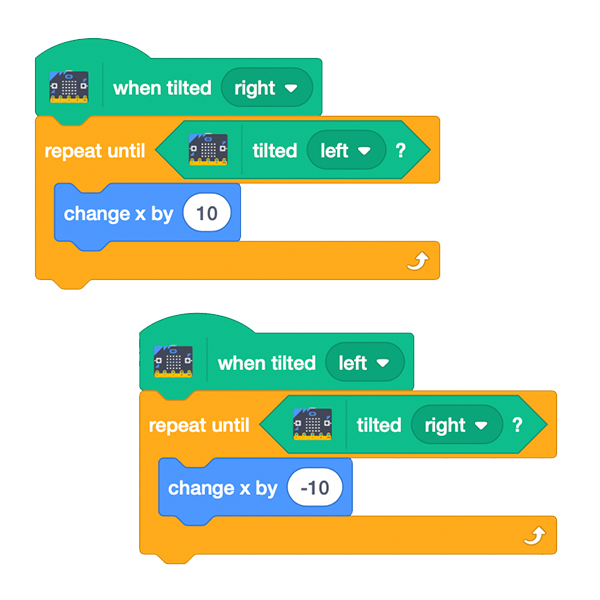
Micro:Bit Controllers

The last part of the project involved connecting our micro:bits to Scratch over Bluetooth to use them as an external gamepad. The children experimented with using the buttons too move left and right before Rio made a breakthrough (with the code above!) to make the tilt sensor work flawlessly. The micro:bits also came in handy for displaying the score and time remaining.
"I’ve really enjoyed this project, it was challenging but it was totally worth it. Trying to figure out where the bugs in my game were was tricky, but eventually I figured it out by using trial and error which helped because it showed me that my timer wasn’t working properly. When I fixed that the game was perfect!"
Maisie
"My favourite thing was exploring the new blocks which I haven’t used before in Scratch, like the micro:bit blocks to control the game. I made lots of choices in my game to make it fun, including where things would go and how quickly they moved!"
Tacita
"My favourite part of making our games was designing the code - especially working with the variables like the timer and the score. These parts make the game a lot more fun because they make it really competitive to play - they were challenging to get working but my friend was able how to make it work a little better."
Lylie

For this game you need to use the Arrow Keys to move the paddle along the bottom of the screen.

Catch the pollution but beware of bad power-ups!

Press the Green Flag to start.

"It was amazing because you got to make a game and play it at school! It was challenging because sometimes getting the right code was tricky, but what I did was (when I calmed down!) I had another look for the blocks I needed and I always managed to find it in the end."
Alex
"My favourite bit of the project was doing the challenges in the code where Mr Woolcock would give us a starting point and it was up to us to make the game elements work."
Caitlyn

Class 11

View all of the games made by
Class 11 on the Scratch Website.

Class 12

View all of the games made by
Class 12 on the Scratch Website.

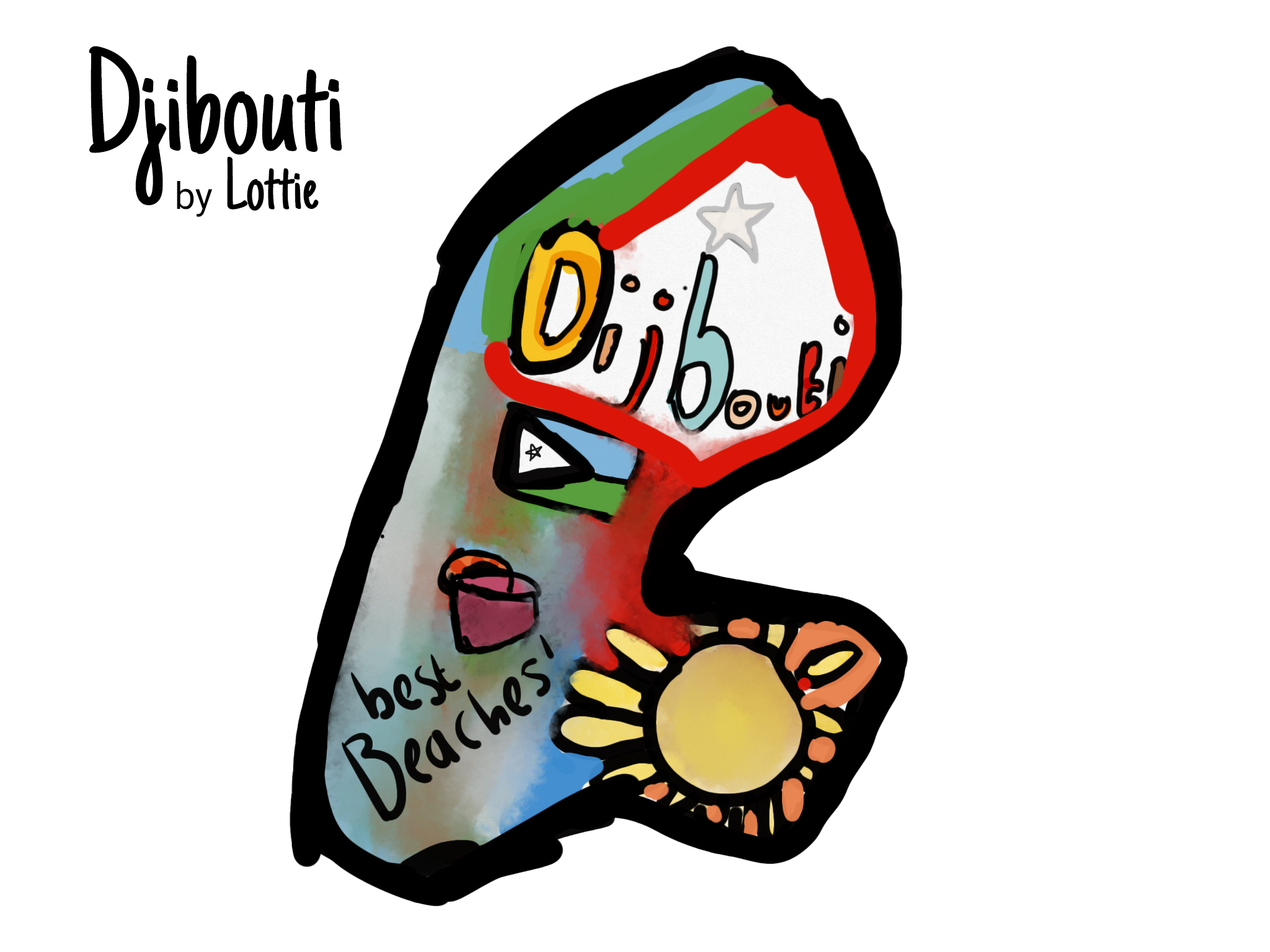
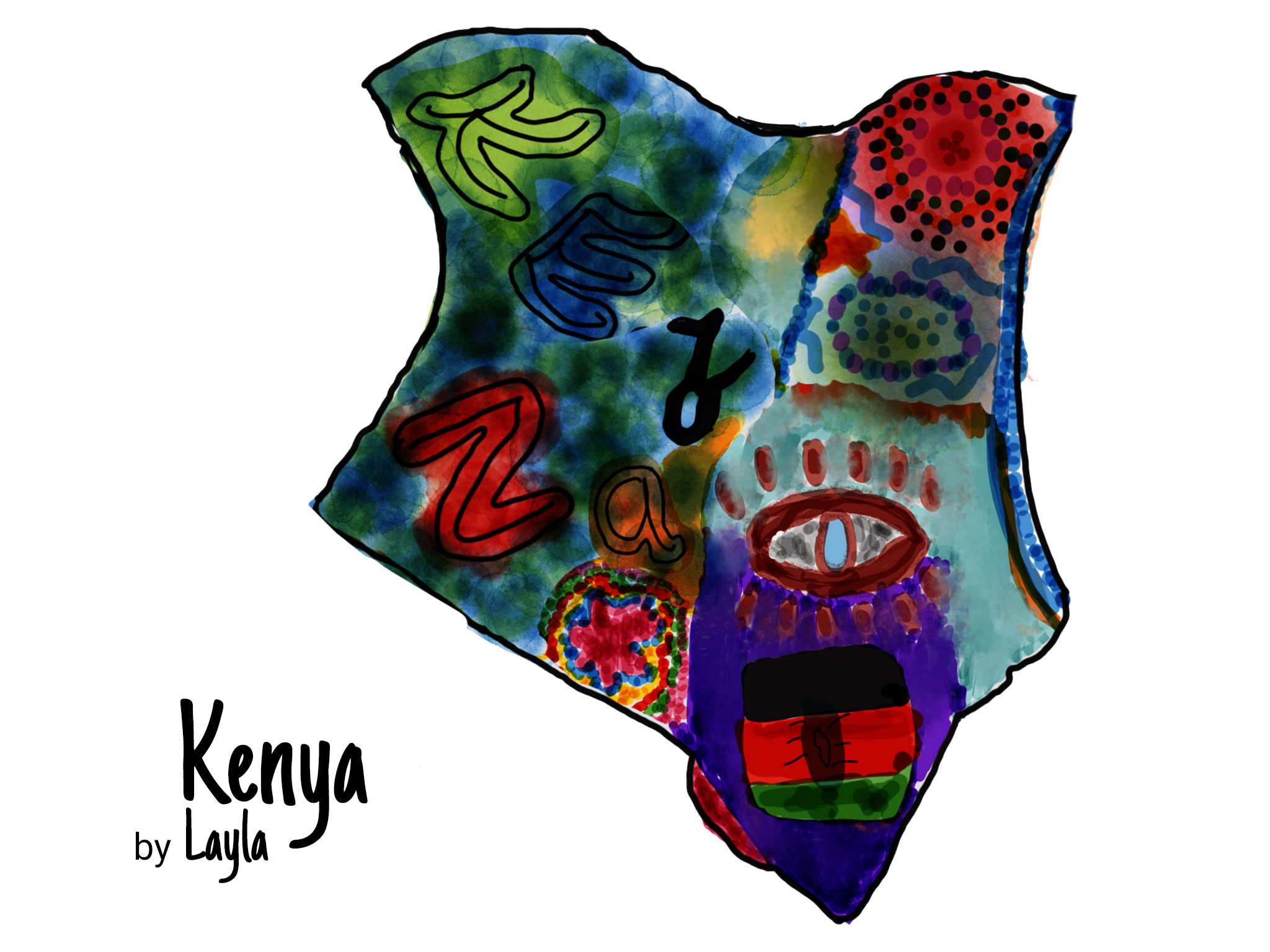
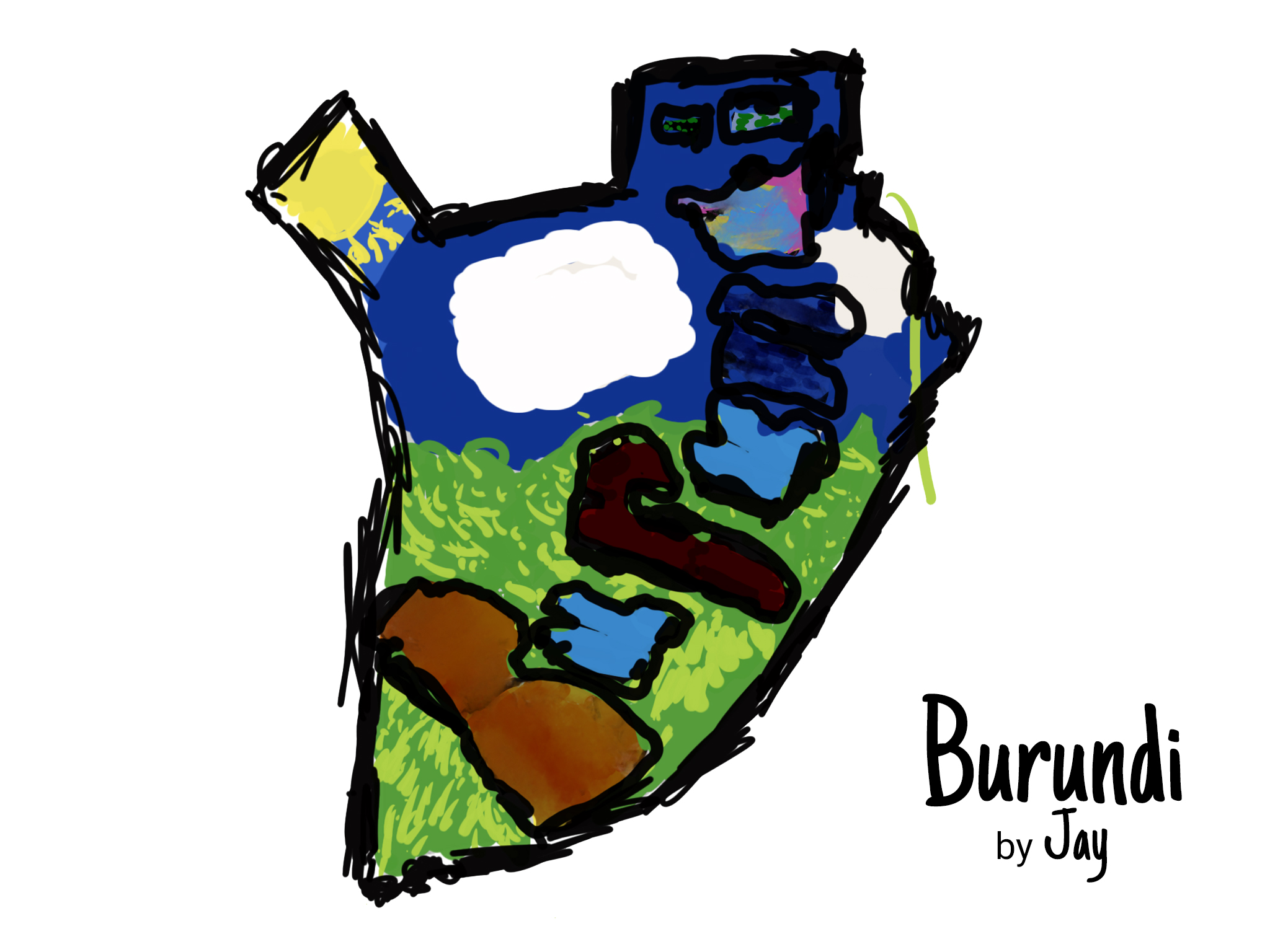
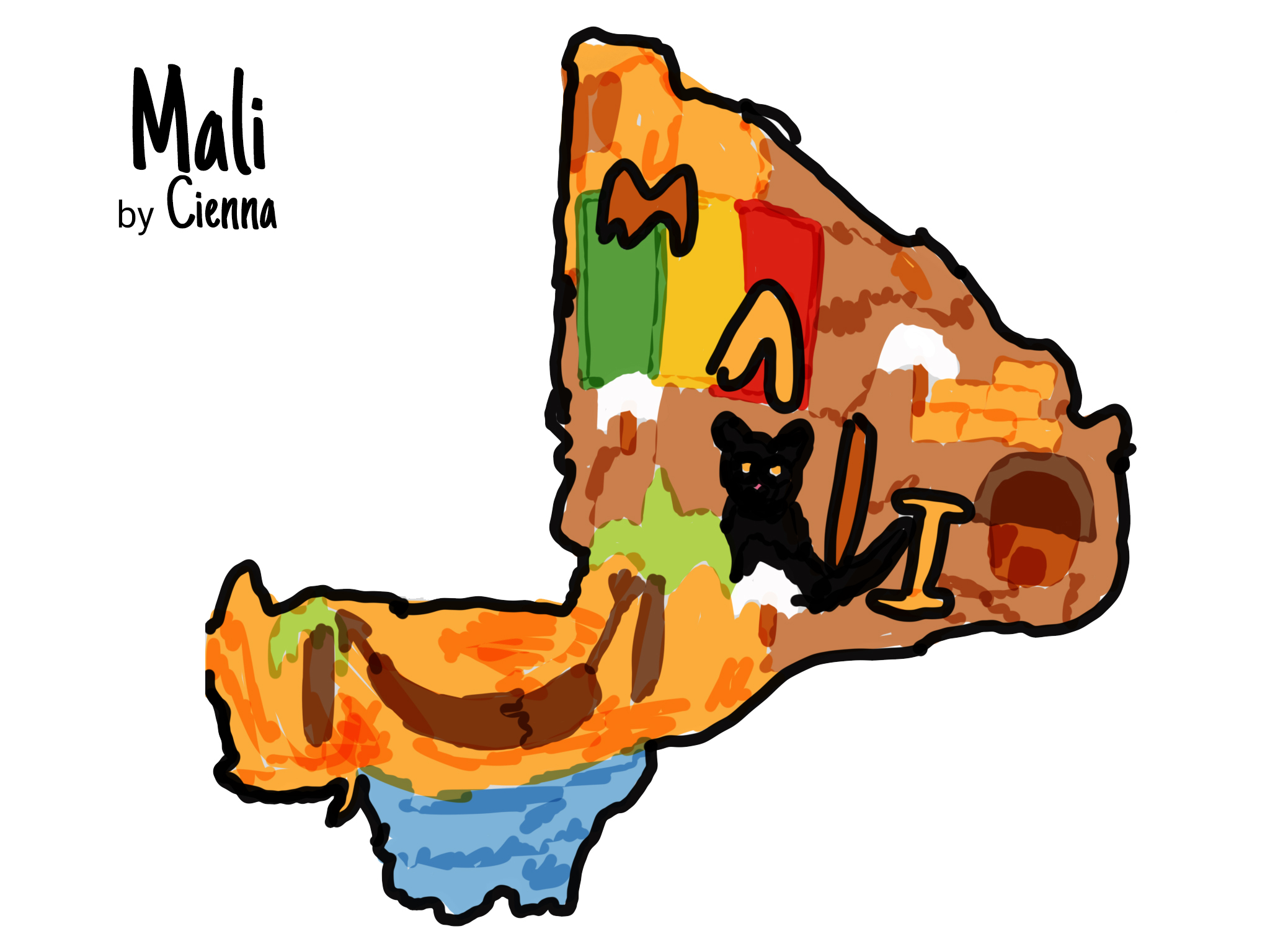
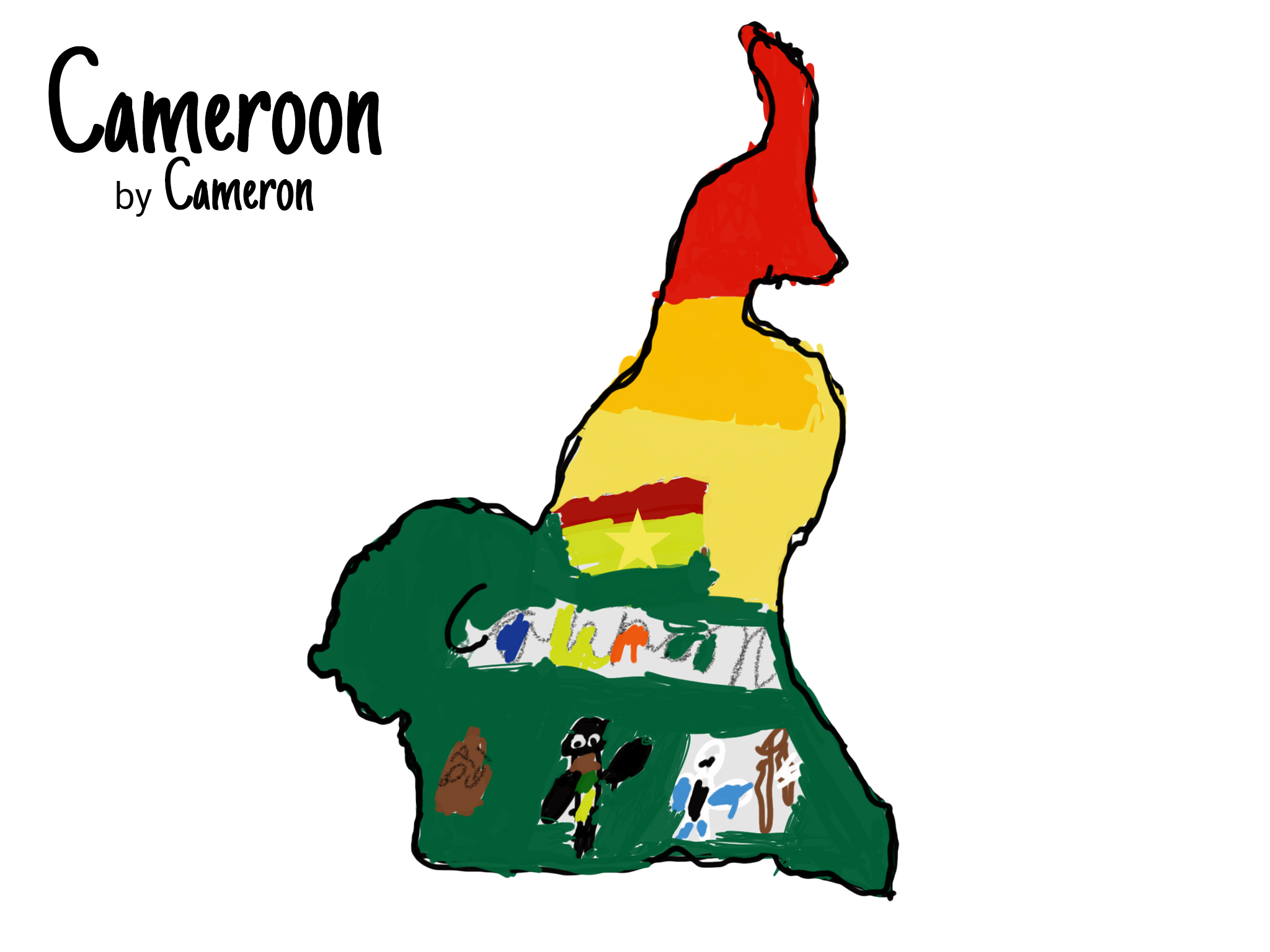
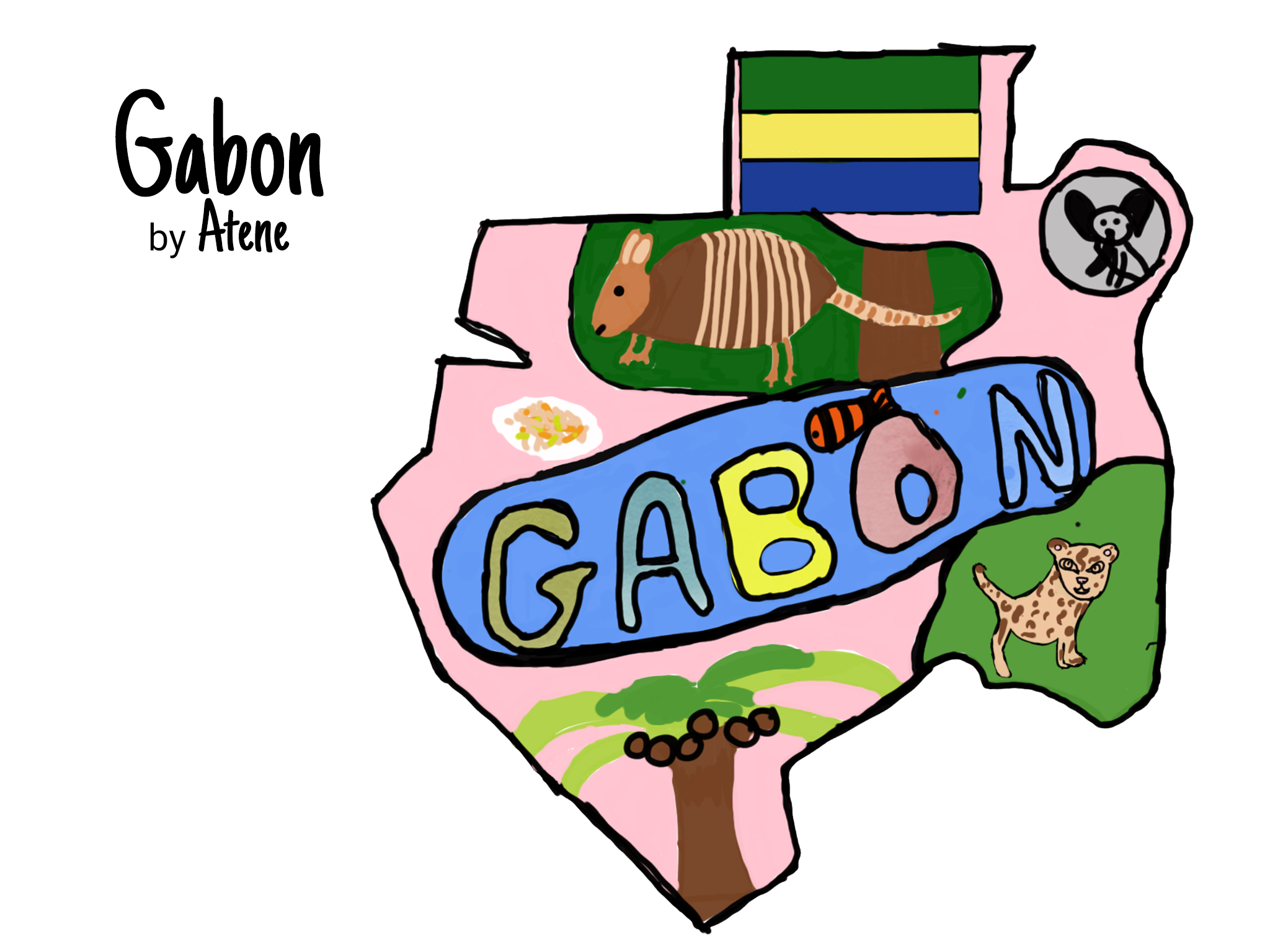
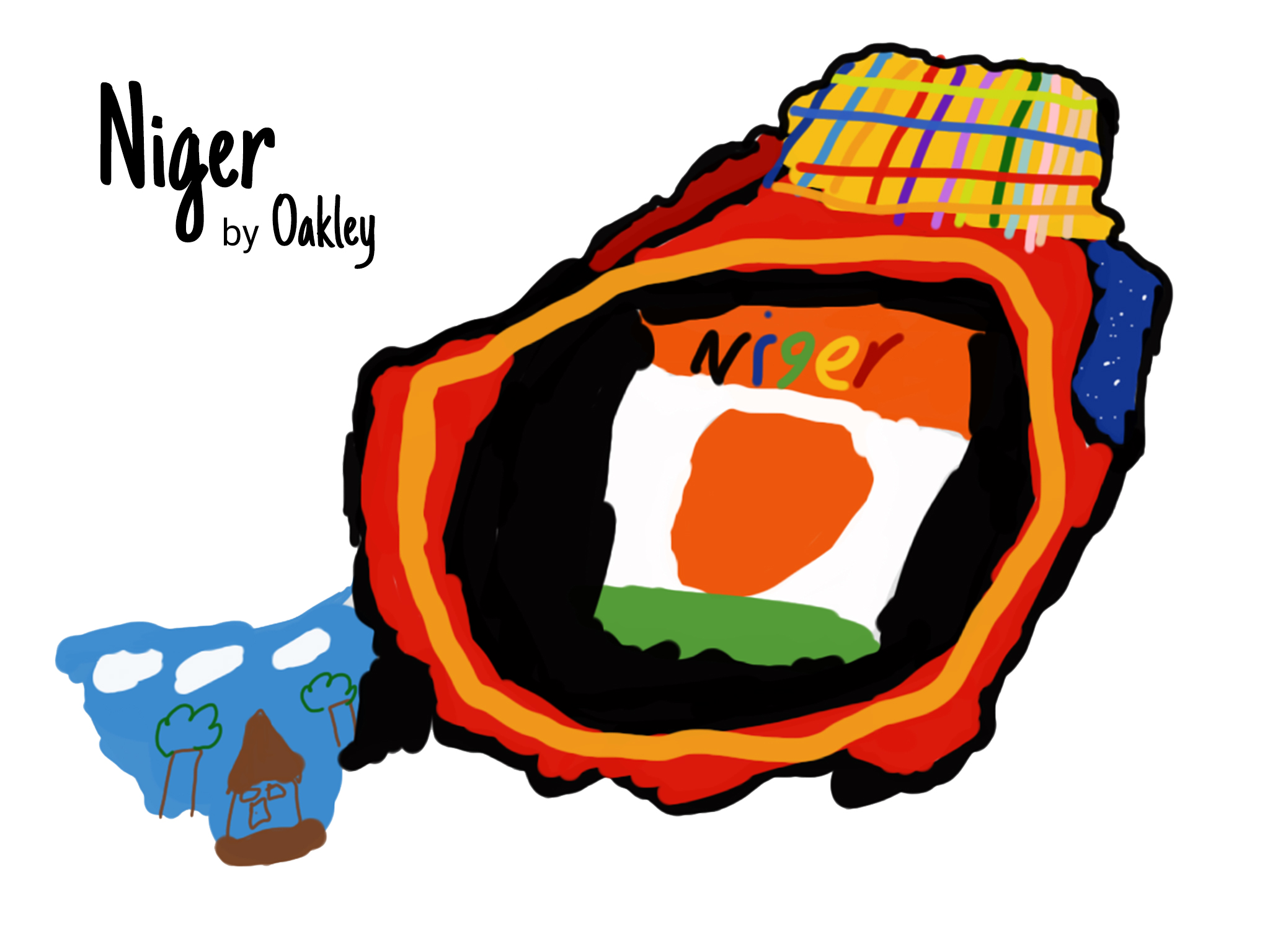
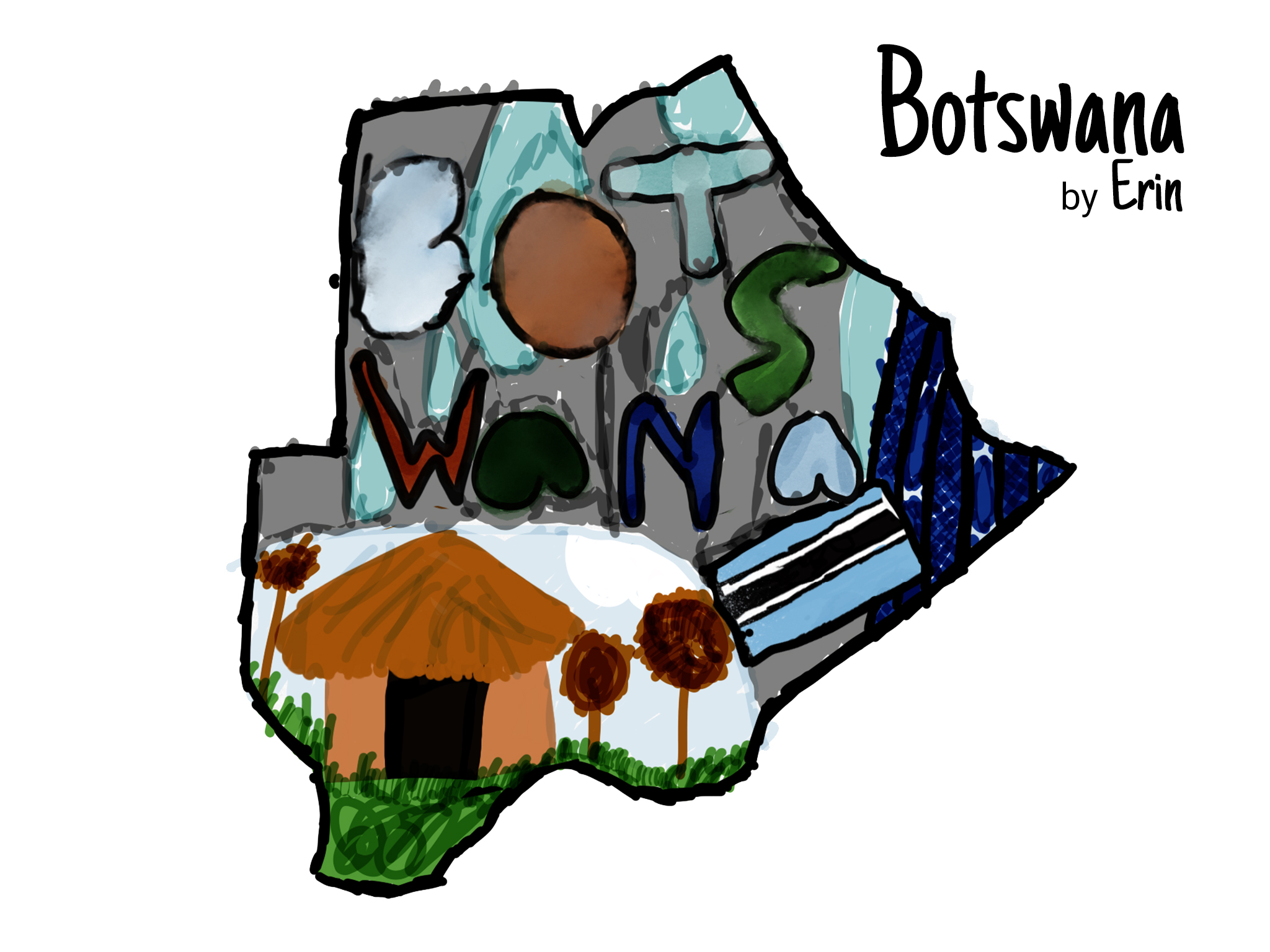
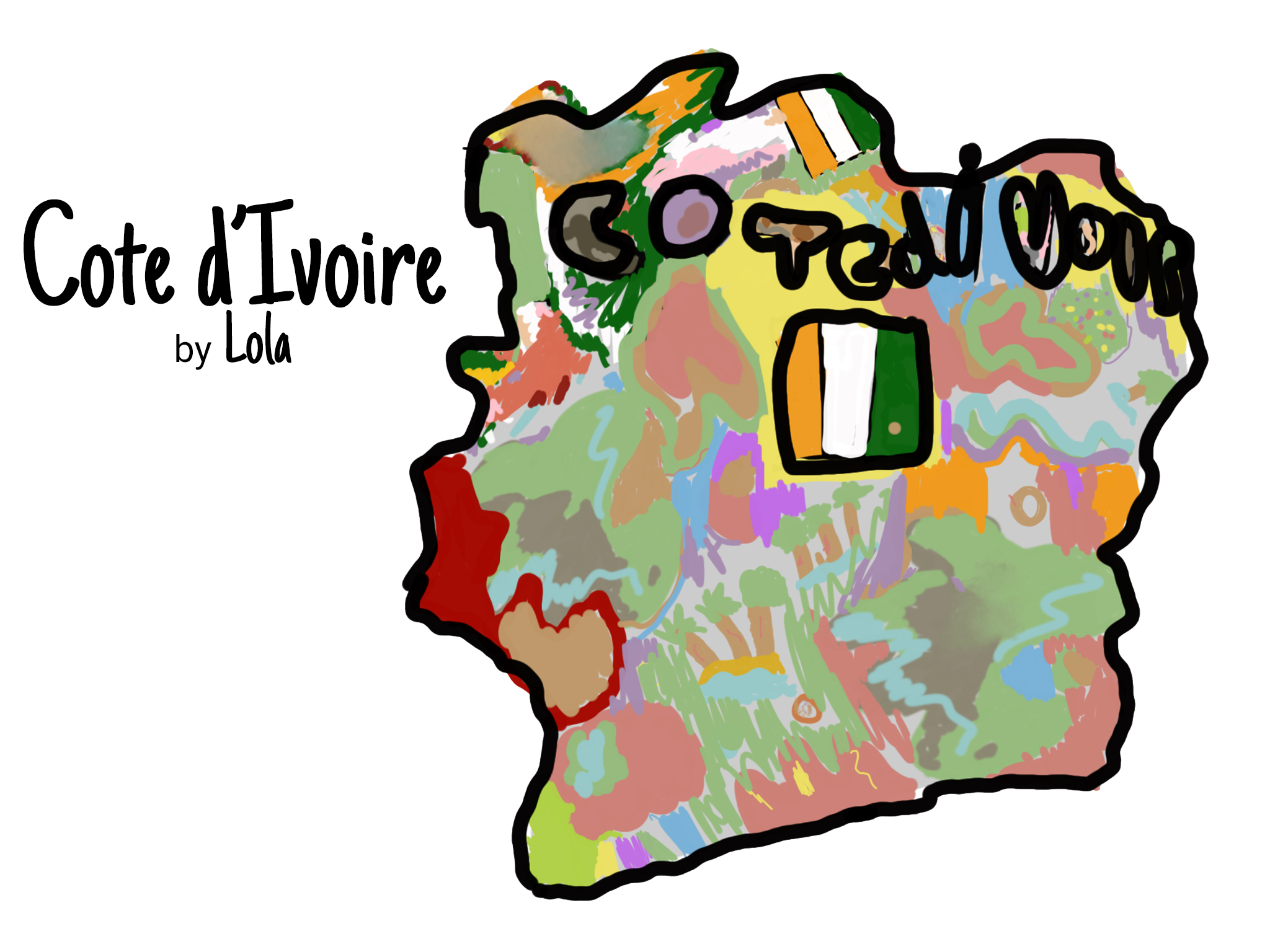
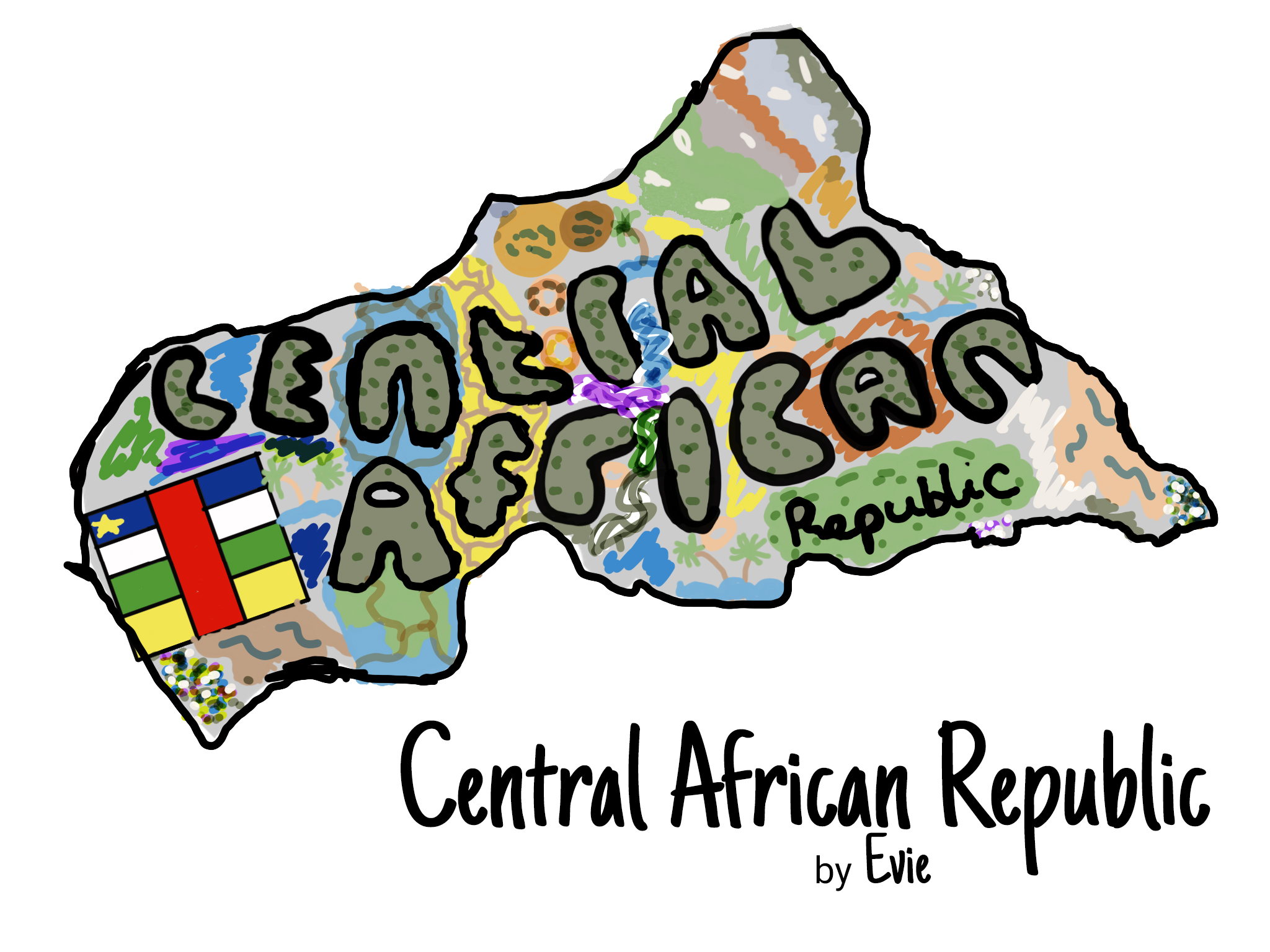
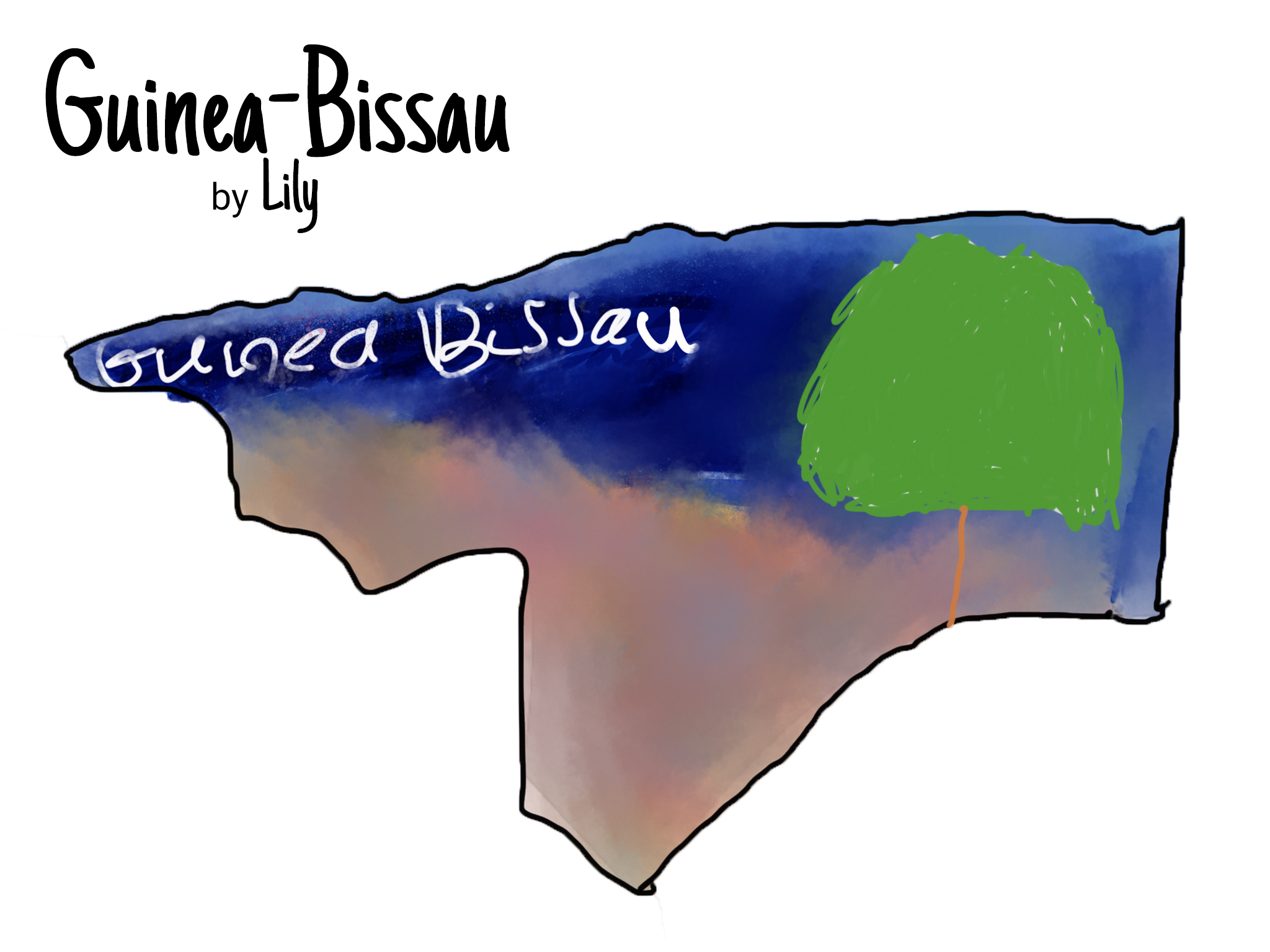
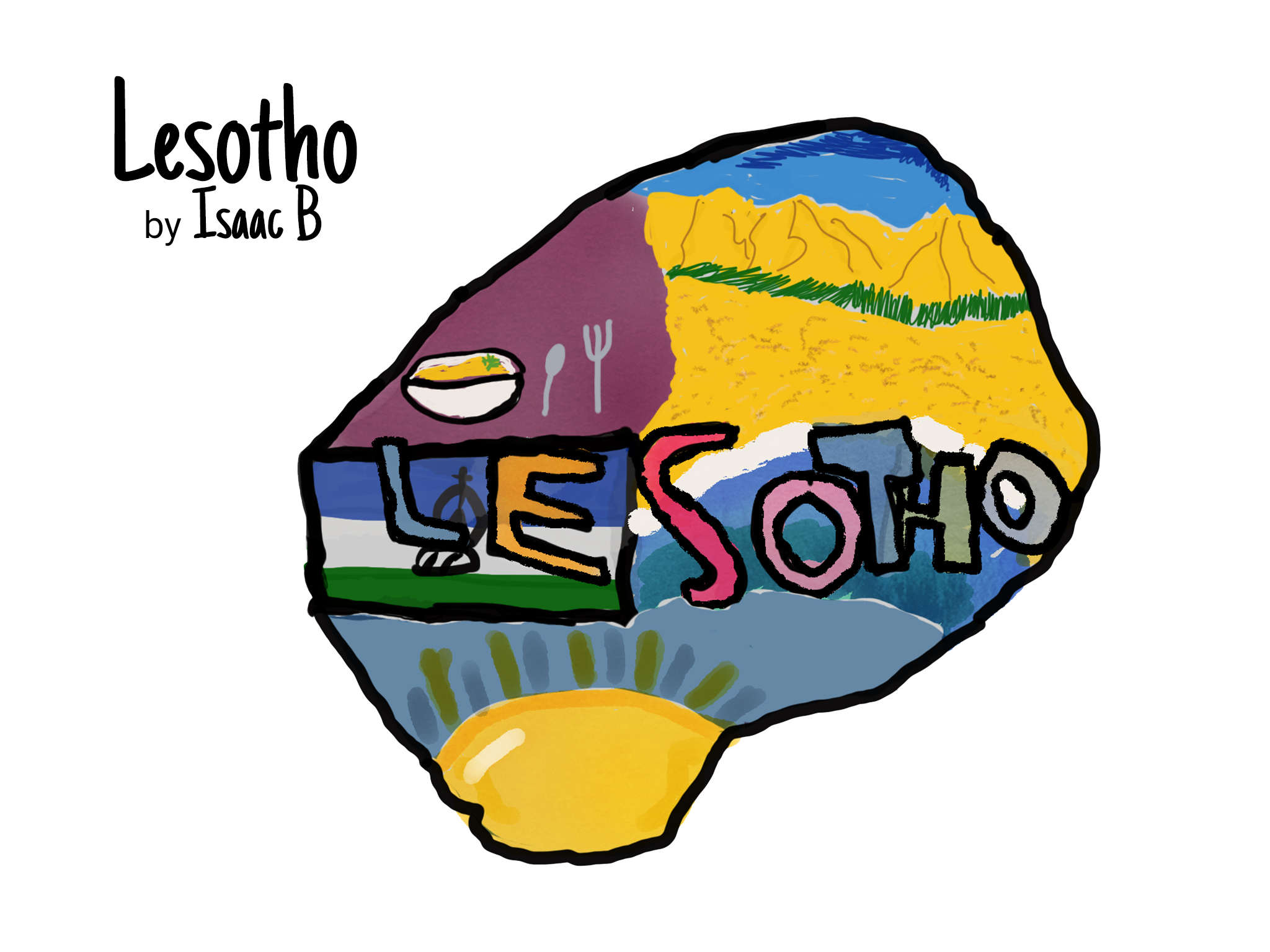
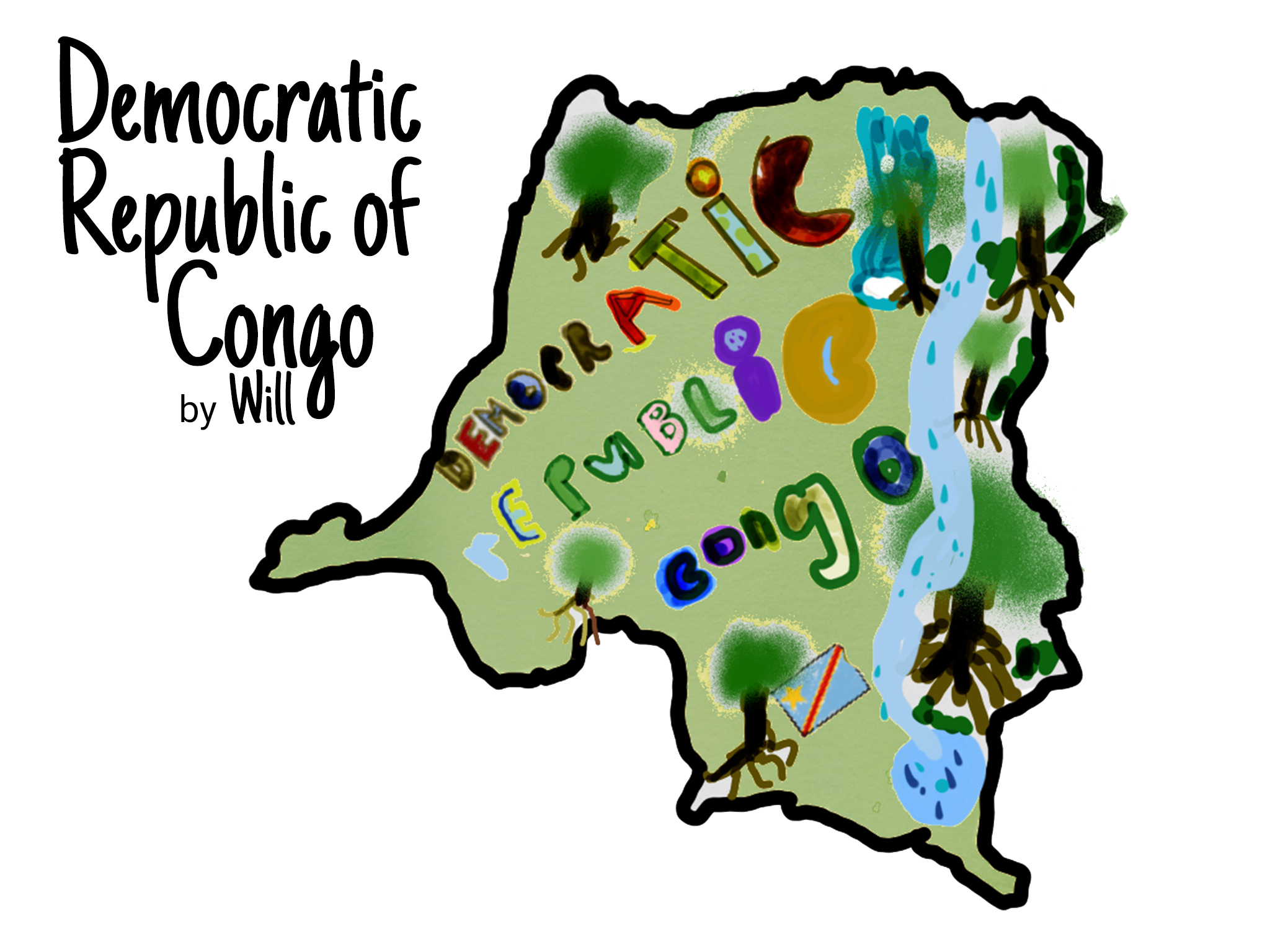
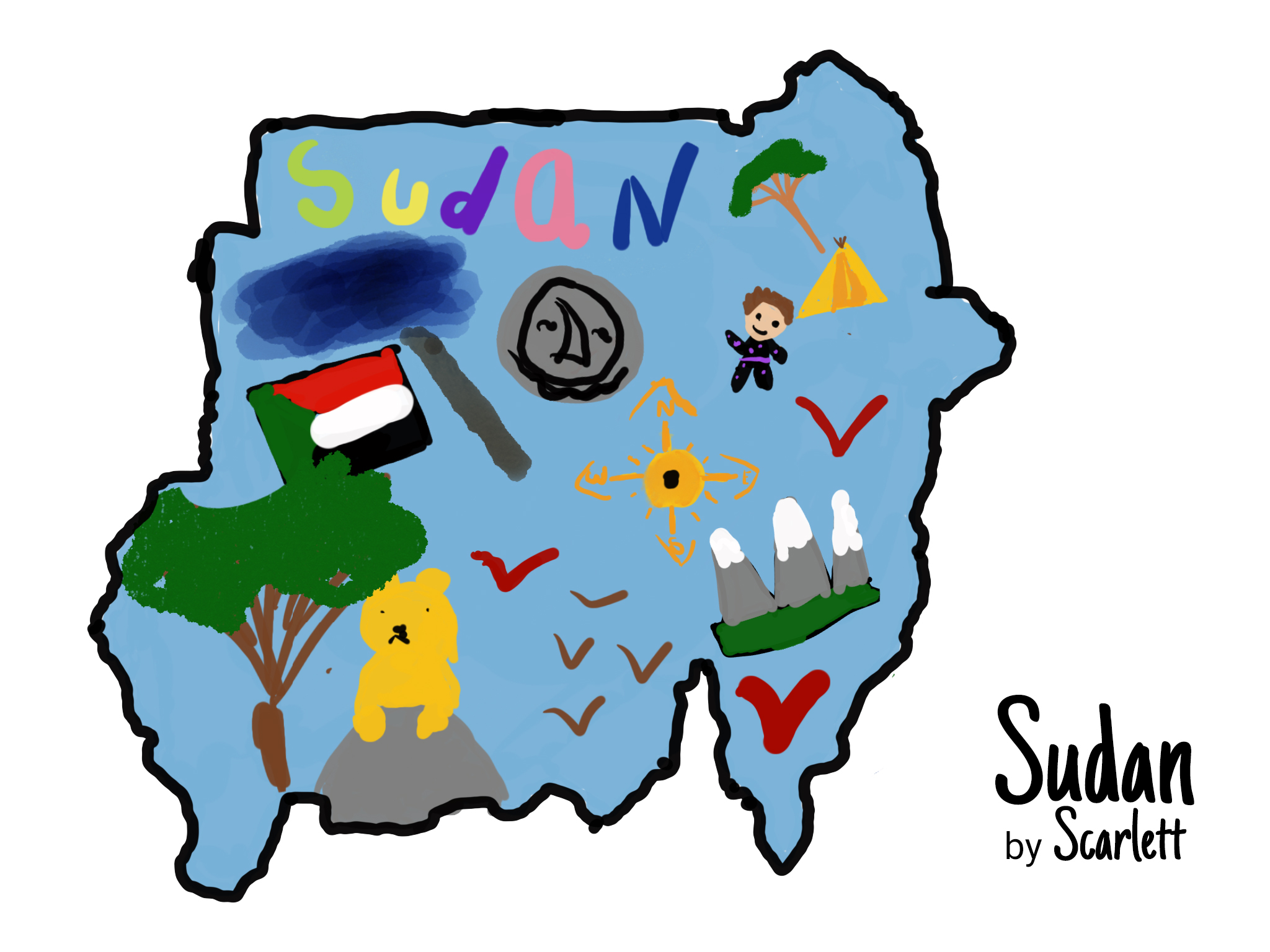
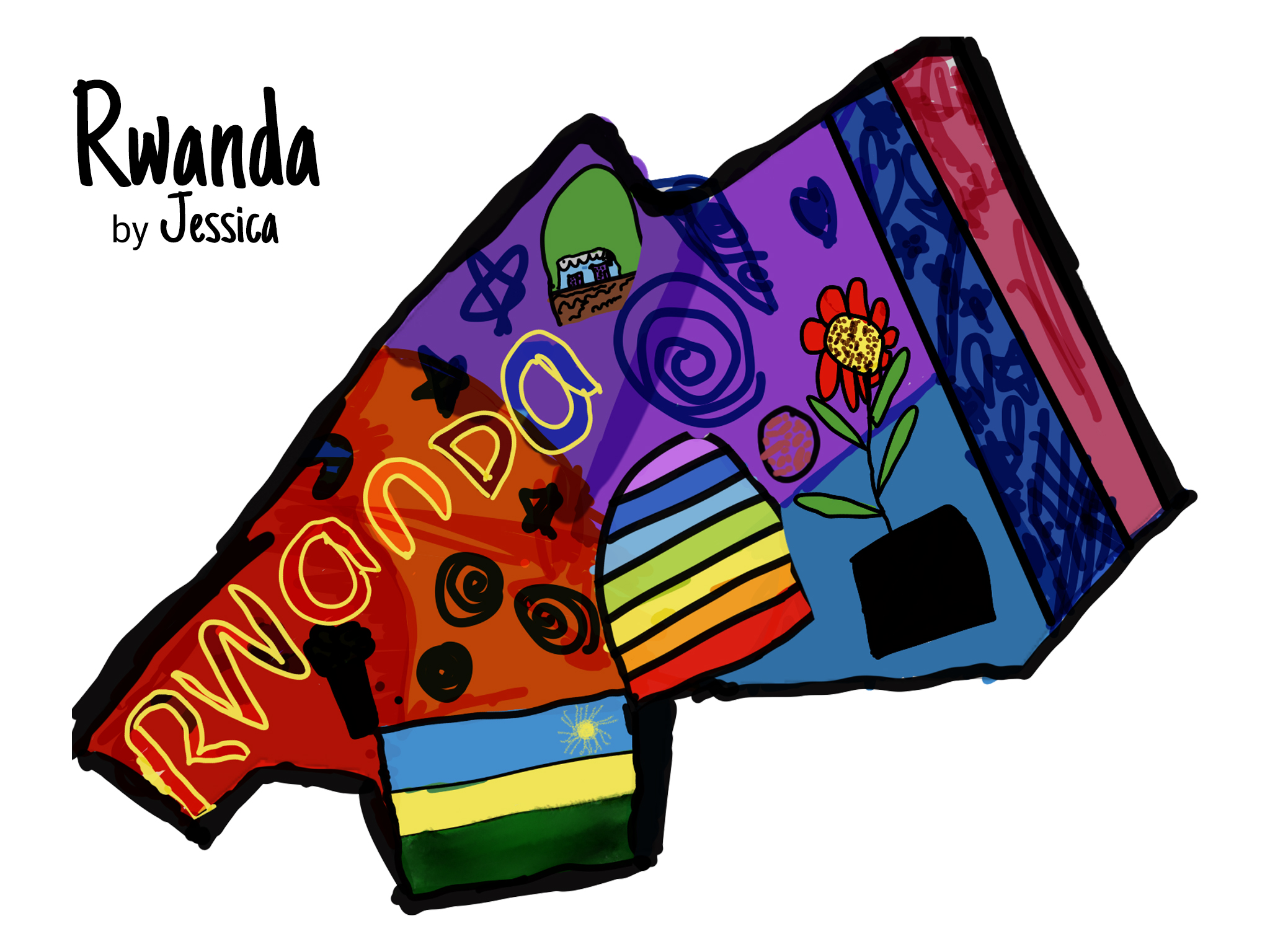
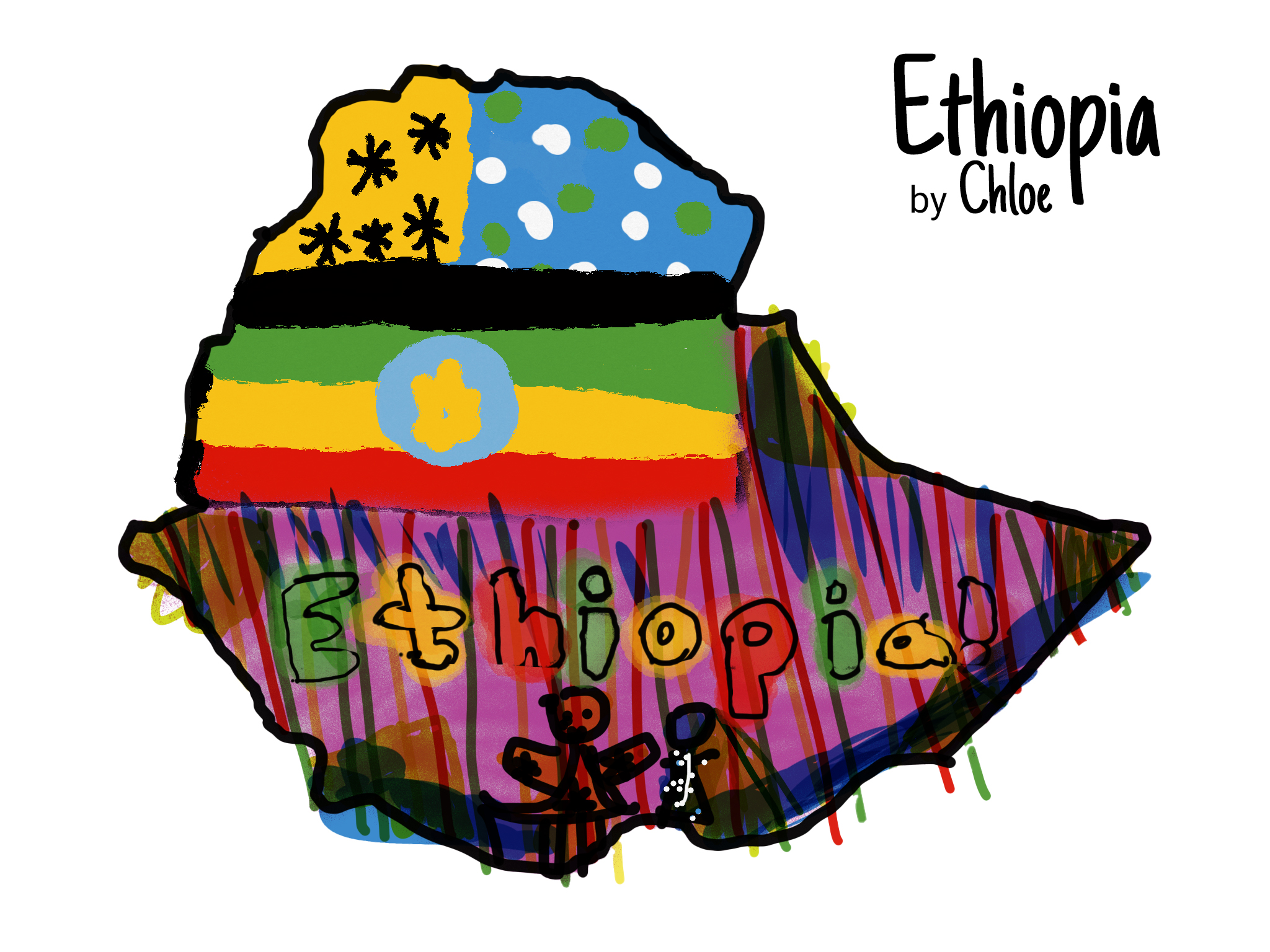
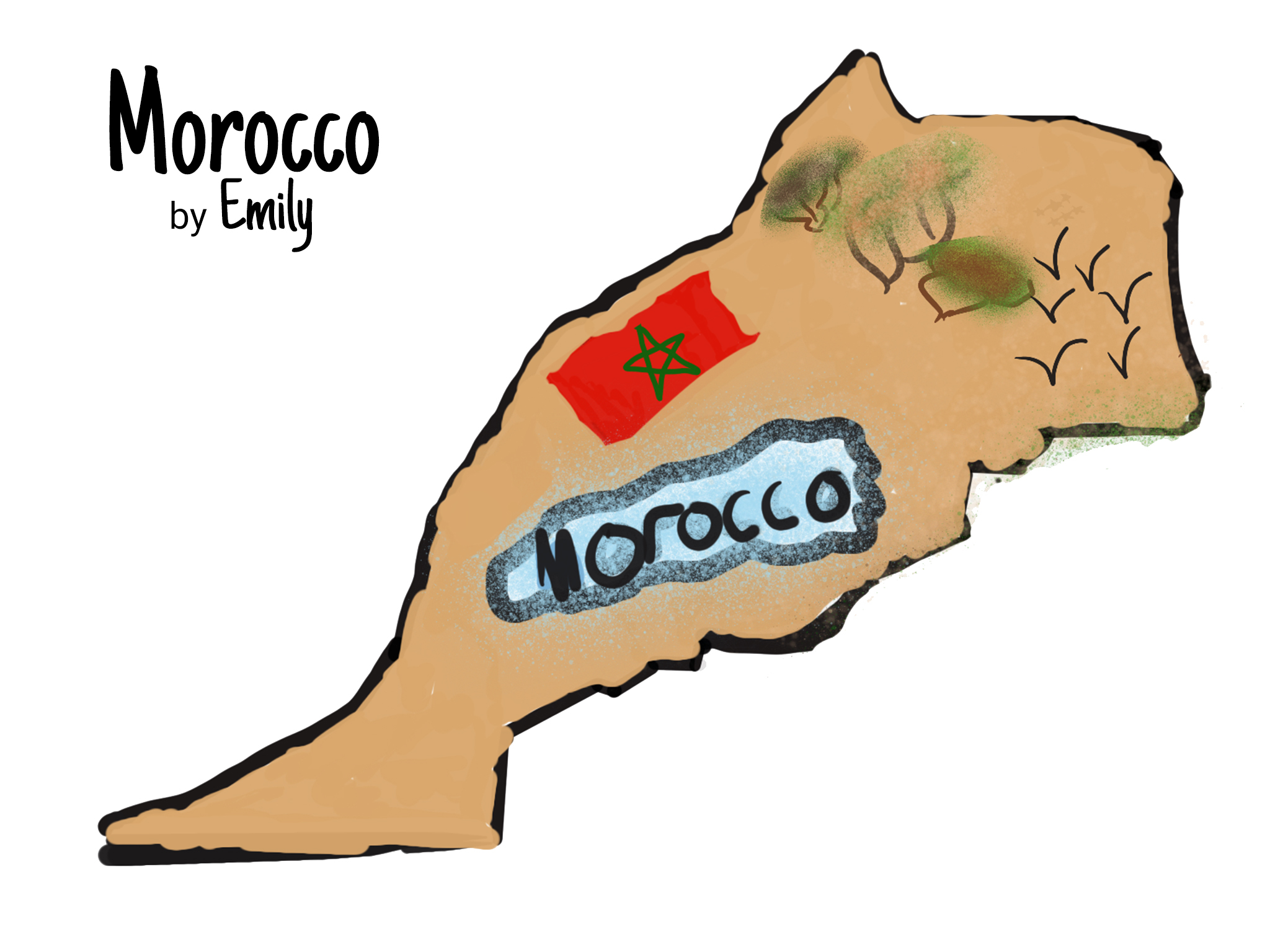
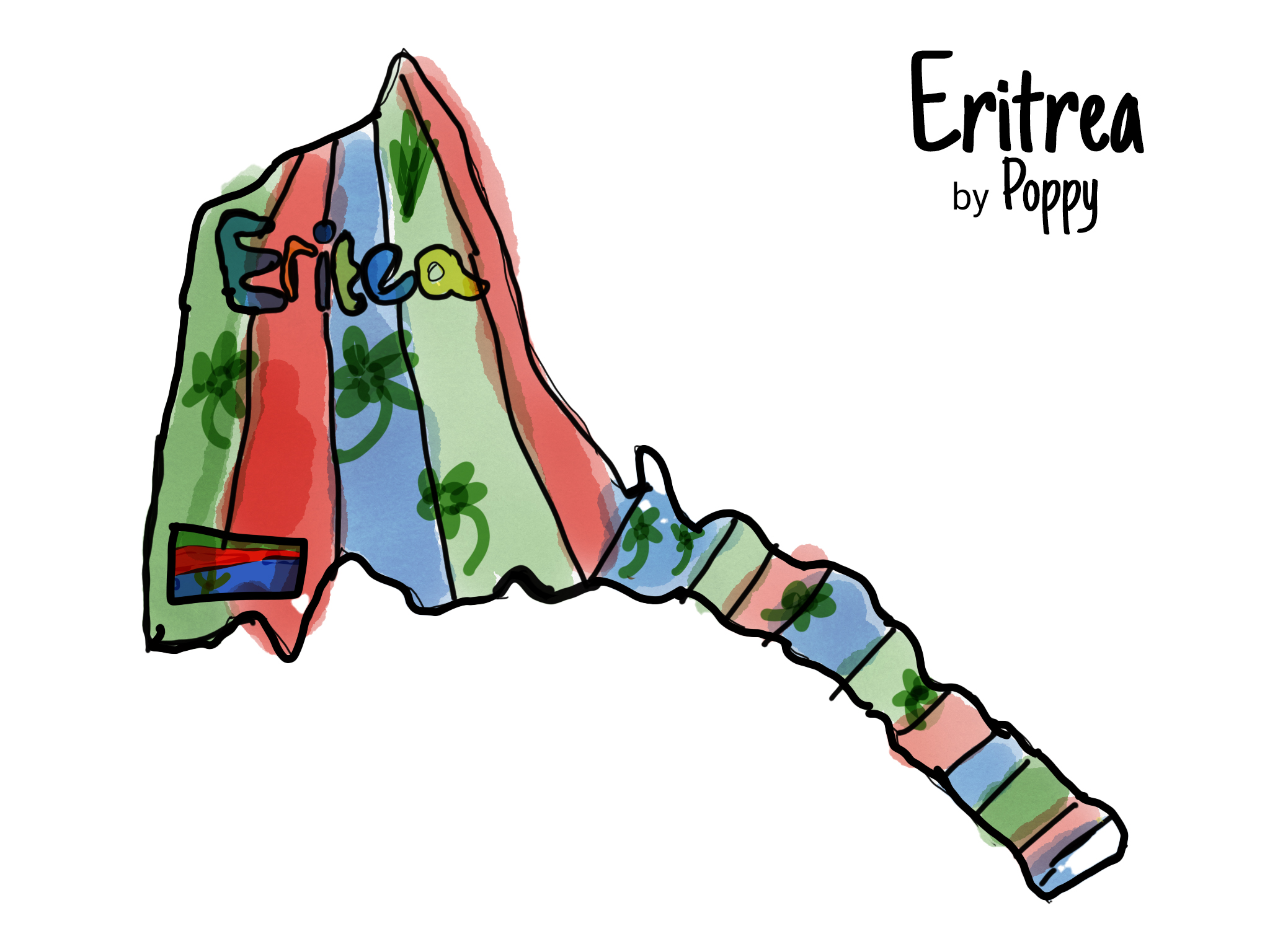
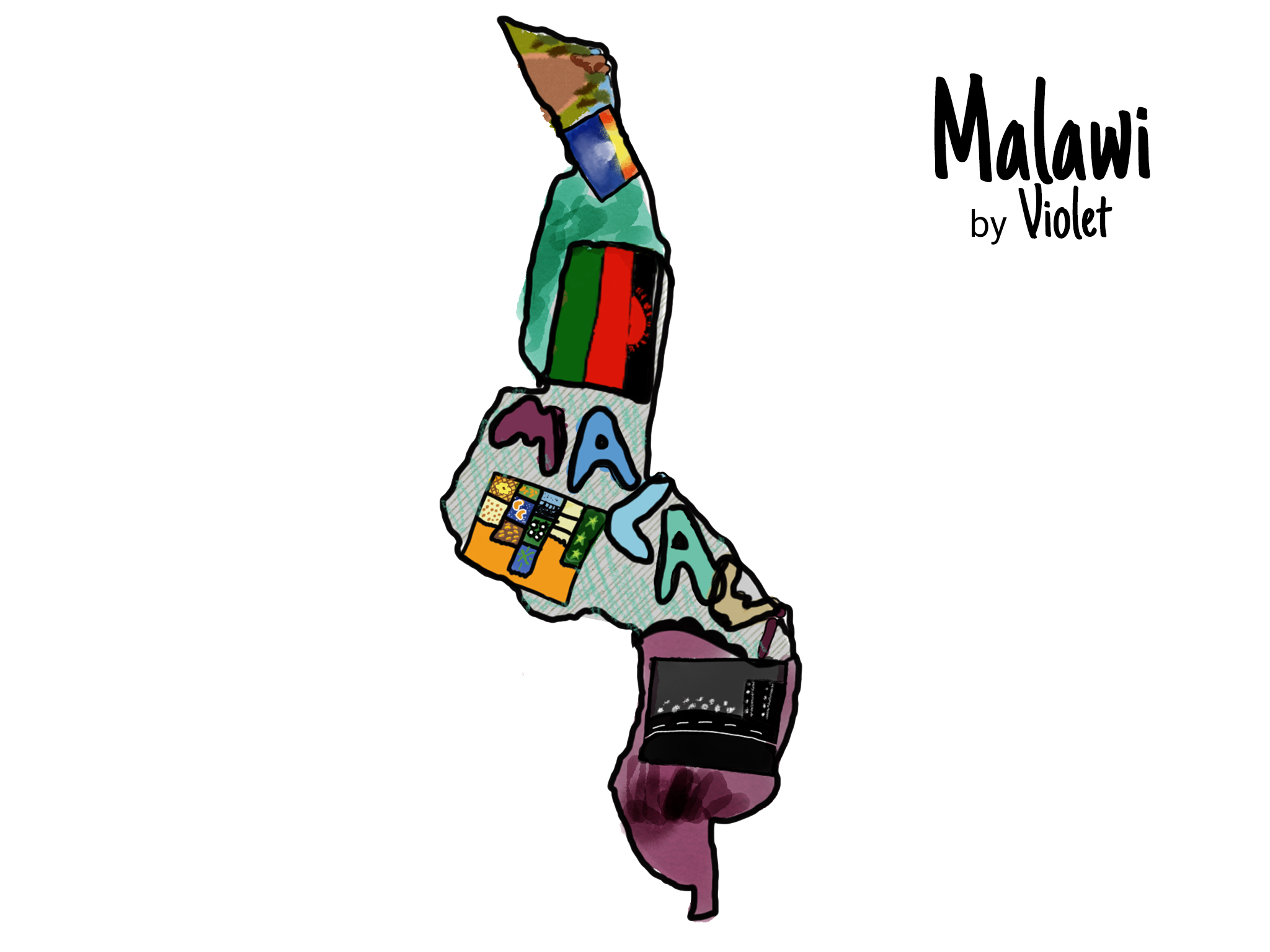
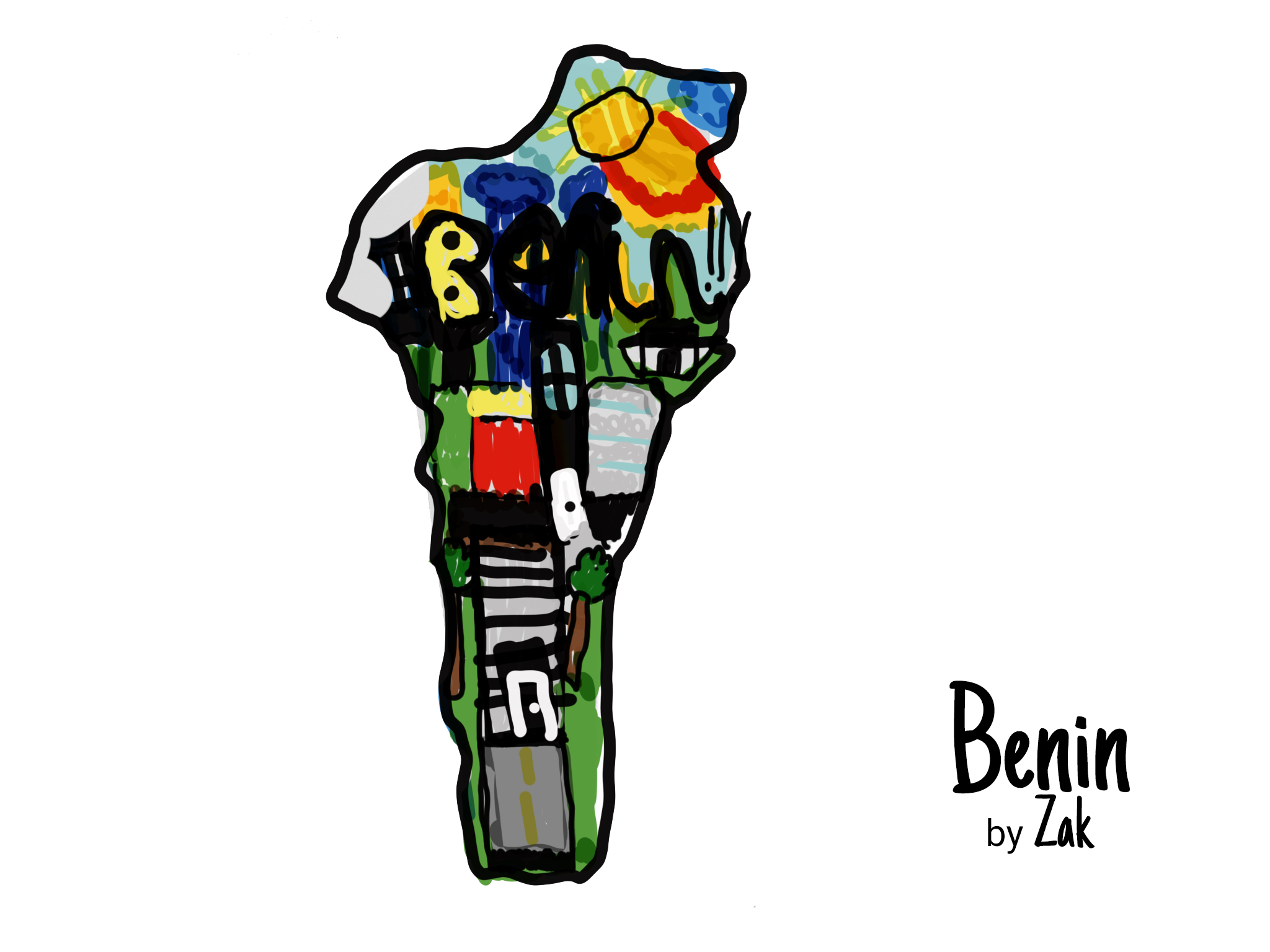
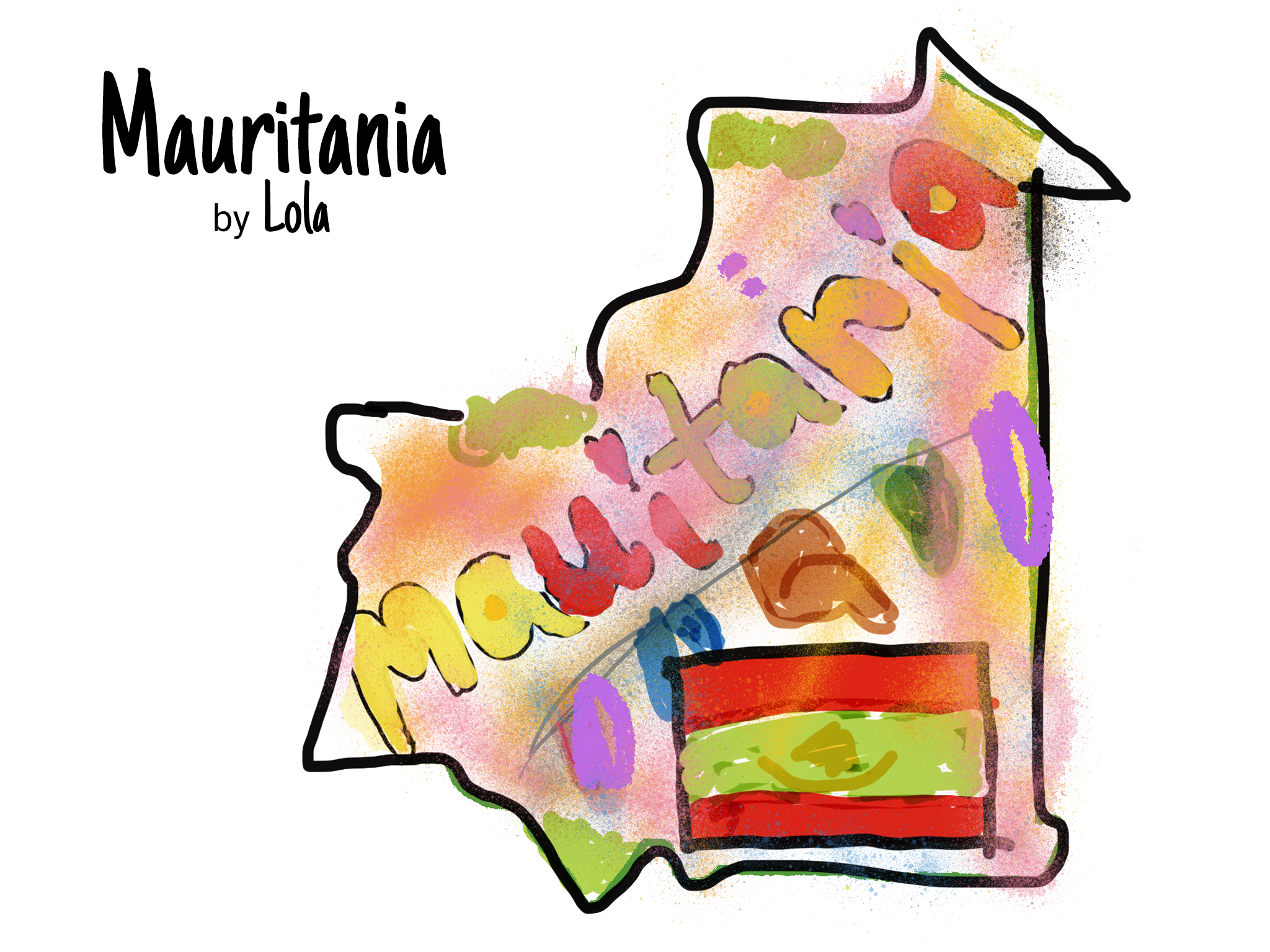
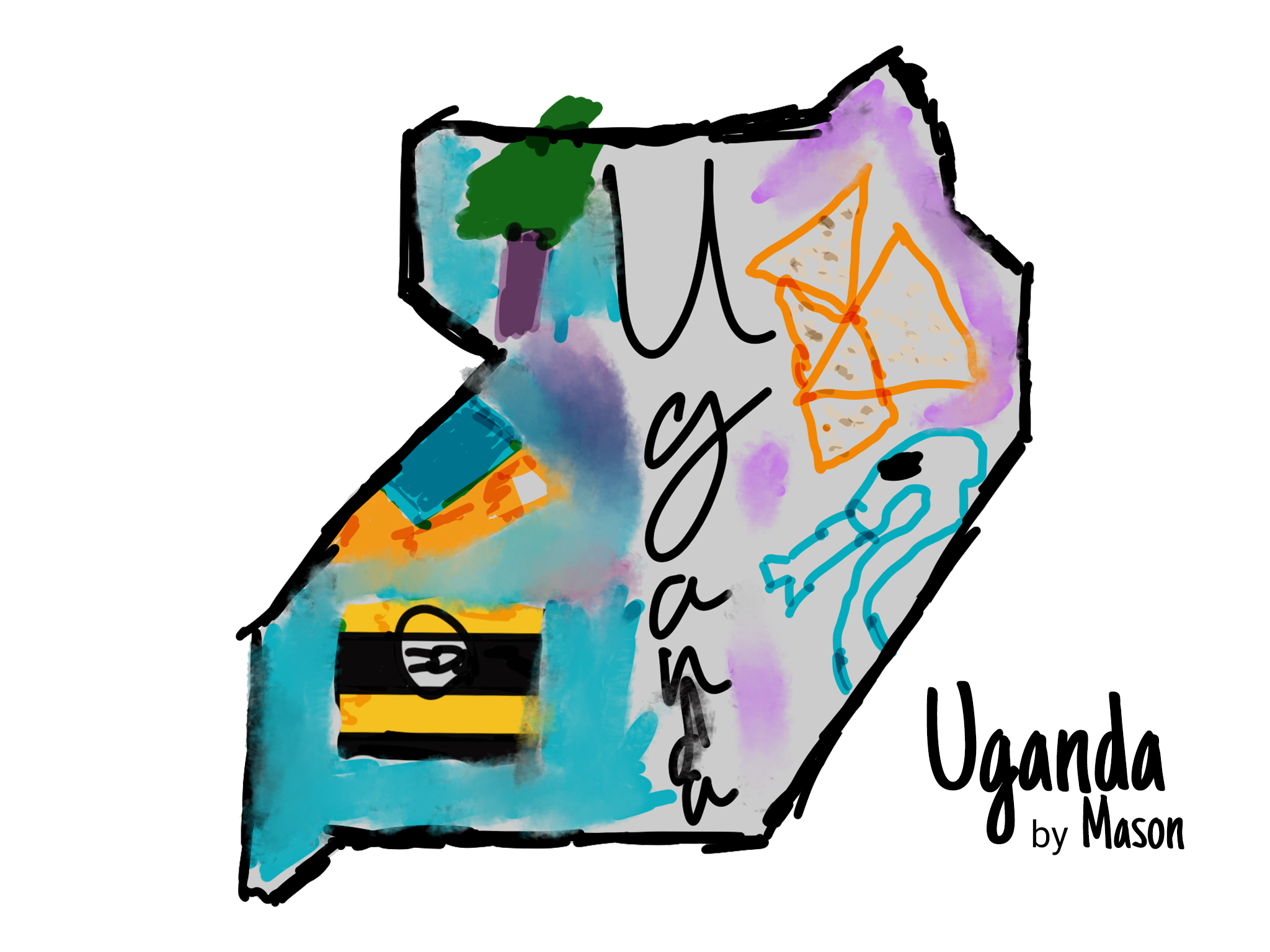
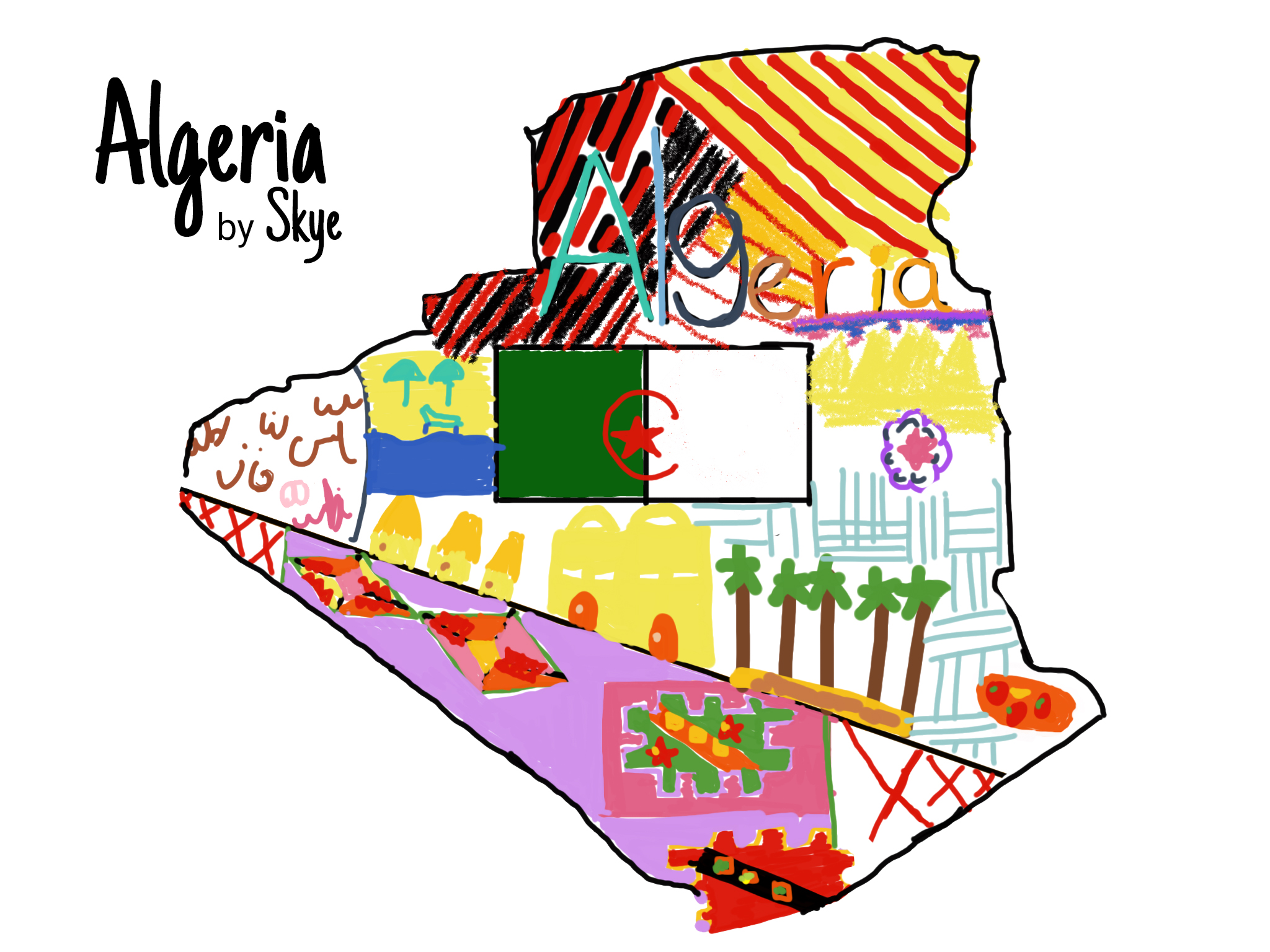
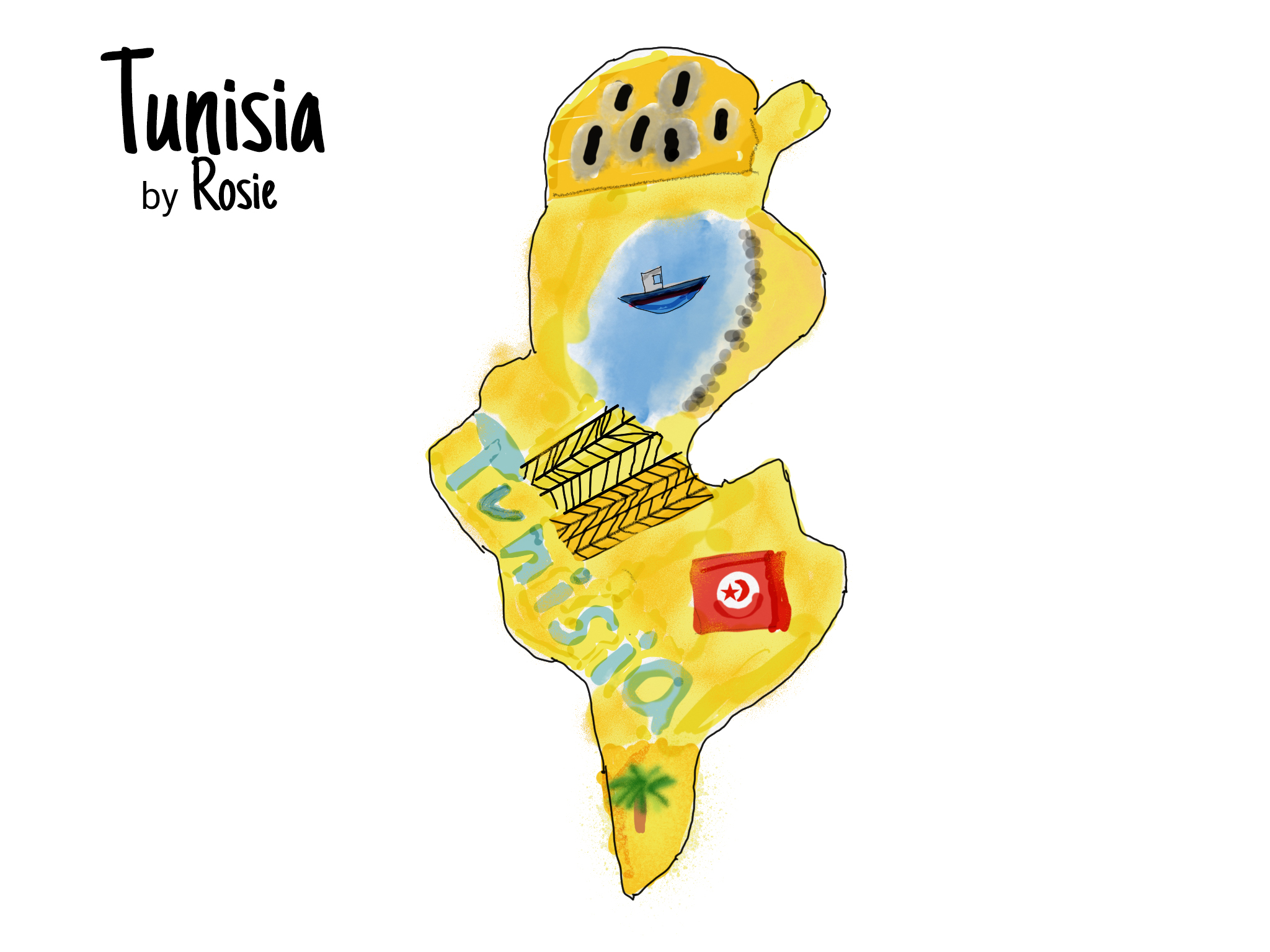
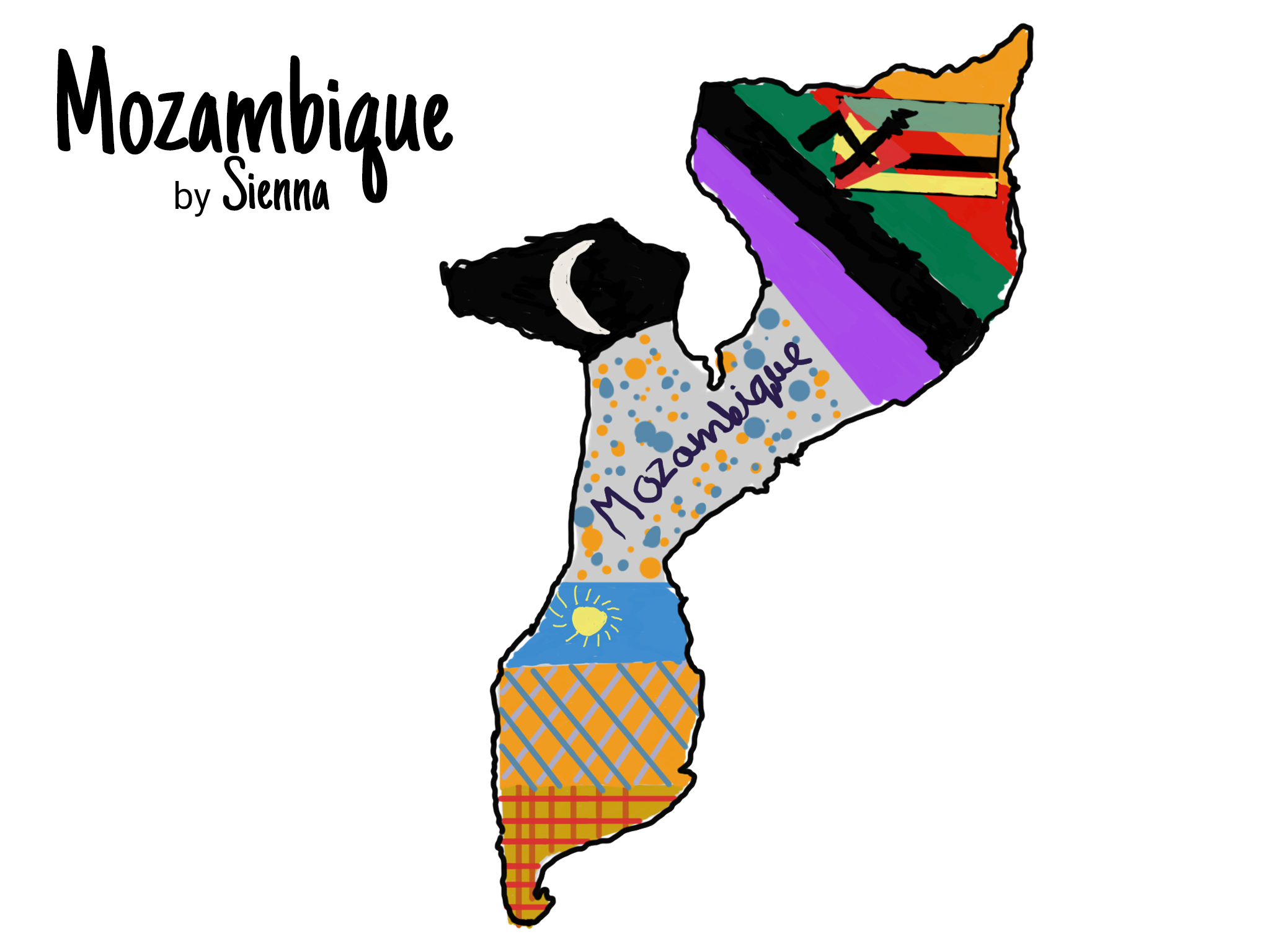
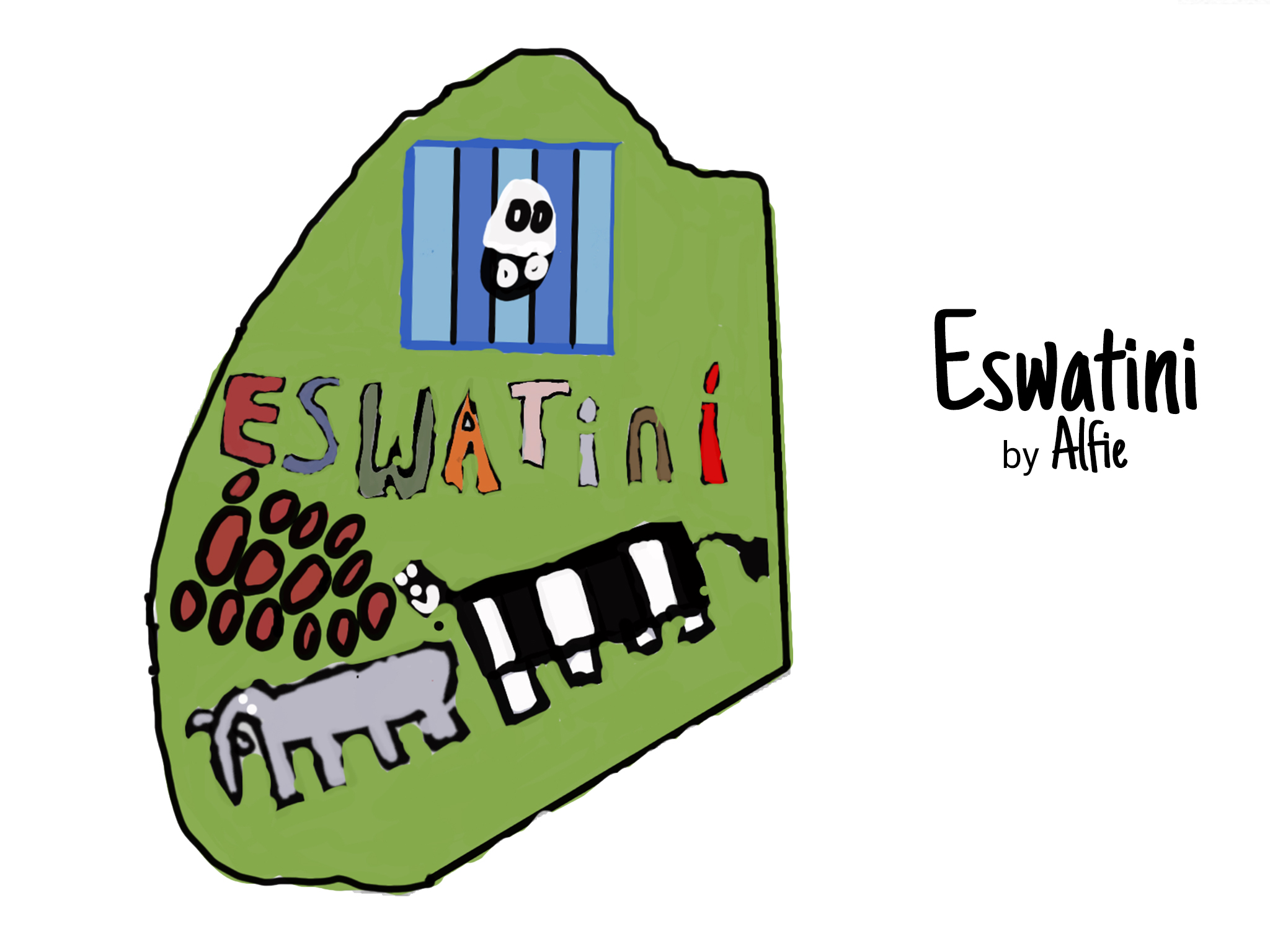
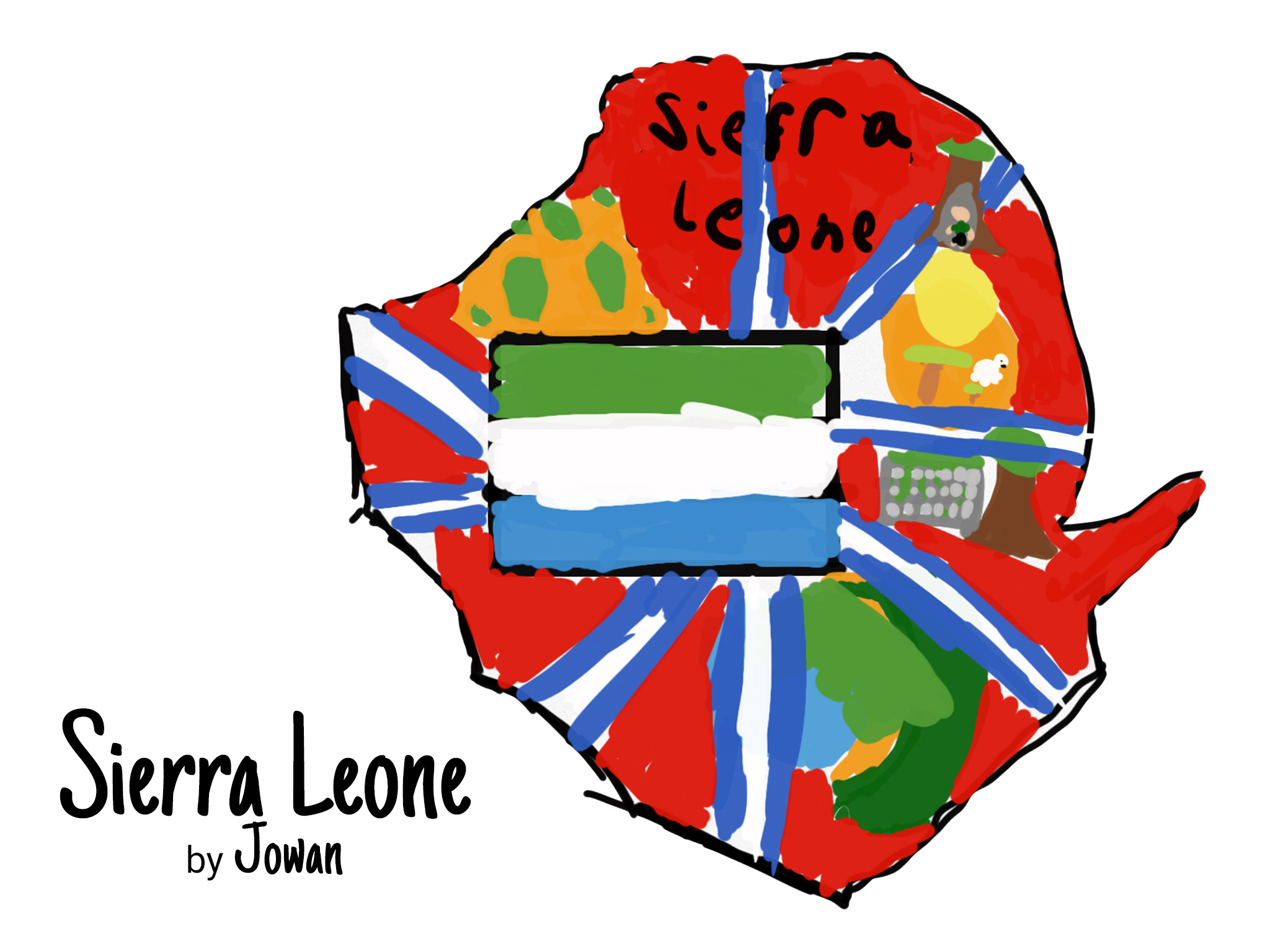
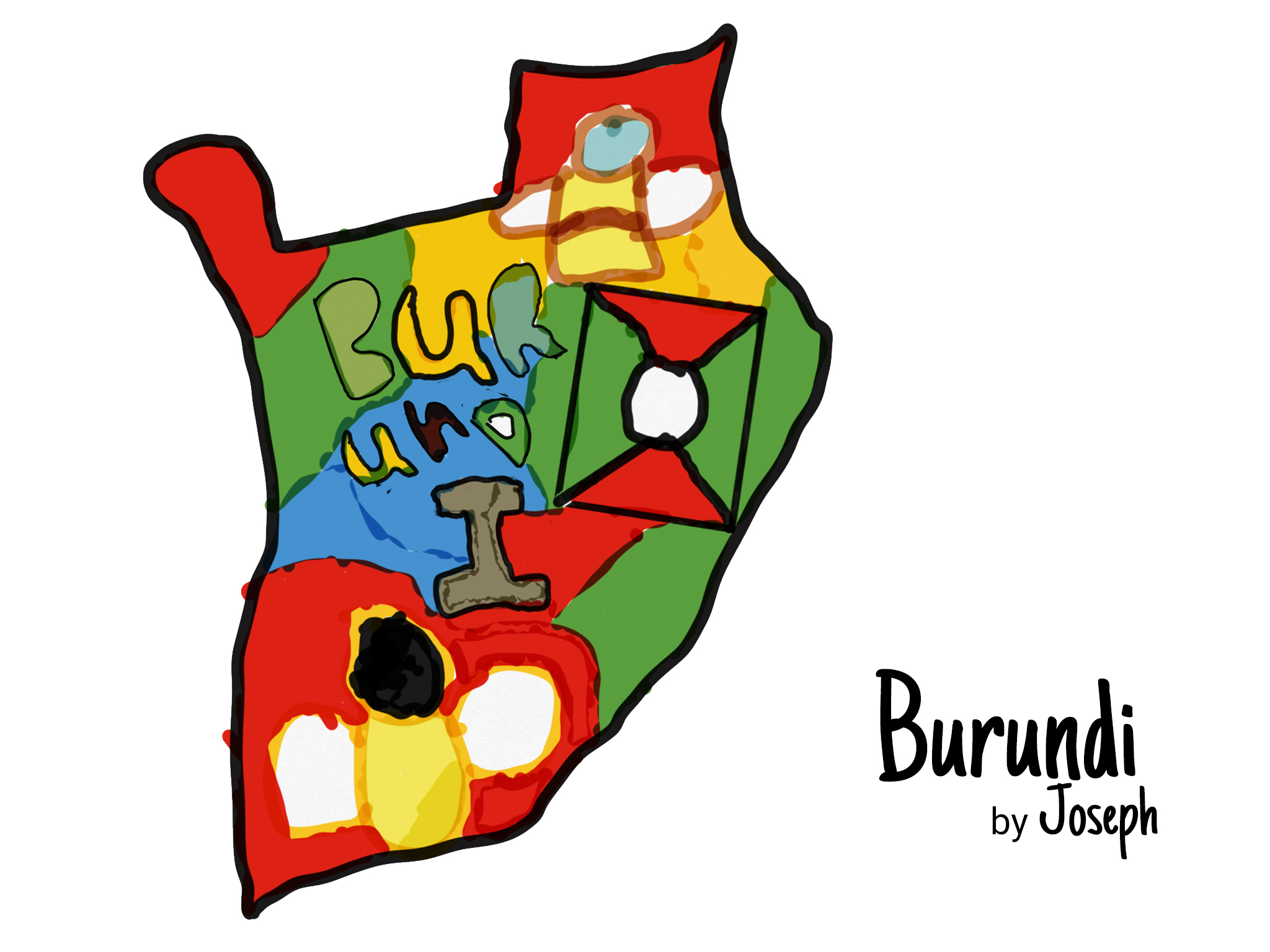
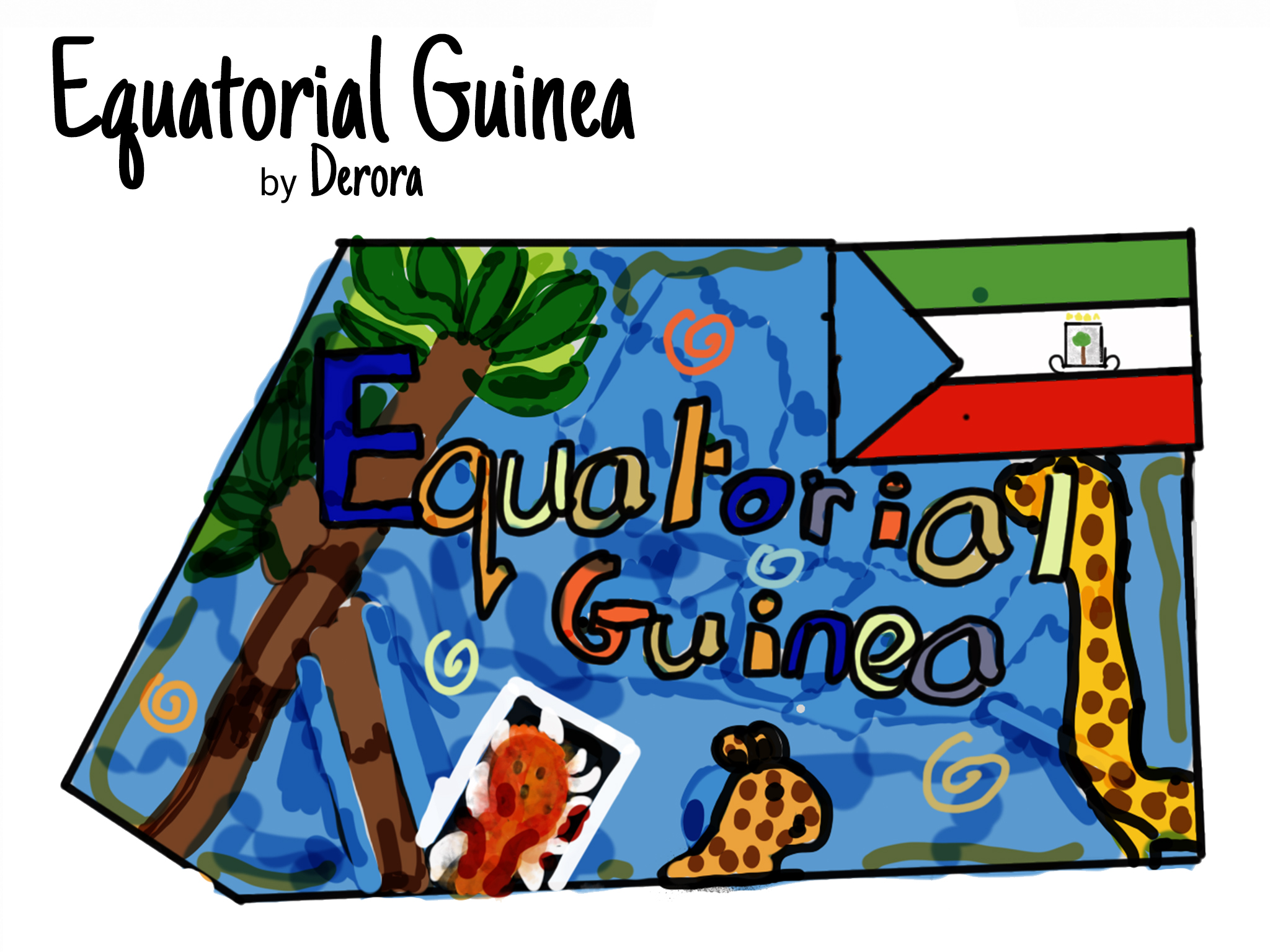
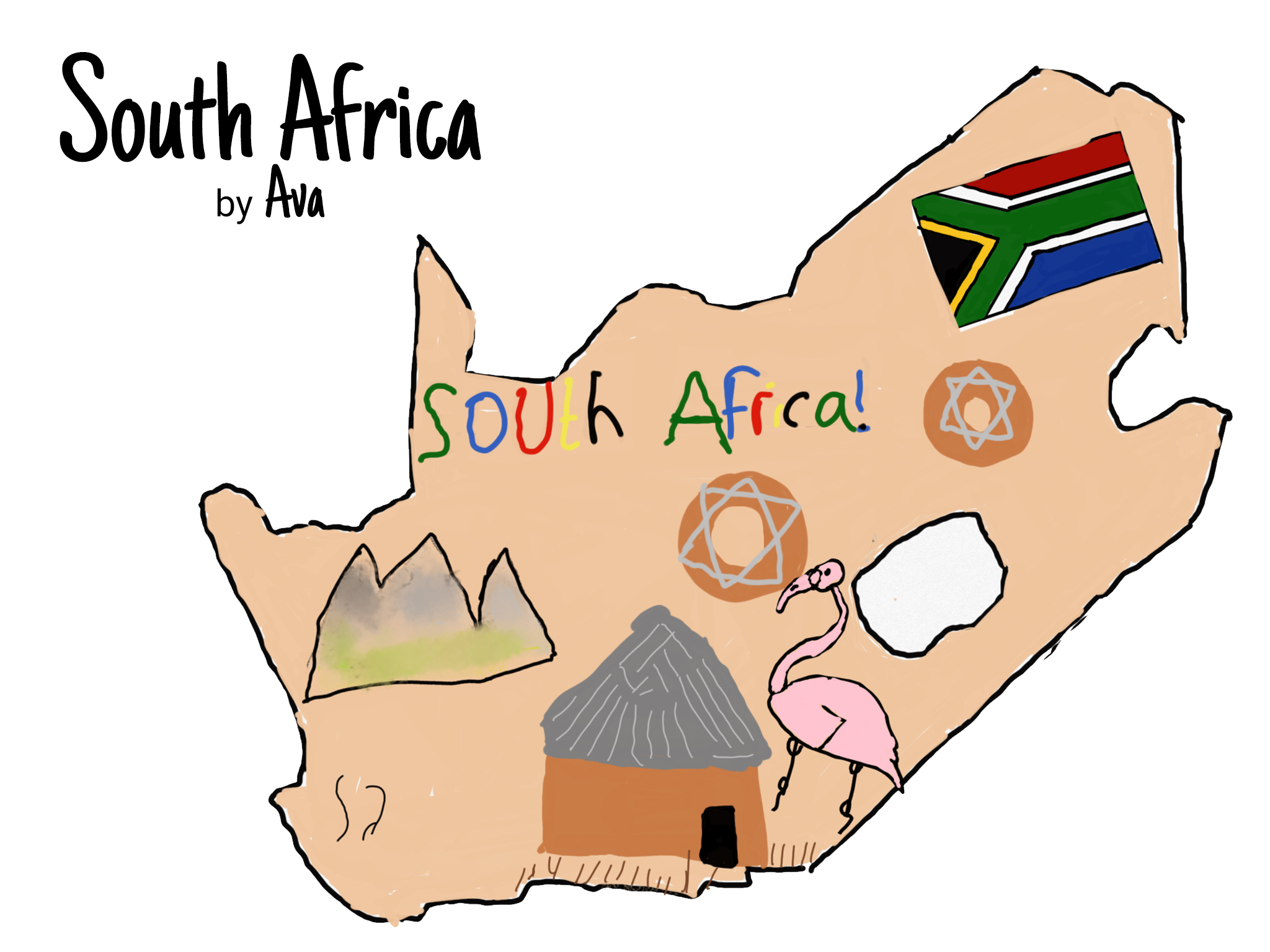
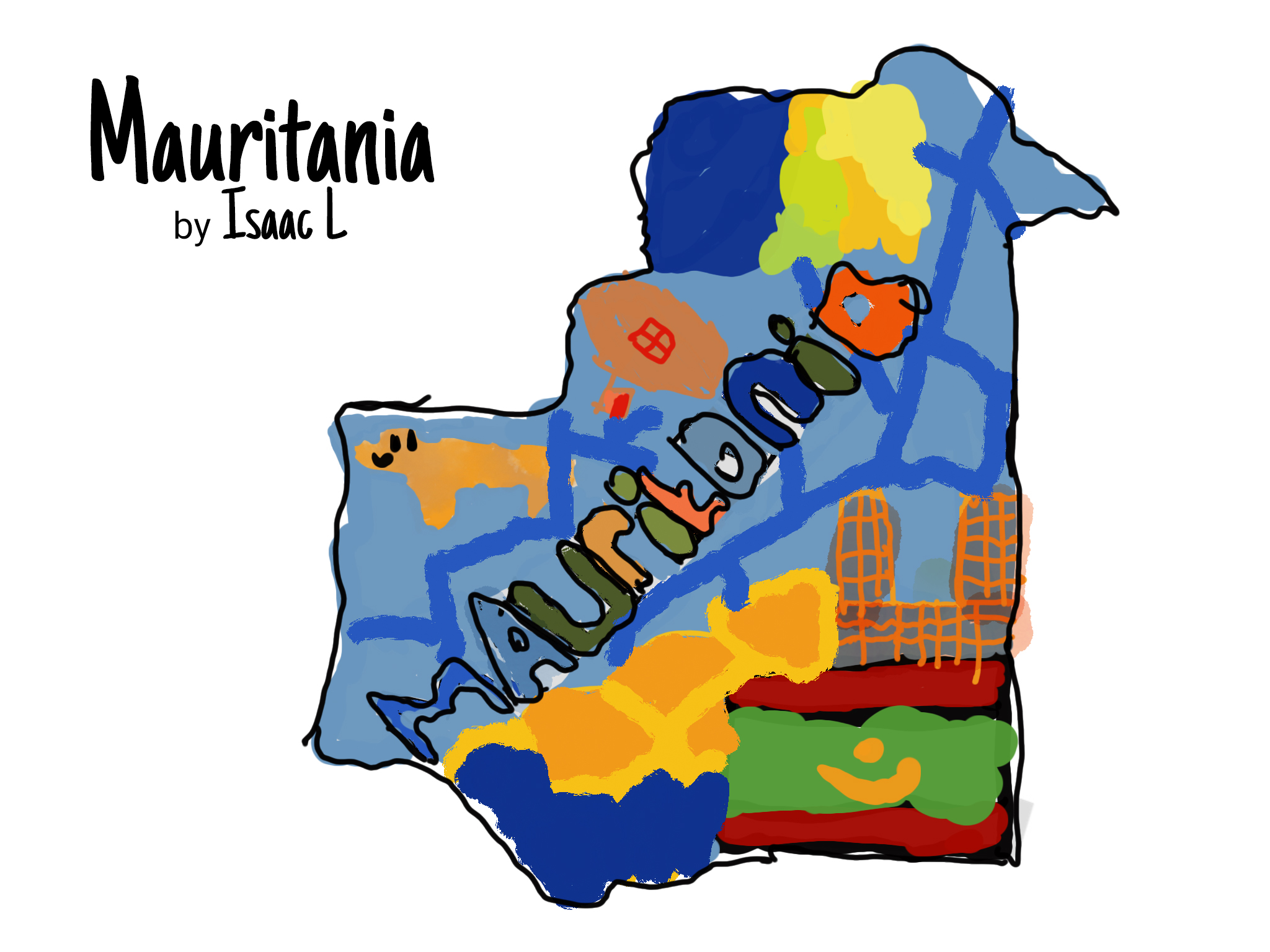
Year 4 create their own Map of Africa

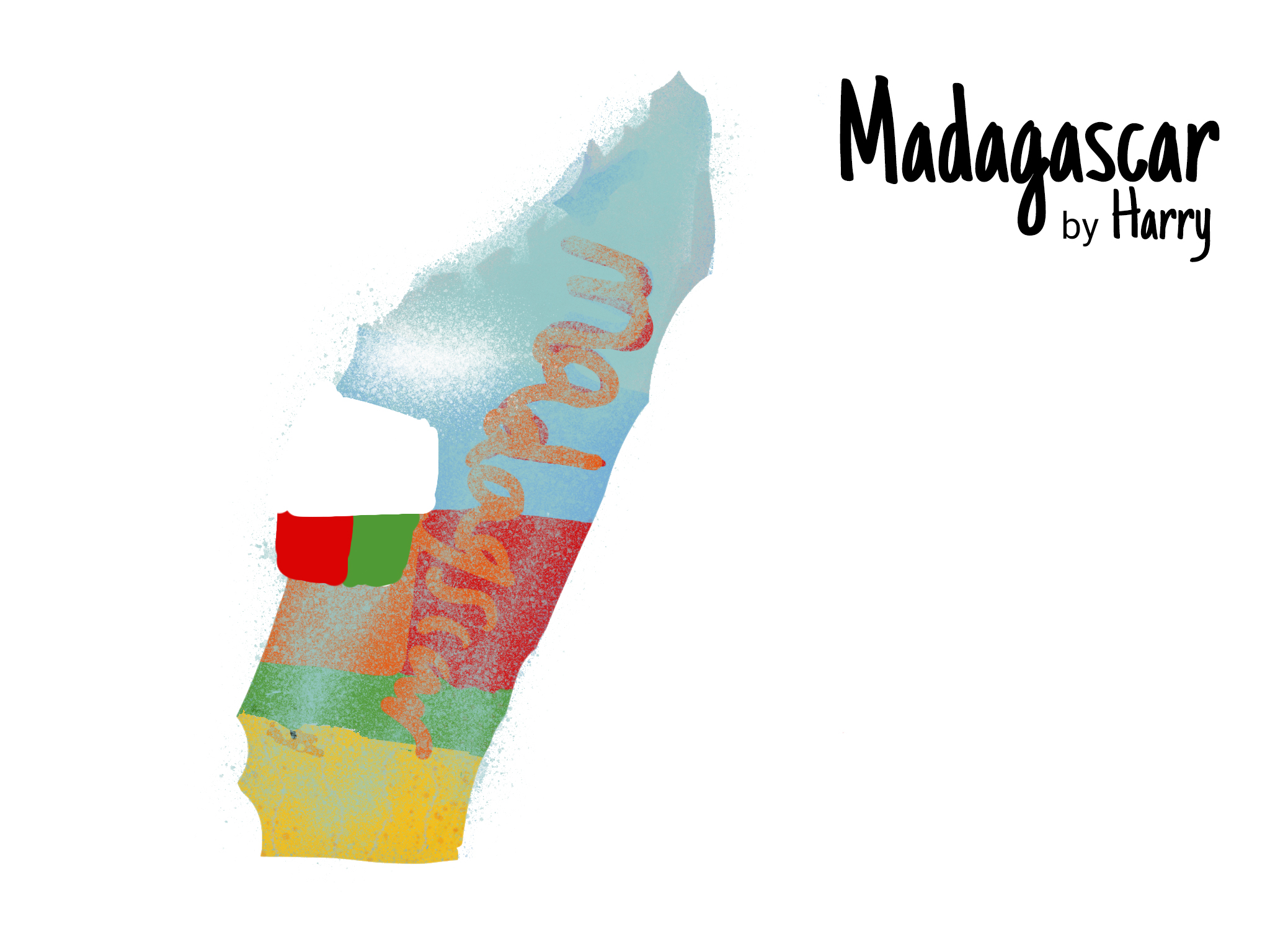
This half term our Year 4’s have been studying ‘Which Way to Africa?’ as their topic.  Part of this exciting learning has involved creating Digital Art on the iPads.  

The children started learning all about the the tools available in our chosen drawing app (Sketches School) and then began to research an individual country in Africa.  We learnt about each country including landmarks, food, art, culture and geographic features.  The children then used this information to inspire them in their digital artwork.

"When I was doing my work I Googled a picture of what my country looks like and it was a burst of colour.  This inspired me to add lots and lots of colours to my picture.  I also searched for patterns from my country which I used in my drawing as well."
Sophia (C9)
South Africa

"This was an amazing project to work on and I wish I could do it over and over again with different countries! I learnt that Angola has amazing famous sculptures and building and many famous birds and beautiful patterns.  I think that the map itself looks amazing now it's all put together!"
Faith (C9)
Angola

To aide their artwork, each child created a ‘mood board’ of imagery from their chosen country.  We then used Adobe Colour on the iPads to extract the key colours from the images.  This meant each child had a custom palette of colours for their country – helping them all stand out and look unique.

"When Mr Woolcock first sent me my country I felt a bit nervous because I didn't know much about my country or what I could fit into the map, but at the end it turned out to be something that I'm really proud of.  My favourite part of the picture was doing the bubble writing, I really like doing the writing on the iPads!"
Violet (C9)
Malawi

Finally the children bought everything together to fill in the outline of their country with themed text, imagery, the countries flag and other graphical elements which they felt best represented their chosen country.  

As well as combining these into the map above, you can also explore each individual country below.

Making Music with Micro:Bits in Year 3

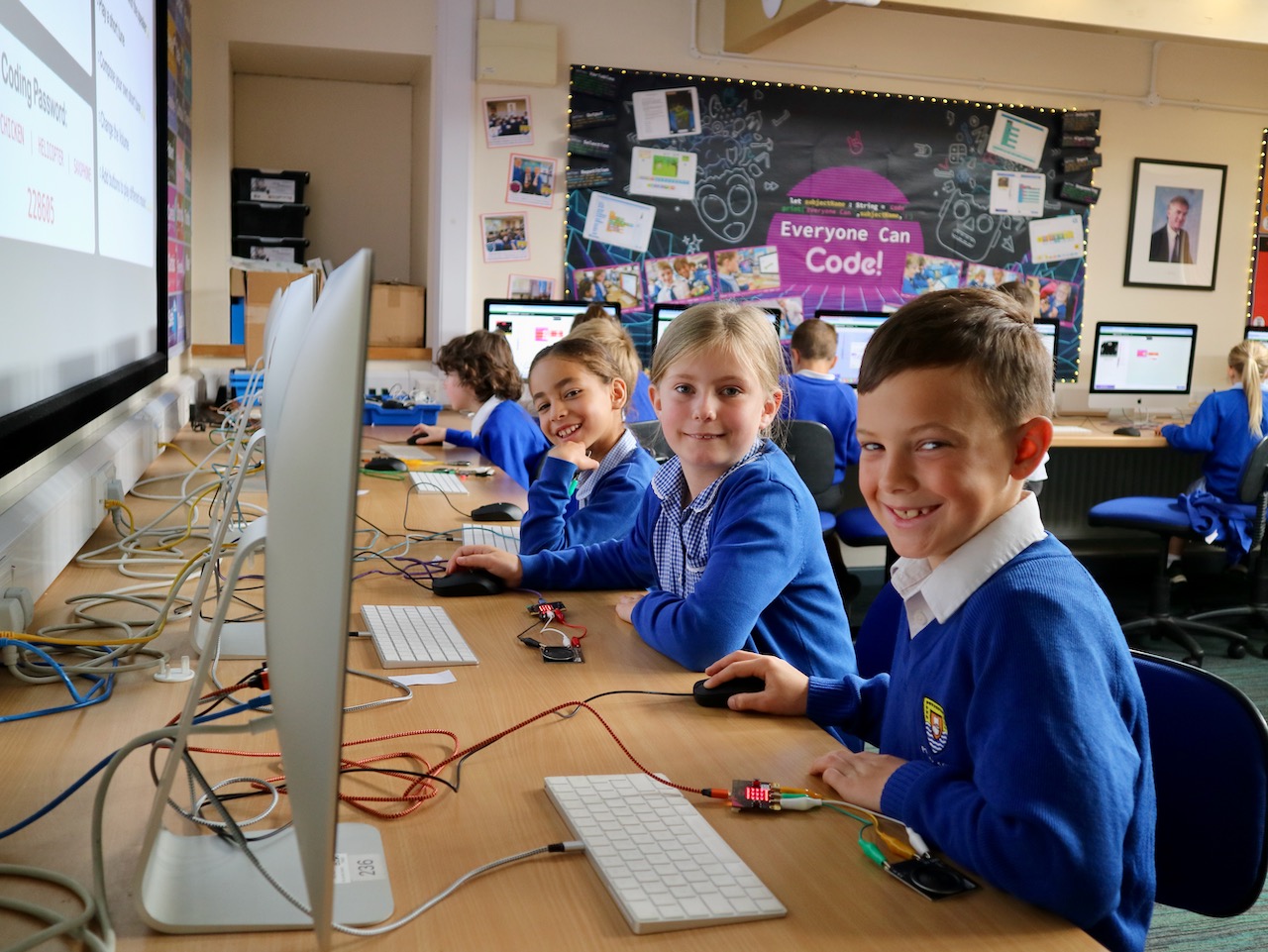
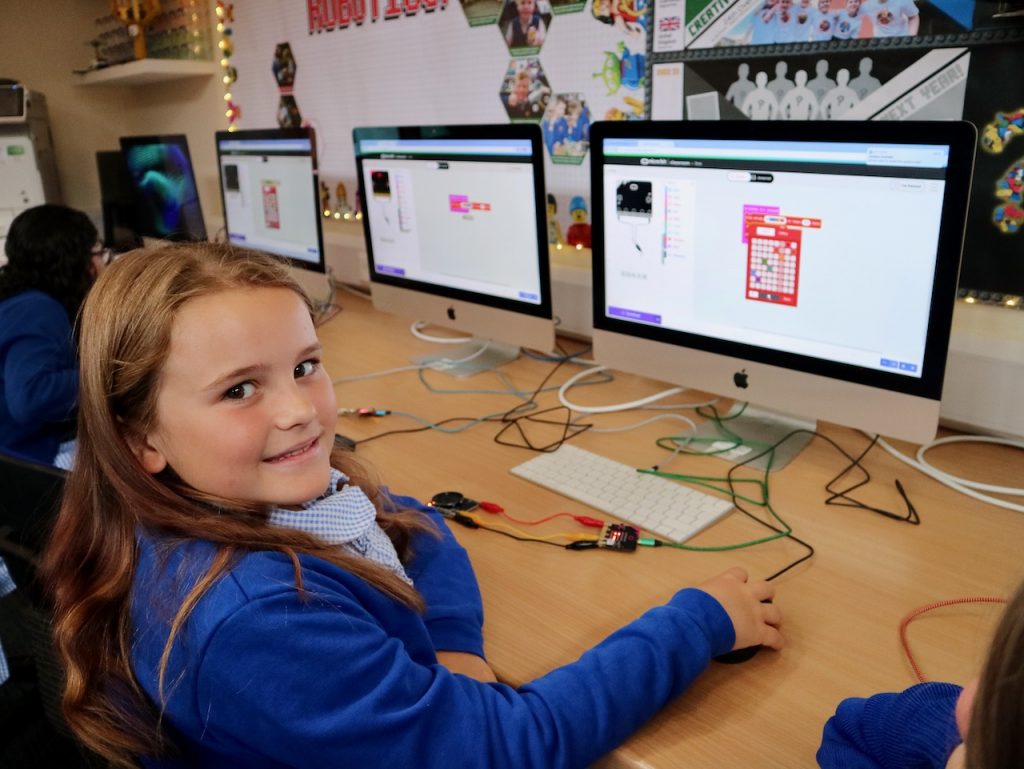
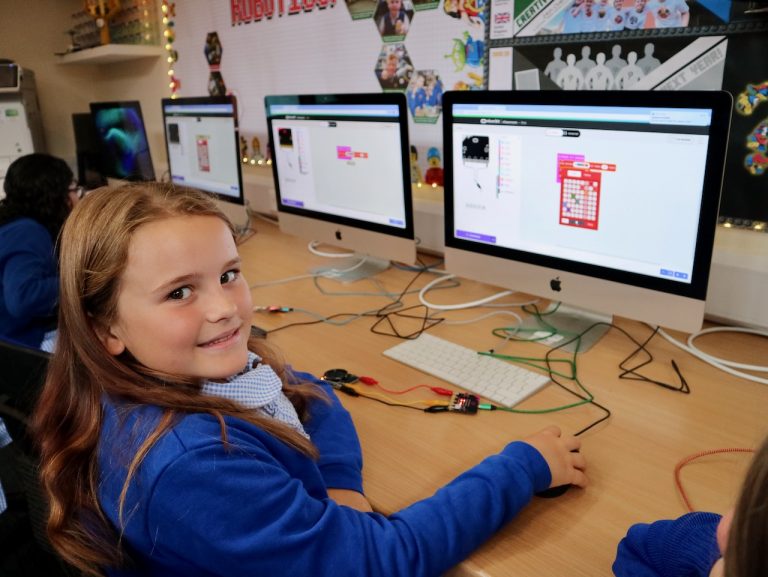
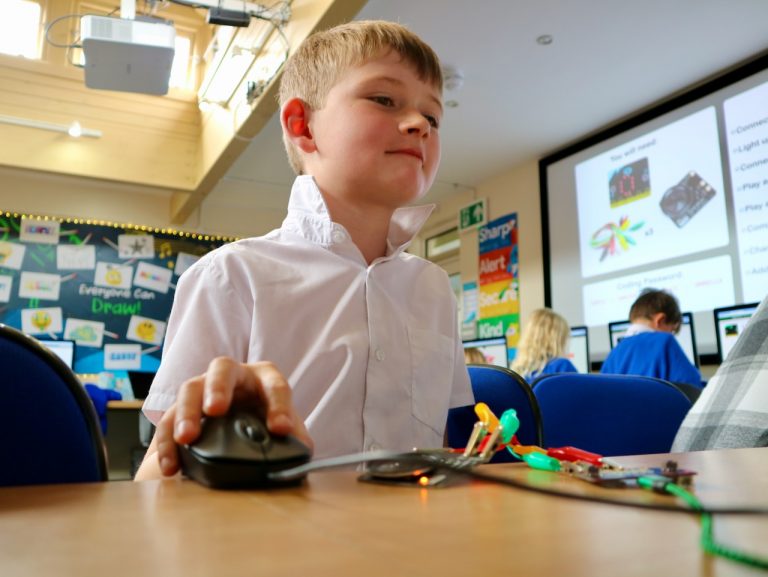
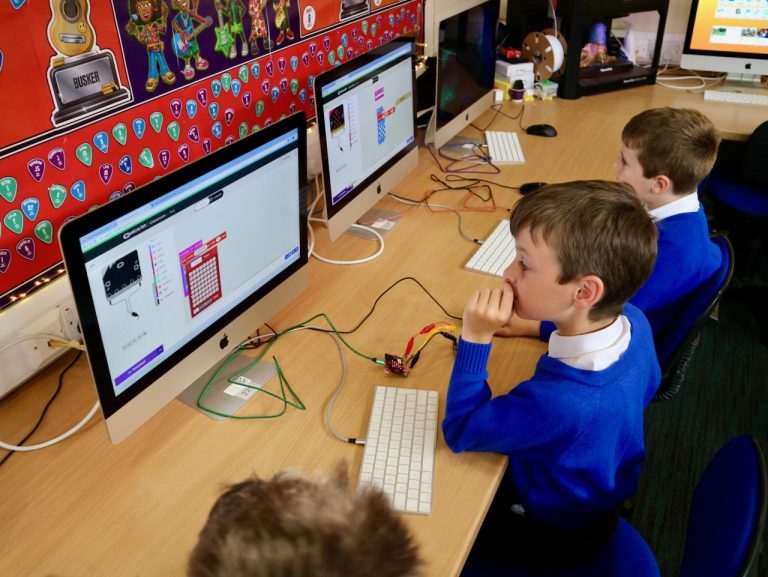
Over the past few weeks Year 3 have been learning to code on our Micro:Bit computers.  These tiny devices are a great way to get hands-on with Computing and enable our students to write programs that they can run on real hardware in their hands.

To start with we explored the concept of Input and Output by using buttons, sensors and the LED displays on the Micro:Bits.  It was interesting to see the range of programs that could be created with just two buttons.

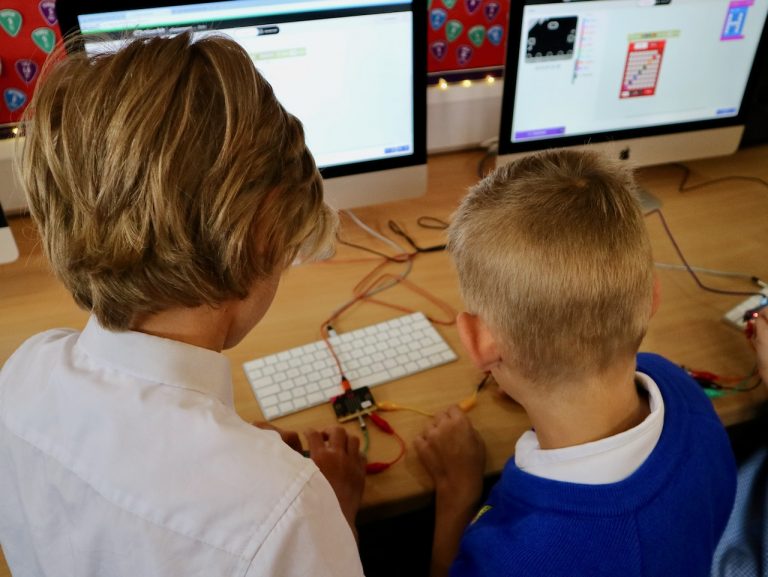
Once the children felt confident with this aspect of the device then took things a step further by using some LED light strips which connected to the pins at the bottom of the Micro:Bits.  

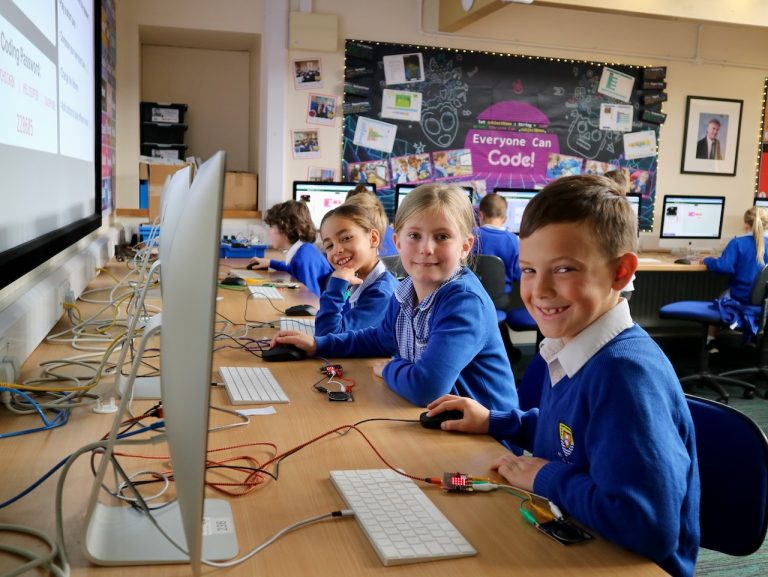
Suddenly the Mac Suite was transformed into a disco! We had colour changing, flashing and rainbow coloured lights everywhere.  

When we finished having a mini party we used the opportunity to learn about using loops and repeat blocks to create colour changing light patterns.

And that brings us on to today, where the children have been using the Micro:Bits in an entirely different way.  

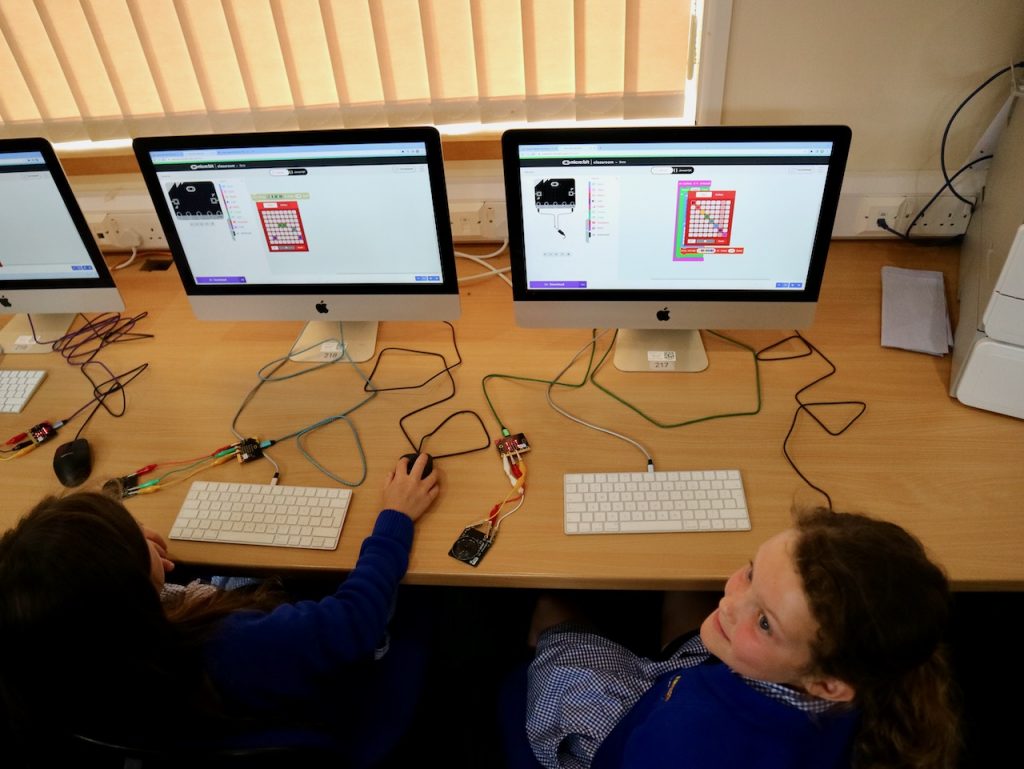
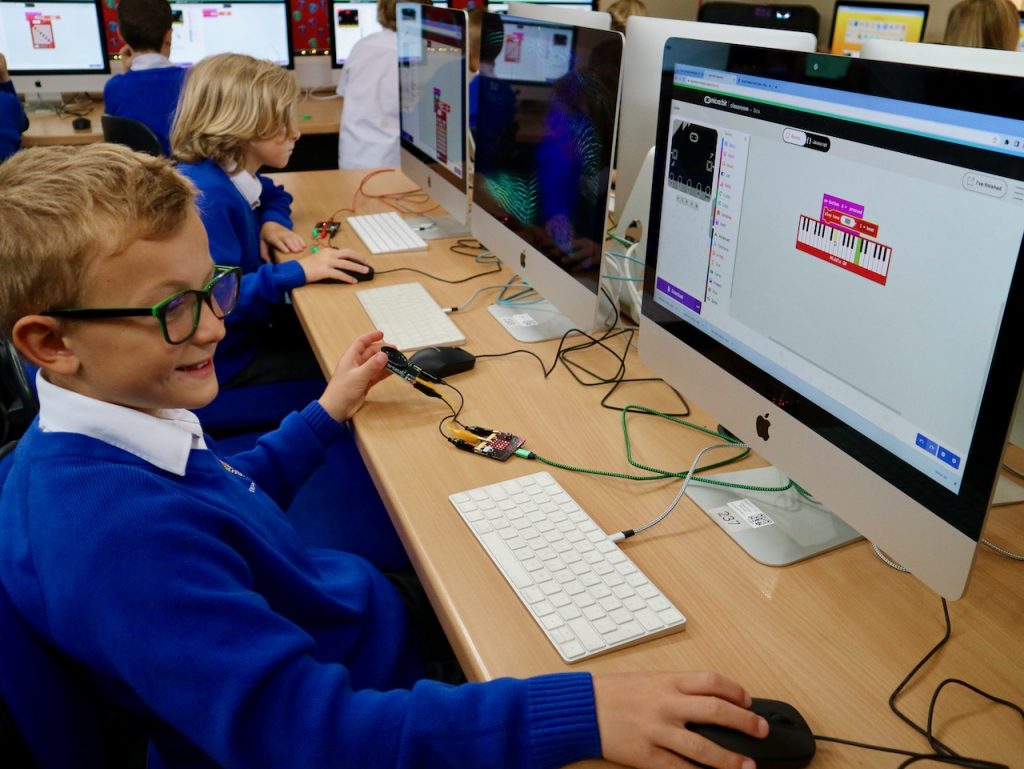
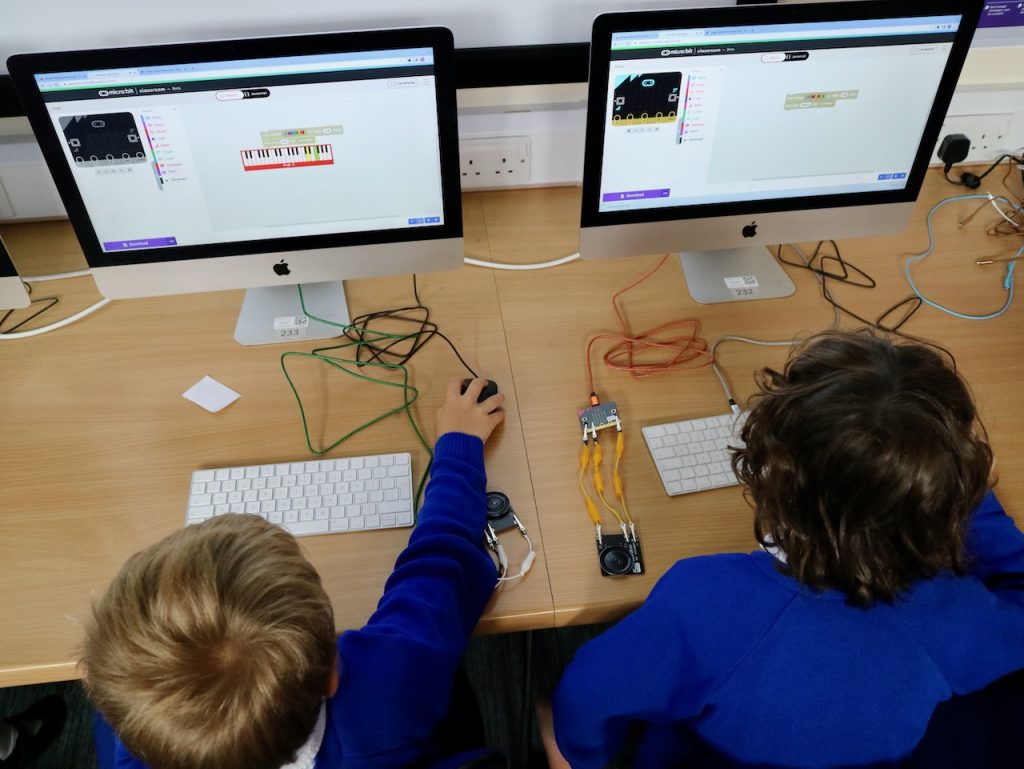
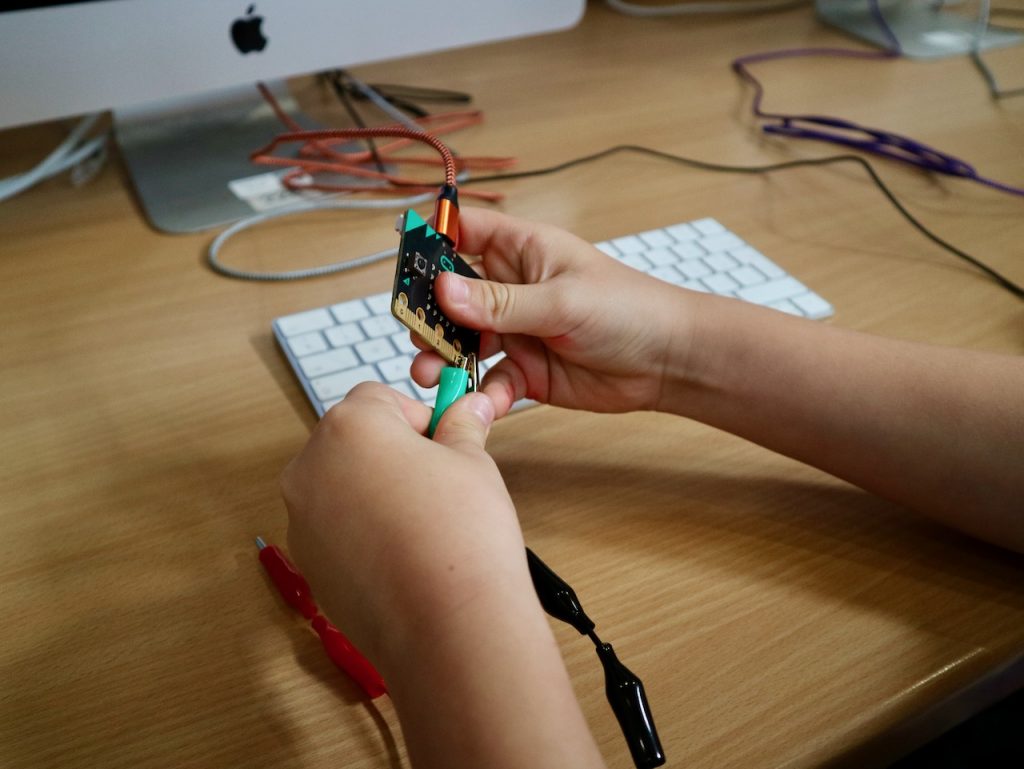
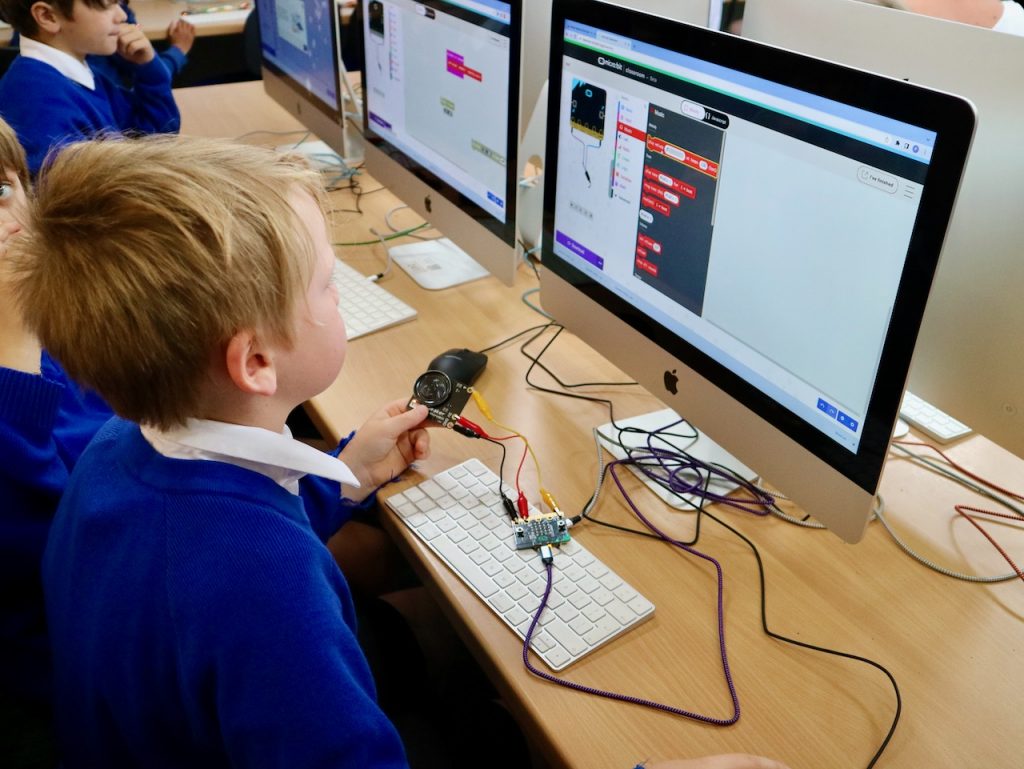
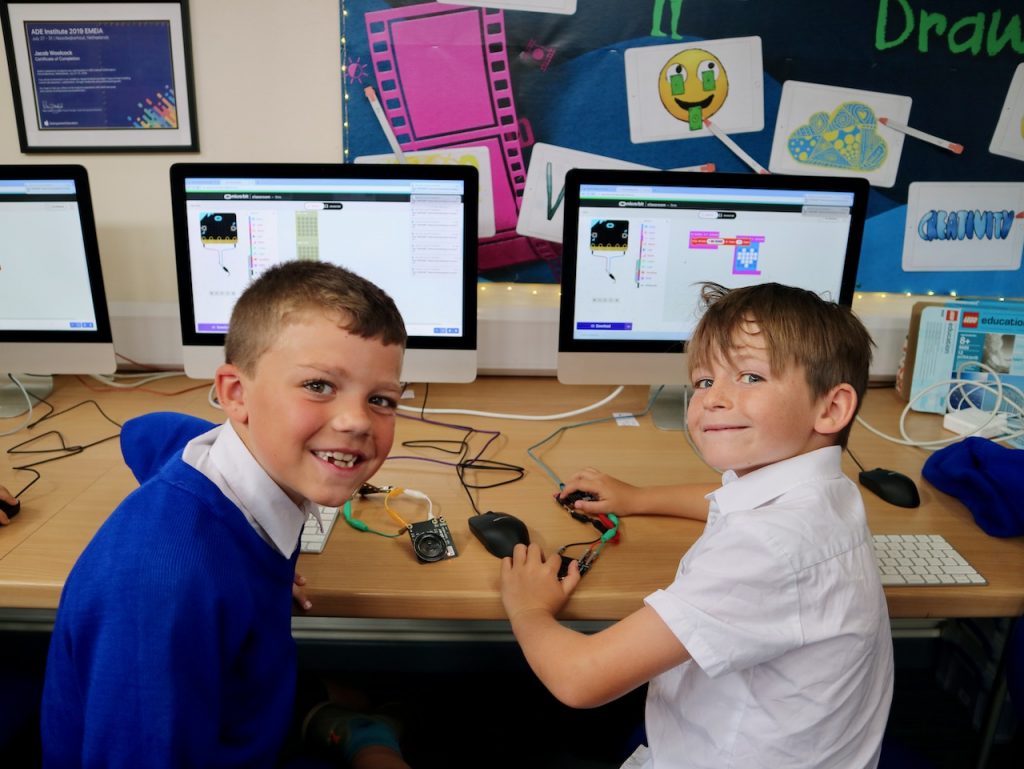
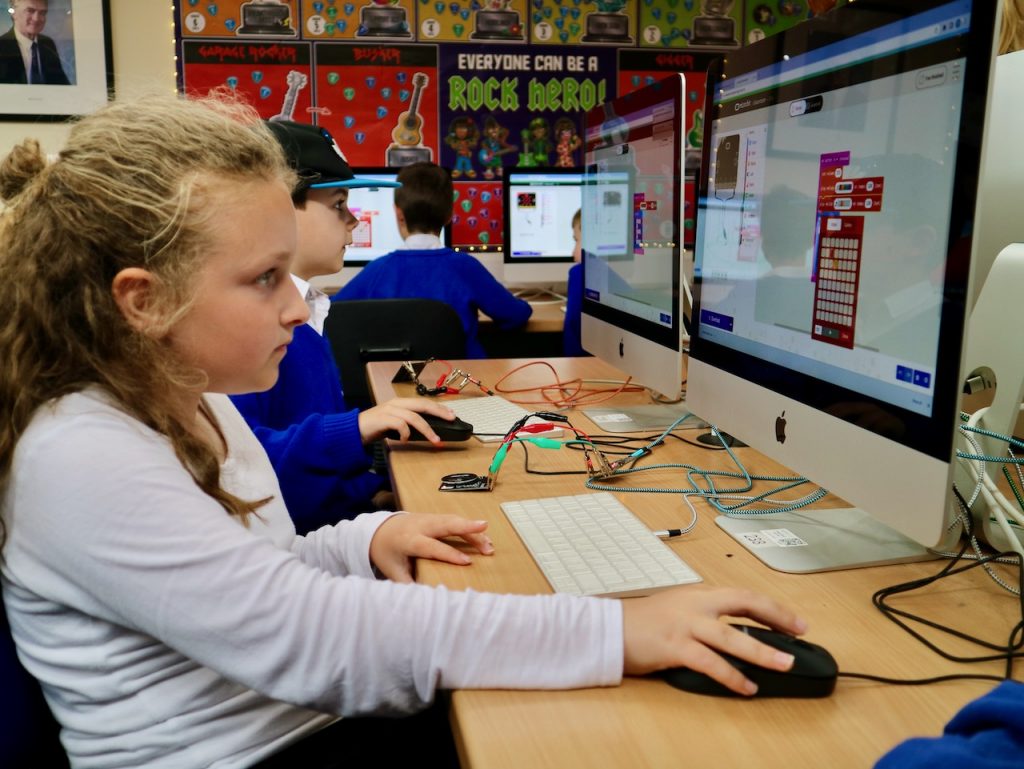
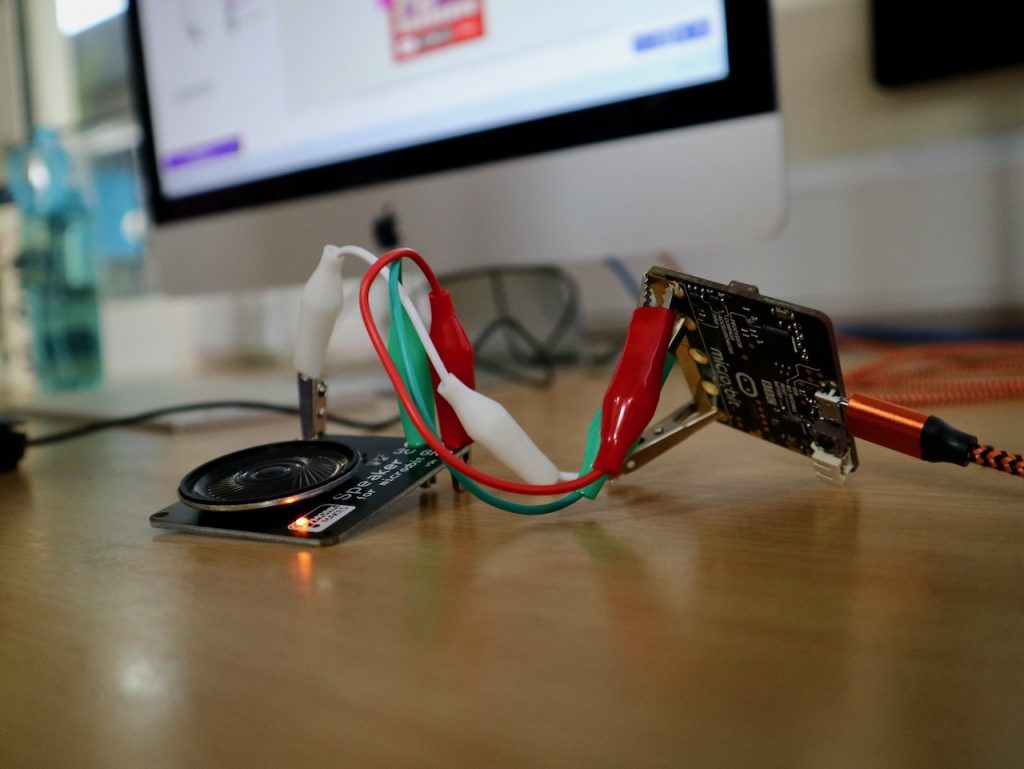
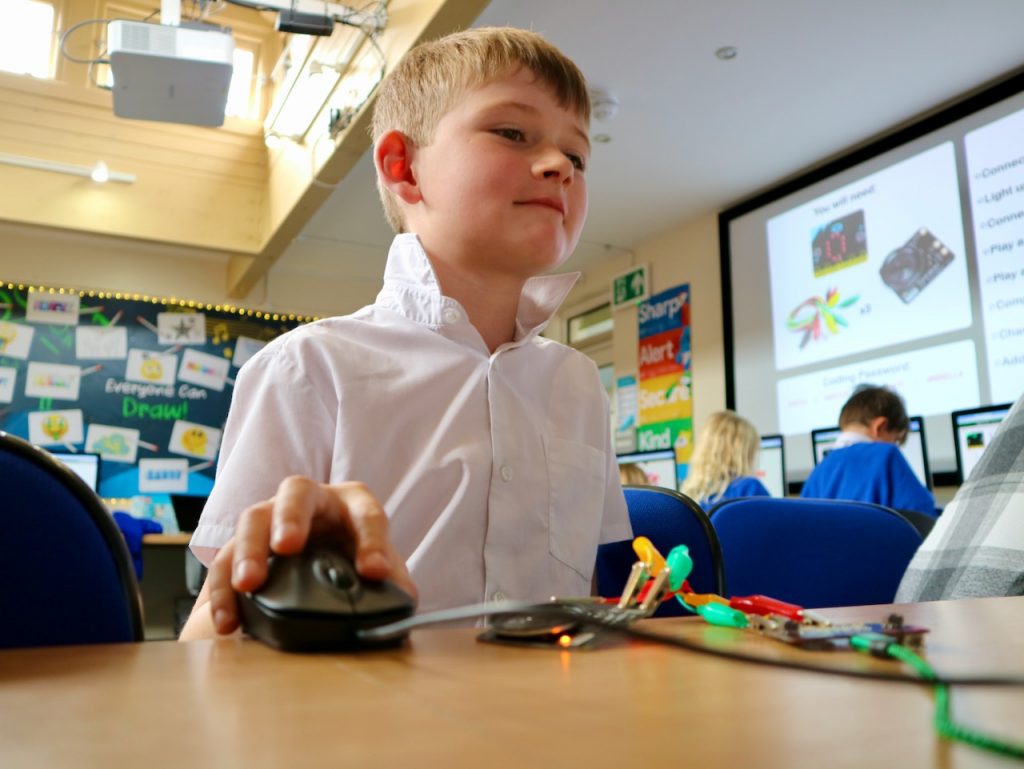
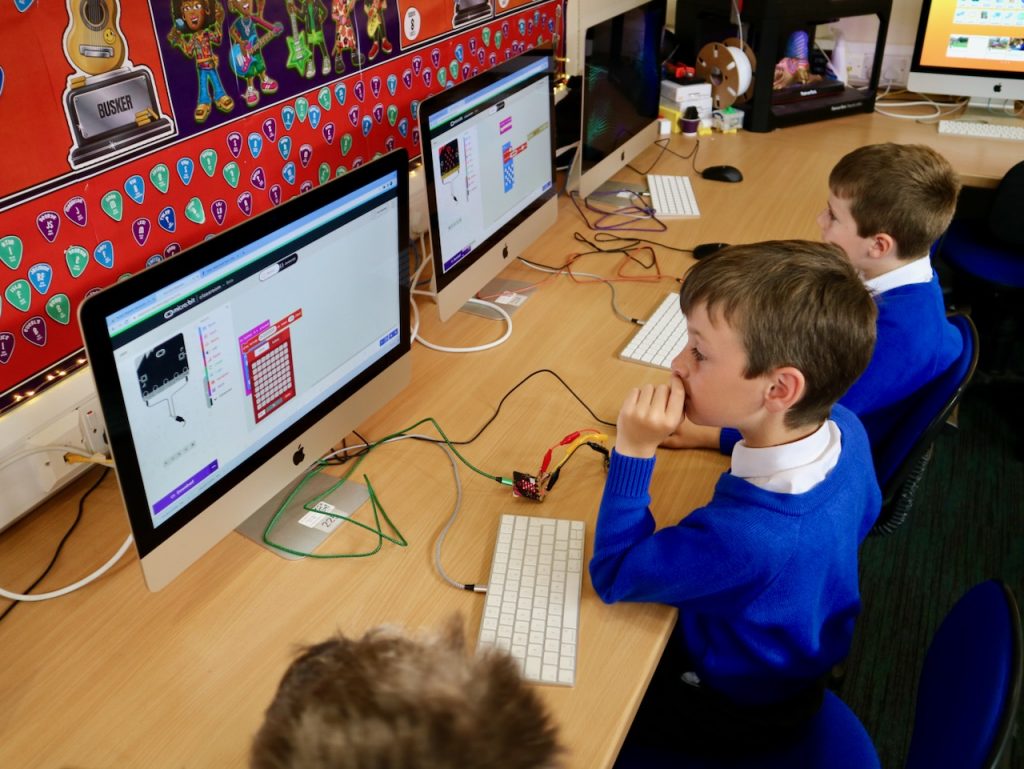
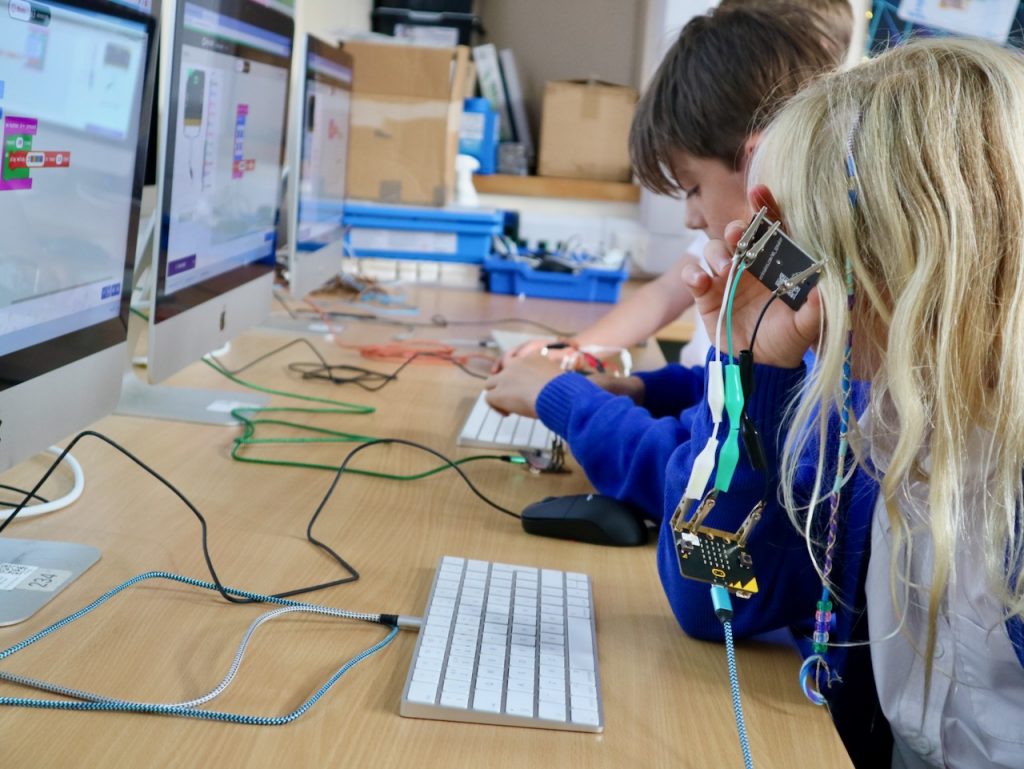
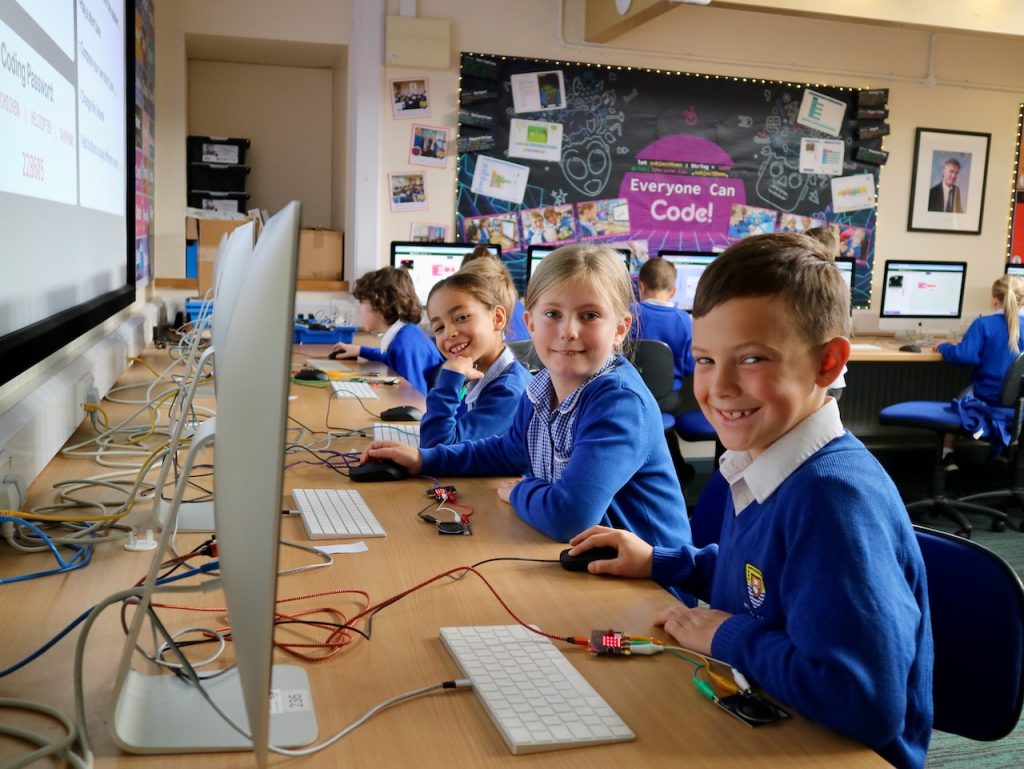
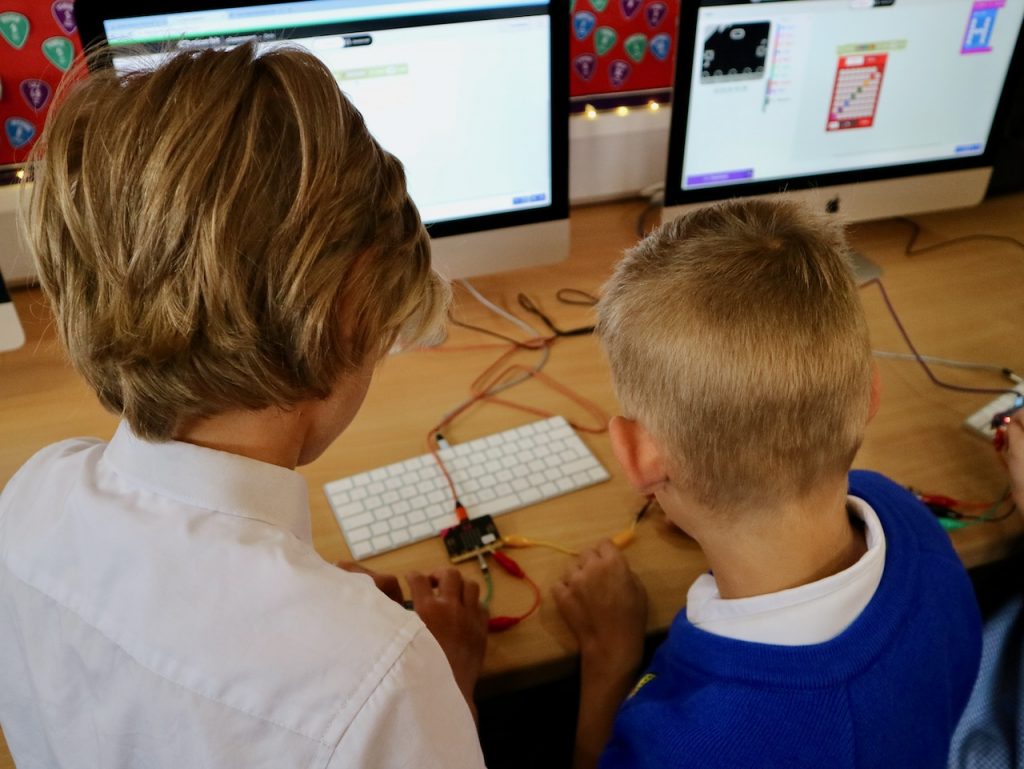
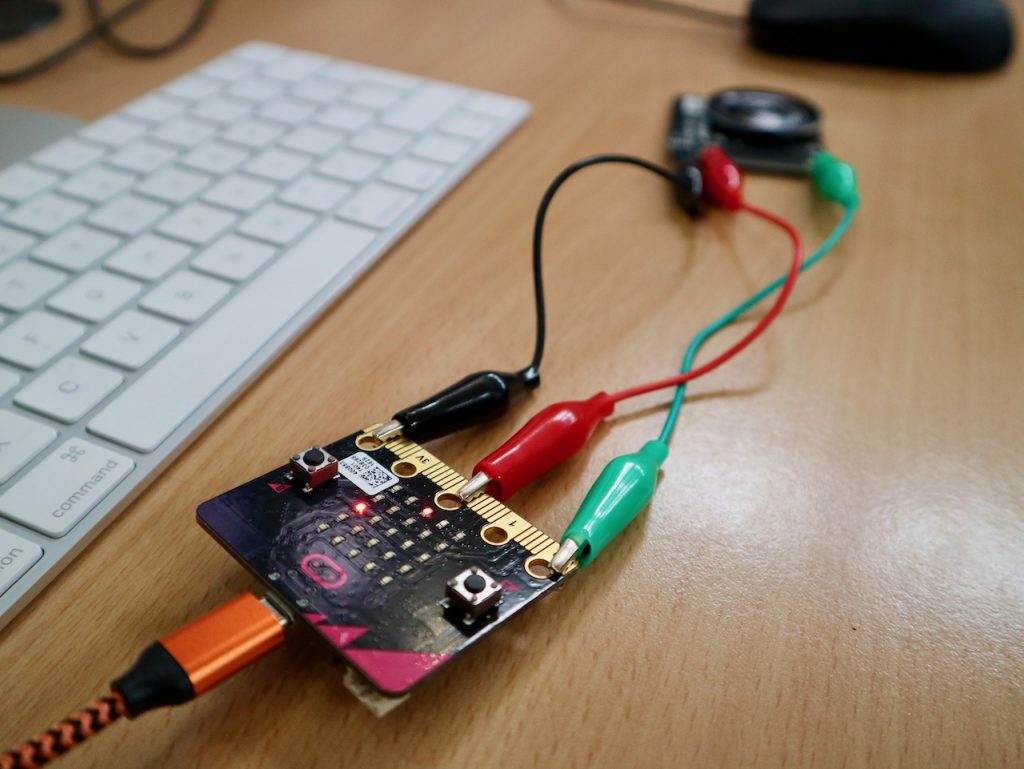
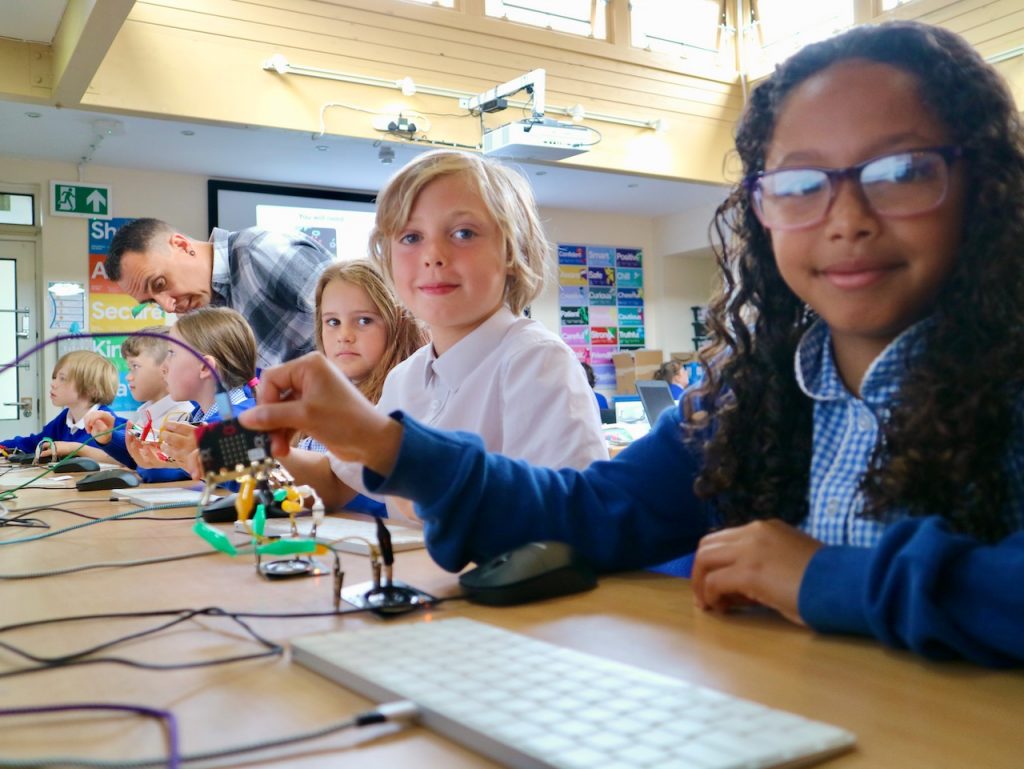
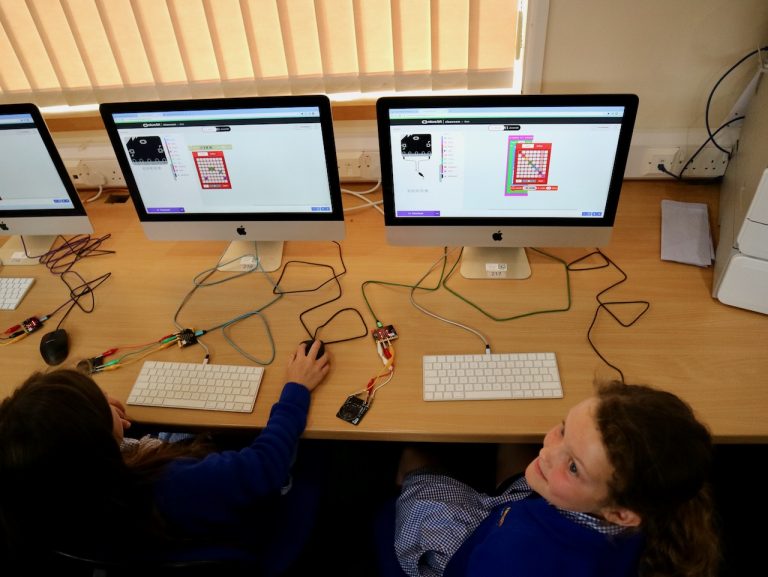
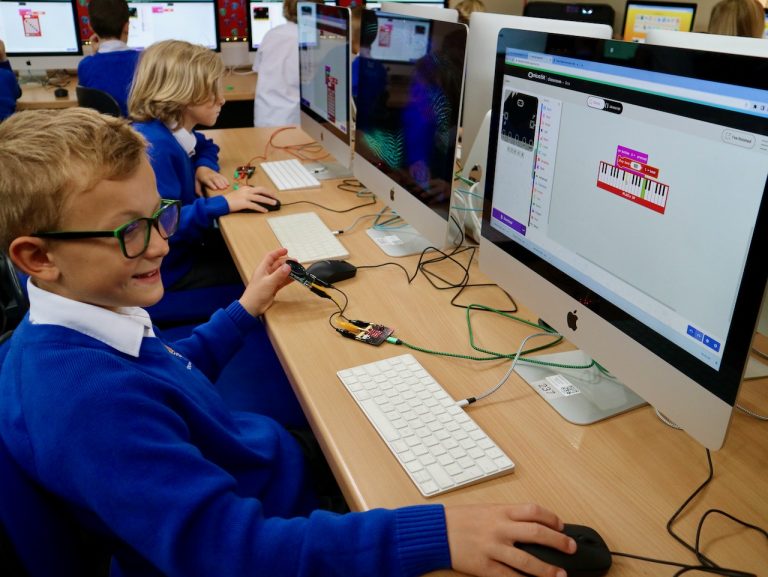
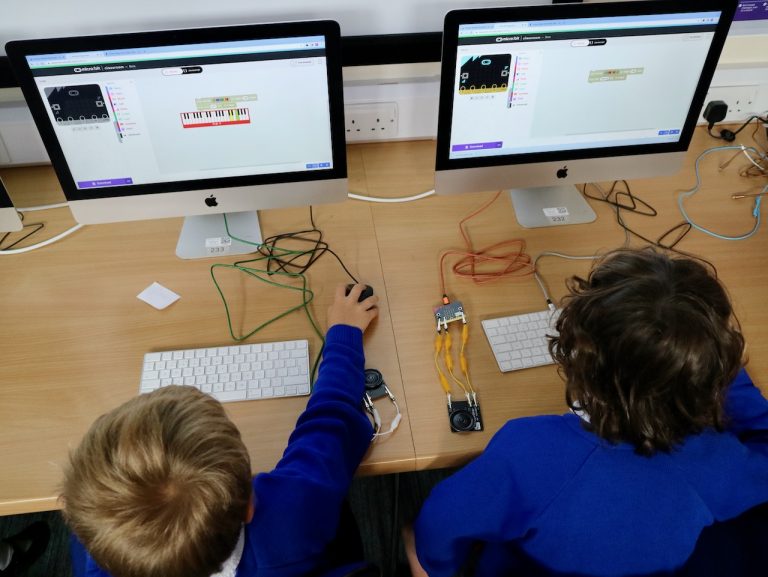
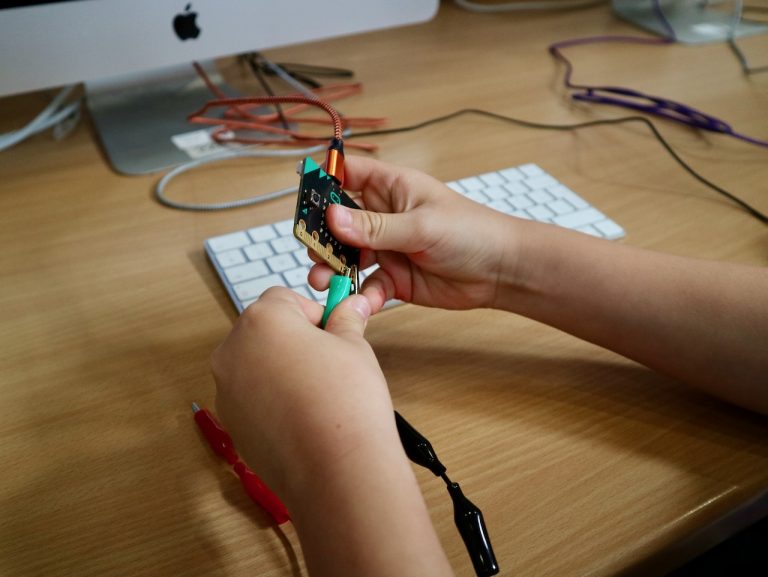
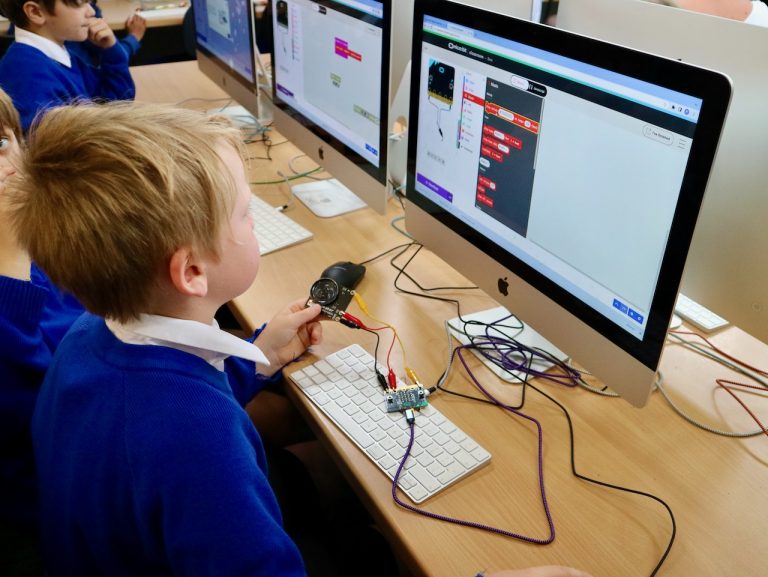
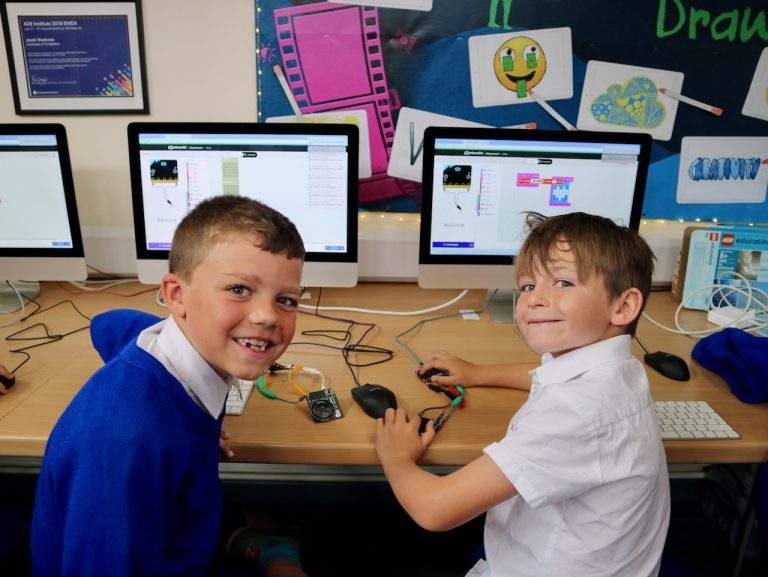
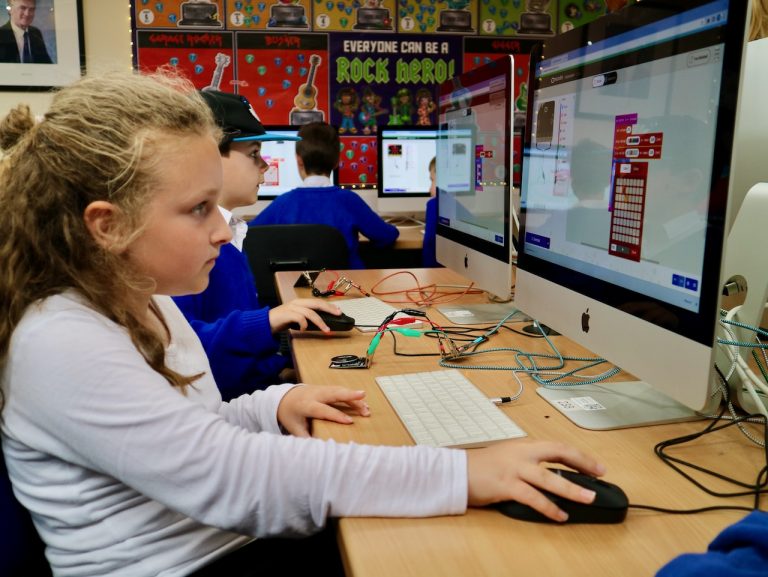
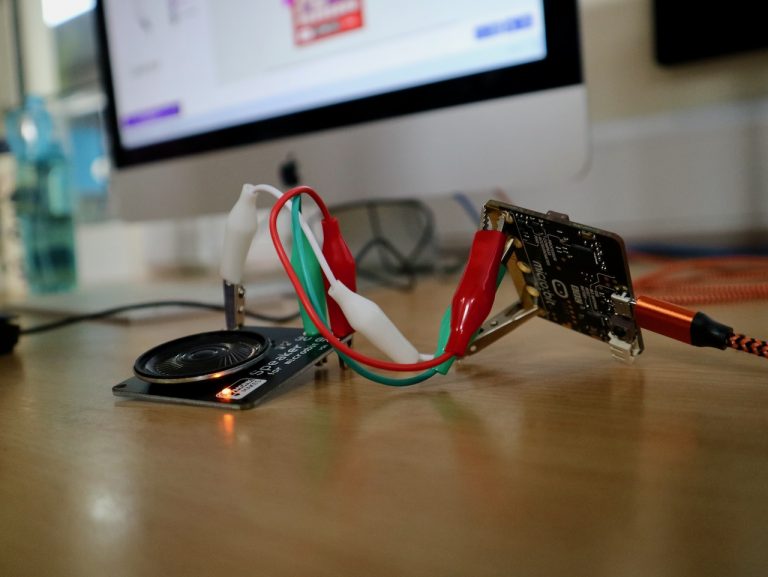
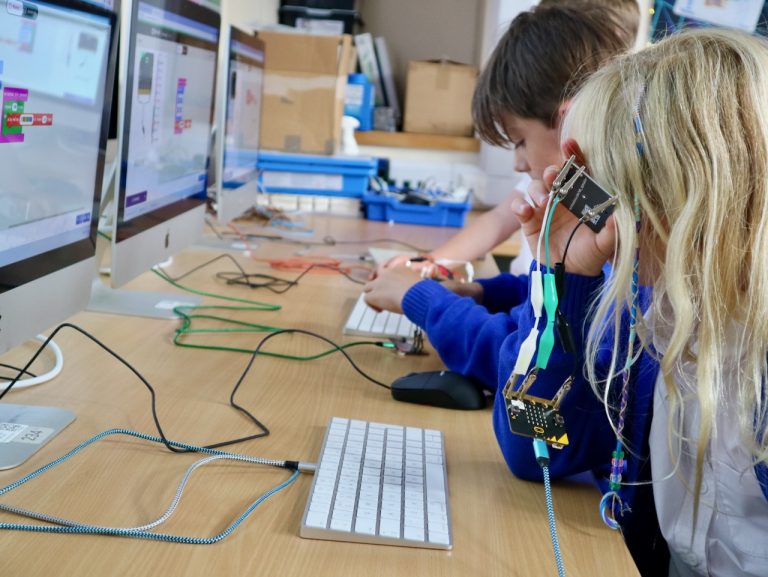
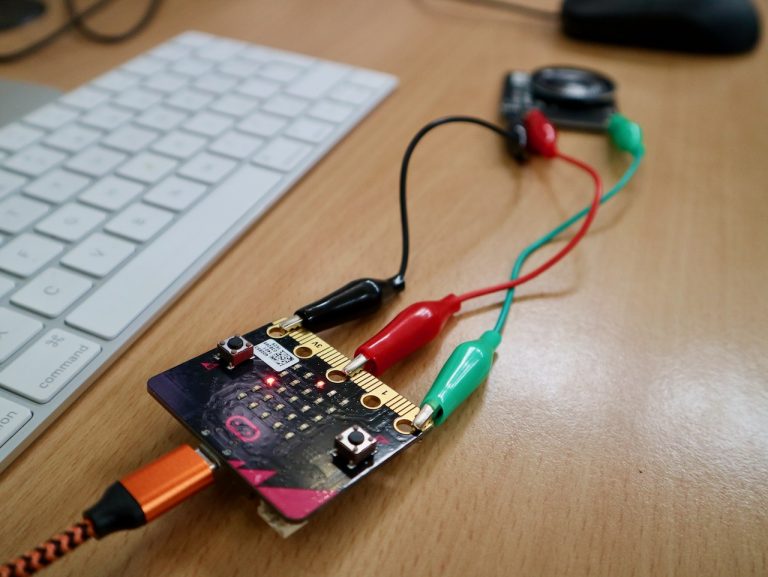
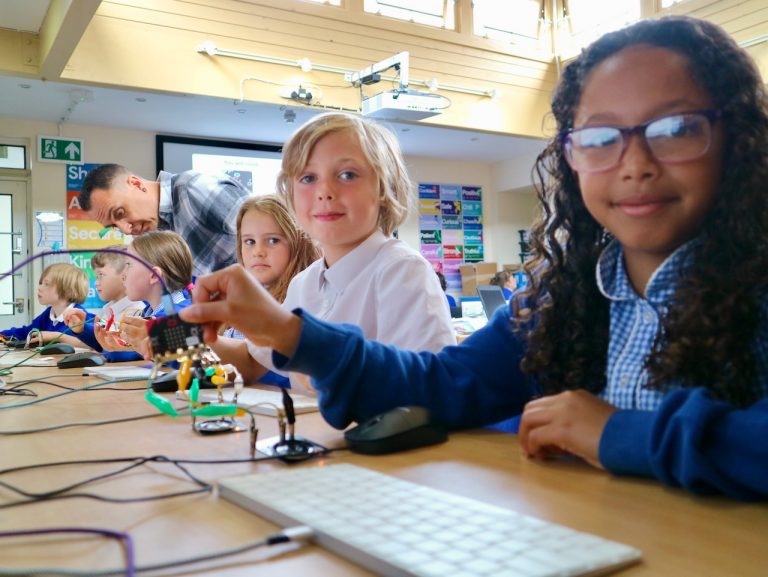
By using three crocodile clips and some nifty external speaker modules, our Year 3s have been creating music!  From individual notes to complete melodies, the Mac Suite was the place to be on Monday morning if you wanted some music. 

(I must stress the word ‘music’ is used loosely here – it sounded less like Taylor Swift and more like an old fairground where the rides were breaking down and the normally happy music had started to sadly fade away into a sea of 8-bit beeps and bloops…)

As part of this activity the children embarked on some challenge based learning, where they were required to problem solve and troubleshoot both the code and the physical connection between the devices to get their music working.  This proved to be a lot of fun and certainly got their brains thinking!

We love using Computing in hands-on ways at Penpol – why should we be confined to a screen when we can have colour changing lights and music coming out of our Micro:Bits?!  

I dare say Year 3 would certainly agree.
Here are some more photos from our 'Musical Micro:Bits' lesson: