Unfortunately we are having trouble with our phone system this morning. If you need to reach the school please use our backup number of 01736 756915. Thank you.

  • Contact Us

Headteacher
Chris Coyle-Chislett

Email the Office
secretary@penpol.cornwall.sch.uk

Telephone Number
01736 753472

Our Address
2 St George’s Road, Hayle,
Cornwall, TR27 4AH

“Penpol pupils are curious, creative and courageous learners. Our school community believes in authenticity as the foundation of deep-rooted learning. Through our rich and relevant curriculum, we nurture community-minded, forward-facing international citizens of the future.”

Bright Lights in Year 2: Our Christingle Celebration

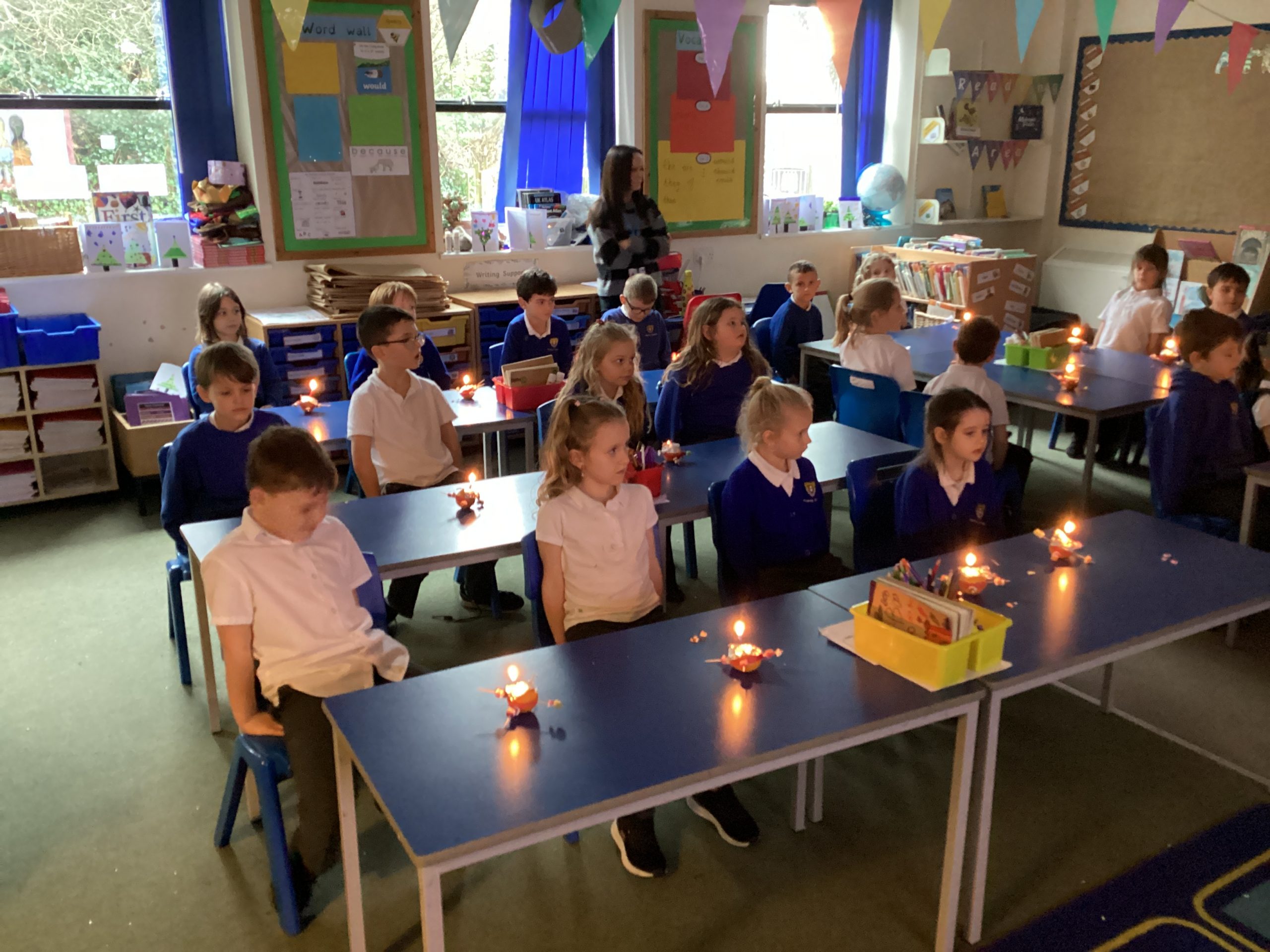
This week, Year 2 has been learning about a very special Christmas tradition – Christingle. As part of our lessons on Christian celebrations, we made our Christingle celebration a time to think about being thankful for what we have and hopeful for the future. We explored the meaning behind this beautiful tradition, which is celebrated by Christians around the world during Advent and Christmas.

The word Christingle comes from two words: “Christ,” who Christians believe is the light of the world, and “tingle,” which refers to the orange shape used in the celebration. We learned that the orange represents the world, while the candle placed on top is a symbol of Jesus being the light that shines in the darkness, giving people hope. The red ribbon wrapped around the orange stands for the love of Jesus, which reminds Christians to be thankful and caring towards others. Some Christians believe the sticks with sweets or fruit represent the gifts we give to others at Christmas, while others believe they represent God’s creation of the four seasons.

Learning about Christingle has helped us understand the Christian message of love, peace, thankfulness, and hope, and it was a special way for Year 2 to reflect during the holiday season and the beginning of a new year.

Towering Above the Rest with Their Cereal Box Castles!

Today, Year 2 had a very special design and technology session with their KS2 Learning Buddies. The children worked together to create amazing castles using cereal boxes, glue, scissors, masking tape and plenty of imagination!

The classroom buzzed with excitement as the children buddied up to share their ideas about turrets, battlements and drawbridges. Then, putting their ideas into action, cutting shapes, attaching pieces, and making sure their structures stood tall. Some groups even added flags, battlements, and secret doors.

Throughout the session, the children showed fantastic resilience, one of Penpol School’s core values. When towers toppled or glue didn’t stick, they didn’t give up—instead, they tried new methods, adapted their ideas, and kept going with smiles on their faces. They also demonstrated wonderful creativity, turning simple cereal boxes into colourful castles full of character and clever design features.

Everyone worked carefully and cooperatively, showing brilliant teamwork. The KS2 buddies supported the younger pupils with tricky parts while encouraging them to make their own choices. Year 2 pupils said they enjoyed having “big helpers” and learning new building skills. After saying duw genes/goodbye to their buddies, Year 2 continued their projects by carefully painting and decorating their castles to bring their designs to life.

Design. Build. Burn: 1666 Re-Ignited as Year 1 Children Relive the Great Fire of London!

DT Meets 1666: When Our Creations Faced the Flames!

The excitement was sky-high as the Year 1 children gathered to watch their carefully crafted Tudor houses go up in flames, recreating the dramatic moment the Great Fire of London began. As the sparks flickered and the smoke curled upwards, the children were completely immersed—gasps, wide eyes, and fascinated chatter filled the playground.

Seeing their designs burn just like the wooden homes of 1666 helped bring history to life in a vivid, memorable way, turning their DT project into a real-life learning experience they won’t soon forget.

How Clean Are Our Hands? The Bread Knows the Truth!

How Clean Are Our Hands?

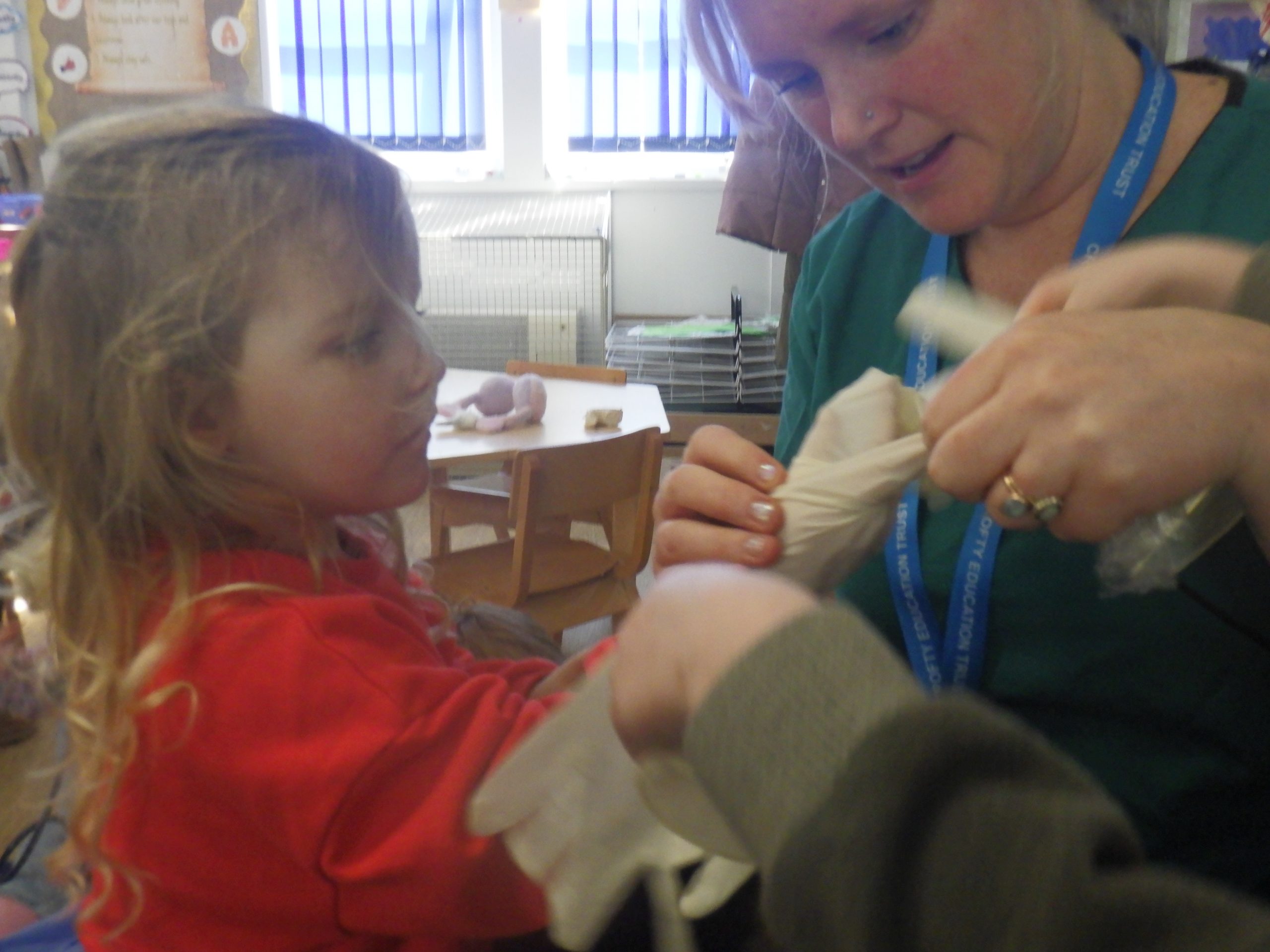
In September, our young Year 1 scientists carried out a very exciting (and slightly yucky!) experiment to find out how clean our hands really are. We used slices of bread to see what germs might be hiding on our skin — even when our hands look clean.

We set up several controls to test different surfaces and cleaning methods:

  • Soap and water: hands washed properly

  • Hand sanitiser: hands cleaned with sanitiser

  • Pencil: handled as an example of a shared object

  • Laptop: touched to represent technology we use every day

  • Carpet: touched to see what germs might stick from the floor

Each slice of bread was carefully handled according to its control, then sealed in a labelled bag. At first, not much seemed to be happening, so we had to be patient and let the mould grow for a little while.

After a few weeks, the changes became clear! Some slices quickly developed mould, while others stayed mostly clear. The children noticed patterns and discussed how washing hands properly or using sanitiser can reduce germs, and how everyday objects like pencils, laptops, or even carpet can carry germs we can’t see.

This fun, slightly icky experiment showed us that germs are everywhere — but good hygiene really does make a difference!

Our Scientists Pose with the Bread That Proved Just How Sneaky Germs Can Be!

The Transparency Trials: What Materials Let Light Pass?

The Light Detectives: Transparent, Translucent, or Opaque?

This week, we explored transparent, translucent, and opaque materials by becoming Light Detectives!

Our first mission was to go on a hunt around the school. We quickly found the reception doors. “Can you see us?” some of us asked.
Yes, you can!
We noticed that the glass was completely clear. One child explained, “The glass is transparent because you can see through it and it is clear,” showing a brilliant understanding of what transparent means.

Next, we played “Knock, knock — who’s at the door?”
We could hear someone on the other side, but we couldn’t see them at all. That told us something important about this material.
“The wood door is opaque as it doesn’t let the light through,” another child concluded confidently.

Finally, we all went back to class and tested out another material. Can you guess what the mystery object was? The children were excited to experiment once again—holding it up to the light, peeking through it, and comparing it to what they had already learnt. They discovered that you can see light through it, but not clearly. This helped them understand that the object was translucent.
The children had lots of fun testing, investigating, and deepening their understanding of what translucent means.

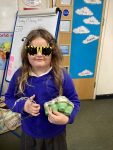
Turns out sunglasses don’t just make us look cool — they make us science-smart too!

Sand, Science, and Smiles: Year 1 Investigate How Sandcastles Stand Tall!

Sandtastic Science in Year 1!

Year 1 had a sandy, scientific adventure this week as the whole class set out to discover the perfect mixture for building sandcastles. Using just a cup and their hands, the children tested different amounts of water to see how the sand changed—from crumbly and dry to squishy and soggy.

There were gasps, giggles, and plenty of sandy fingers as the pupils explored which mixture held its shape best. They observed, compared, and talked about what happened at each step, learning while having lots of fun.

Once the final “just-right” mixture was found, the excitement grew just look at their smiles!

Everyone had a chance to pack the sand into their cup and tip it out to create their very own sandcastle. Soon the tray was filled with sturdy little towers proudly made by the whole class.

It was a hands-on, sandtastic lesson full of fun, teamwork, and lots of talk centred around predictions — and Year 1 can’t wait for their next science investigation!

Pepys from the Past: Time-Traveling Diarist Lands in Year 1!

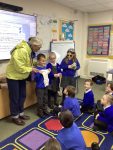
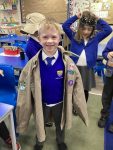
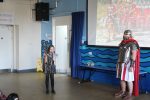
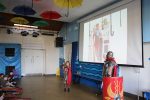
Year 1 had a very special visitor—none other than the famous 17th-century diarist, Samuel Pepys!

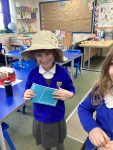
The day began with the children taking on the role of town criers, ringing bells and calling out news to the “citizens” of Year 1, experiencing the thrill of delivering announcements the old-fashioned way.

The children were enamoured by Samuel Pepys and listened carefully to everything he revealed, with some impressing him with their own knowledge of what they already knew!

Next, both classes worked in their own classrooms on activities set by Samuel Pepys himself. This included making their own diaries of key events from Pepys’ past, collecting different stickers at stations, and using VIPERS skills to extract information from different sources.

They even tried writing with quills, carefully practicing their letters and imagining they were journaling their own London adventures alongside Pepys. The children also built their own timelines of the Great Fire of London, acting out key moments and even playing a game to see if the fire would spread before they “won,” giving everyone a hands-on understanding of how quickly events could unfold in historic London.

The excitement continued as Pepys quizzed the children: “What unusual pet did I have that could belong in a zoo?” Every child had a chance to guess, and amazingly one child even gave the correct answer! The victorious guesser was rewarded by digging for some cheese, just like Samuel had buried all those years ago. Do you know what the animal was?

They also used magnifying glasses to study a picture of London from a long, long time ago, spotting details they might have missed with the naked eye.

From start to finish, it felt as if history had stepped off the pages and into the classroom. While Samuel Pepys returned to the 17th century, Year 1 will remember this unforgettable journey back in time for weeks to come.

Penpol Remembers

This week, our school and wider community came together to mark Remembrance Day, honouring those who served in wars past and present. In the days leading up to November 11th, our Year 6 pupils took part in a range of special activities across different subjects to help us understand and reflect on the importance of remembrance.

In English, children learned the famous World War I poem In Flanders Fields by John McCrae. They discussed the poem’s meaning, imagery and the emotions it evokes. Pupils were inspired to write their own thoughtful poems about the brave souls who sacrificed their lives in WWI.

Meanwhile, in Art, pupils created striking pictures of poppy fields, soldiers, and scenes from wartime, showing great care and creativity.

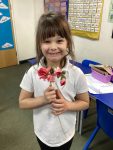
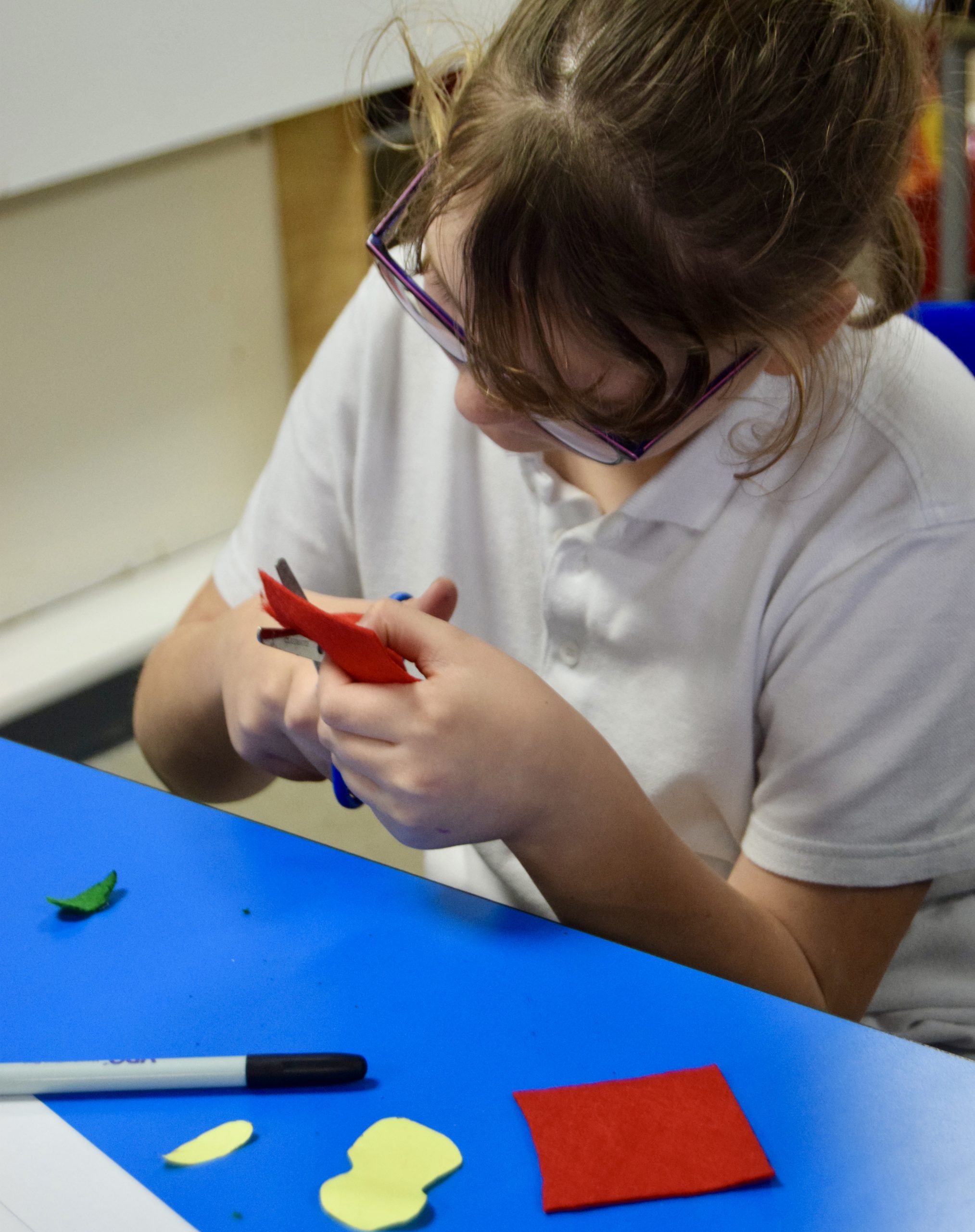
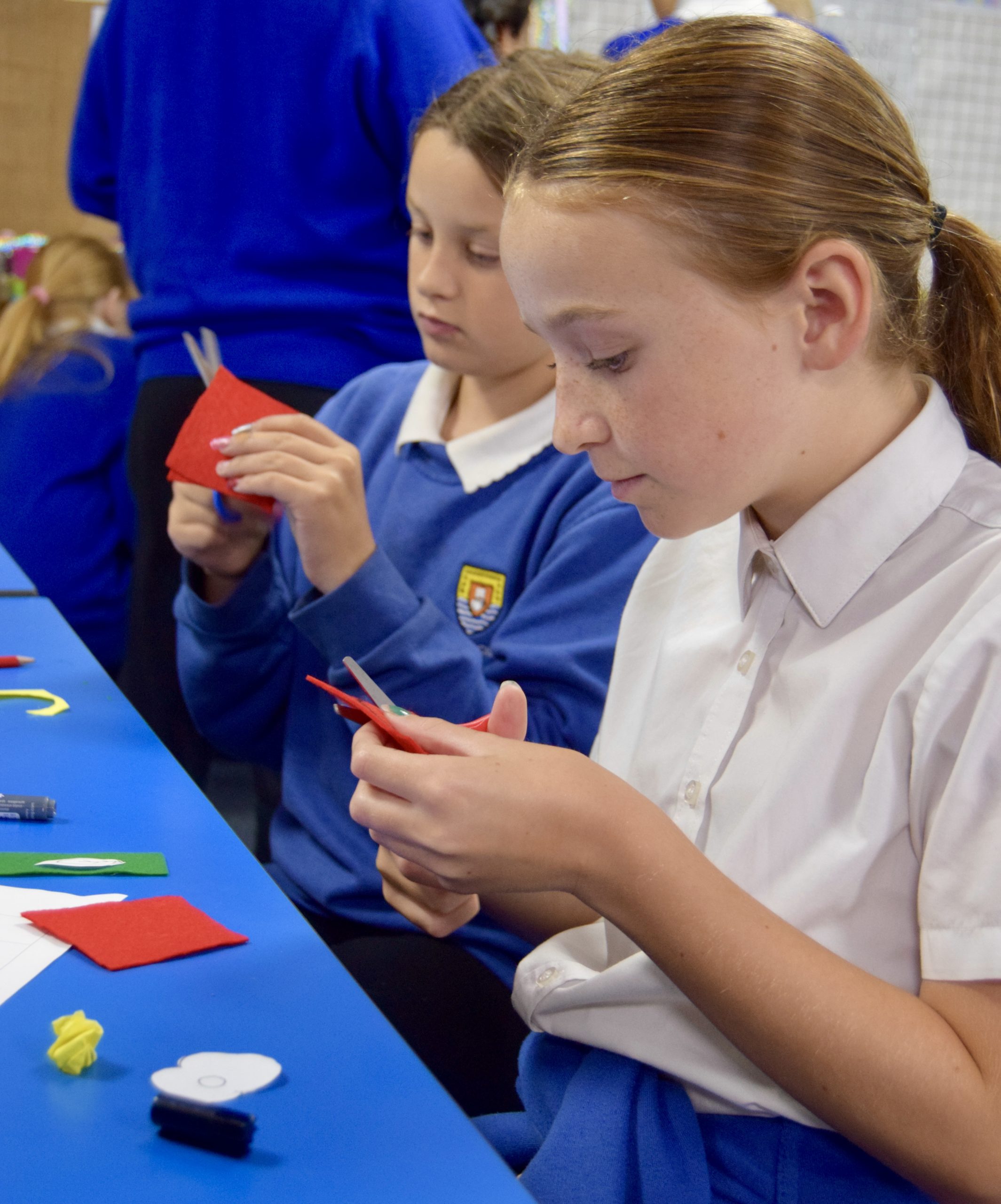
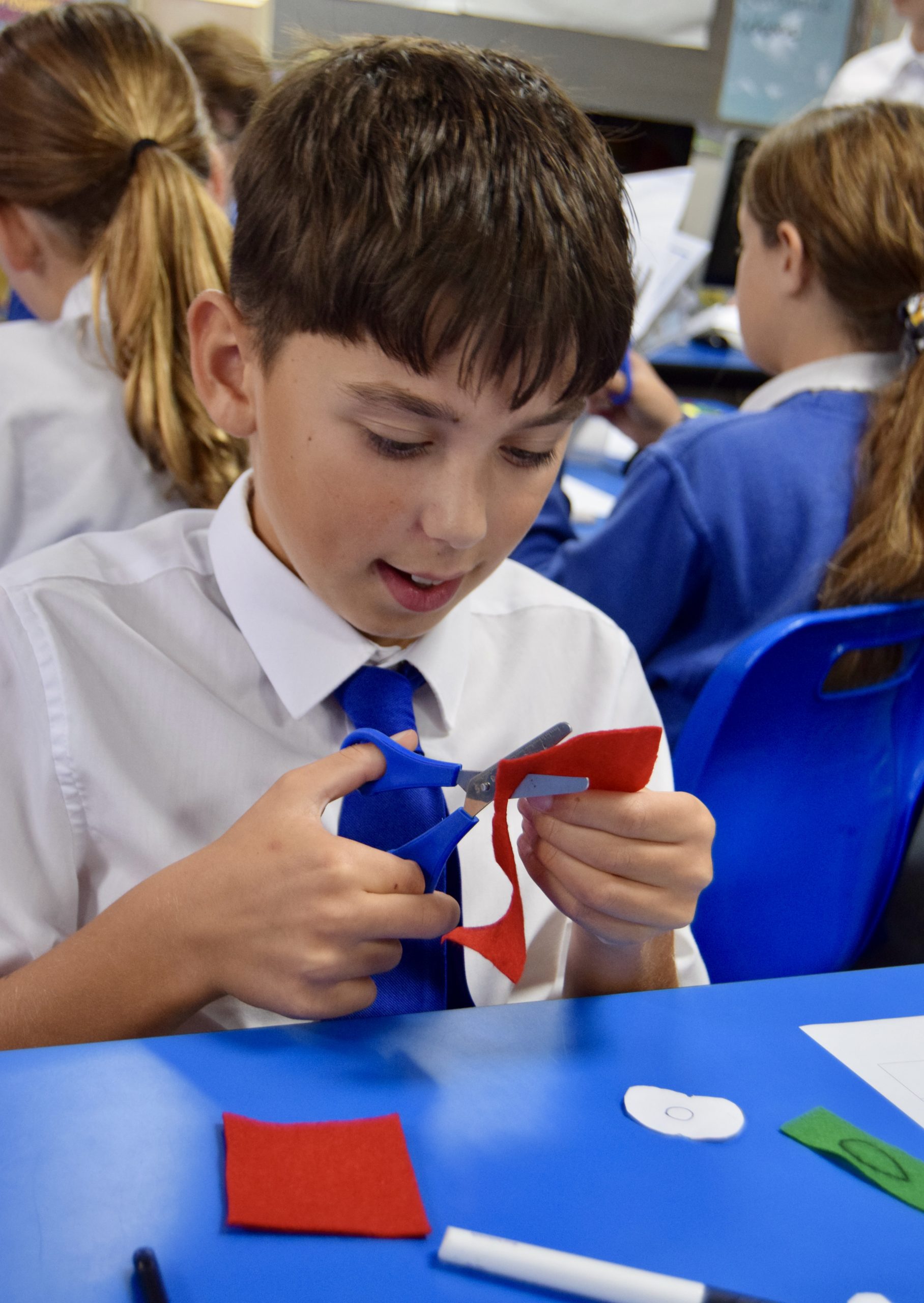
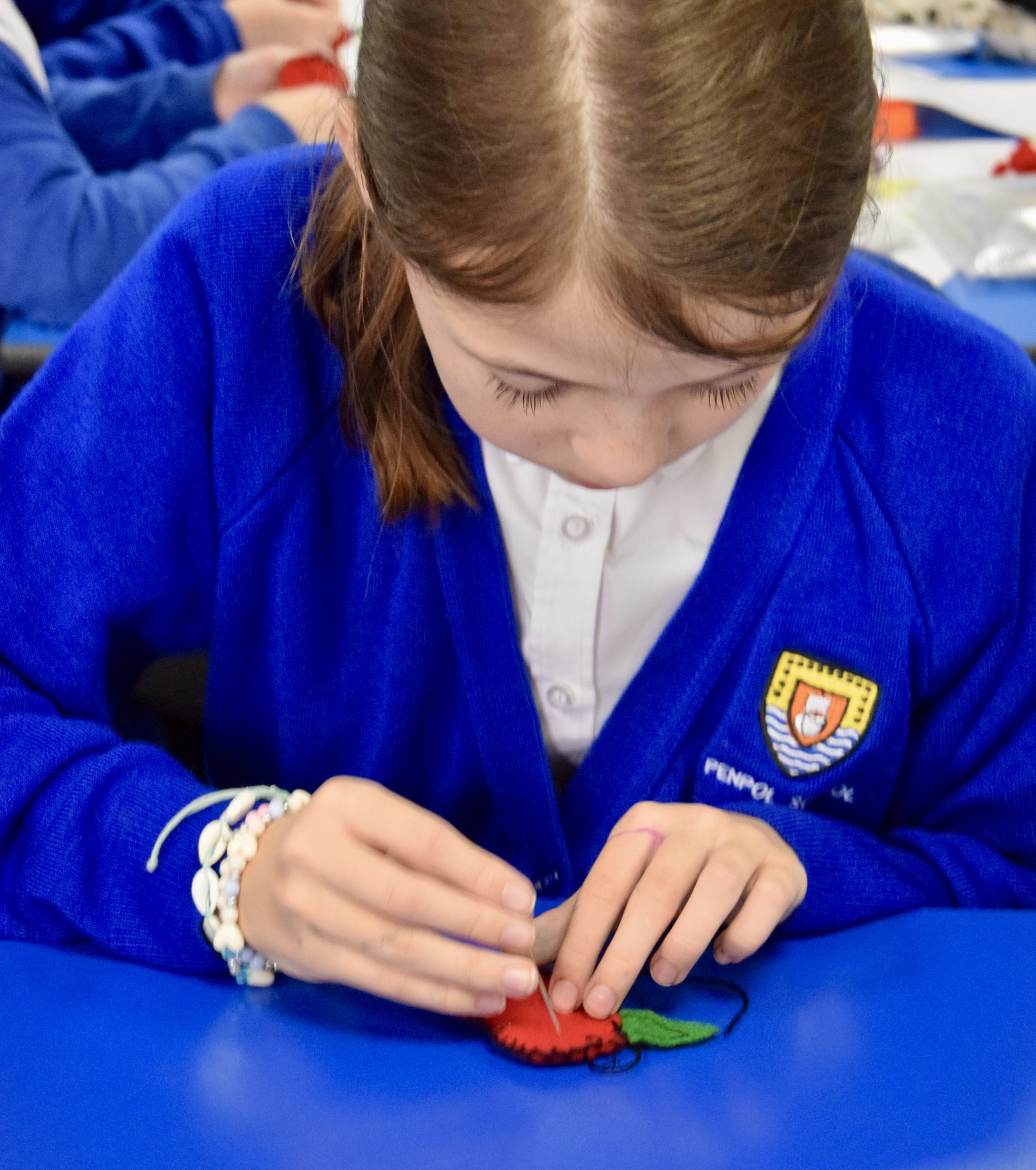
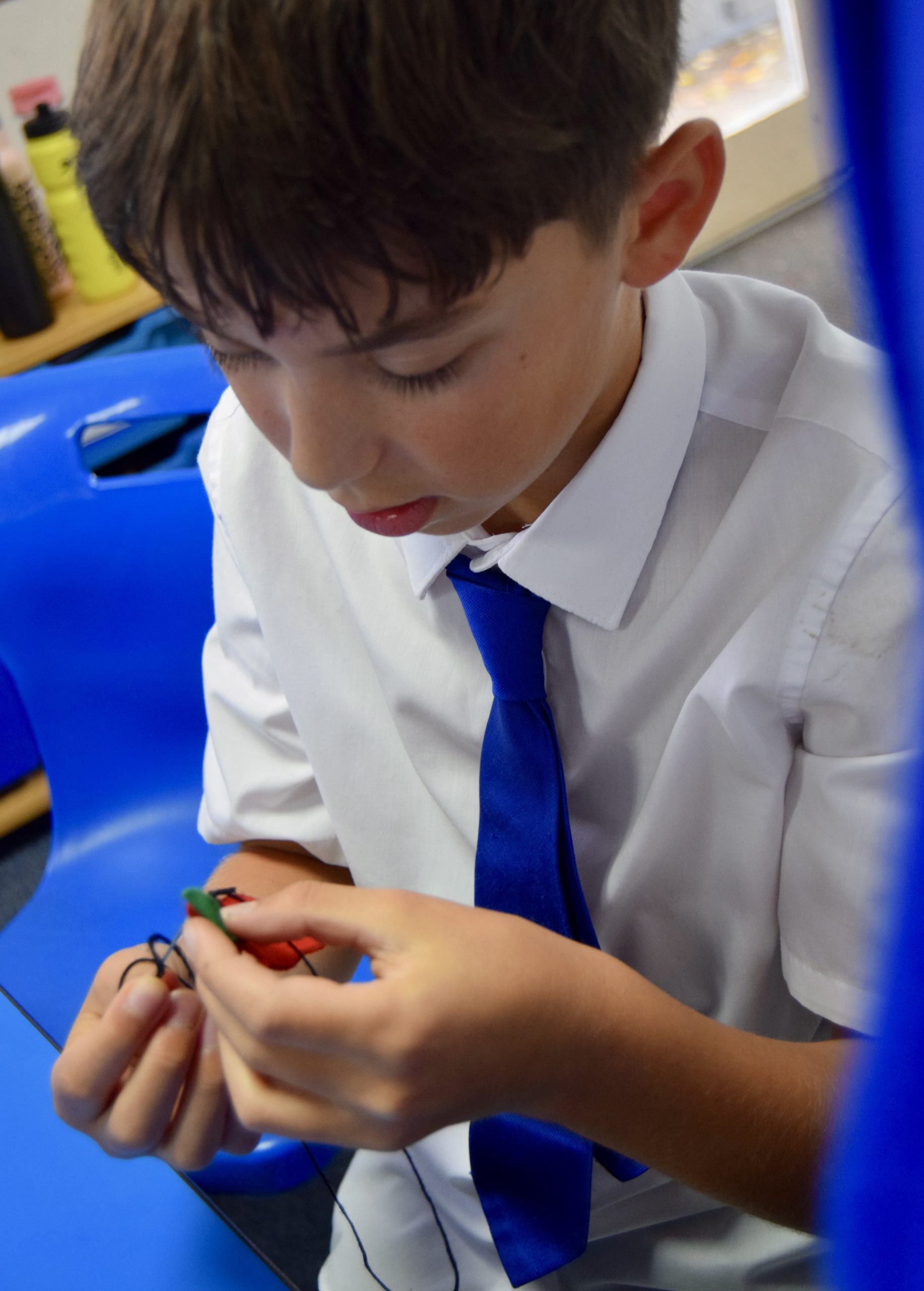
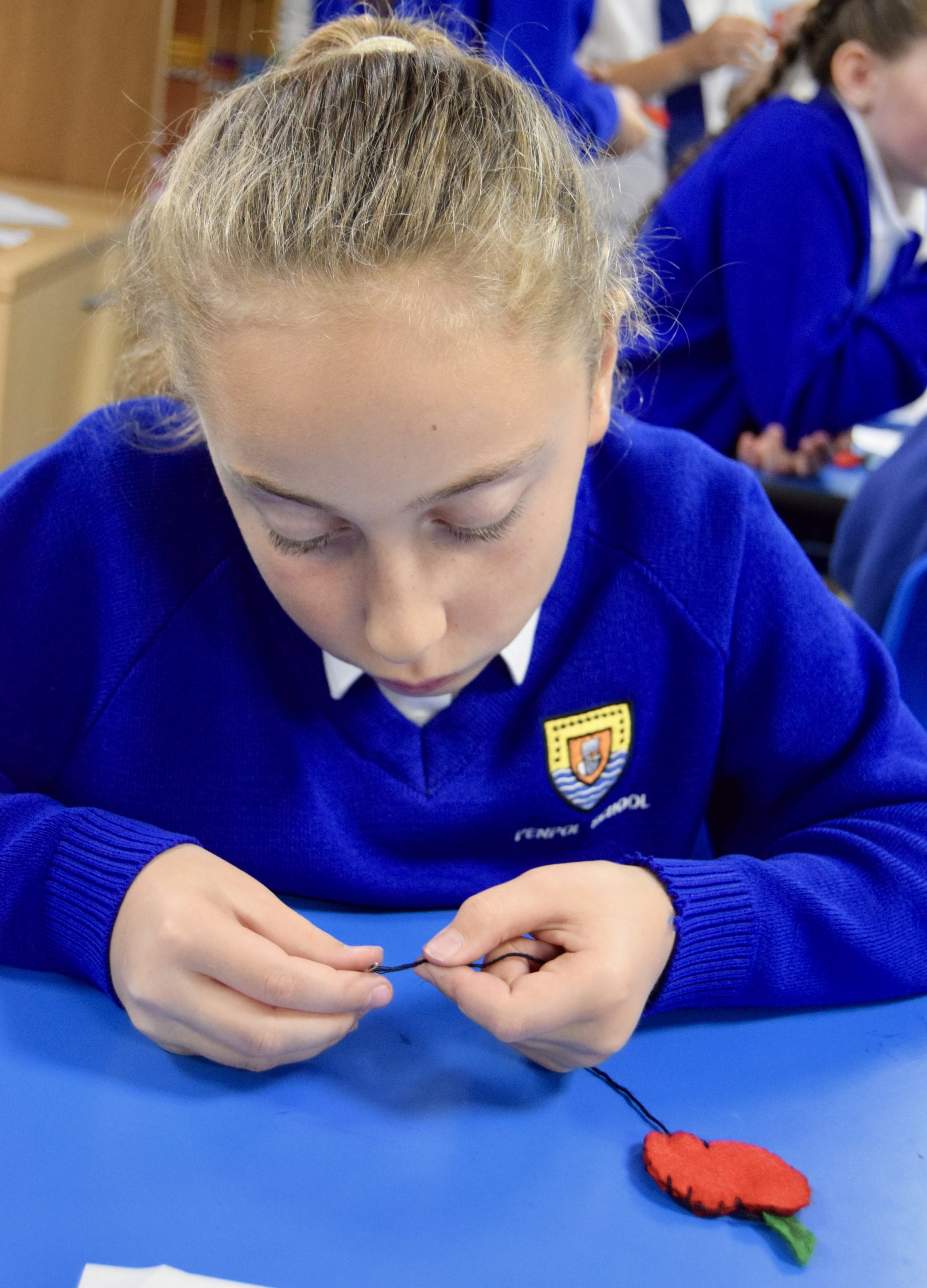
In Design and Technology, children designed and sewed their own red poppies, carefully stitching the petals and leaves to create beautiful symbols of remembrance.


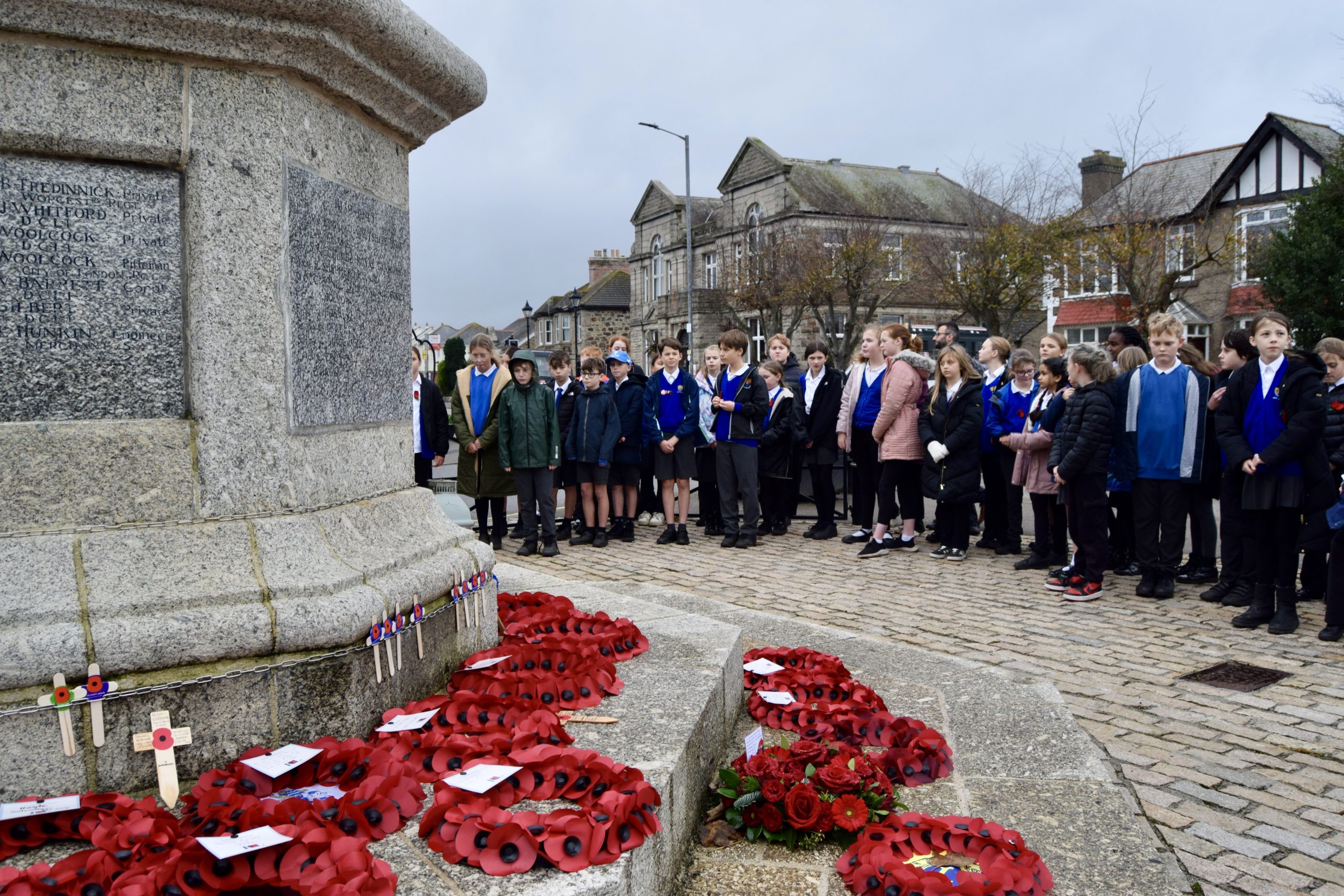
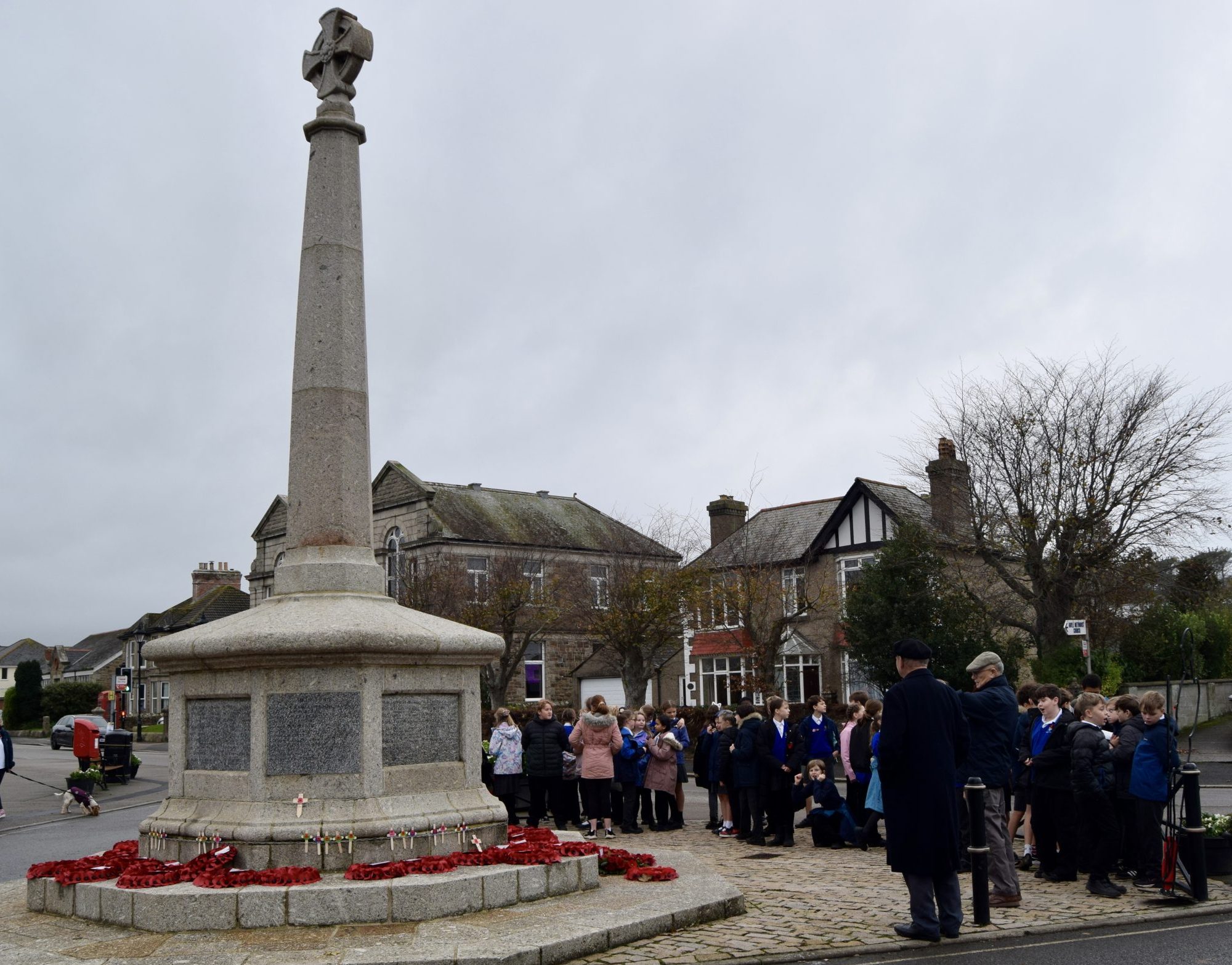
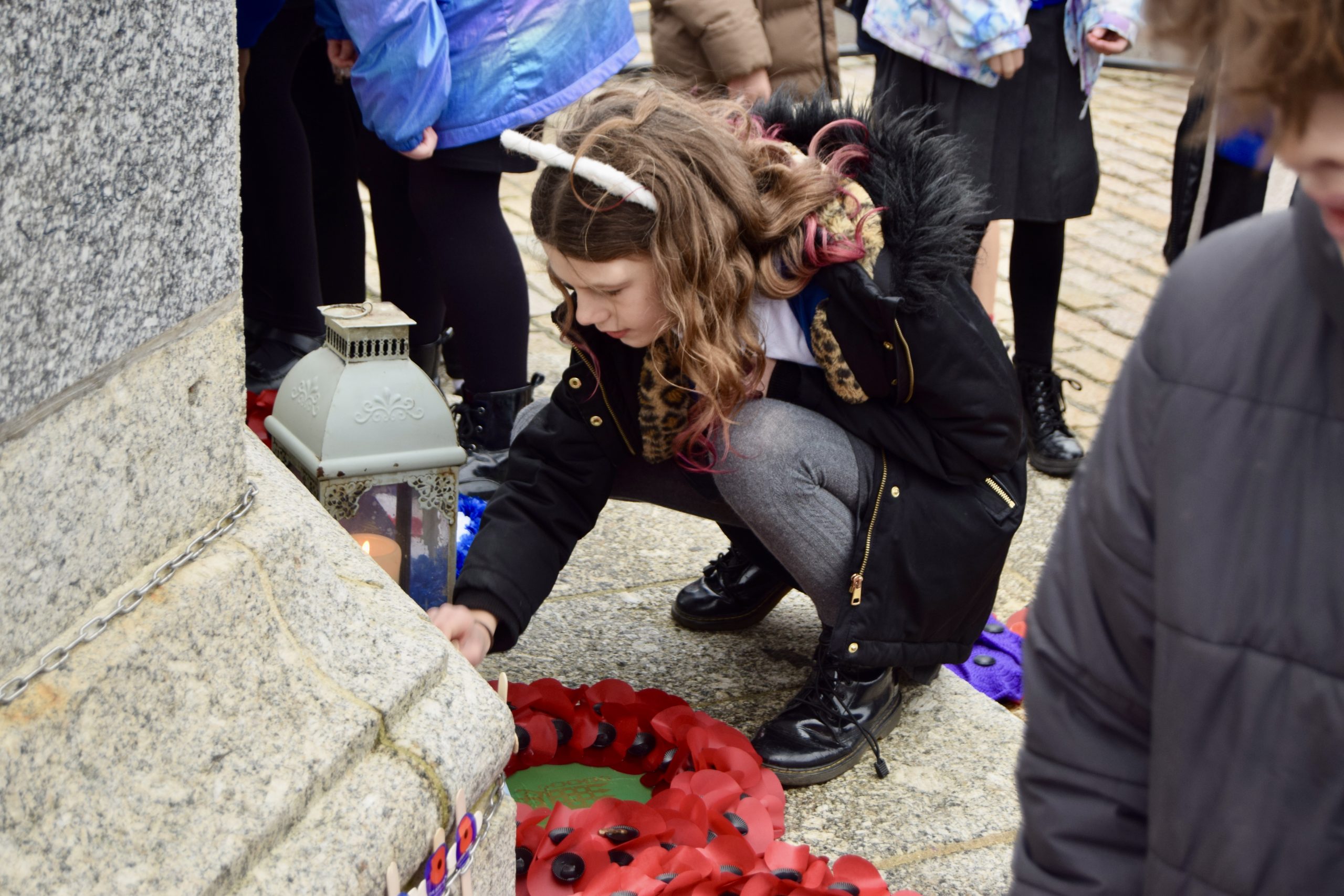
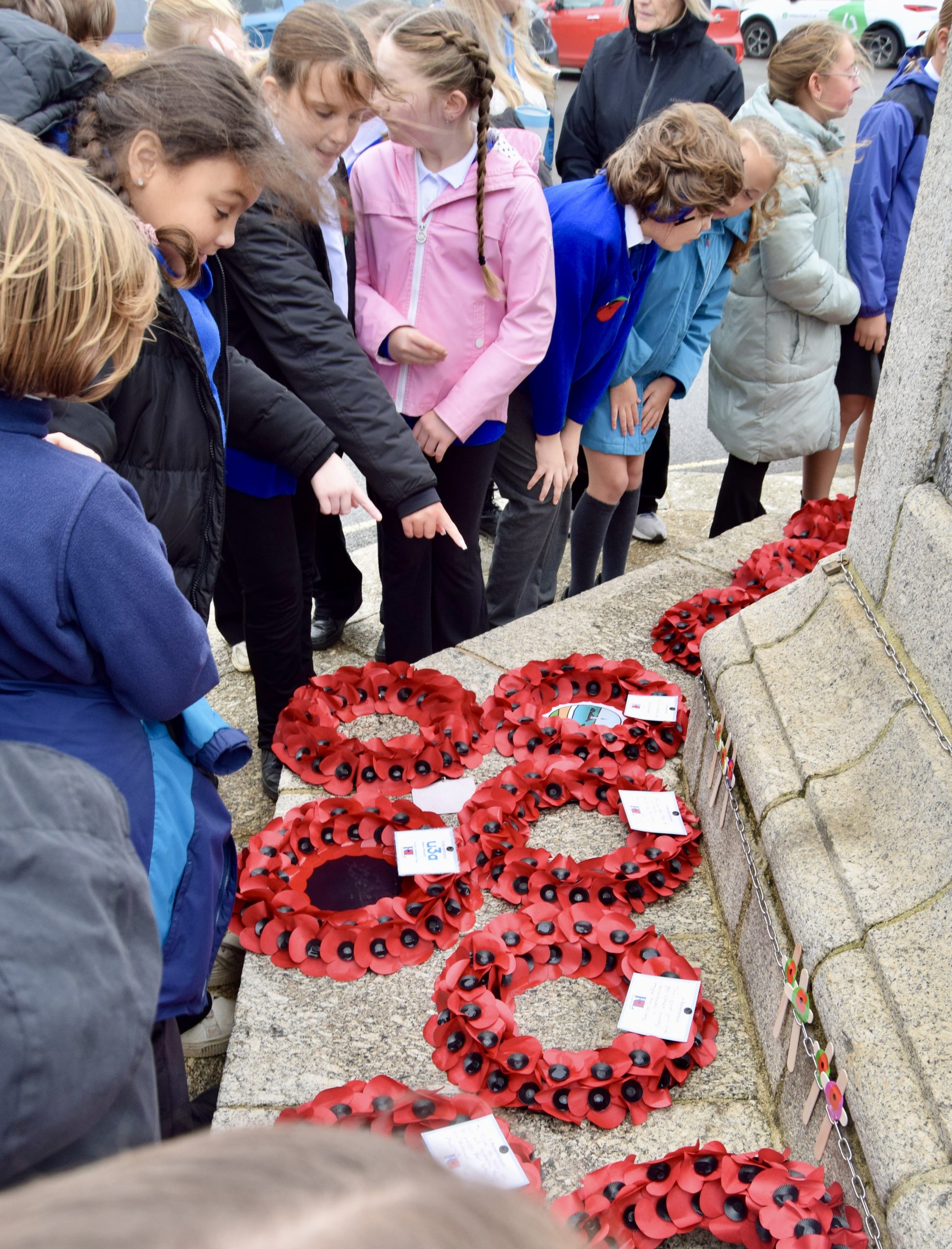
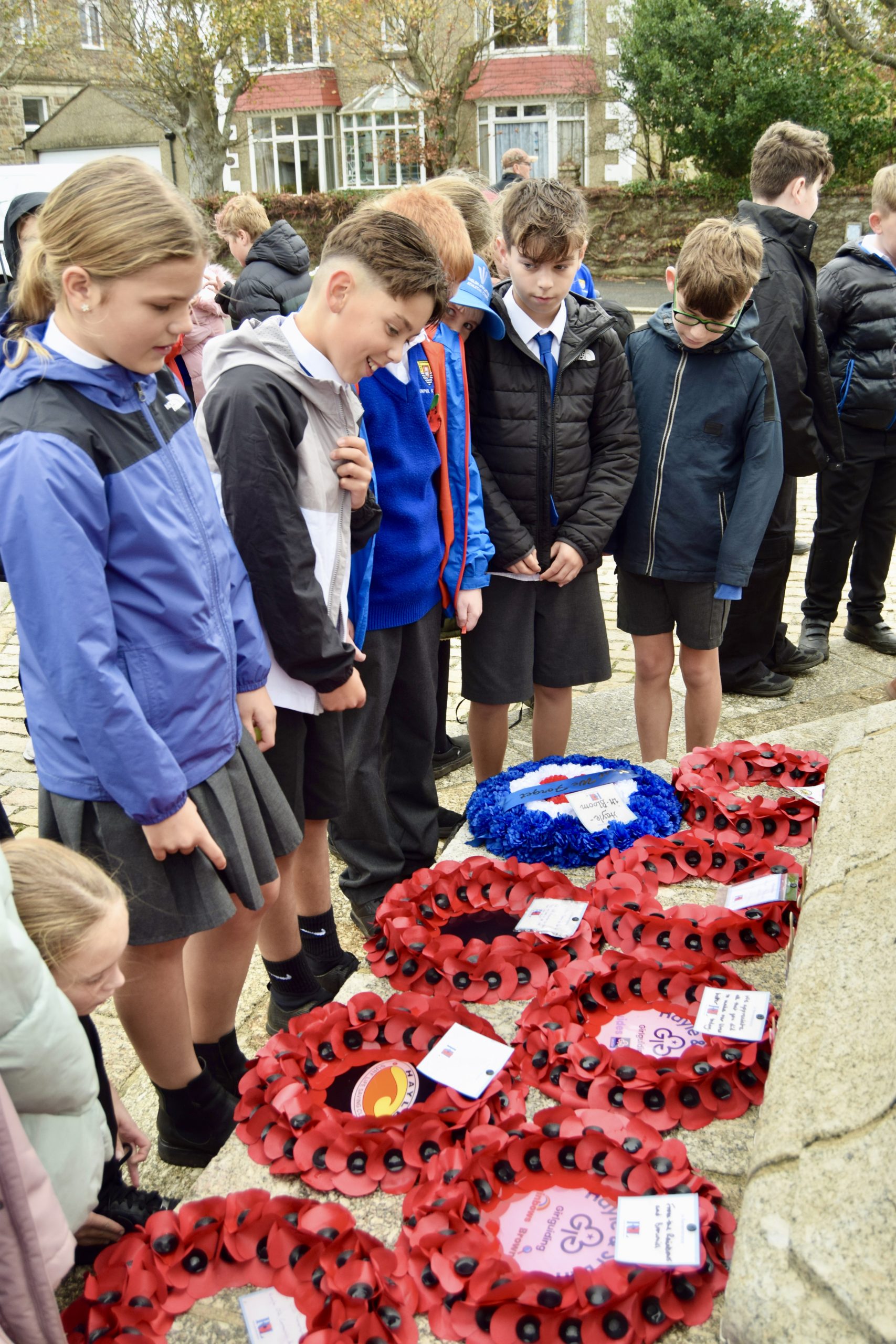
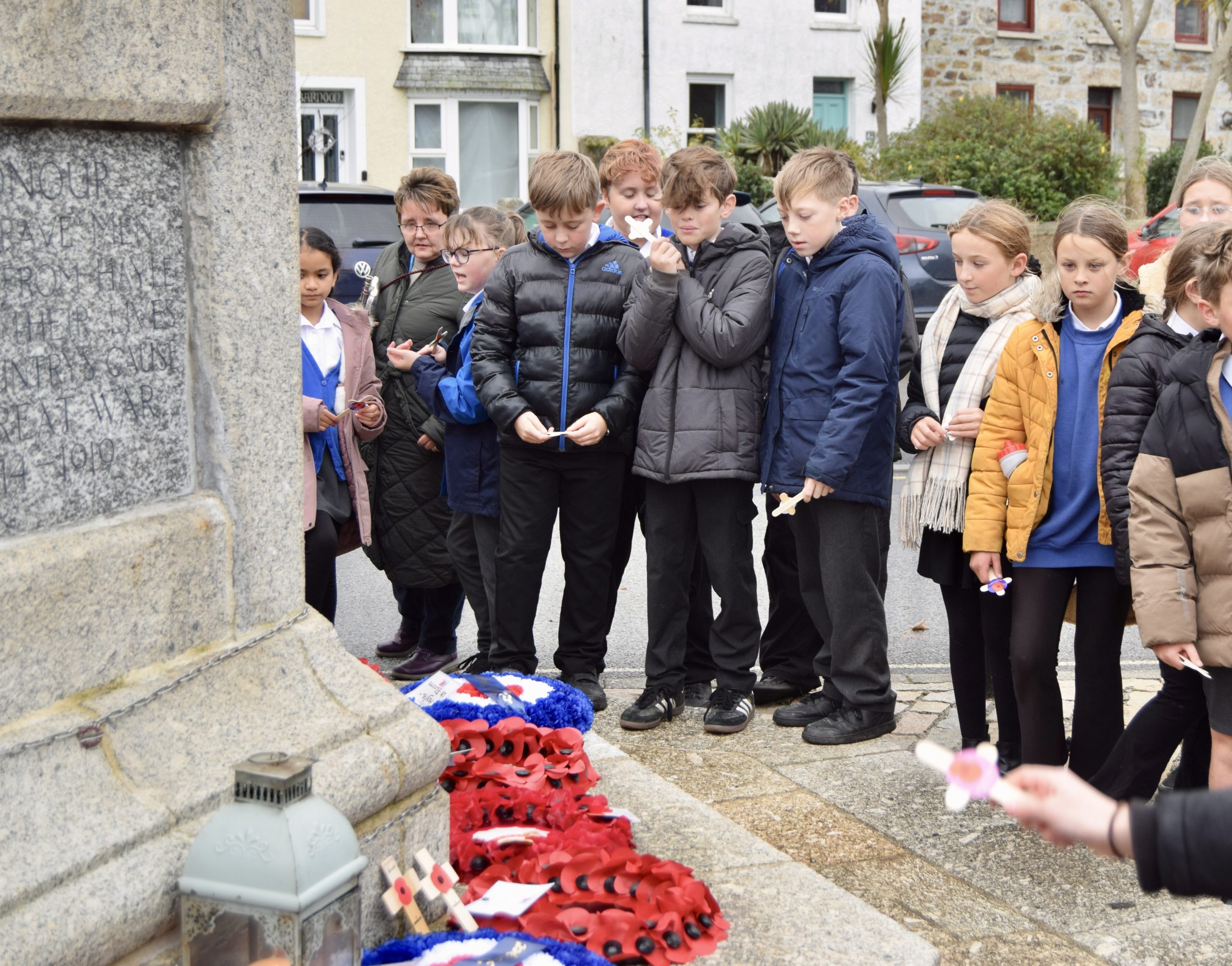
On Remembrance Day itself, the whole year group walked together to the Hayle War Memorial. We joined members of the local community to take part in a two-minute silence at 11 o’clock. It was a moving and respectful moment as we stood quietly, remembering those who gave their lives for our freedom.
   

Our Remembrance Day activities helped everyone to think deeply about history, sacrifice, and gratitude — and to understand why it is so important to remember.

Penpol Compete at the National School Song Competition


Last year, some staff and key stage two pupils here at Penpol School got together over a series of singing assemblies to write a song that sums up what it is like to go to Penpol School. The children gave lots of ideas about what they enjoy and like about school and worked hard to incorporate these ideas into the song. Our song ‘The Best That I Can Be’ was then recorded in a singing assembly and entered into the national School Song Competition.

Amazingly our song fought off stiff competition of 350 entries and we were invited to The competition final just held just outside of London.

The song is a credit to the children and staff and really encompasses what it is like to be a student at Penpol School. You can listen to the song on all major streaming platforms.
Spooky Spectacular: Potions Bubble and Spine-tingling Skeletons!

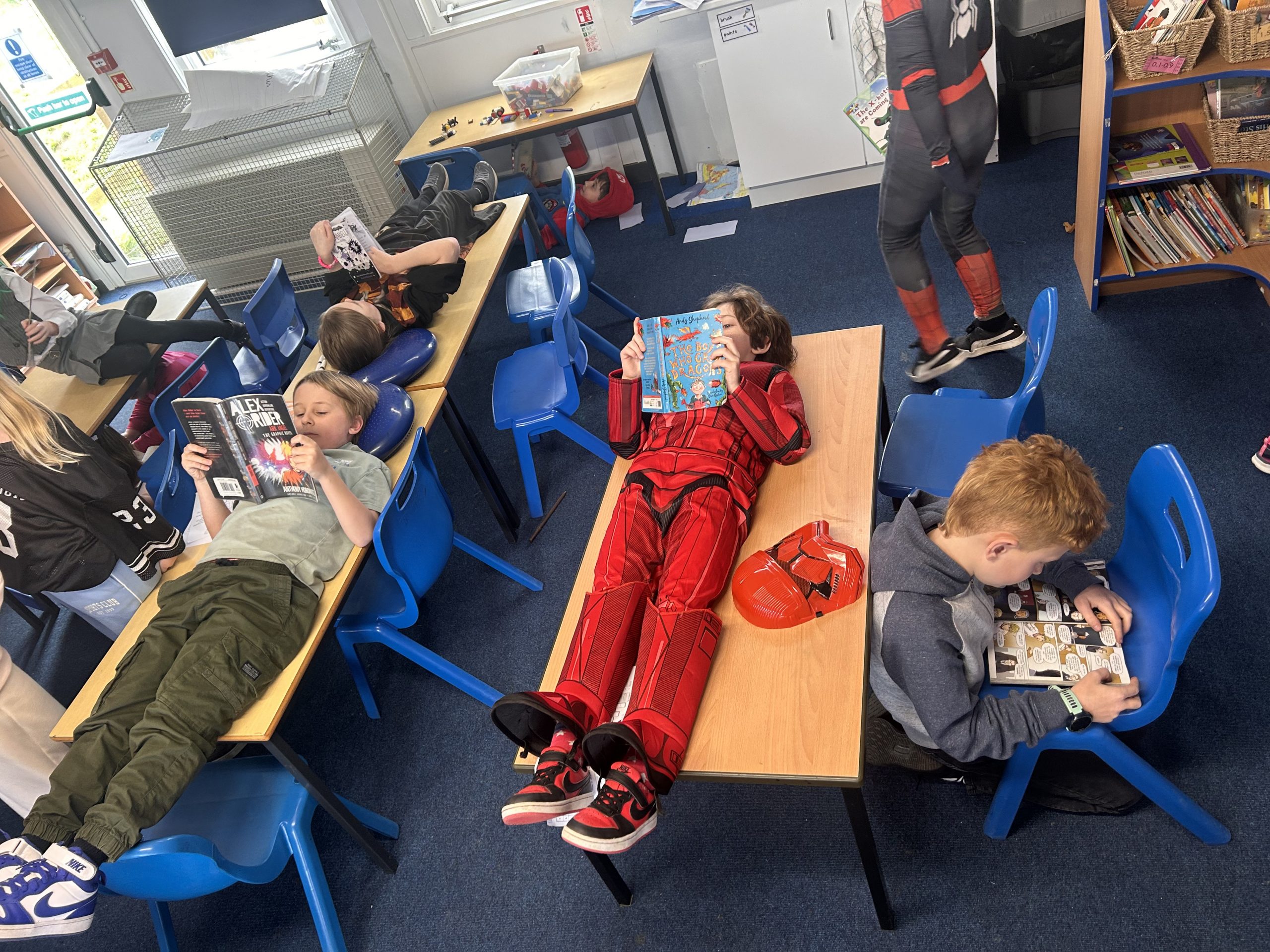
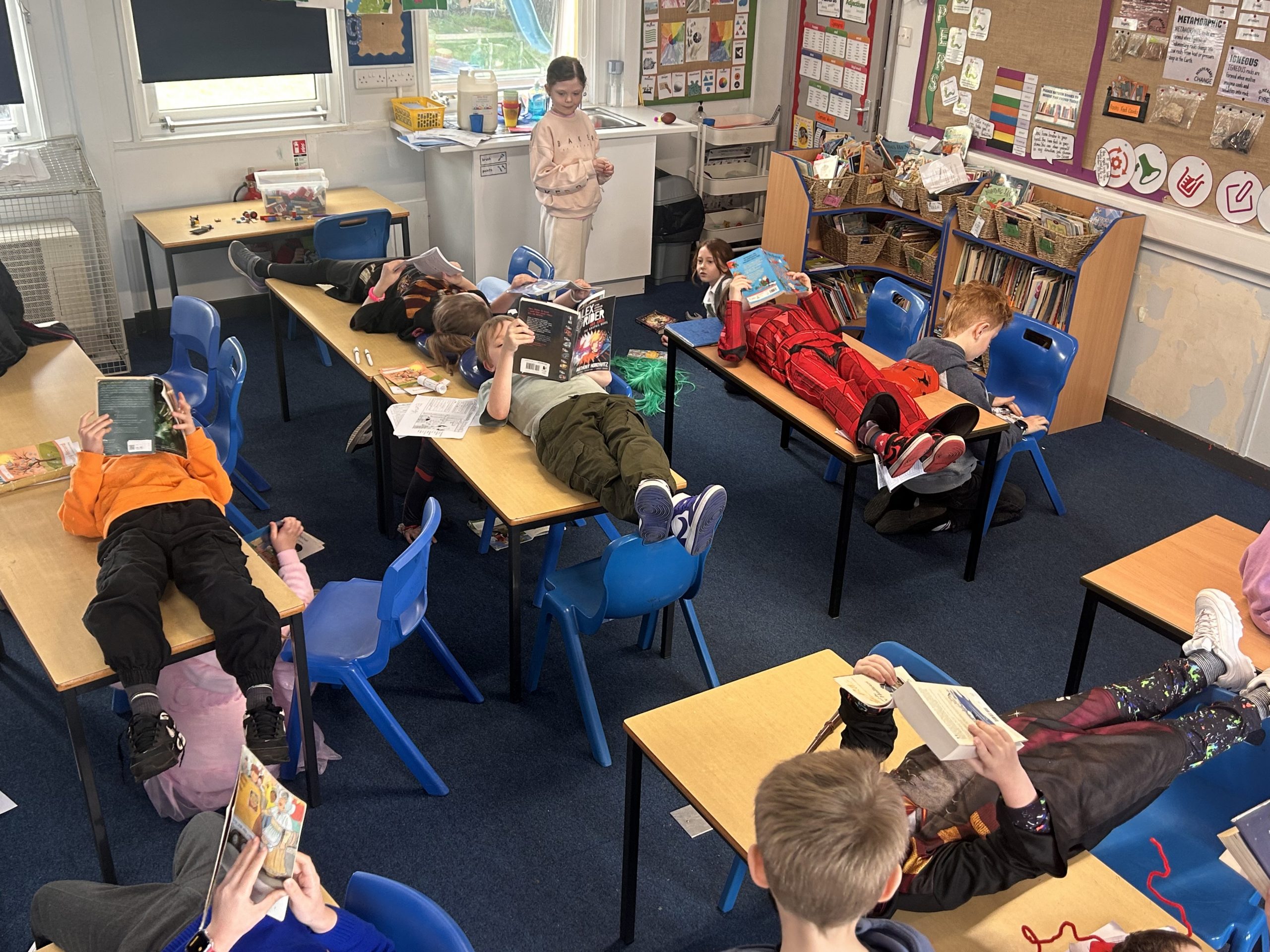
Class 4 had a spook-tacular day full of fun, learning, and imagination! Dressed in their own creepy costumes, the children were already channeling the mysterious and magical wonder of Spooky Day.

Our day began with listening to Funny Bones, which inspired the children to design and make their very own skeletons. Soon after, the class got hands-on with some creepy creativity, building spooky skeletons of all shapes and sizes.

After break, Cornwall became the focus as the children journeyed to mystical and magical lands through a Piskey tale. Inspired by the story, each child used their imagination to create their very own spooky Piskey, bringing their tiny magical creatures to life through drawings and clever ideas.

The day also included a practical maths activity where the children followed a spooky recipe, carefully measuring and mixing ingredients like “half a cup of inky slime” and “a full cup of fairy tears”—proving that maths can be both fun and deliciously creepy!

It was a day full of learning, creativity, and fun, and Class 4 showed that even spooky days can be filled with laughter, imagination, and a touch of magic!

Happy Spooky day – Dydh Euthyk Lowen