When arranging a Balloon Game for UK teams, balloon game, selecting the right group formation can greatly impact team dynamics and success. Smaller teams often enhance communication, while larger mixed-ability groups can bring in varied perspectives. Understanding the balance between these options is key. So, how do you determine the best approach for your specific scenario? Let’s examine the various strategies that can improve your game.
Key Takeaways
- Opt for smaller groups (4-6 participants) for direct communication and efficient task execution during the Balloon Game.
- Use mixed-ability squads to utilize diverse skills and promote personal growth among team members.
- Implement dynamic positioning techniques, such as zig-zag formations, to boost coordination and engagement in larger groups.
- Assign defined roles based on individual strengths, including strategist, communicator, and executor, to boost overall team performance.
- Integrate fun themes, like Superhero Day, to boost team spirit and foster camaraderie during gameplay.
The Benefits of Small Teams
When you participate in the Balloon Game, forming small teams can considerably improve your experience and results. Smaller groups encourage better communication, allowing everyone to share their ideas and strategies openly. You’ll find that collaboration becomes smoother, making it easier to brainstorm creative ways to keep your balloon afloat.
Plus, with fewer team members, it’s easier to assign roles based on individual strengths, enhancing efficiency. Operating in small teams also enhances trust and camaraderie, fostering a supportive atmosphere. Each victory feels more personal and rewarding when you celebrate them as close-knit teammates.
Furthermore, you can adapt swiftly to modifications or obstacles, allowing for a more flexible game. Adopting small teams can produce deeper bonds and enhanced enjoyment of the Balloon Game.
Strategies for Large Group Formations
When you’re managing a large group, determining the right size can be key.
You’ll want to use flexible positioning techniques to ensure everyone participating and working together.
Plus, efficient communication strategies are essential to guaranteeing everyone understands their roles and remains linked throughout the game.
Efficient Group Sizes
Efficient group sizes are vital for optimizing collaboration in balloon game formations, especially with larger gatherings. To improve your team’s performance, consider these strategies:
- Keep groups small
- Balance skills and personalities
- Designate roles
- Adapt based on game dynamics
Dynamic Positioning Techniques
Dynamic positioning techniques are crucial for boosting coordination in large group balloon game formations. You’ll want to promote smooth movement and adaptability among participants.
Begin by designating leaders who direct the group while ensuring awareness of everyone’s position. This way, you can handle shifts in formation as players engage with each other and the balloons.
Use formations that enable swift adjustments, like a zig-zag or circular layout. This adaptability lets the group adapt to modifications in dynamics rapidly.
Motivate players to maintain visual contact and to alternate their positions to prevent crowding. Remember, the goal is to formulate a cohesive strategy that enables everyone to participate actively while keeping the flow of the game dynamic and exciting.
Effective Communication Strategies
To ensure effective coordination in big group balloon games, strong communication is crucial. You need to employ strategies that foster clarity and collaboration among team members.
Here are some effective approaches to boost communication during the game:
- Establish clear roles
- Use visual signals
- Maintain eye contact
- Hold brief check-ins
These strategies will lead to improved results and an enjoyable experience.
The Importance of Mixed-Ability Squads
While organizing squads for the balloon game, focusing on mixed-ability groups can greatly enhance the experience for all participants.
These varied teams foster an inclusive atmosphere, allowing everyone to add their unique strengths. When players of diverse skill levels work together, they learn from each other, which fosters personal growth and boosts confidence.
Furthermore, mixed-ability squads promote teamwork and communication, essential for completing game challenges efficiently. You’ll see closer bonds forming, as players create support networks that go beyond the game.
This cooperative spirit not only makes the balloon game more enjoyable but also prepares participants for future group activities. By adopting mixed-ability squads, you’ll create a positive environment where everyone feels appreciated and motivated to participate fully.
Role Assignments and Specialization
When creating https://www.annualreports.com/HostedData/AnnualReportArchive/a/ASX_AGI_2017.pdf your balloon game groups, assigning roles based on individual skills can really enhance performance.
You’ll want to allocate responsibilities efficiently to ensure everyone plays to their strengths. By selecting roles that align with your teammates’ abilities, you’re paving the way for success.
Task Responsibility Distribution
As you begin the Balloon Game, it’s crucial to set up clear task responsibility distribution to ensure each member participates effectively.
Each participant should know their role, which encourages teamwork and minimizes confusion. Here are some key responsibilities to think about for your team:
- Leader
- Communicator
- Balancer
- Innovator
Skill-Based Role Selection
To optimize your team’s effectiveness in the Balloon Game, selecting roles based on each member’s skills is essential.
Start by assessing everyone’s strengths—some might shine in strategy, while others shine in execution. Allocate roles like strategist, builder, and tester to utilize these talents effectively.
For instance, if someone has strong problem-solving skills, assign them as the strategist to create effective plans. Those with hands-on abilities can take on building tasks, while detail-oriented members should test the designs.
This focus not only enhances efficiency but also enhances team morale as each member feels appreciated for their unique contributions.
Agile Teams for Quick Challenges
Agile teams thrive in environments that require rapid adjustments and innovative problem-solving. When participating in challenges like the Balloon Game, these teams can utilize their combined strengths to react flexibly and productively.
Here are some key benefits of establishing agile teams for such fast challenges:
- Rapid Communication
- Dynamic Resource Allocation
- Increased Trust
- Innovative Solutions
Creative Group Dynamics and Communication
How can efficient group dynamics boost communication during the Balloon Game?
When you encourage an environment of trust and collaboration, team members feel more at ease sharing ideas and strategies. You’ll see that open communication encourages creativity, permitting everyone to offer unique solutions.
By assigning roles based on strengths, you can streamline discussions, making it more efficient to assign tasks and address challenges. Hearing carefully is crucial; it guarantees everyone’s voice is acknowledged and valued.
Visual cues, like hand signals or gestures, can also enhance non-verbal communication, helping everyone stay on the same page. The more you interact with your teammates, the more harmonious your group dynamics become, ultimately resulting in a more triumphant and fun Balloon Game experience.
Incorporating Themes and Costumes
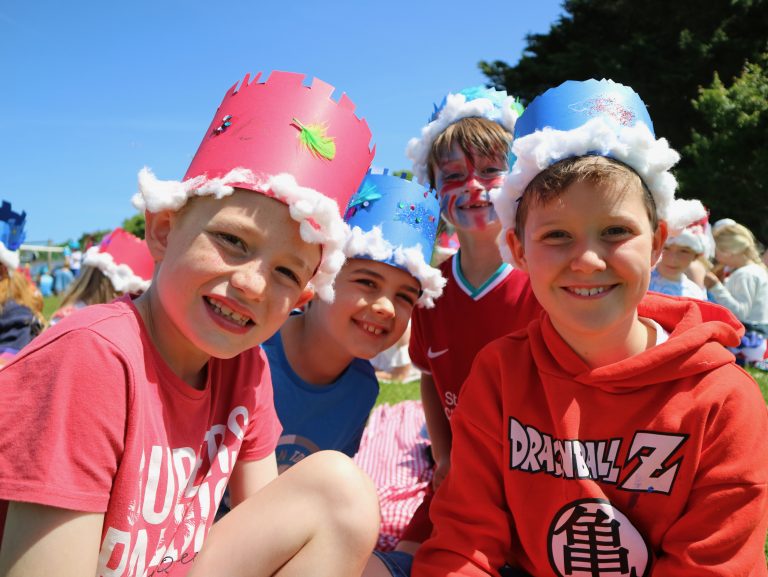
While you may consider of the Balloon Game as a straightforward task, incorporating themes and costumes can enhance the event and increase team spirit.
Choosing a fun theme promotes creativity and builds camaraderie among members. Here are some ideas to consider:
- Superhero Day
- Decades Theme
- Nature
- Color Coordination
Themes and costumes not only make the game more entertaining but also strengthen connections among team members.
Embrace the fun!
Adapting Group Size to Game Complexity
As the complexity of the Balloon Game increases, modifying your group size becomes essential for maximizing engagement and gameplay. Smaller groups work well for easier tasks, allowing for direct communication and quicker decision-making. However, when you add more complex challenges, like strategic planning or coordination, larger teams can enhance creativity and problem-solving.
Ensure every player has a clear role, irrespective of group size, so they feel involved and motivated.
If the game’s format requires teamwork, consider breaking into smaller sub-groups for particular tasks, then regroup to share insights.
Always be mindful of your team’s dynamic; it can affect participation and enjoyment.
Frequently Asked Questions
How Do We Choose a Team Name for Our Group?
To choose a team name, brainstorm ideas that reflect your group’s personality or purpose. Get everyone involved, share suggestions, and vote on your top choices. Make sure it’s appealing, memorable, and has significance for all.
What Varieties of Balloons Are Safest and Most Effective for the Game?
You should use low-weight, durable latex balloons for the game. They’re not prone to pop easily and provide efficient performance. Avoid foil balloons as they can be hazardous and create interruptions during gameplay.
Can We Incorporate Music or Sounds During the Balloon Game?
Absolutely, you can include music or sounds during the balloon game! It’ll stimulate participants, create a enjoyable atmosphere, and enhance the overall experience. Just choose energetic tracks that promote movement and engagement among players.
What Are Some Enjoyable Snacks to Serve During the Event?
You can serve corn snacks, mini sandwiches, and fruit skewers for a entertaining snack selection. Don’t forget about chips and dips, as well as cookies or brownies for a tasty treat everyone will enjoy!
How Can We Promote Team Bonding After the Balloon Game?
You can promote team bonding by organizing review discussions, sharing feedback, playing icebreaker games, or enjoying snacks together. These activities foster communication and camaraderie, helping everyone feel more connected after the balloon game.
Conclusion
In the Balloon Game, choosing the right group formation can make all the difference. Smaller teams promote close communication and allow for clarity in roles, while larger, mixed-ability squads inspire creativity and diverse solutions. By embracing specialization and dynamic positioning, you’ll improve teamwork and keep everyone engaged. Don’t forget to experiment with themes or costumes to amp up the fun! Ultimately, tailoring your approach to the game’s complexity ensures an memorable experience for all participants.